





 Portuguese
  English
  Spanish
  4 min of reading
  0 comments


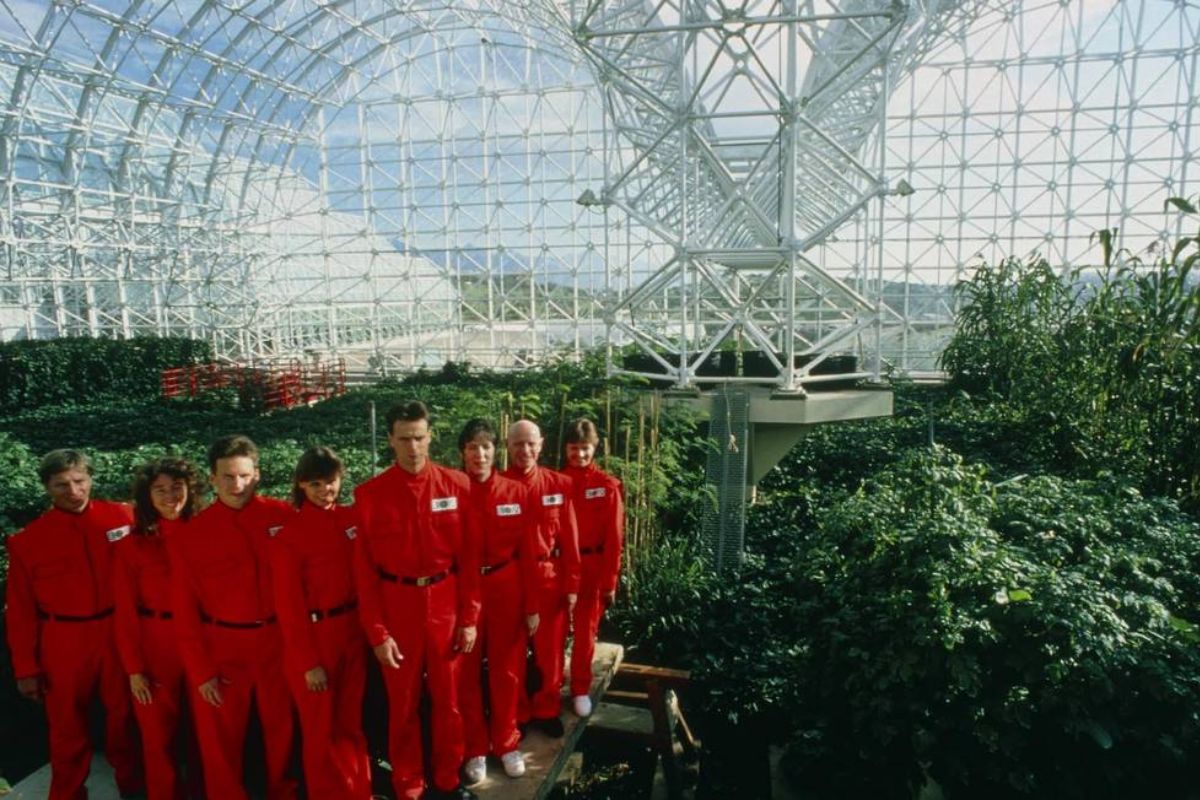
Discover The Story Of Biosphere 2: The Ambitious Project That Locked Eight People In A Mini-Earth For Two Years And, Despite Almost Failing, Left Crucial Lessons About Life On Our Planet.
In the early 1990s, amidst the Arizona desert in the United States, one of the most daring and controversial scientific experiments in history was put into practice. Eight people voluntarily locked themselves up for two years inside a gigantic glass complex called Biosphere 2, a kind of mini-Earth designed to be fully self-sufficient.
According to an analysis by science historian Lisa Rand from the California Institute of Technology, the project, which was labeled a “failure” at the time, is now viewed in a new light. The story of Biosphere 2 is a saga of survival, miscalculations, and ultimately a profound lesson about the complexity and irreplaceable importance of our own planet.
What Was The Biosphere 2 Experiment?
Biosphere 2 is a massive complex of glass pyramids and domes, covering 1.2 hectares, that houses replicas of Earth’s main ecosystems: a tropical rainforest, a savannah, a desert, a wetland, and even a small ocean with a coral reef.
-
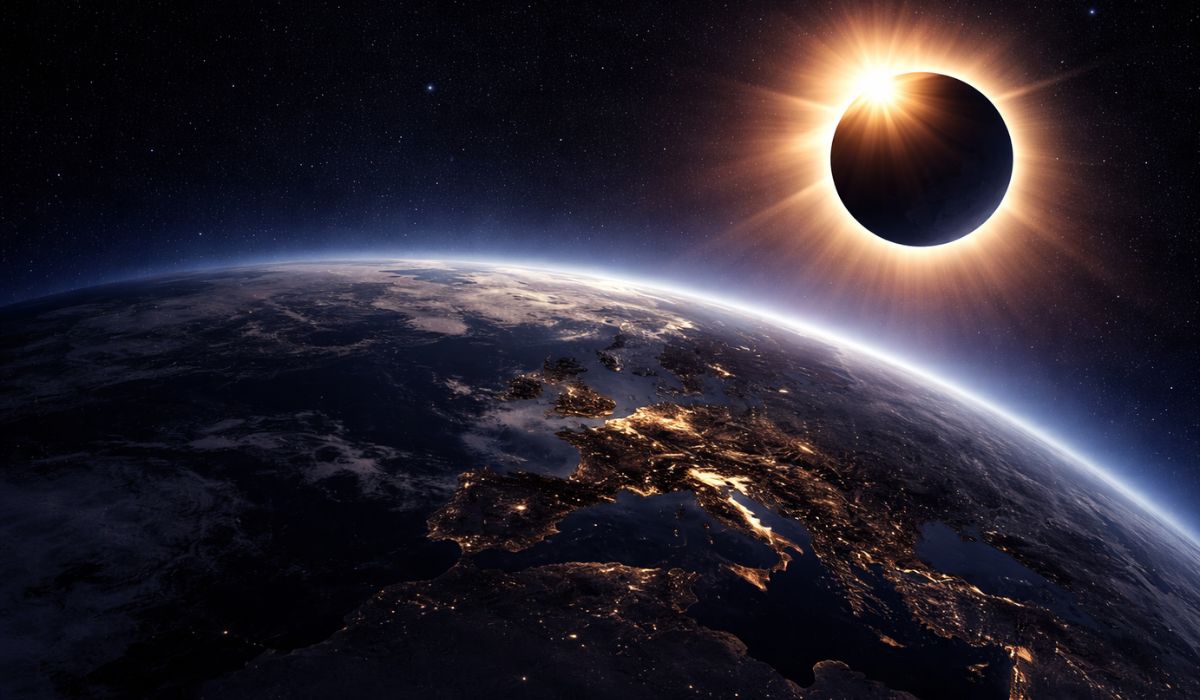
The Earth will plunge into a few minutes of darkness in broad daylight in August 2026, when a total solar eclipse transforms the sky into one of the most impressive astronomical phenomena in recent years.
-
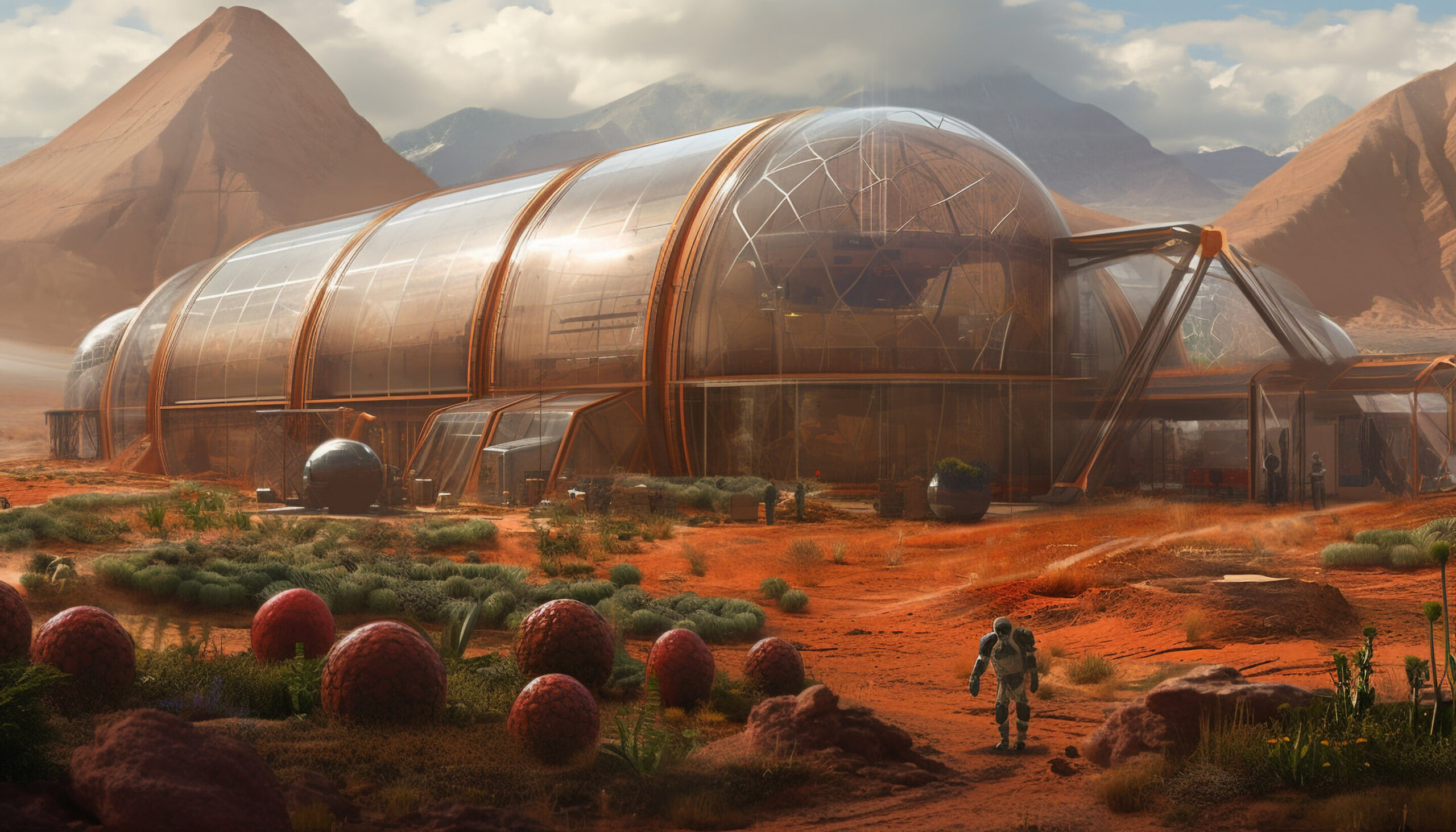
How the terraforming of Mars can transform the planet: artificial aerosols can increase the temperature by up to 35°C in 15 years, creating conditions for liquid water.
-
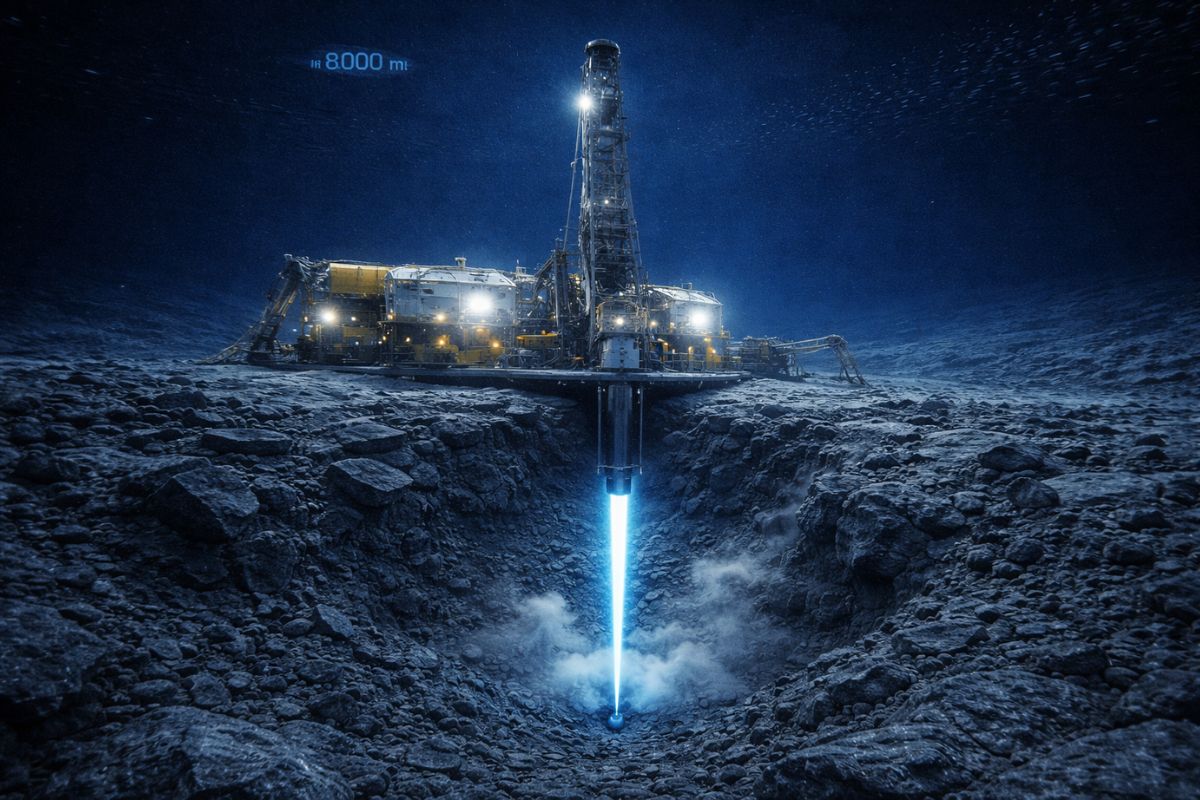
Scientists drilled nearly 8,000 meters into the ocean floor above the fault that caused the 2011 tsunami in Japan and discovered that a layer of clay 130 million years old was responsible for making the wave much worse than any model had predicted.
-
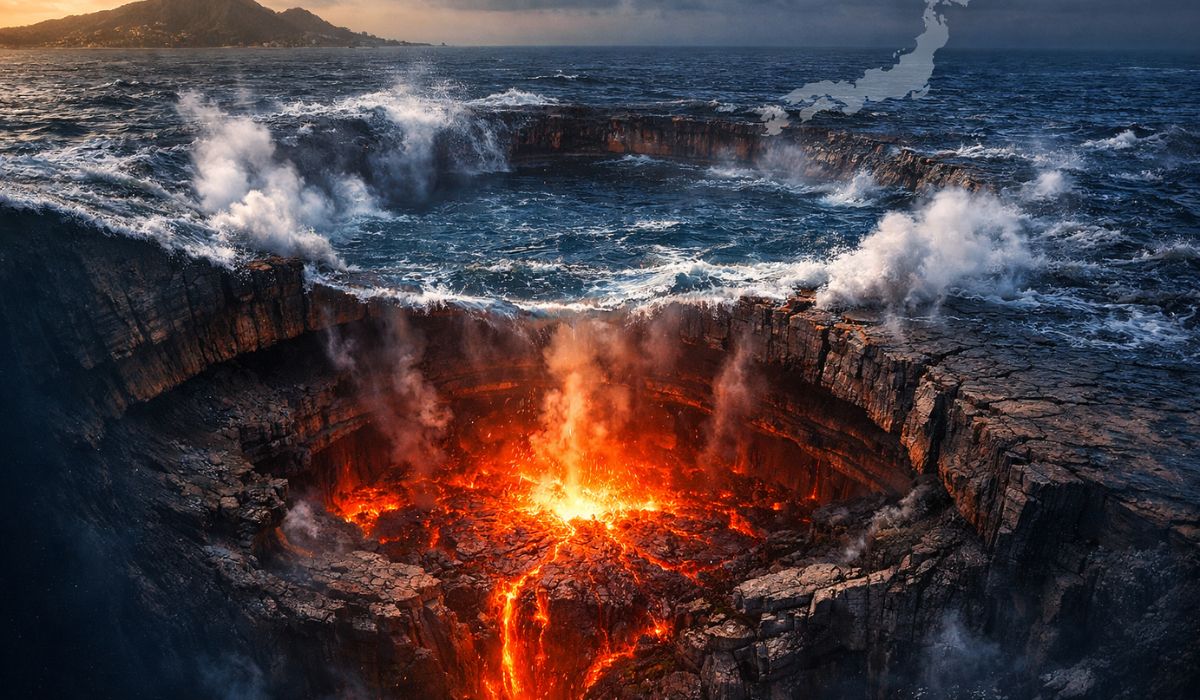
Thousands of years after causing the largest eruption of the Holocene, one of the world’s largest supervolcanoes is rebuilding itself beneath the sea south of Japan, receiving new magma and alarming scientists with its transformation.

In September 1991, eight researchers (the “biospherians”) entered the structure and were hermetically sealed off from the outside world. The mission was to survive for two years solely on what they produced inside, testing the limits of life in a closed system, a crucial step for future colonies on the Moon or Mars.
The Dream Of A Self-Sufficient World (And The Problems That Arose)
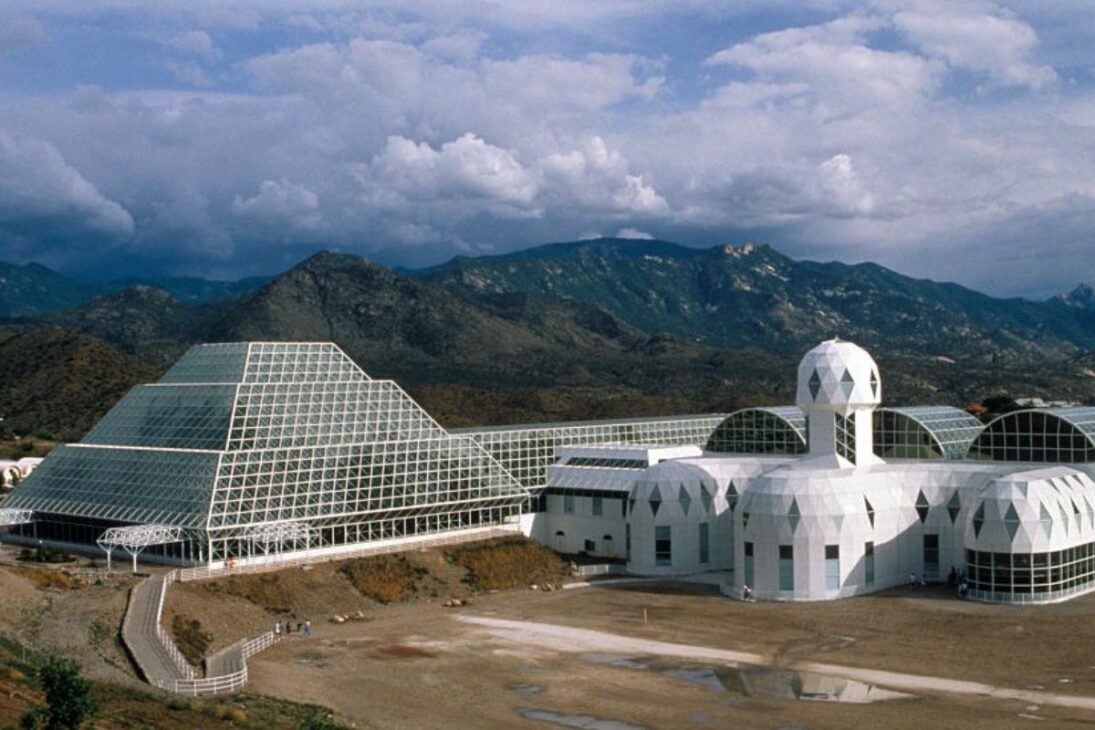
The project, funded by billionaire Ed Bass with an investment of US$ 150 million, was envisioned by John Allen. The goal was noble: to better understand the complexities of Earth and how technology could help us live in harmony with nature.
However, as an analyst said in the documentary Spaceship Earth (2020), “everything that could go wrong went wrong.”
- Oxygen Shortage: After 16 months, oxygen levels dropped from 21% to dangerously low 14%, equivalent to being at the top of a 3,350-meter mountain. The “biospherians” felt weak and tired.
- CO₂ Spike: At the same time, carbon dioxide levels surged.
- Mass Extinction: Numerous animals and, crucially, pollinating insects died, threatening plant reproduction.
- Hunger: Although they survived on what they planted, participants lost significant weight, becoming a case study in caloric restriction.
The situation became so critical that it was necessary to inject oxygen from outside, leading the press of the time to label the project a “failure.”
What Went Wrong? The Science Behind The “Failure”
Scientists took some time to understand the causes of the problems. The primary issue was the soil. To accelerate plant growth, an extremely nutrient-rich soil was used. This led to a population explosion of bacteria and fungi that consumed oxygen at a much faster rate than the young plants could replenish it.
Another unexpected problem was the death of pollinating insects. It is believed that the glass structure blocked ultraviolet (UV) light, which bees, for example, use to navigate and find flowers.
The Great Lesson: “This Is Really Our Only Planet”
The biggest lesson from Biosphere 2 was the realization of how incredibly difficult and expensive it is to recreate the systems that sustain life on Earth. The experiment underscored the need to protect our planet, Biosphere 1.
Scientist David Tilman, who analyzed the project, calculated that if a space colony were like the mini-Earth in Arizona, it would cost US$ 82,500 per person, per month to inhabit, and even then, without any guarantee of survival. “It is incredibly expensive to try to replace the services that Earth’s ecosystems provide to humanity for free,” he emphasized.
The Legacy Of Biosphere 2: From “Failure” To Cutting-Edge Climate Laboratory
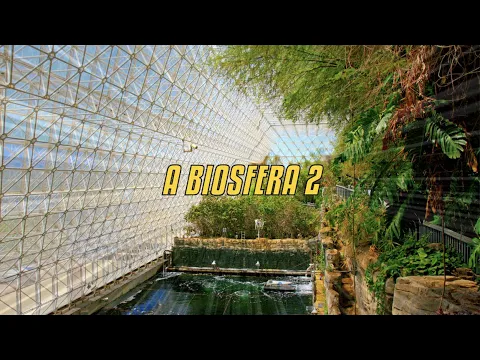

Despite the criticism, perceptions of the experiment have changed. Today, Biosphere 2 is managed by the University of Arizona and has become one of the world’s most important laboratories for studying climate change.
Scientists use the structure to simulate the effects of global warming and drought in controlled ecosystems, something impossible to do in nature. The mini-Earth that nearly failed to sustain itself has become one of our best tools for understanding and perhaps saving our own planet.
What did you think of this story? Do you believe that humanity will one day manage to create a self-sufficient colony outside Earth? Leave your opinion in the comments.








Seja o primeiro a reagir!