





 Portuguese
  English
  Spanish
  3 min of reading
  1 comment


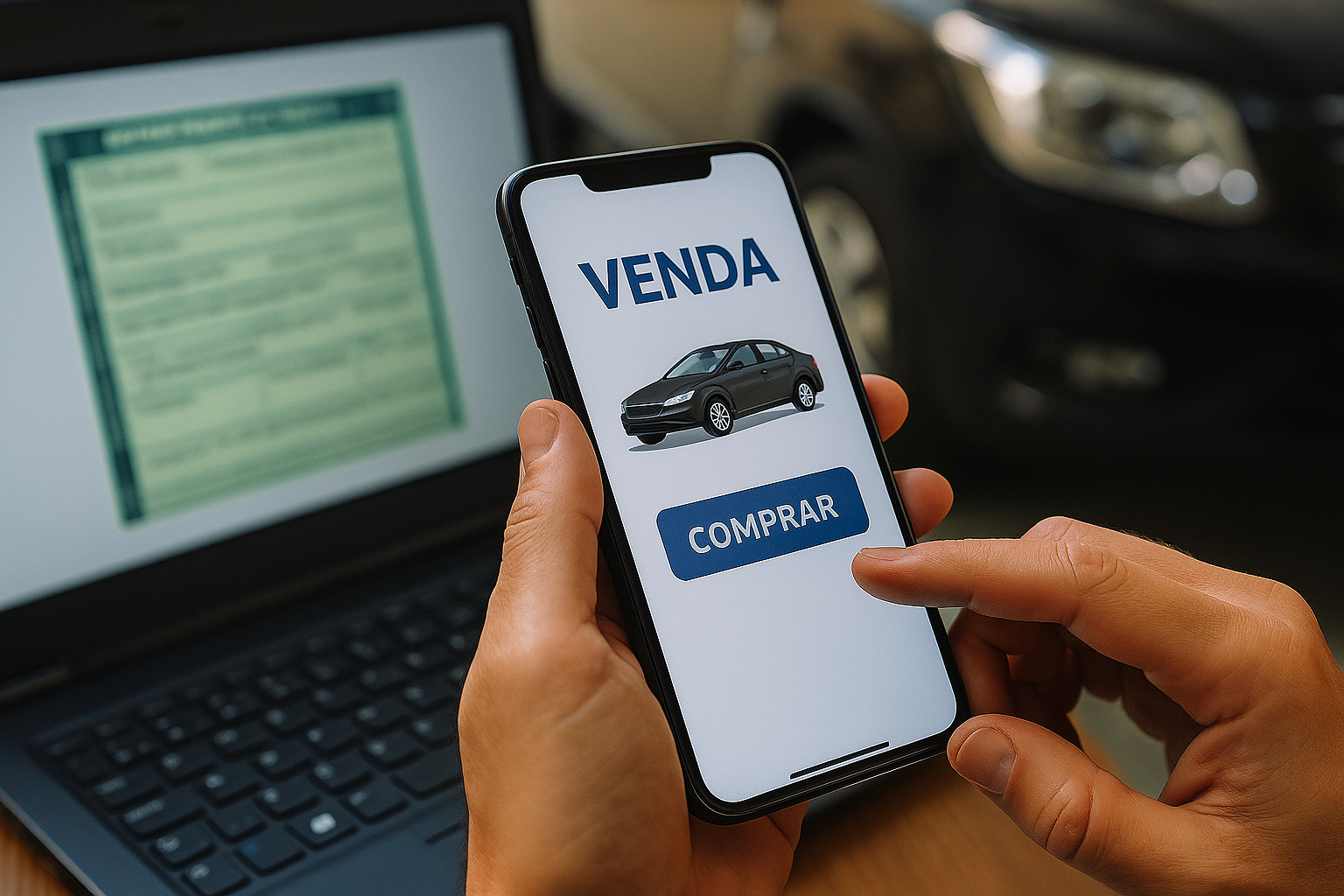


Online Transfer Replaces In-Person Procedures and Alters the Routine of Buyers and Sellers in Almost Every State
The transfer of vehicles has become fully digital in much of Brazil and, as a result, transformed a process that always required notarization and trips to notary offices. The Digital Sale feature, available in the Digital Traffic Wallet (CDT), has already recorded 817,598 completed transactions, indicating widespread adoption by drivers seeking agility and security. Developed by Senatran, in cooperation with Detrans, the tool is already operational in 22 states and thus marks one of the most significant advances in the modernization of the country’s traffic services. Although adoption is increasing, only Amapá, Federal District, Espírito Santo, Maranhão, Paraíba, and Santa Catarina have not yet implemented the system. Santa Catarina did adopt the technology, but remained integrated for a short time. Amazonas is the most recent addition, having launched the service on November 18, which reinforces the accelerated expansion of the digital platform.
States That Already Use Digital Sale
The expansion is continuous, and thus states across all regions have already integrated the system: Acre, Alagoas, Bahia, Ceará, Goiás, Mato Grosso, Mato Grosso do Sul, Minas Gerais, Pará, Paraná, Pernambuco, Rio de Janeiro, Rio Grande do Norte, Rio Grande do Sul, Rondônia, Roraima, São Paulo, Sergipe, Tocantins, and Piauí, which demonstrates that the system already reaches almost the entire country and consolidates the change in drivers’ behavior.
Reasons for the Change and Modernization Agenda
Senatran states that the advancement of Digital Sale is part of a strategy aimed at reducing bureaucracy and, therefore, prioritizes speed in serving citizens. According to the National Traffic Secretary, Adrualdo Catão, the intention is to “accelerate the pace of digitalization to provide faster and more efficient service.” Thus, the system becomes a milestone in the transition from a physical model to fully online procedures.
-
The Chamber opens a debate on driver’s licenses at 16 years old as part of a reform that includes around 270 proposals to change the Brazilian Traffic Code and may redesign rules for licensing, enforcement, and circulation in the country.

-
The new Civil Code could revolutionize marriages in Brazil with “express divorce” and changes that could exclude spouses from inheritance.
-
Banco do Brasil sues famous influencer for million-dollar debt and intensifies debate on delinquency, risks of seizure, and direct impact on Gkay’s credibility.

-
The Senate approves a bill that criminalizes misogyny, hatred, or aversion towards women, and includes the crime in the Racism Law with a penalty of up to 5 years.


How the Fully Digital Process Works
The transfer occurs exclusively through the CDT app, thus eliminating trips and in-person steps. The process follows simple steps: the buyer and seller install the app and confirm their identity; the seller initiates the transfer and enters the vehicle’s data and the buyer’s CPF; the buyer receives the notification, and both electronically sign the document; Senatran processes and updates the record in real-time. The entire flow utilizes facial biometrics, digital signature, and requires silver or gold on gov.br, which enhances the security of the procedure. In addition, only documents issued from January 4, 2021, in the ATPV-e format, may be used.
Complete Replacement of Notary Offices and Change in Routine
With the adoption of the feature, drivers now perform transfers without going to notary offices and, thus, reduce costs, steps, and trips. Consequently, Digital Sale modifies the traditional relationship between buyer, seller, and traffic authorities, as it places all steps in a digital environment with immediate validation.
Gradual Adoption and Impacts for Detrans
Detrans are integrating the system progressively and, thus, expanding the digitalization of public service. The entry of new states occurs as local infrastructure adjustments and internal system adaptations are made. Thus, each adoption reinforces the trend to permanently replace in-person processes related to vehicle transfers.
Enhanced Security and Technical Validations
The use of facial biometrics and digital signatures prevents fraud and, consequently, increases the reliability of the procedure. As the system validates all stages automatically, the risk of irregularities diminishes while providing complete traceability of each transaction. This model strengthens the legal security of the transfer and, therefore, encourages increased usage of the service.
Change in Driver Behavior
With all steps digitalized, buyers and sellers increasingly rely less on physical structures, which redefines how Brazilians view the bureaucracy of the sector. The process, previously in-person, transforms into a fast and fully online flow. This change, therefore, represents a cultural adaptation similar to that experienced in other public services that migrated to digital platforms.








Muito bom o procedimento e o avanco da atualizacao totalmente digital e um passo do avanco do progresso