





 Portuguese
  English
  Spanish
  4 min of reading
  0 comments


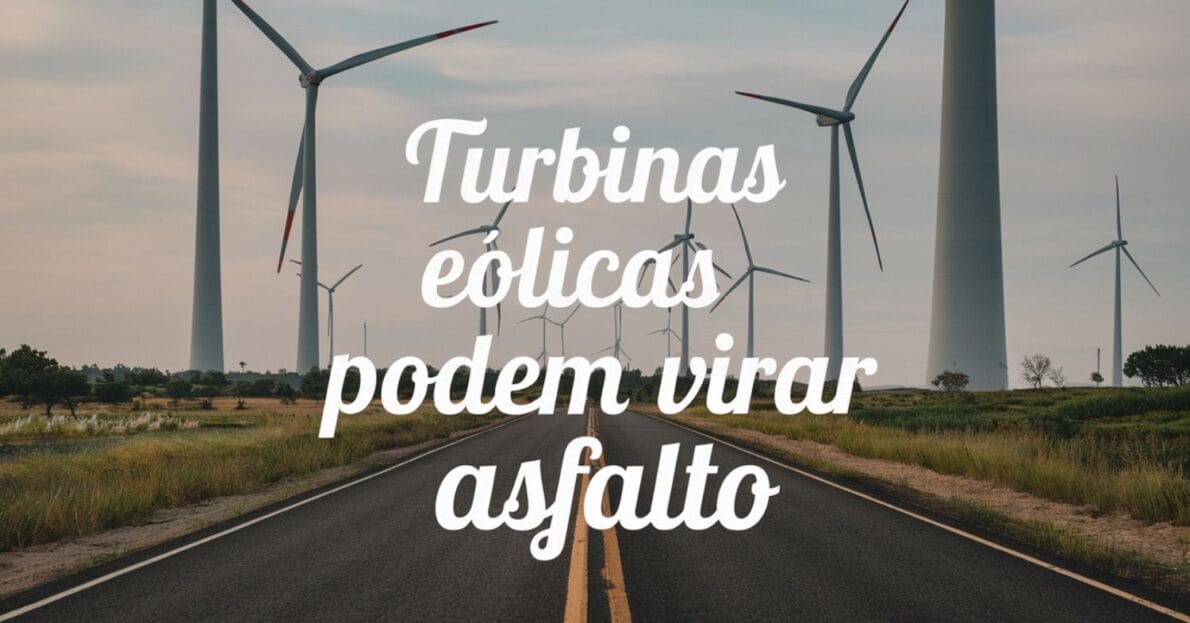
Advancement in the USA Transforms Wind Energy Waste into Sustainable Material for Asphalt and Concrete, Uniting Innovation, Economy, and Environmental Preservation.
American researchers announced an important advancement for the disposal of waste generated by the wind energy industry. The blades of wind turbines, which are traditionally discarded in landfills at the end of their useful life, can now be recycled and used as a component in asphalt and concrete mixtures. This discovery represents a viable and sustainable alternative for roadworks, with environmental and economic benefits.
The research was led by Oregon State University and the state Department of Transportation, in collaboration with the company Global Fiberglass Solutions. The study analyzed the application of materials obtained from shredding wind turbine blades in the composition of road pavements, demonstrating promising results regarding the durability and resistance of the new mixtures.
Solution for a Growing Problem of Wind Energy
The wind energy industry has been growing rapidly in recent years, especially in the United States, Europe, and countries like Brazil. However, this growth has also brought an environmental challenge: the final disposal of wind turbine blades, which are primarily made of fiberglass and composite resins, materials that are difficult to decompose.
-
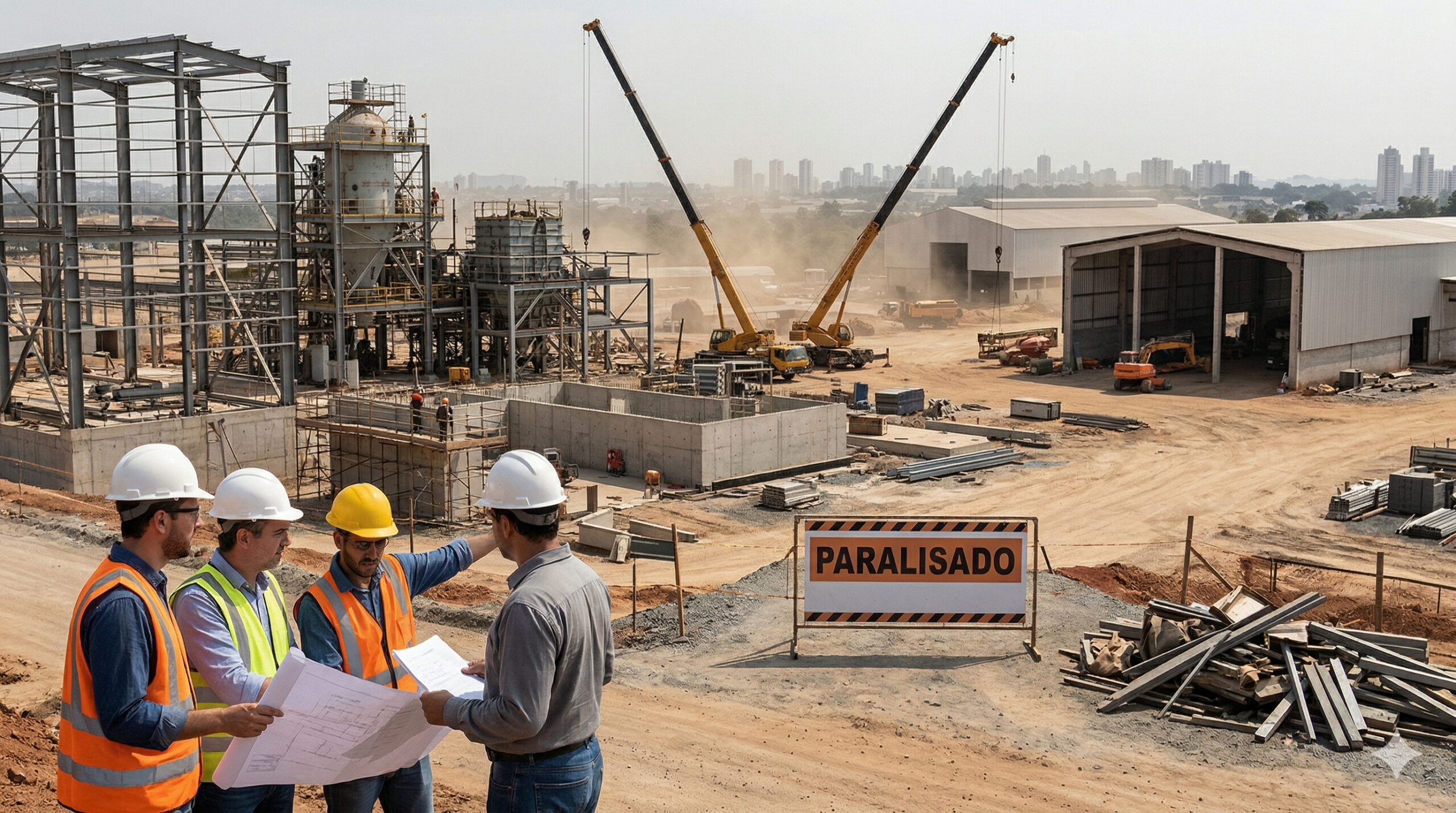
The lack of welders, electricians, and operators becomes a structural threat in 2025, with the construction industry and manufacturing already suffering from delays, cost pressures, and labor shortages in Brazil.
-
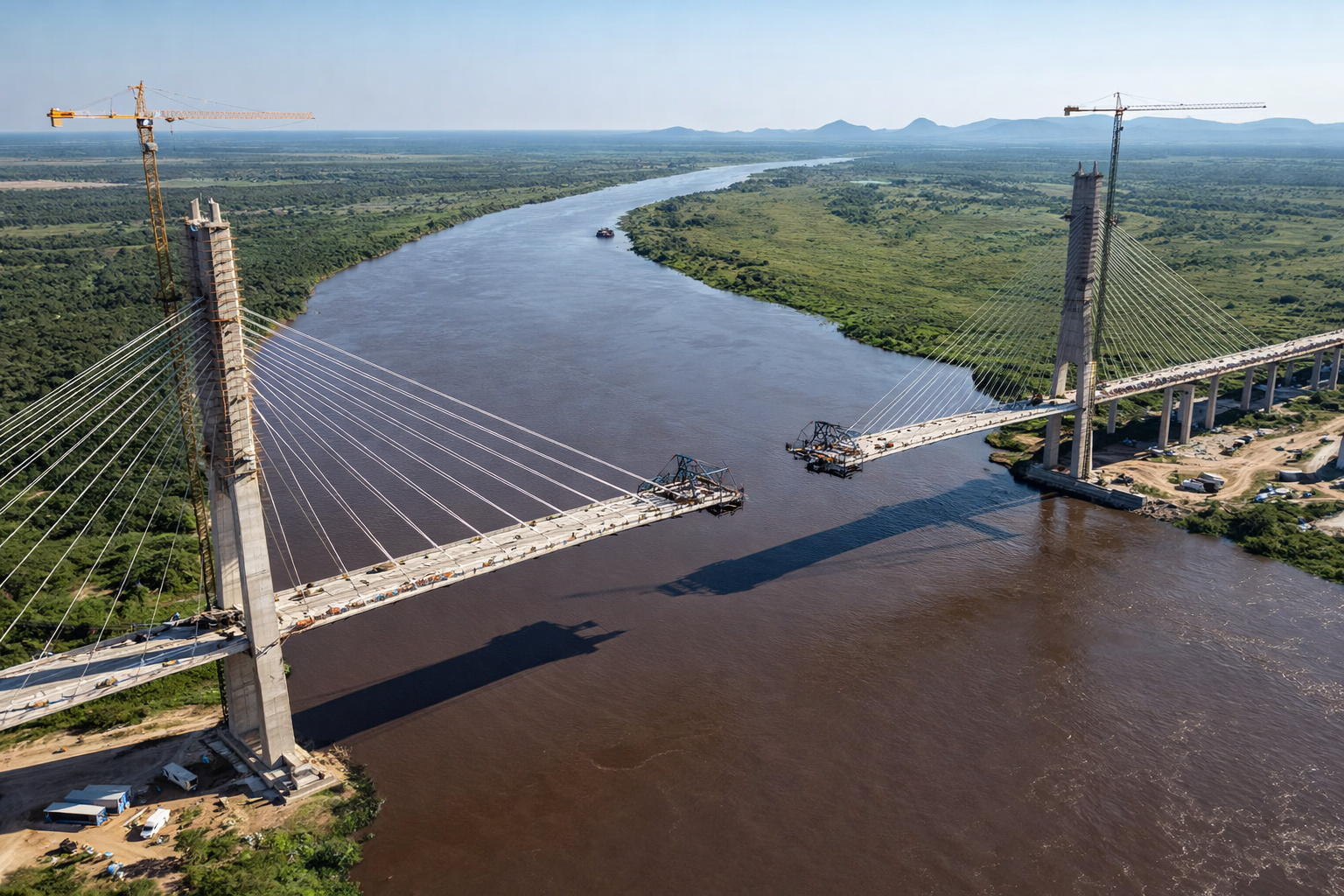
Brazil and Paraguay are just 46 meters away from a historic union on the bioceanic bridge that promises to revolutionize trade between the Atlantic and the Pacific.
-
With 55 km over the sea, a cost of US$ 20 billion, and enough steel to build 60 Eiffel Towers, China’s largest project has connected Hong Kong, Zhuhai, and Macau in a colossal bridge that defies the logic of engineering.

-
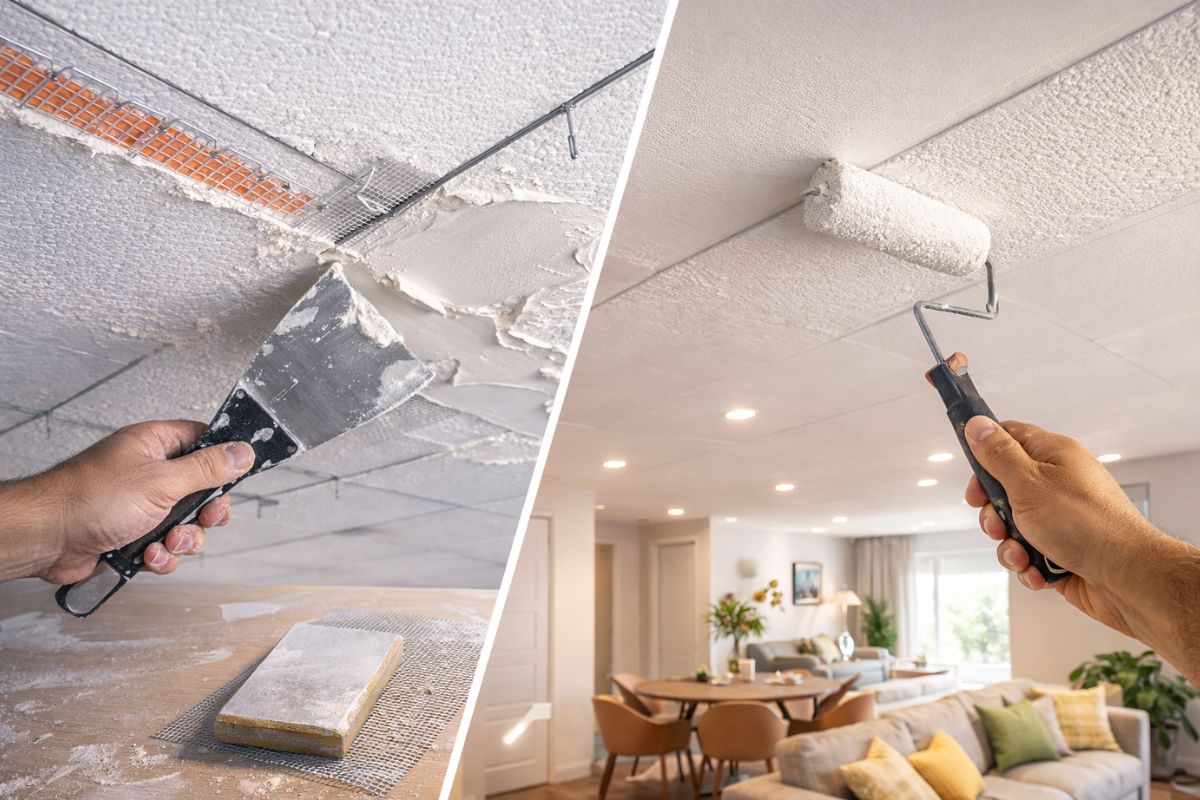
A trick with joint compound transforms a Styrofoam ceiling into a plaster-like ceiling: leveled panels, wires and mesh at the joints, sand, paint, and change the environment while spending little today.

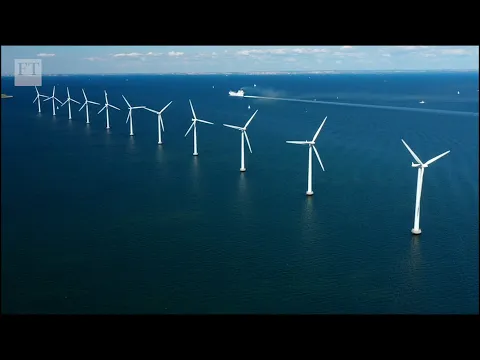

It is estimated that thousands of blades are retired annually worldwide, with a large portion being buried in landfills. This generates environmental and economic impacts, in addition to taking up large areas for disposal. The new solution proposes reintegrating this waste into the production cycle, especially in road construction, where there is high demand for asphalt and concrete.
How the Recycling of the Blades Works
According to researchers, the reuse process begins with shredding the wind turbine blades. The shredded material is then mixed with concrete and asphalt, forming a new type of composite that can be used in the paving of urban streets and highways.
Laboratory and field tests showed that the use of this waste improves the flexibility and strength of the mixtures, reducing the need for constant maintenance on the roads. The proposal also proved to be economically advantageous, as it decreases the production cost of paving materials while addressing a growing environmental problem.
Benefits for Public Works and Sustainability
The application of this method can directly benefit municipal, state, and federal governments, responsible for thousands of kilometers of roads constantly in need of repairs and expansion. By including wind turbine blade waste in paving projects, it is possible to reduce expenses with traditional materials, as well as contribute to sustainability goals.
The study also points out that the recycled material is compatible with the equipment already used in asphalt and concrete works, which facilitates its adoption by companies in the sector. Another positive aspect is the superior durability of the roads produced with this technology, which can represent long-term savings.
Perspectives for Brazil
Brazil, which has one of the cleanest energy matrices in the world, has been heavily investing in the expansion of wind energy, especially in the Northeast. With hundreds of wind farms in operation, the country will also face, in the coming years, the need to appropriately dispose of the old blades of these turbines.
The adoption of solutions like the one developed in the United States can represent a strategic opportunity for the Brazilian infrastructure sector. With a vast road network and varied climate, Brazil can benefit from using more resilient mixtures of asphalt and concrete on its roads while advancing recycling policies for industrial waste.
Challenges for Implementation
Despite the positive results, researchers emphasize that technical adjustments and specific regulations are still needed for the practice to be adopted on a large scale. It is necessary to ensure the structural safety of the roads as well as compliance with environmental and civil engineering standards.
In the United States, the Department of Transportation is already studying the inclusion of the new material in technical specification manuals for public works. The expectation is that other countries will follow this initiative, promoting the reuse of components from the wind energy industry in different sectors of construction.
Source: Yahoo!









Seja o primeiro a reagir!