





 Portuguese
  English
  Spanish
  3 min of reading
  0 comments


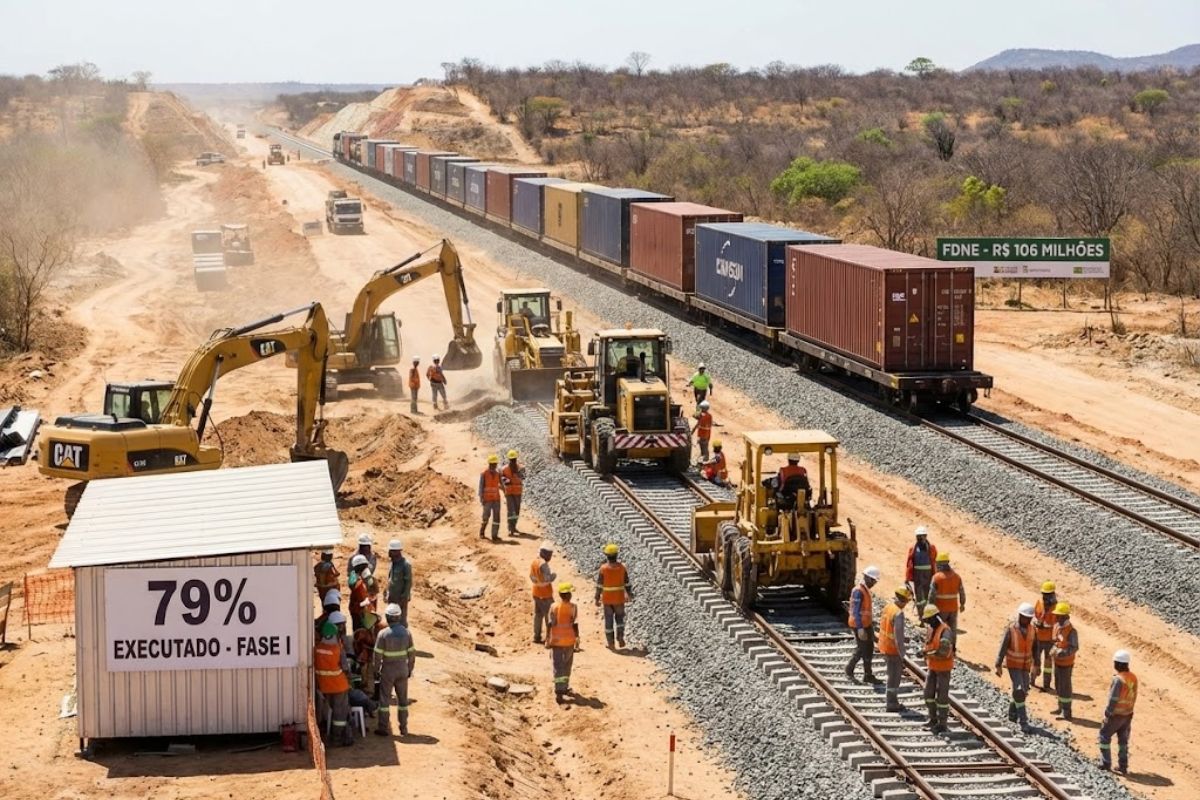
With New Investment of R$ 106 Million Authorized in January 2026, Transnordestina Advances After Years of Standstills, Totaling R$ 1.806 Billion Released, Reaching 79% of Phase I, Connecting Piauí to the Port of Pecém, and Sustaining the Federal Government’s Long-term Logistic Bet in the Northeast
The Transnordestina has regained momentum after a long period marked by financial impasses and contractual delays. The new investment of R$ 106 million from the Northeast Development Fund reinforces the government’s strategy to ensure resource predictability and maintain the pace of works on one of the most important logistic projects in the country.
With Transnordestina achieving 79% physical completion in Phase I, the advancement signals a concrete change in the project’s landscape. The focus now is on consolidating a railway corridor capable of reducing transportation costs, increasing regional competitiveness, and repositioning the Northeast on the national logistic map.
New Investment Unblocks Transnordestina’s Financial Flow

The R$ 106.2 million investment authorized at the beginning of 2026 raises the total already released to R$ 1.806 billion within the additional terms of R$ 3.6 billion established in November 2024.
-
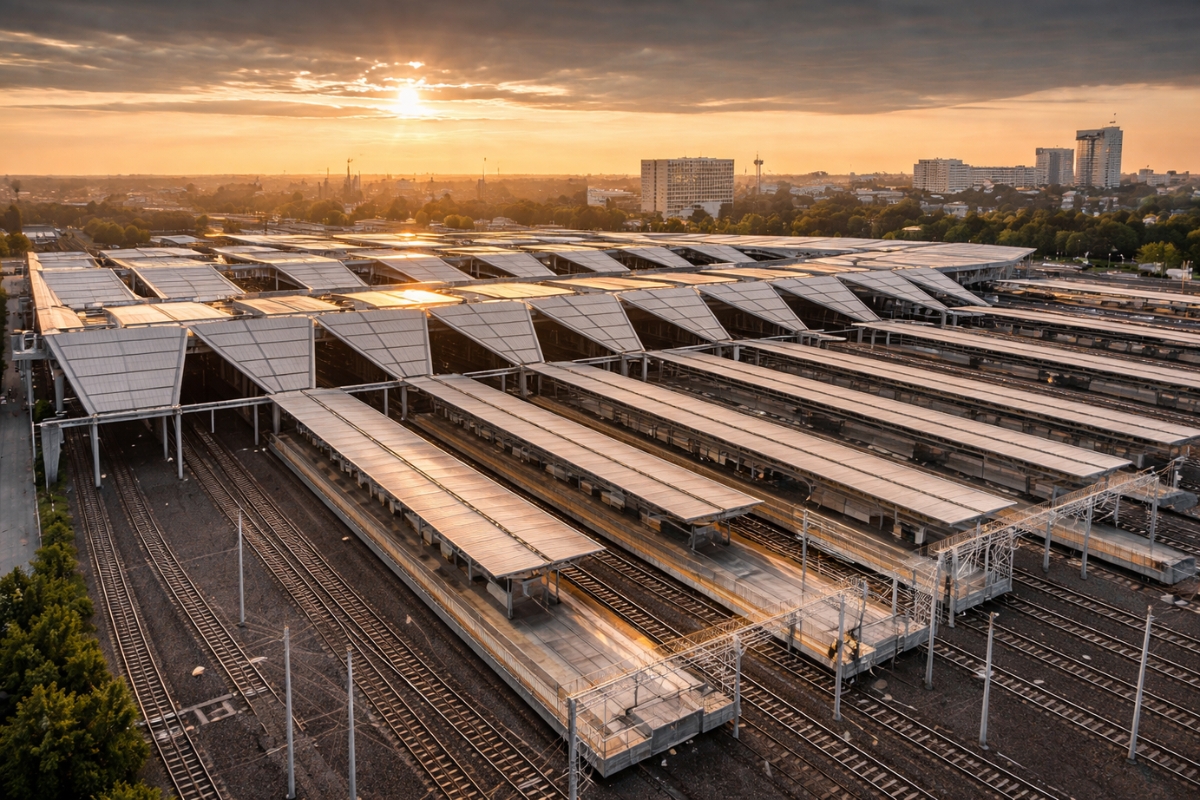
In A European City, The Country’s Largest Railway Junction Was Modernized Without Closing Its Doors, Kept Trains Running During Years Of Construction, Now Serves Up To 60,000 Passengers Per Day, And Installed Solar Panels That Generate About 30% Of Its Energy
-
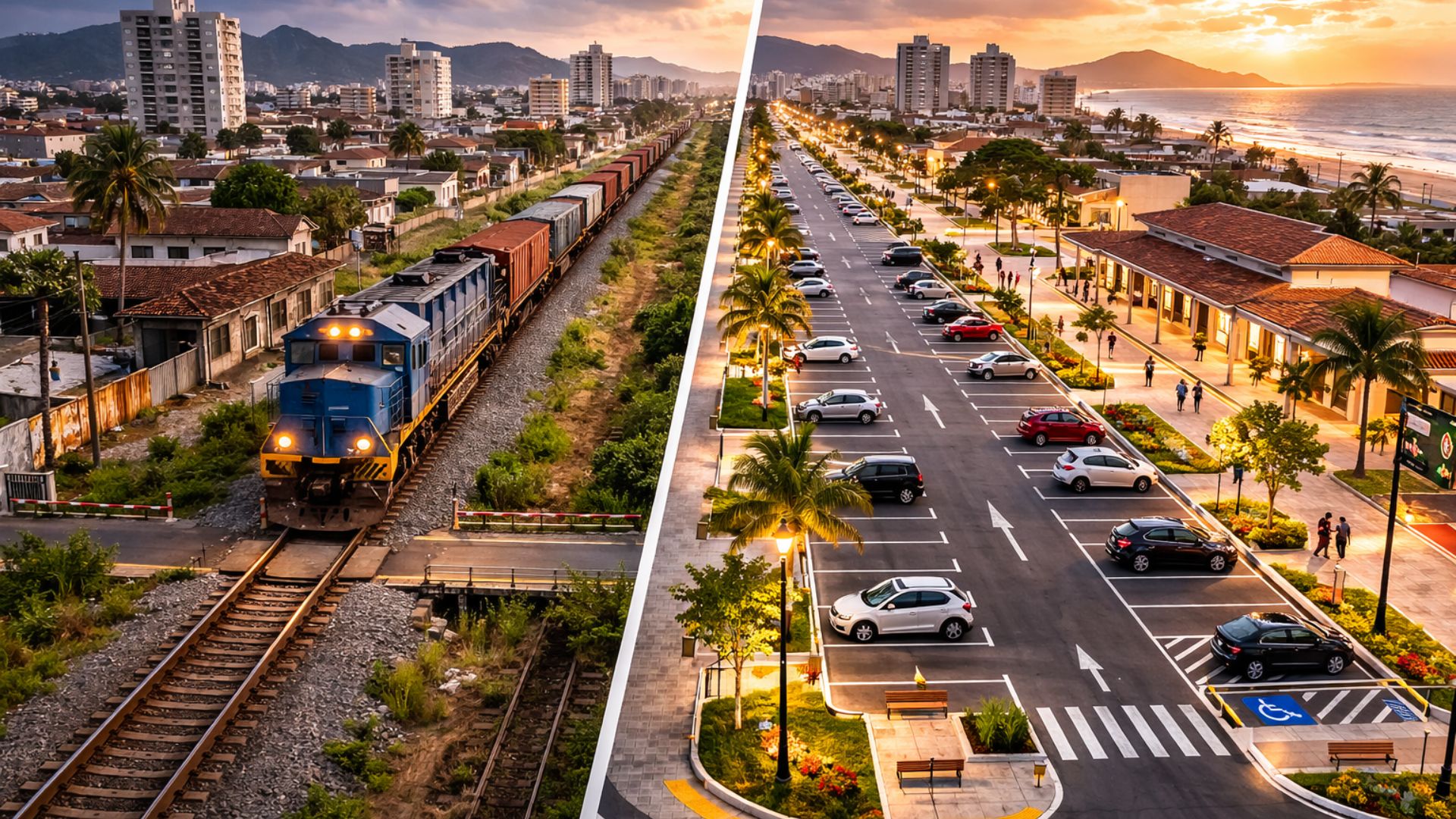
Famous Brazilian Railway May Become a Parking Lot
-
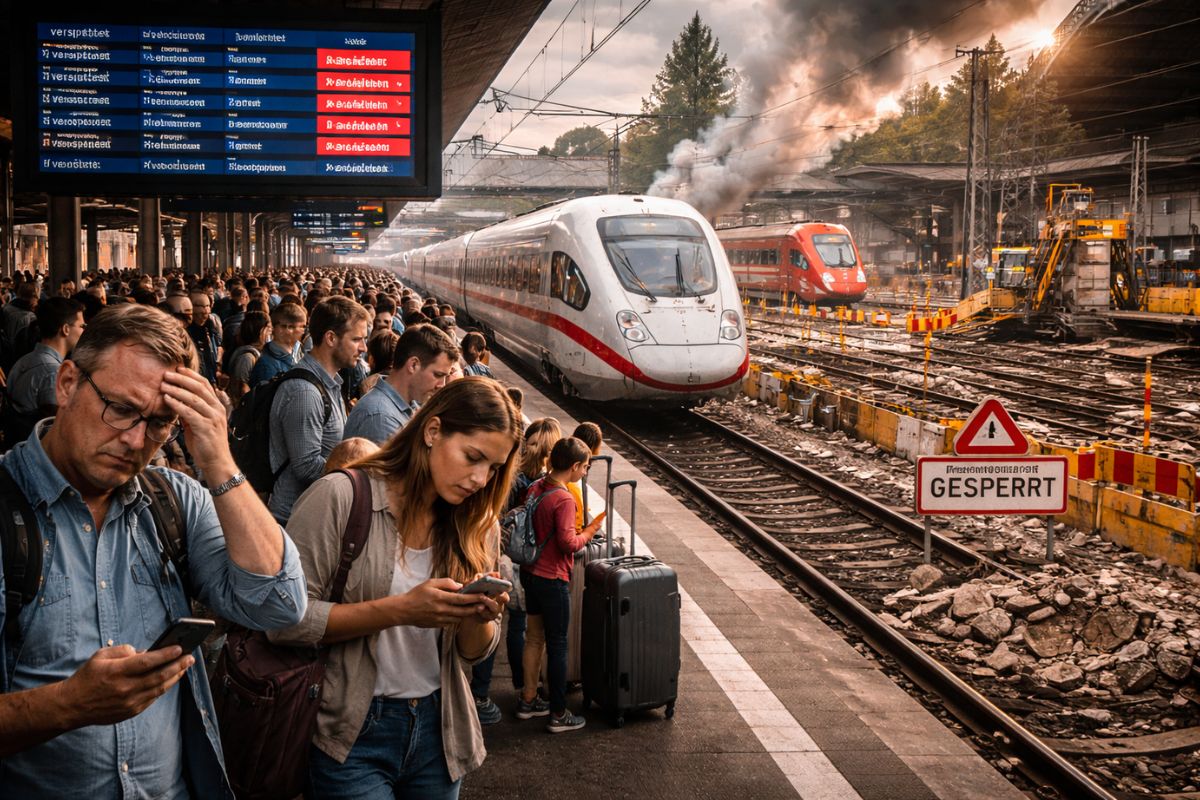
The Country of “Punctual As a Train” Admits It Has Lost Control: High-Speed Trains Delay, Stop, Disappear from the Map and Turn 6-Hour Trips into 10, While Deutsche Bahn Promises Restructuring in 2026 But Faces 19th Century Infrastructure, Staff Shortages and Sections Closed for Months
-
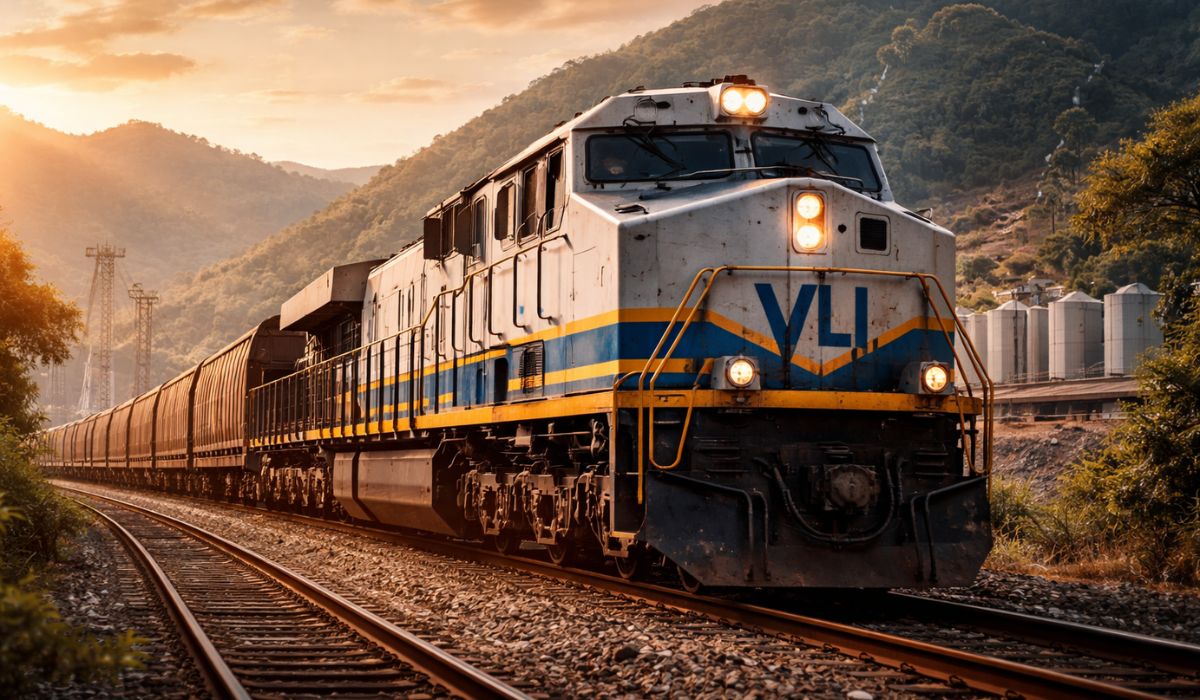
With an Investment of R$ 700 Million in One of the Country’s Main Rail Networks, VLI Reinforces Infrastructure, Receives 8 New Locomotives, and Expands the Corridor Connecting 7 States, Boosting Jobs and the Transportation of Grains, Ore, and Oil Products to the Port of Santos

The established goal is to reach R$ 2 billion in FDNE credit by 2027, following the completion schedule of the first phase of Transnordestina.
This disbursement integrates a broader financial restructuring which foresees around R$ 15 billion in total investments.
Out of this amount, R$ 4.4 billion is being contributed by the National Secretariat of Funds and Financial Instruments, in a model that seeks legal certainty, enhanced governance, and budget predictability.
Phase I Reaches 79% and Reduces Risk of New Delays
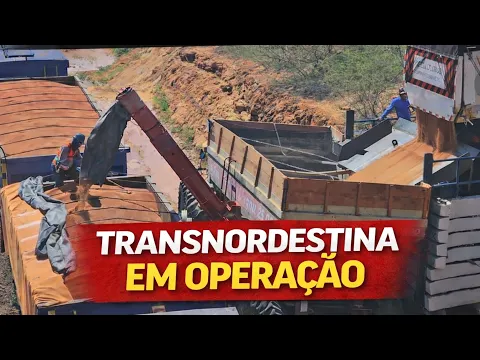

Phase I of Transnordestina comprises 1,206 kilometers of railway, connecting São Miguel do Fidalgo in Piauí to the Port of Pecém in Ceará.
The 79% completion level indicates that most of the heavy infrastructure has already been implemented, with 22 lots currently under active contractual execution.
In December 2025, the project entered the operational testing phase in sections between Piauí and Ceará after the issuance of the Operating License.
This stage assesses the stability of the permanent way, safety systems, signaling, and operational integration, preparing the ground for commercial operation.
Railway Corridor Repositions Northeast Logistics
The Transnordestina was designed to connect grain-producing areas, minerals, and other commodities directly to the Port of Pecém.
The expectation is to reduce dependence on long truck routes, shorten logistical distances, and offer greater predictability in cargo flow.
With the railway, products from the interior of Piauí, Pernambuco, and Ceará are likely to become more competitive, stimulating investments in terminals, distribution centers, and associated production chains.
The expected effect is the internalization of economic development, with direct impacts on municipalities outside the coastal axis.
FDNE and Governance as Pillars of Advancement
The FDNE plays a central role in enabling Transnordestina by offering long-term credit compatible with the maturation cycle of a project of this magnitude.
The collaboration between Sudene, Banco do Nordeste, and the Ministry of Integration ensures continuous physical and financial monitoring.
Among the priority areas considered are the reorganization of contracts, predictable release of resources, and rigorous monitoring of lot performance.
Governance is treated as a strategic element as important as investment in works.
Next Steps and Challenges Until 2027
Despite the progress, Transnordestina still faces significant challenges, such as the completion of pending sections, the consolidation of commercial contracts, and the transition from the testing phase to regular operation.
The full completion of Phase I is still expected by 2027.
The success of the project will depend on maintaining the financial flow, controlling timelines, and the ability to transform constructed infrastructure into effective logistical gains for the regional economy.
In your assessment, will Transnordestina be able to maintain the current pace until the completion of Phase I, or could the history of impasses threaten the schedule again?







-

Uma pessoa reagiu a isso.