





 Português
  Inglês
  Espanhol
  3 min de leitura


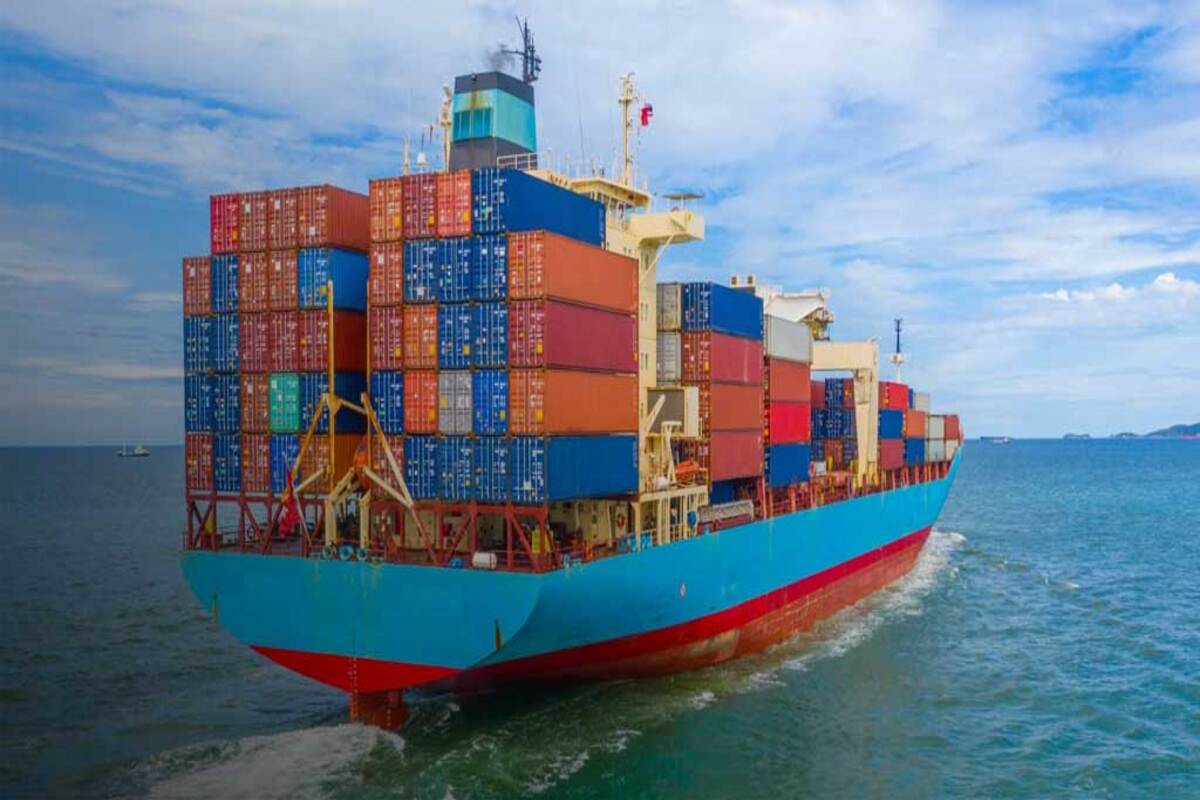
On January 22, the approaching Chinese New Year will begin, which may cause maritime freight to rise even more. This is according to an initial survey by the digital cargo agent Nowports.
Even with the holiday lasting only seven days, it is still common for stoppages to begin a little before it, especially in the land transport sector. Due to this and other factors associated with the Chinese festivities, some factories halt operations for even longer, which consequently impacts all production lines in other parts of the world due to the entire import of inputs and raw materials from the country.
Bruna Horstmann, the head of pricing at Nowports Brazil, explains that this holiday will drastically reduce all ship movements from China to Brazil and vice versa next week. “It means almost two weeks without ships from China to Brazil, our main trading partner, responsible for 45% of our imports in 2022. Blank sailings, that is, the cancellation of a ship’s docking at a designated port, will occur in the coming days, whether small or large. Consequently, the price of freight is expected to rise significantly, as the demand will exceed the supply of space,” Bruna explained.
Bruna believes that around at least 50,000 TEUs will be removed from routes in the coming weeks due to blank sailings or omissions of ports. “I don’t recall such a drastic reduction in space, except in the early months of the pandemic due to the workforce, after all, people were confined and/or sick. Furthermore, even when freight rates hit US$ 25 per container in 2015, it didn’t happen so quickly,” she adds.
-
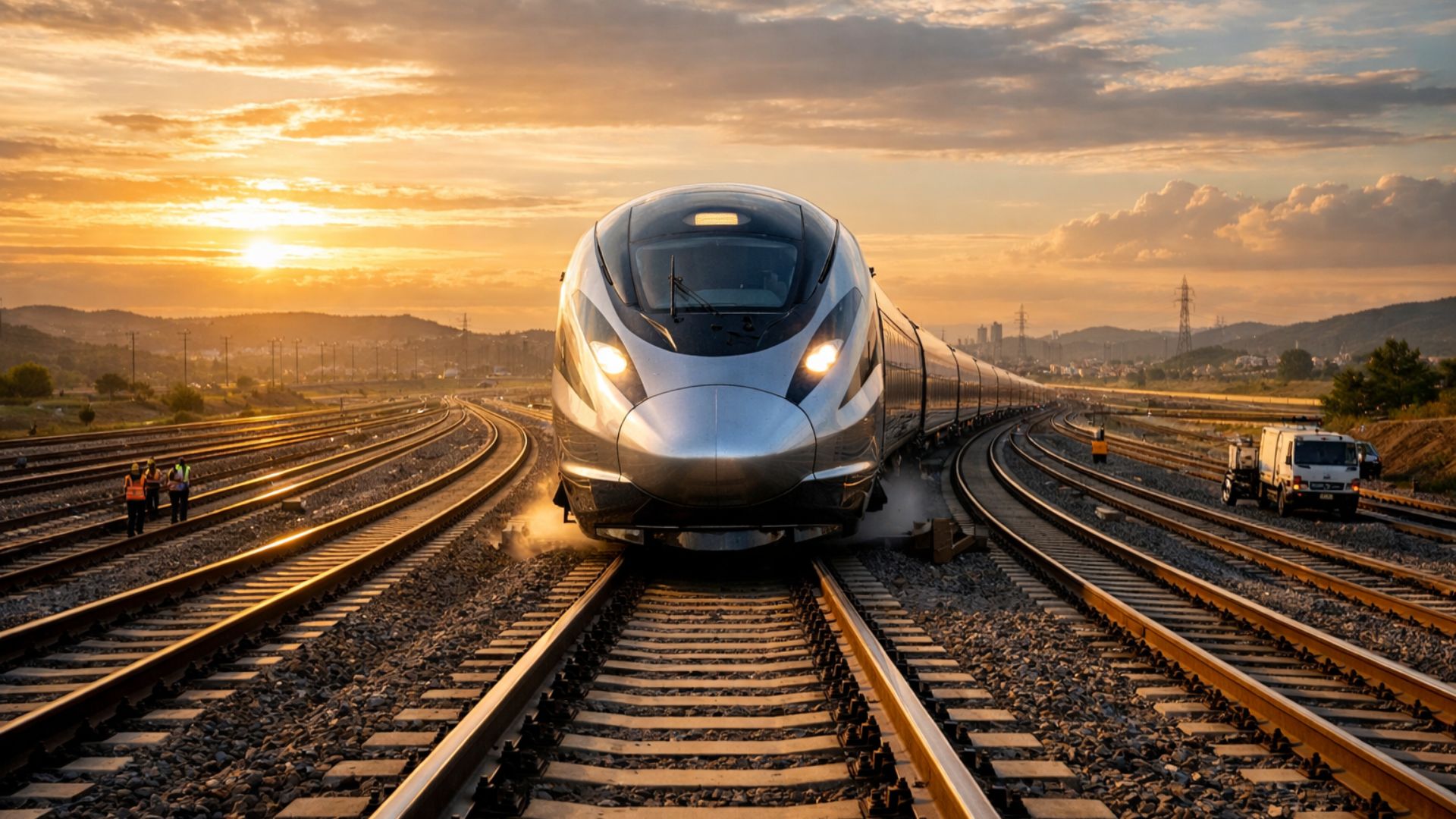
São Paulo surprises the world with a colossal railway network project that promises over 1,000 km of tracks, R$ 194 billion in investments, and 40 projects connecting the capital to the interior with fast and sustainable trains.
-
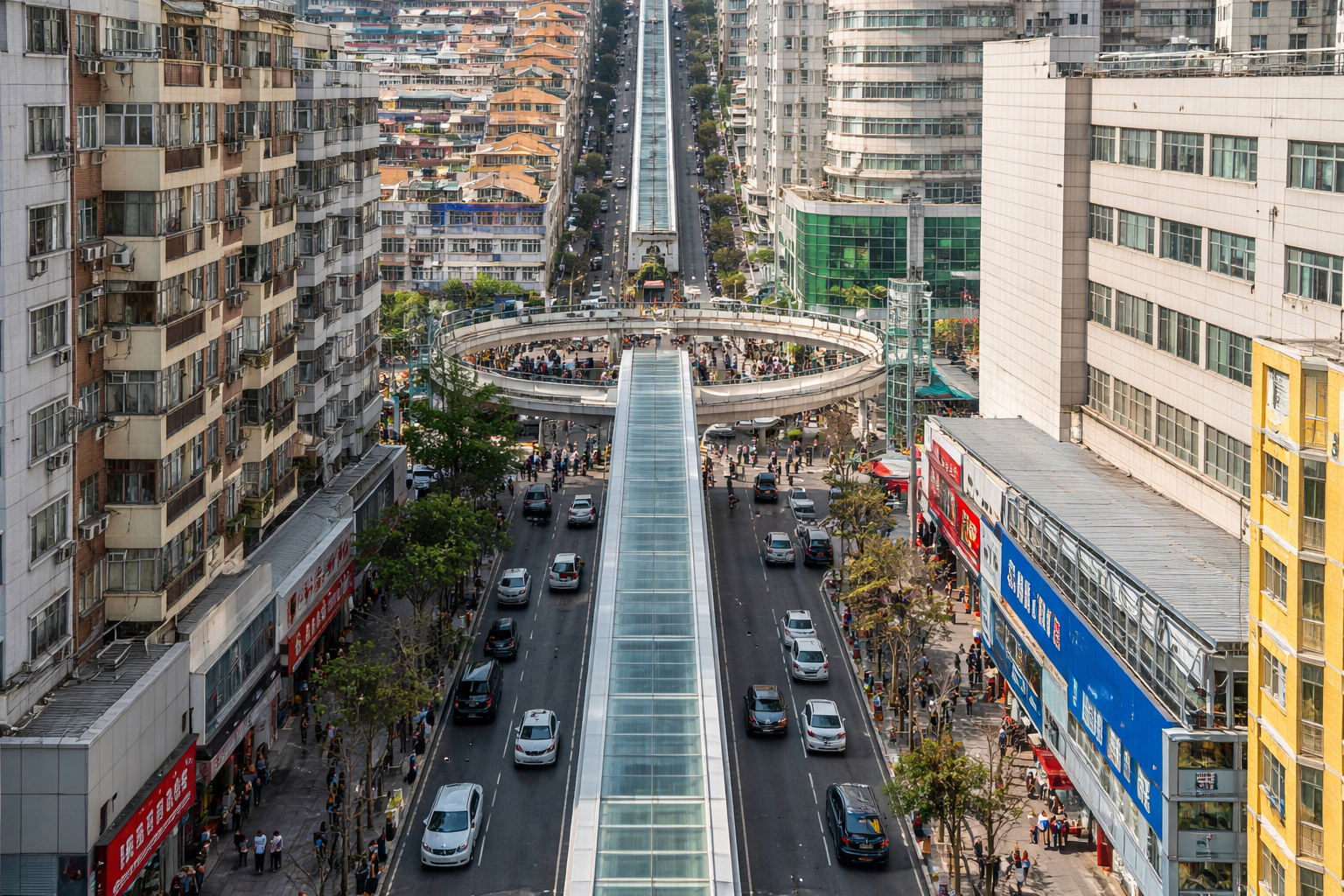
The world’s largest escalator, measuring 905 meters in China, reduces urban travel time from 1 hour to about 20 minutes and transforms mobility in mountainous regions with an engineering solution adapted to the terrain.
-
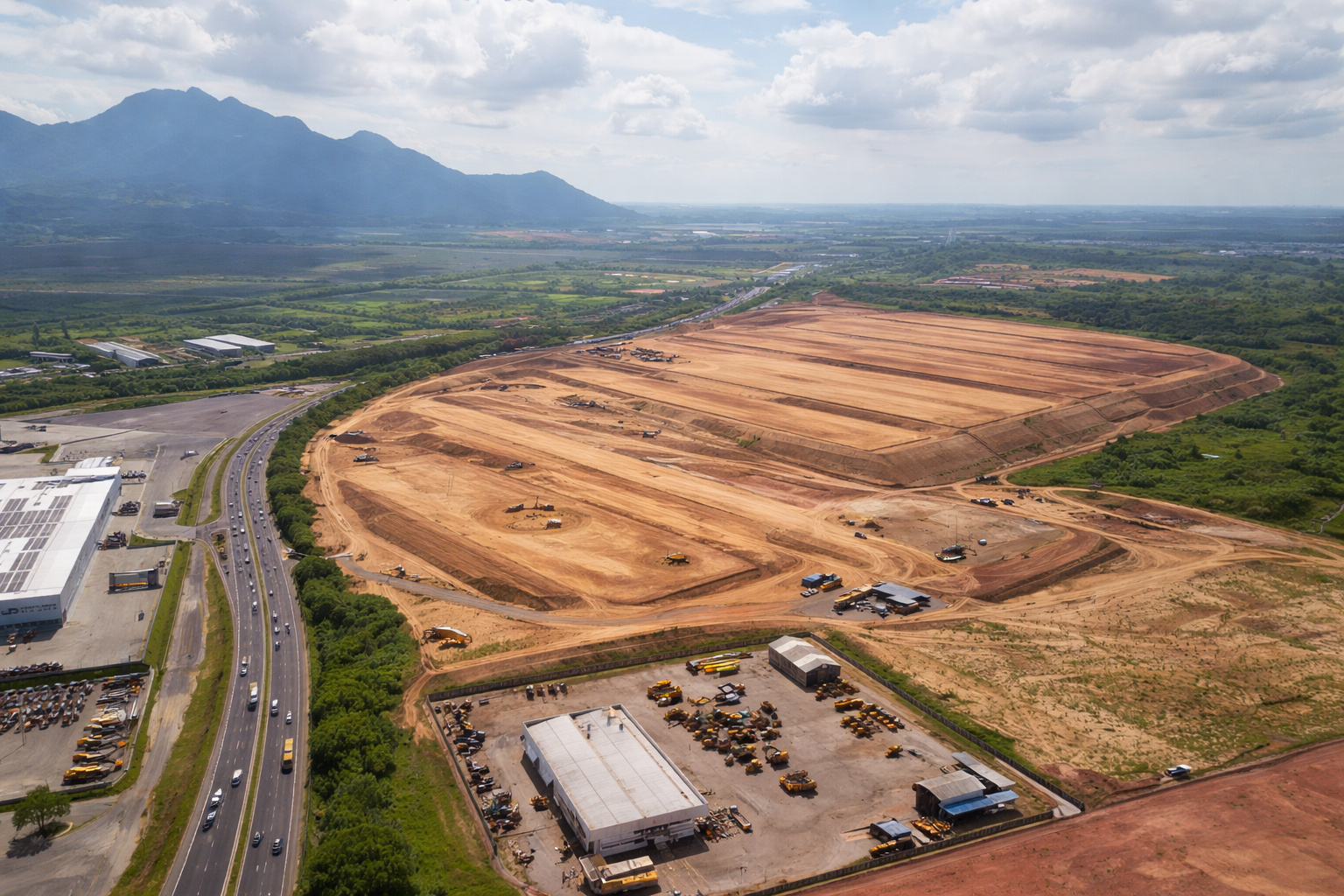
A R$ 300 million logistics giant is taking shape in Serra with over 100,000 m² and raises a question: how can this transform e-commerce and distribution in the state?
-
Could Uber Rides Lose Minimum Fare? Understand What’s Happening!


How Maritime Freight Will Be
Due to the ongoing war between European countries, and also the challenges faced by international organizations and industries around the world, some factors that emerged during the pandemic have repeated themselves, such as difficulties faced in negotiations, product shortages, and even global supply chain logistics.
Thus, maritime freight has only increased due to the consequences that have stood out in the last 3 years. This overload of the port system in some countries, combined with the “container crisis”, and even supply imbalances due to route cancellations and a lack of maritime fleet, have slowed the recovery time of the sector and, thanks to this, reduced the values added to their operations and freight prices.
According to some news portals like TradeMap, the increase in freight was one of the main challenges for 90% of companies with operations in international trade, according to a survey by the National Confederation of Industry (CNI) published in October 2022. Not to mention that the increase in transportation costs was also one of the main problems for 92% of exporters and 95% of importers.









Seja o primeiro a reagir!