





 Portuguese
  English
  Spanish
  3 min of reading
  0 comments


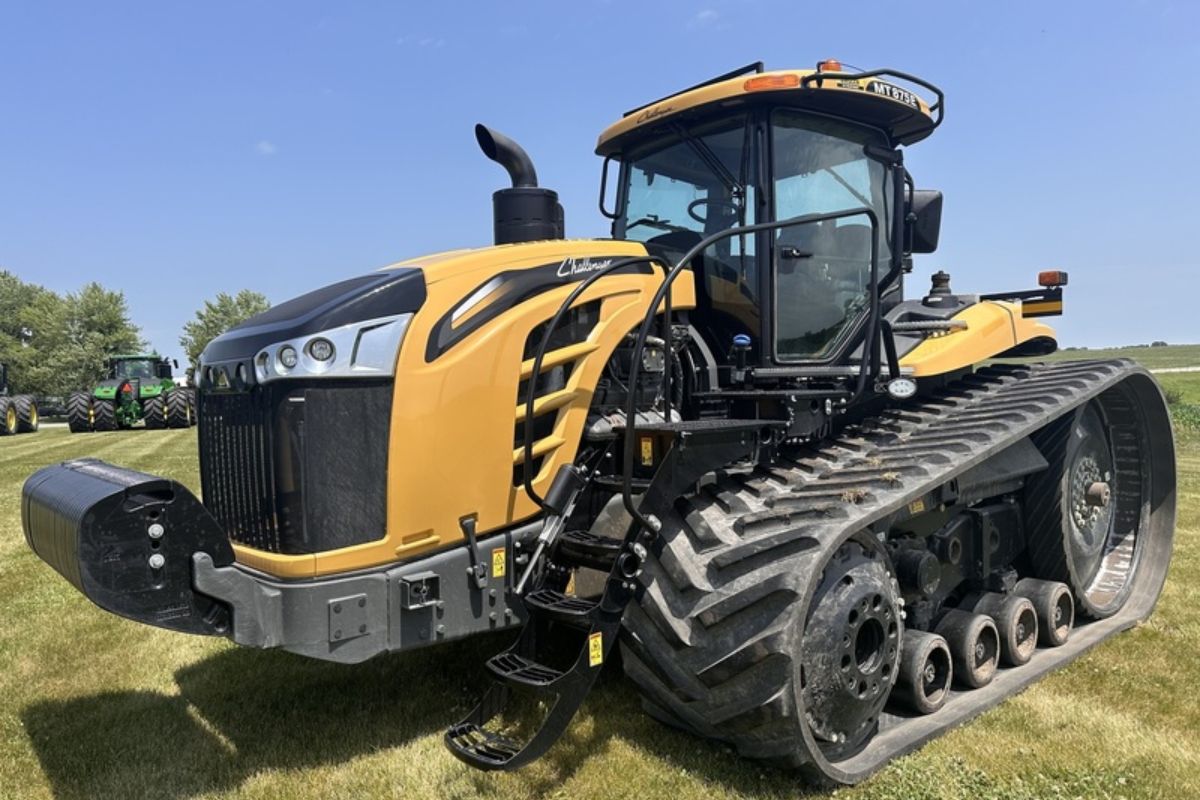
With 600 HP Engine and Wide Tracks, the Challenger MT875E Tractor Dominates Wet Terrain with Stability and Minimal Compaction
The Challenger MT875E is a tracked agricultural tractor with a AGCO Power 16.8-liter engine, built for heavy operations in challenging soils. Designed in the United States and operated globally, it offers superior traction, high torque, and an advanced suspension system that reduces soil impact.
Recognized for its robustness and performance in wet terrain, the Challenger MT875E is used in crops that require constant power without sacrificing soil structure. The model integrates technologies such as 16-speed Powershift transmission, high-flow hydraulic system, and compatibility with factory telematics and auto-steering.
Gross Power and Stability on Any Terrain
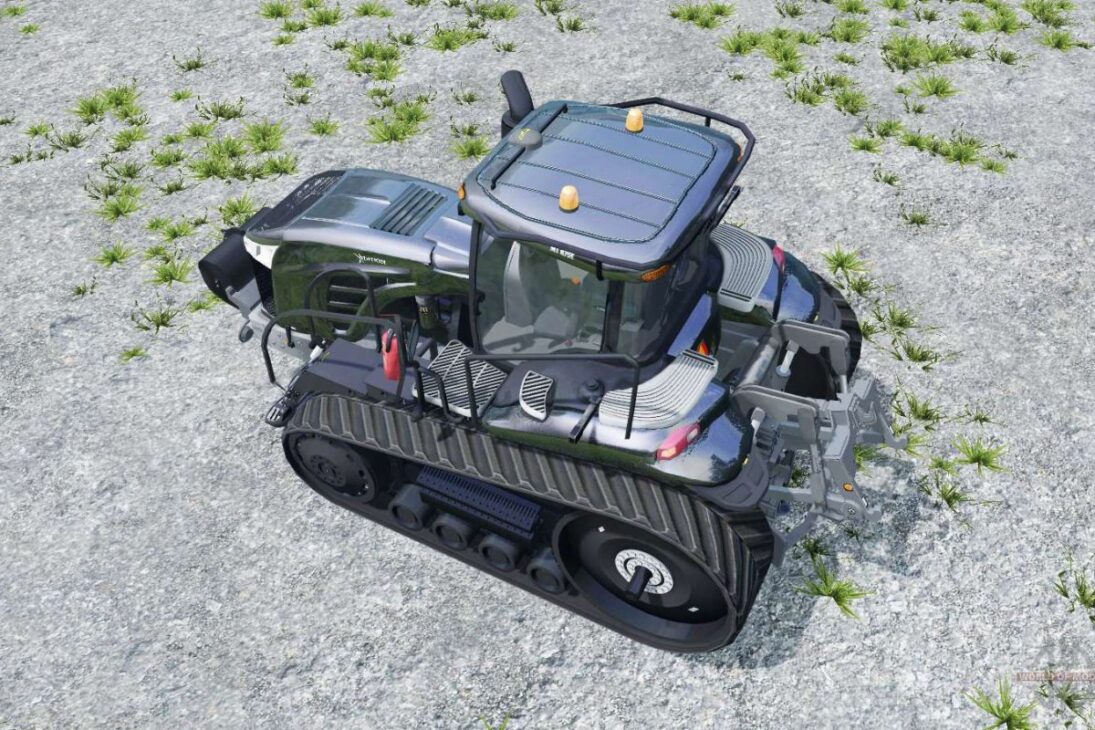
The heart of the Challenger MT875E is the AGCO Power V12 16.8 L engine, capable of delivering up to 637 HP with boost and a peak torque of 2,840 Nm at just 1,500 rpm. This ensures consistent traction even on slopes, mud, or waterlogged fields.
-
The water that almost everyone throws away after cooking potatoes carries nutrients released during the preparation and can be reused to help in the development of plants when used correctly at the base of gardens and pots, at no additional cost and without changing the routine.

-
The sea water temperature rose from 28 to 34 degrees in Santa Catarina and killed up to 90% of the oysters: producers who planted over 1 million seeds lost practically everything and say that if it happens again, production is doomed to end.

-
An Indian tree that grows in the Brazilian Northeast produces an oil capable of acting against more than 200 species of pests and interrupting the insect cycle, gaining ground as a natural alternative in soybean, cotton, and vegetable crops.

-
The rise in oil prices in the Middle East is already affecting Brazilian sugar: mills in the Central-South are seeing their margins shrink just as ethanol gains strength.


With 16-speed Caterpillar Powershift transmission and precise electronic control, the operator maintains complete control over performance. The 91 cm wide tracks distribute weight evenly, preventing excessive compaction and ensuring superior grip, even when the soil is saturated with water.
Robust Hydraulic System and High-Precision Operation
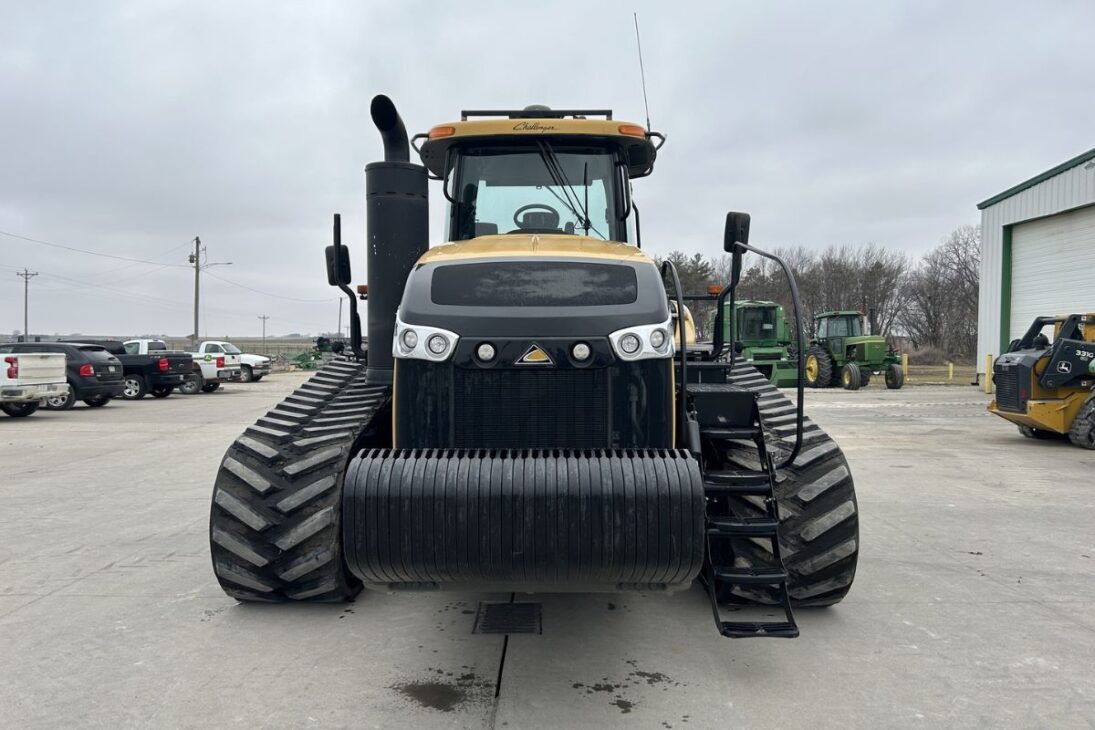
The Challenger MT875E features a closed-center PFC hydraulic system with a standard flow rate of 220 liters per minute, which can reach 322 liters/min in high-performance options. This makes it ideal for large agricultural implements, such as multiple plows, heavy harrows, and high-demand seeders.
The fuel tank capacity of 1,249 liters allows for extended operation without the need for frequent refueling. Additionally, the model includes a DEF tank with 115 liters, complying with Tier 4 Final emissions standards required in the American and European markets.
Built to Last, Designed to Evolve
The Challenger MT875E has an operating weight of over 19 tons, but its intelligent suspension with Marsh-Mellow system and oscillating rollers protects the structure and operator from vibrations. The ergonomic cabin offers comfort and intuitive controls for long hours in the field.
In post-2019 versions, the model now features the Auto-Guide™ for autonomous steering and the Agro-Fuse™ telematics platform, allowing full integration with farm management software and optimizing productivity based on real-time data.
Global Presence and Proven Performance
Produced at the AGCO factory in Jackson, Minnesota (USA), the Challenger MT875E is present in farms across the United States, Europe, and also in Brazil, where the demand for tracked tractors is increasing in flooded areas or sensitive soil regions.
Compared to conventional wheeled tractors, the model delivers more traction with lower environmental impact, being especially useful in soil preparation for crops such as rice, soybeans, and sugarcane in areas with challenging topography or drainage.
Do you believe that tracked tractors like the Challenger MT875E are the future of precision agriculture in wet areas? Or do tire models still have a cost-benefit advantage? Comment below and join the debate.






-

-

-

-

-

-

34 pessoas reagiram a isso.