





 Portuguese
  English
  Spanish
  6 min of reading
  0 comments


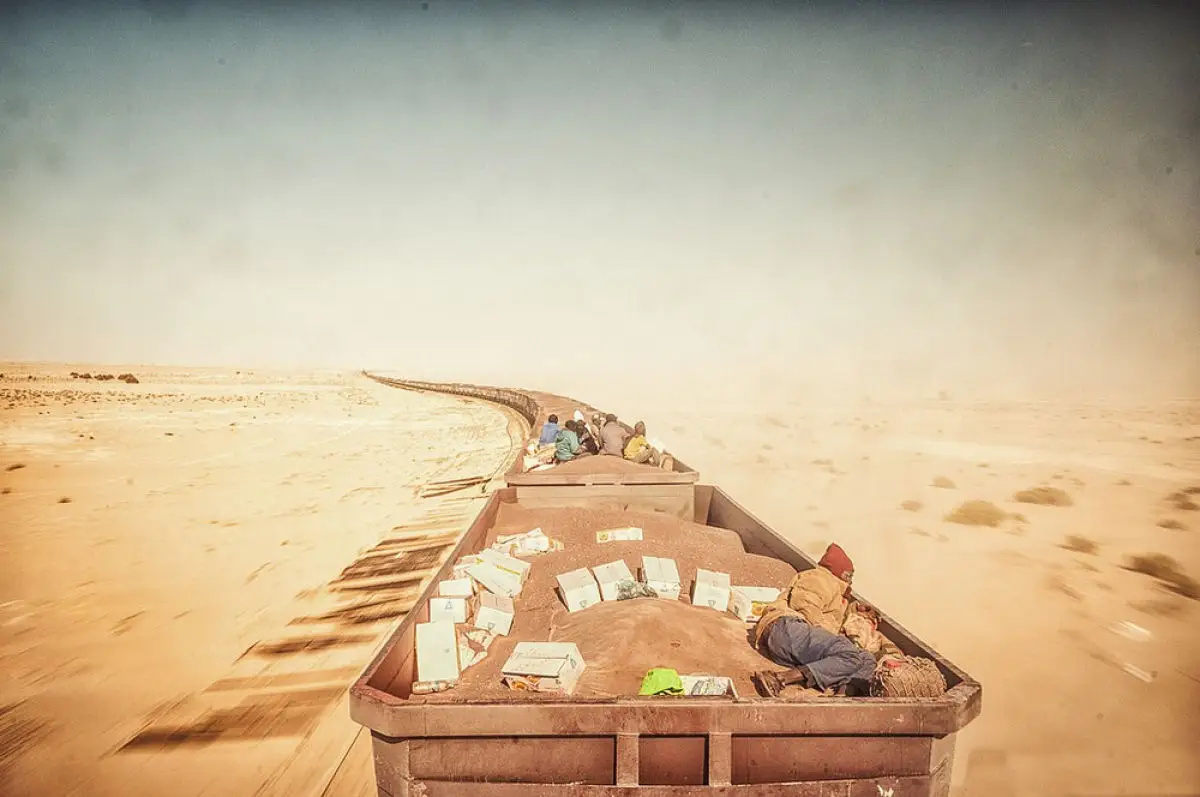
The Incredible Desert Giant: Train Traverses an Almost Endless Route, Facing Sandstorms and Dangerous Territories to Deliver 16.8 Thousand Tons of Iron Ore and Hope to the Most Remote Regions of the World
Imagine a colossal train, traveling through the Sahara Desert on an almost endless 700 km stretch of track, crossing sandstorms, scorching heat, and conflict-marked territories. This is the Mauritania Desert Train, a railway that carries tons of iron ore daily and is vital for the economy of an entire country.
More than just a mode of transport, the Mauritania Desert Train is a feat of resilience and engineering, an iron giant that has become the only link between remote communities and the outside world. But embarking on this journey means facing extreme dangers that few would dare to challenge.
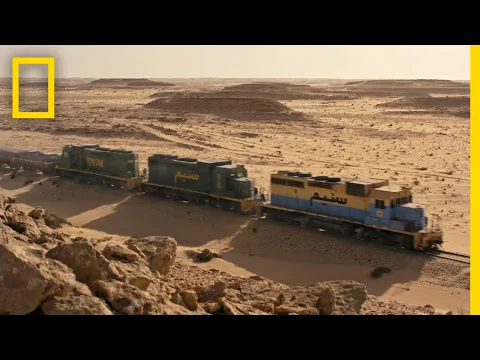

The Dangerous Desert Train in Mauritania, the Most Important in the African Region
In the heart of the Sahara Desert, a gigantic train runs a route of over 700 kilometers, linking the iron mines of Zouérate to the port of Nouadhibou on Mauritania’s Atlantic coast. This train, known as the iron ore train or desert train, besides being one of the longest in the world, is also one of the most crucial for the economy of a country where iron ore is a pillar of the Gross Domestic Product (GDP).
-
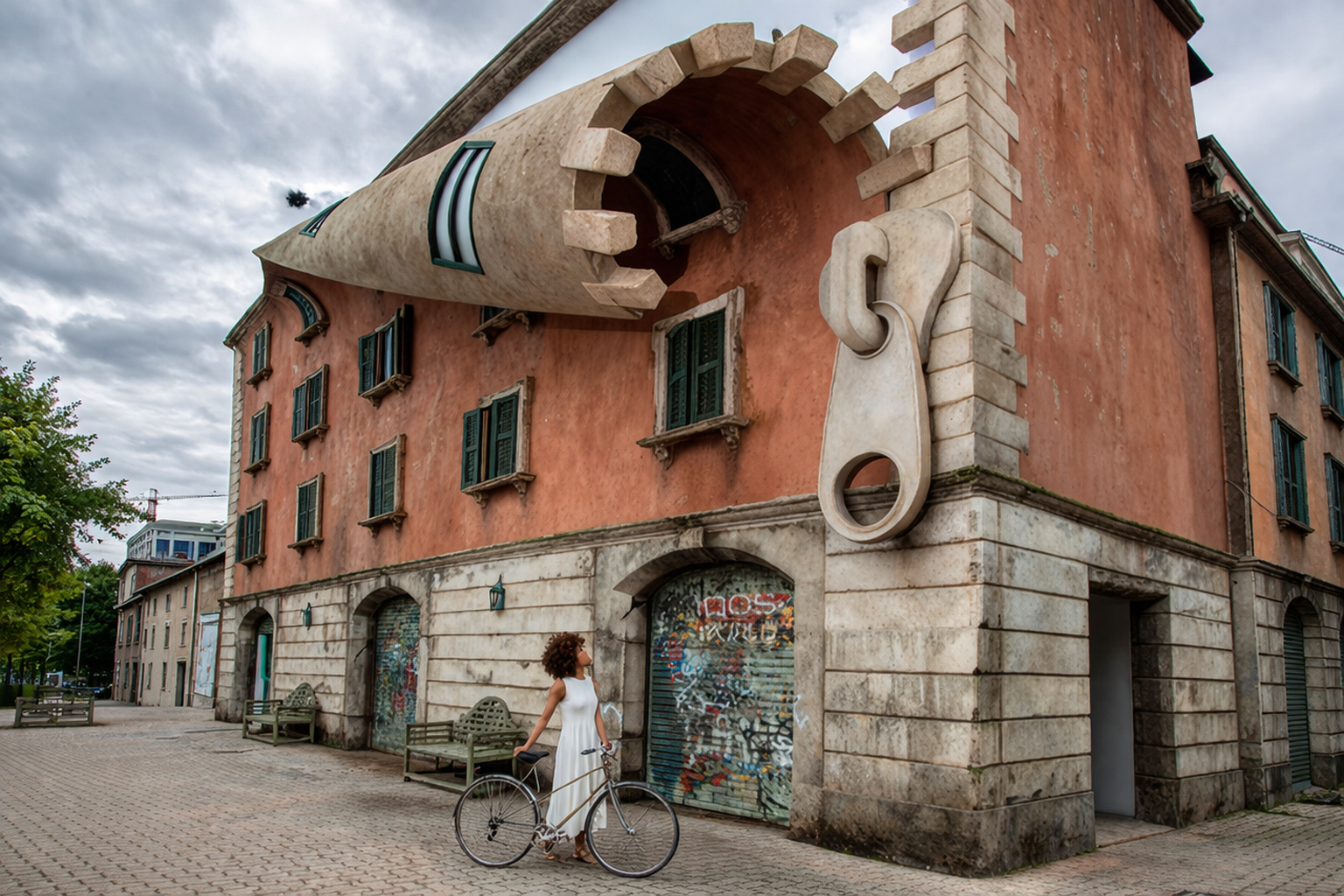
With a façade that resembles a giant zipper, the building in Milan creates a sense of strangeness, featuring lighting that transforms engineering and attracts the attention of residents and tourists.
-
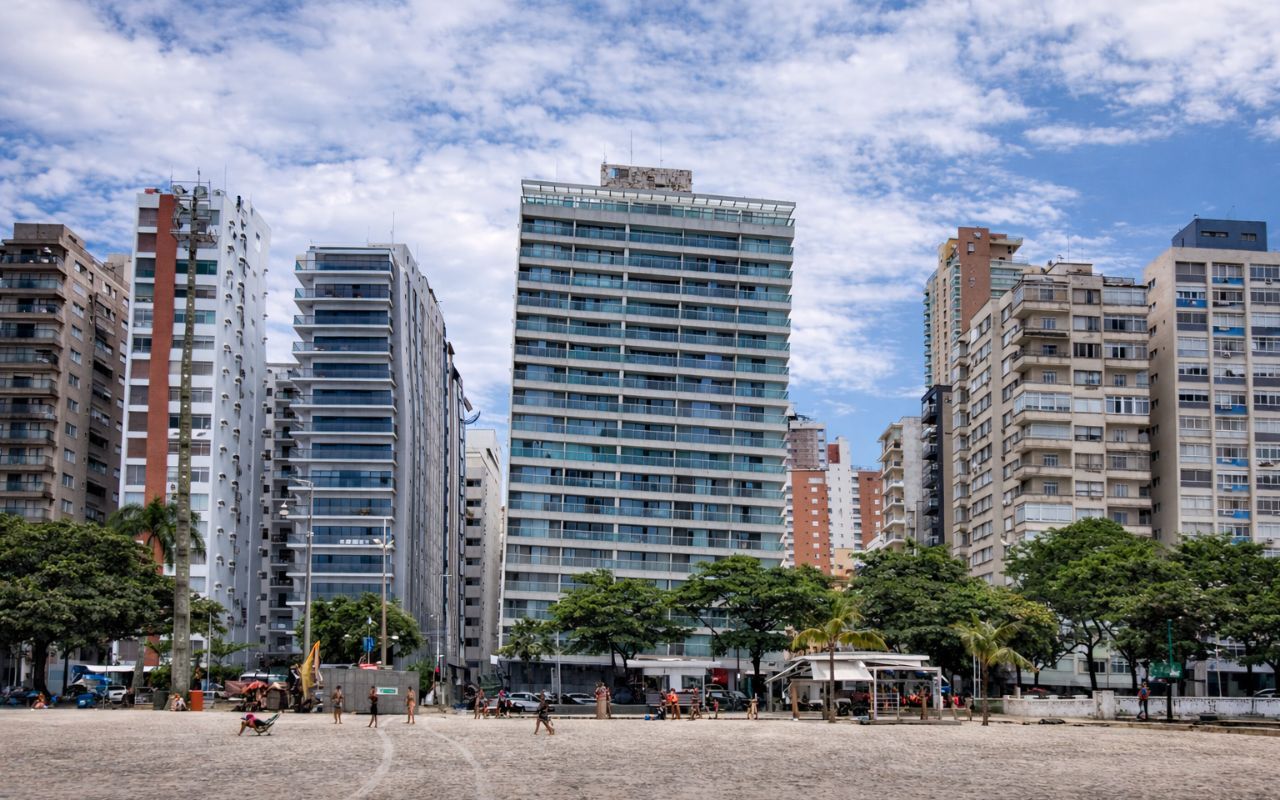
The Brazilian city has 319 crooked buildings built on sandy soil without proper deep foundations, houses the largest beach garden in the world, with over 5 km, and is still considered the birthplace of surfing — meet Santos, in São Paulo.
-
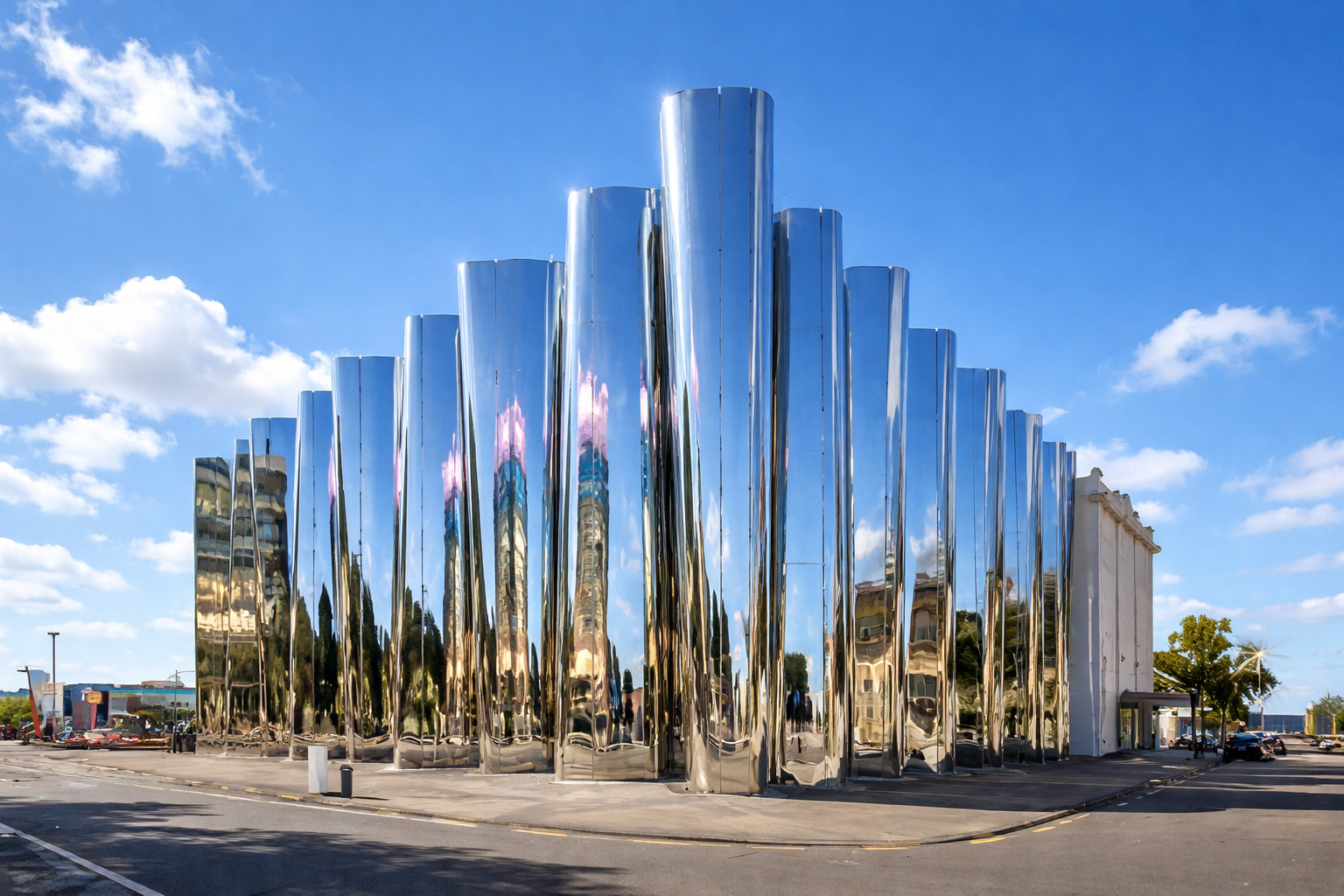
New Zealand builds a shimmering building that vibrates, featuring a 62-seat cinema, moving sculptures, and an environment where sound, light, and energy are felt in the body.
-
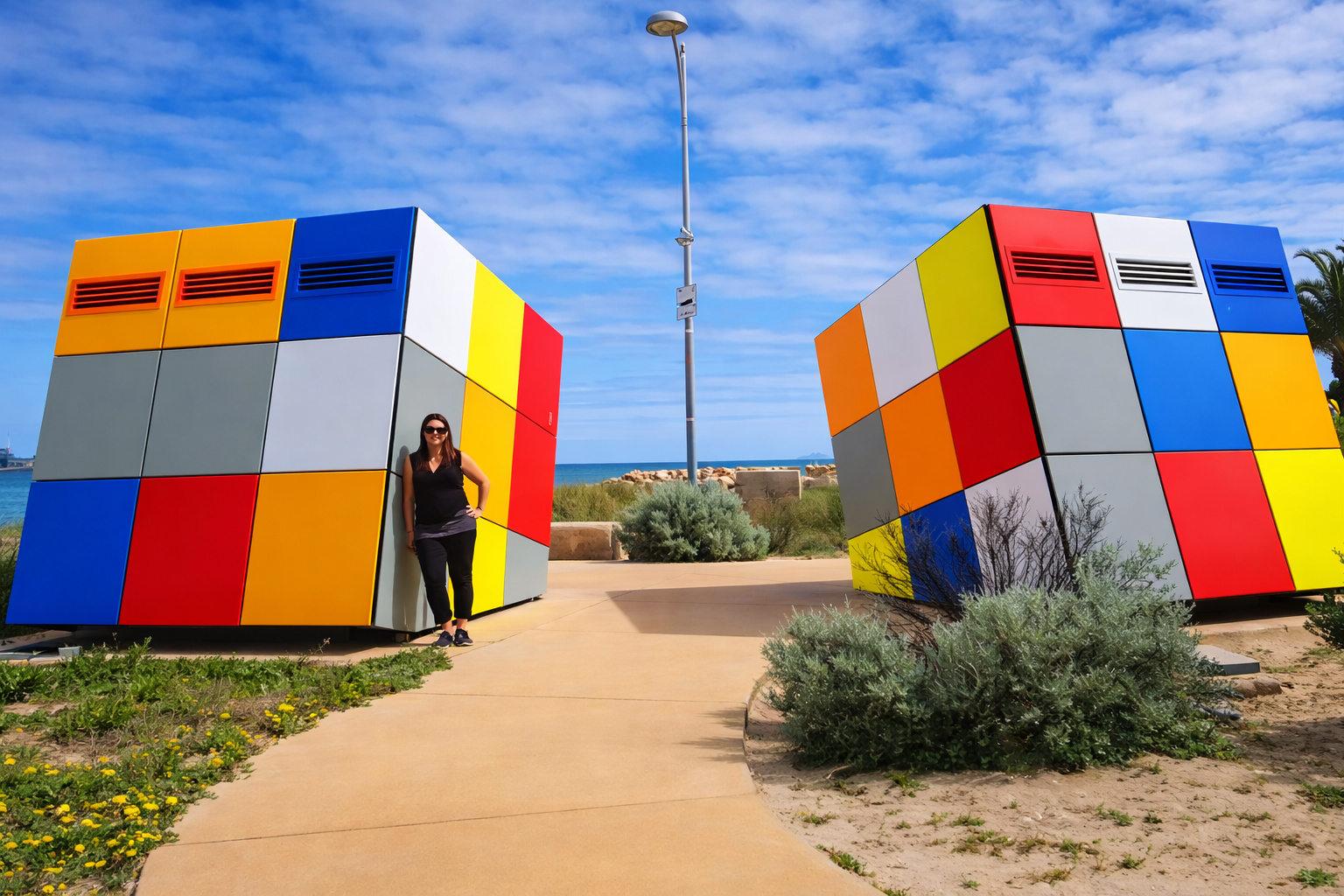
Two colored cubes of 2.5 m transform a public bathroom into a selfie spot in Western Australia, costing up to 75% less than traditional construction and helping to reduce vandalism in public spaces.

Since its inauguration in 1963, it symbolizes resilience and vitality in a region marked by harsh climatic conditions and territorial conflicts.
Origin, Operation, and Characteristics of the Train
The Mauritania Desert Train was created with a clear purpose: to connect the rich iron mines located in Zouérate, a remote city deep in the desert, to the port of Nouadhibou, the country’s main port. This 704-kilometer route is essential for the export of thousands of tons of iron ore, a resource that has driven the economic growth of Mauritania for decades.
Throughout its history, the train has faced various challenges, including the need to reroute to avoid areas controlled by the Polisario Front, a liberation movement in Western Sahara that fights for the region’s independence. Despite these obstacles, the train remains the backbone of mineral resource transportation in the area.
Train Has More Than 200 Cars Carrying Up to 84 Tons of Iron Ore Each
The Mauritania Desert Train is a true engineering marvel. With over 200 cars carrying up to 84 tons of iron ore each, this desert giant stretches 3 kilometers in length. The grandeur of its operation makes it one of the longest and heaviest trains in the world.
Despite its size, the frequency of trips does not follow a fixed schedule, departing only when fully loaded and returning after unloading its cargo at the port. This flexible operation, combined with the extreme conditions of the desert, makes the journey an unpredictable and challenging experience, both for operators and for the few passengers who dare to board.
Train Faces the Extreme Conditions of the Desert: Temperatures Can Exceed 45°C During the Day and Drop Abruptly at Night
The operation of the train has also faced significant challenges, many related to the geography and political tensions in the region. One of the biggest obstacles was the need to divert the original route after the closure of the Choum Tunnel. This closure occurred due to the area being occupied by the Polisario Front. To avoid areas under the control of this group, the route had a diversion of 5 kilometers, crucial for maintaining the train’s operation and, consequently, the export of iron ore, fundamental to the Mauritanian economy.
In addition to political challenges, the train faces the extreme conditions of the desert. Temperatures can exceed 45°C during the day and drop abruptly at night, making the journey exhausting for both the machine and the people. Sandstorms are another recurring problem, which can hinder visibility and damage the train’s operational systems. Even in the face of these adverse conditions, the train remains a vital means of transportation for the country, operating with a resilience that reflects the harsh reality of the environment in which it travels.
Dangers and Risks of the Journey: One of the Most Dangerous Trains in the World
Traveling on the iron ore train is an adventure that carries considerable risks, making it known as one of the most dangerous trains in the world. In addition to the natural dangers of the desert, such as extreme temperatures and sandstorms, passengers must be prepared for the unpredictability of the journey. The train does not have a fixed schedule, and departures depend on the cargo and the day’s conditions, which can prolong the wait and increase difficulties for travelers.
One of the greatest dangers is the risk of theft. Throughout its history, the train has been targeted by attacks, adding an extra layer of insecurity for those who venture aboard. Additionally, the lack of basic amenities, such as bathrooms in most cars, and the fact that many passengers travel atop the iron ore load, exposed to the elements, makes the journey a physically exhausting and dangerous experience. For many locals, however, the train is the only affordable transportation option, and they face these risks in exchange for the mobility it offers.
Impact of the Train Transporting Thousands of Tons of Iron Ore on Mauritania’s Economy and Society
The iron ore train is an engineering feat that has become a fundamental pillar of Mauritania’s economy. Iron ore, transported from the mines of Zouérate to the port of Nouadhibou, represents a very important part of the country’s Gross Domestic Product (GDP). In fact, the export of this resource is one of the main drivers of the Mauritanian economy, providing essential revenue in a country facing various economic challenges.
The Société Nationale Industrielle et Minière (SNIM), which operates the train, is one of the largest companies in the country and a source of employment for hundreds of people. The revenues generated by the export of iron ore enable Mauritania to sustain its economy and fund development projects in other areas. However, this dependence on iron ore also exposes Mauritania to fluctuations in international mineral prices, which can affect the country’s economic stability. Being the exclusive means of transporting this resource to the port, the train plays an irreplaceable role in this economic chain.
In addition to its economic impact, the desert train has a deep connection with local communities, especially with the Bedouins who inhabit the areas near the tracks. These nomadic groups, who traditionally traverse the desert, find in the train a source of interaction and coexistence. Some Bedouin camps have been established near the tracks, taking advantage of the train’s proximity to access goods and services that would be inaccessible in the vastness of the Sahara.
Moreover, other communities also use it, not only to move around but also to transport goods and cattle. For them, the train is more than just a means of transportation; it is a vital link to the rest of the country. Despite the difficulties and dangers associated with the journey, the train offers local communities an invaluable connection to the outside world, allowing the flow of products, culture, and people in a region where mobility is a constant challenge.




Seja o primeiro a reagir!