





 Portuguese
  English
  Spanish
  4 min of reading
  0 comments


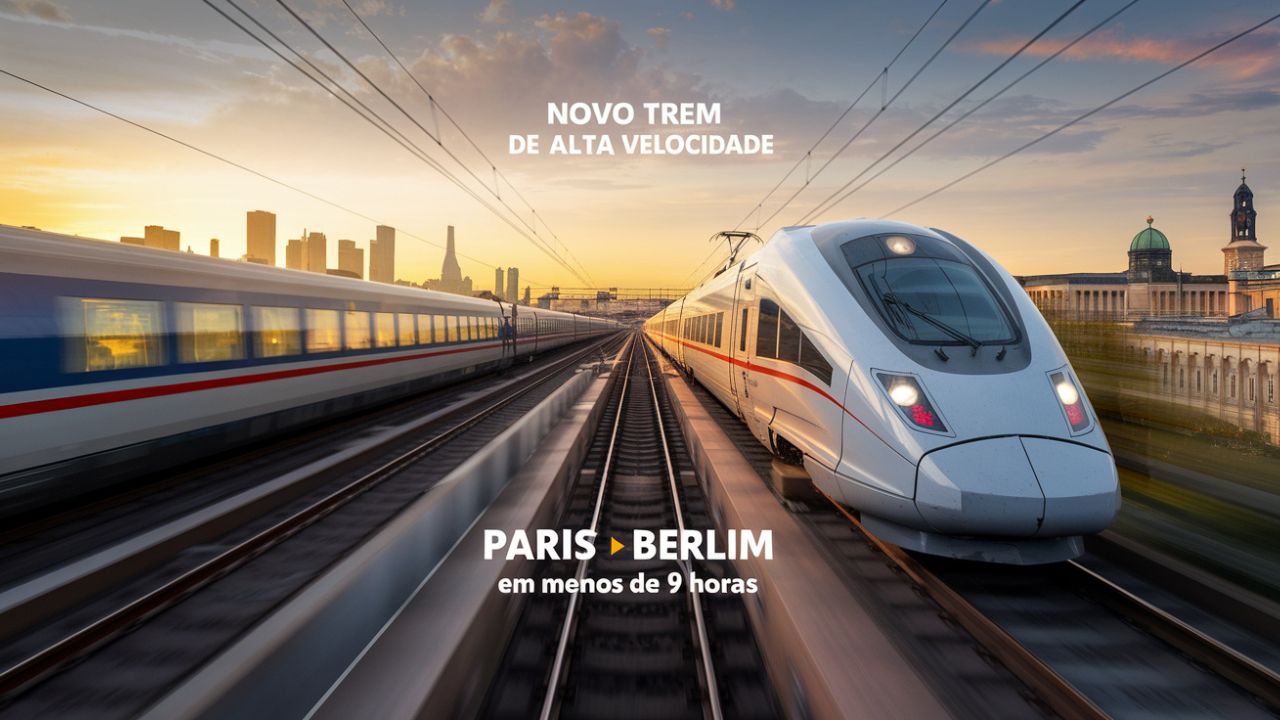
With tickets starting at 59 euros, the new high-speed train connects two of the largest capitals in Europe, crossing 5 strategic cities on a sustainable and comfortable trajectory that can change the way of traveling in Europe.
If you have always wanted to visit Paris and Berlin on a single trip, now is the perfect time. For the first time in history, a high-speed train has begun to connect the two European capitals, offering a fast, comfortable, and sustainable option. This novelty is a milestone in the European Union’s quest for greener alternatives in a continent dominated by fast but polluting flights.
The route was officially inaugurated with the departure of the first train this Monday. It left Paris at 09:55 and arrived in Berlin at 18:03. Sounds like a long time? Not really, considering that the journey passes through several important cities in France and Germany, such as Strasbourg, Karlsruhe, and Frankfurt.
A New Historical Route Between Two Great European Capitals
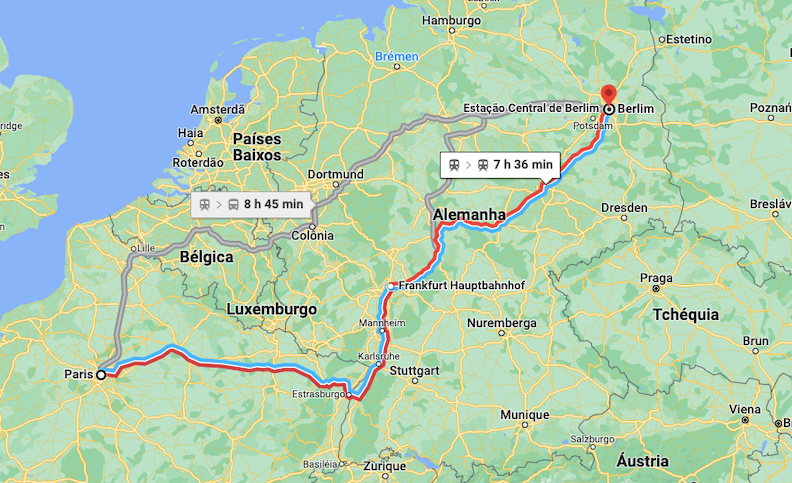
The connection between Paris and Berlin is now a reality, thanks to the German ICE high-speed trains, known for their efficiency and performance. The route also includes strategic stops in important cities of both countries, facilitating the movement of thousands of passengers.
-
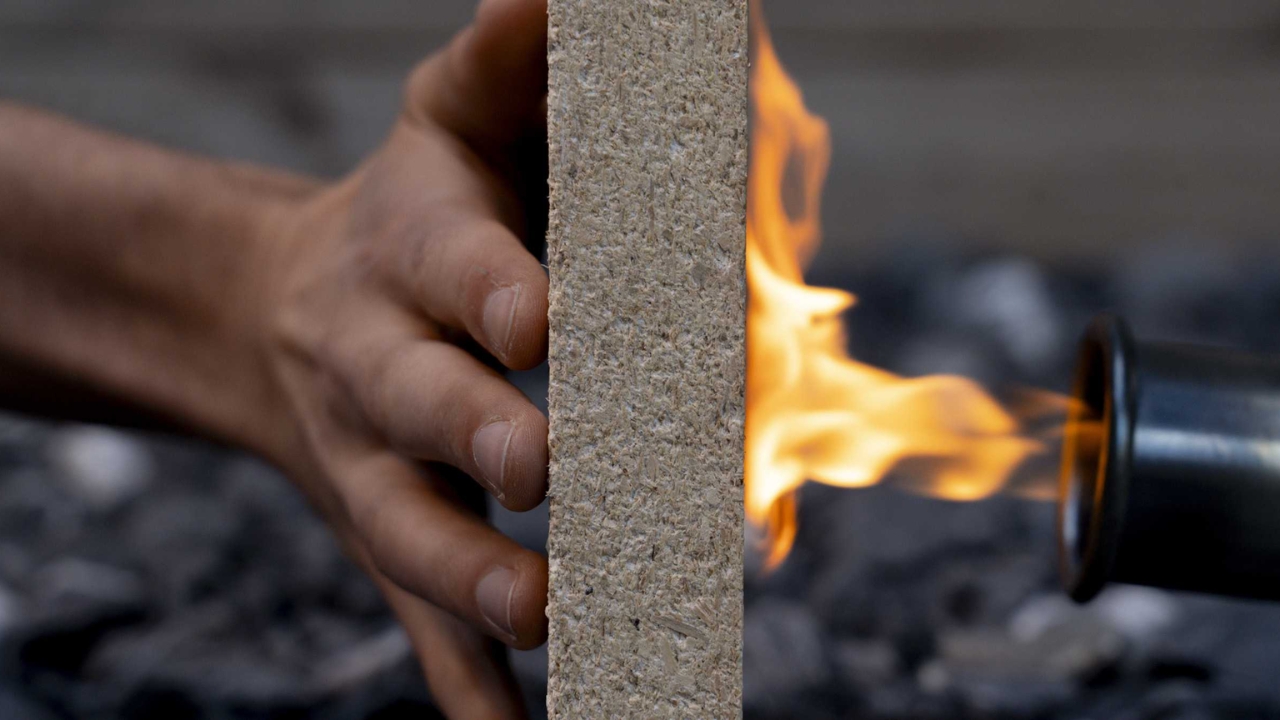
Scientists transform sawdust into fire-resistant panels, stabilize the compound with an enzyme extracted from watermelon seeds, and turn waste into promising material for construction.
-
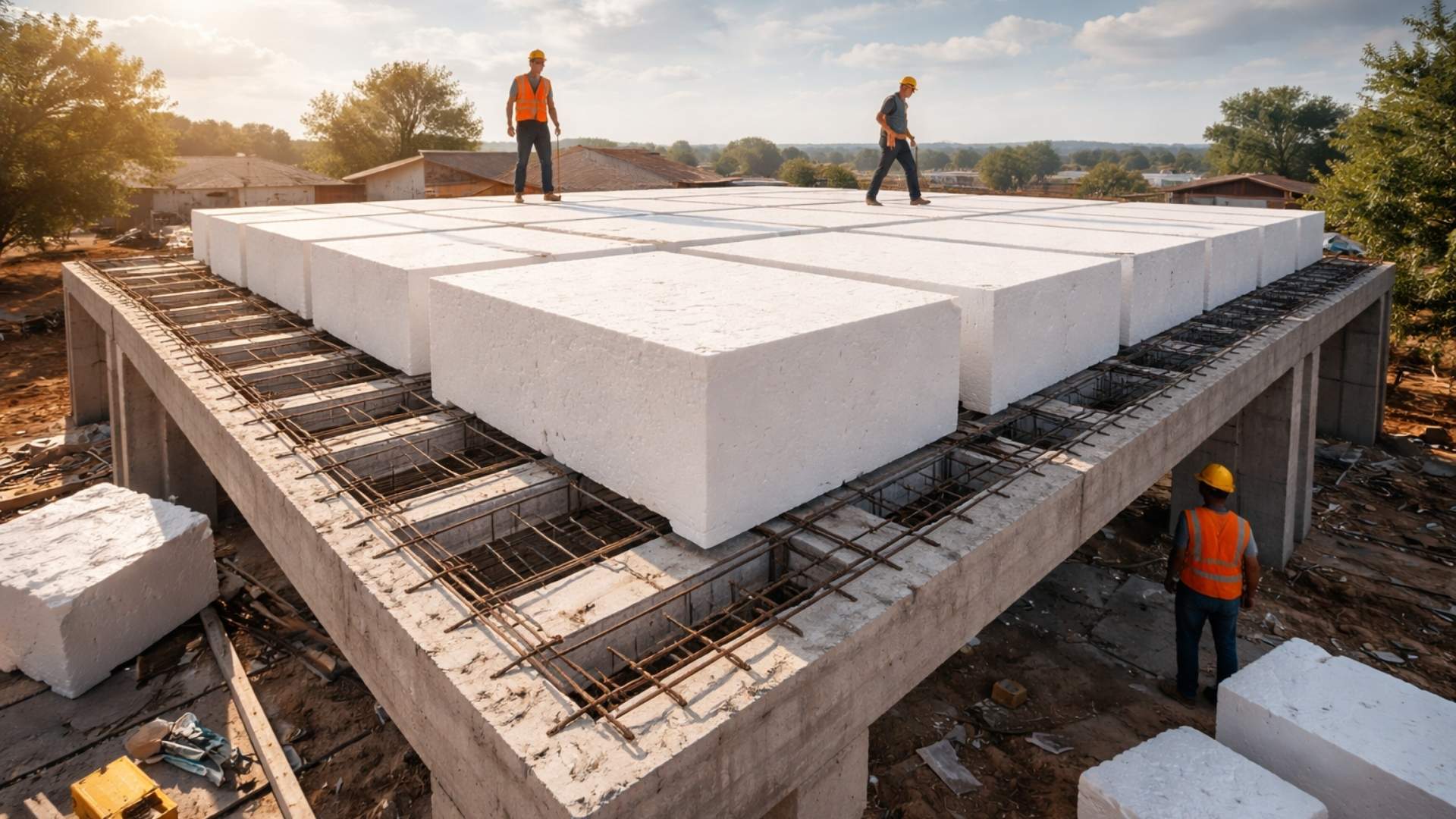
Forget concrete: architects are replacing tons of concrete with giant blocks of expanded polystyrene to build the roofs of houses and reduce structural weight by up to 50%, cut costs, improve thermal insulation, and speed up construction.
-
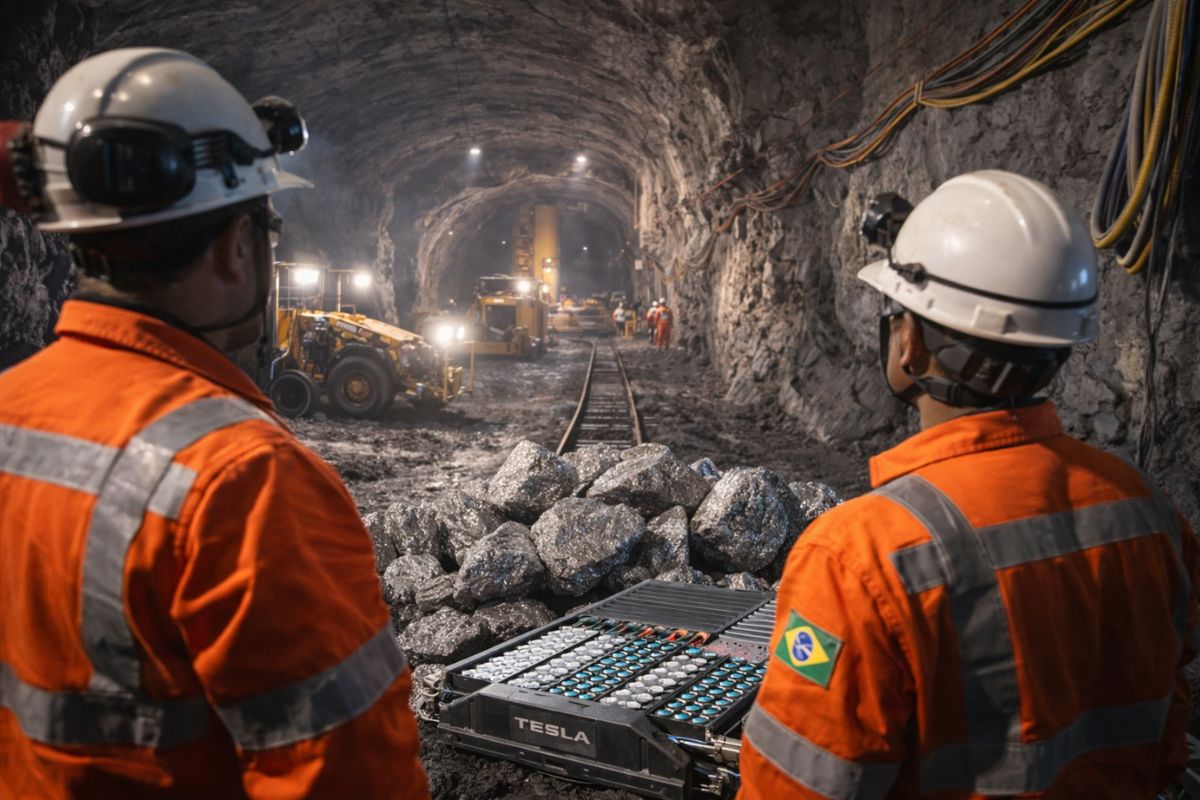
The Brazilian state enters the center of the global race for critical minerals by starting the construction of the largest underground nickel mine in Latin America, a mineral essential for electric car batteries that the entire world is competing for at this moment.
-
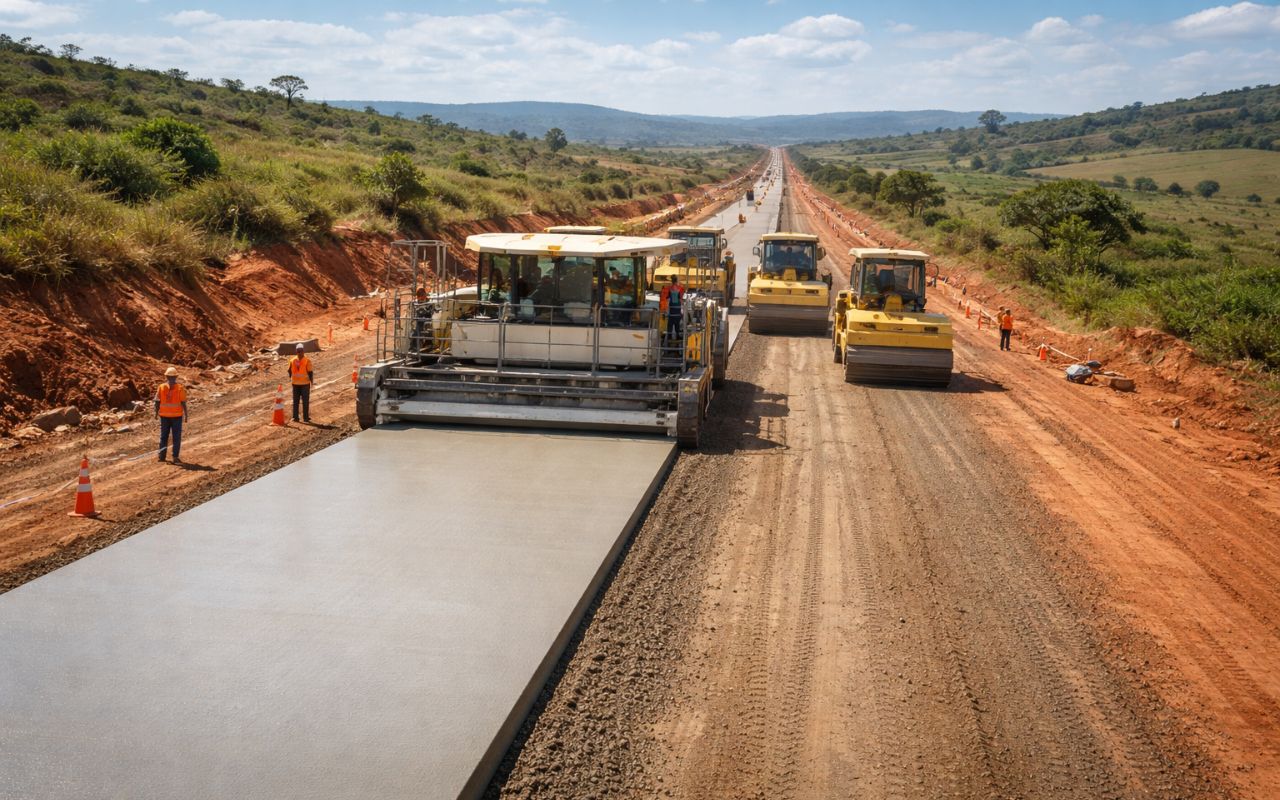
New CCR concrete paving technology promises roads up to 3x more durable, less maintenance, and cost reduction in Brazil.

The schedules are convenient: a train departs from Paris in the morning and arrives in Berlin in the late afternoon, while another leaves the German capital near noon and reaches Paris in the early evening. This allows for business, leisure, or tourism trips without having to deal with airport lines or common flight delays.
High-Speed Train: The European Union’s Bet for a Sustainable Future
The European Union has an ambitious plan: to expand high-speed rail traffic by 2030 and triple it by 2050. This commitment aims to reduce dependence on airlines and decrease pollutant gas emissions. To achieve these numbers, the EU intends to expand its lines to 20,000 kilometers in length by 2050.
Currently, there are about 11,300 km of high-speed lines on the continent. Projects like the Paris-Berlin train are essential for this growth. Significant investments will be needed to standardize signaling systems and ensure efficiency between different countries. Technology and Infrastructure: What Makes High-Speed Trains Efficient?
The German ICE trains used on this route are not only fast but also exemplary in terms of technology and comfort. Equipped with modern suspension and signaling systems, they ensure profitable and quiet journeys, even at high speeds.
These trains come with onboard Wi-Fi, ergonomic seating, and ample luggage space. These details make the passenger experience more pleasant, especially on long journeys like this one.
Affordable Prices and Comfort for All Travelers
One of the major advantages of this new route is the affordable cost. Fares start at 59.99 euros (approximately R$ 379) for second class and 69.99 euros (around R$ 443) for first class.
With competitively priced tickets, the train becomes a viable alternative for those looking to save time and money. There are meal and snack options onboard, ensuring a pleasant experience throughout the journey.
Economic and Environmental Impact: Why This Connection is a Game-Changer?
Traveling by high-speed train between Paris and Berlin is not just a matter of practicality, but also sustainability. While airplanes emit large amounts of CO2, trains are considered one of the most eco-friendly transportation options.
By choosing trains over flights, passengers help significantly reduce pollutant gas emissions. The increase in tourism and trade between the two capitals is expected to contribute to local economies.
For the European rail network to function at maximum efficiency, a standardization effort is required. Several countries use varied signaling systems, which can hinder route integration. Projects like Paris-Berlin help to identify and overcome these challenges.
The Onboard Experience: What to Expect When Traveling Between Paris and Berlin?
In addition to speed and efficiency, high-speed trains offer plenty of comfort. Passengers can enjoy their time resting, working, or even admiring the stunning landscapes passing by the windows. It is a journey that is literally worth enjoying from start to finish.
The high-speed train between Paris and Berlin is much more than just a simple connection: it is a symbol of the sustainable future that Europe is pursuing. Fast, comfortable, and accessible, it is already presented as the best option for those looking to unite these two iconic capitals.







Seja o primeiro a reagir!