





 Portuguese
  English
  Spanish
  6 min of reading
  1 comment


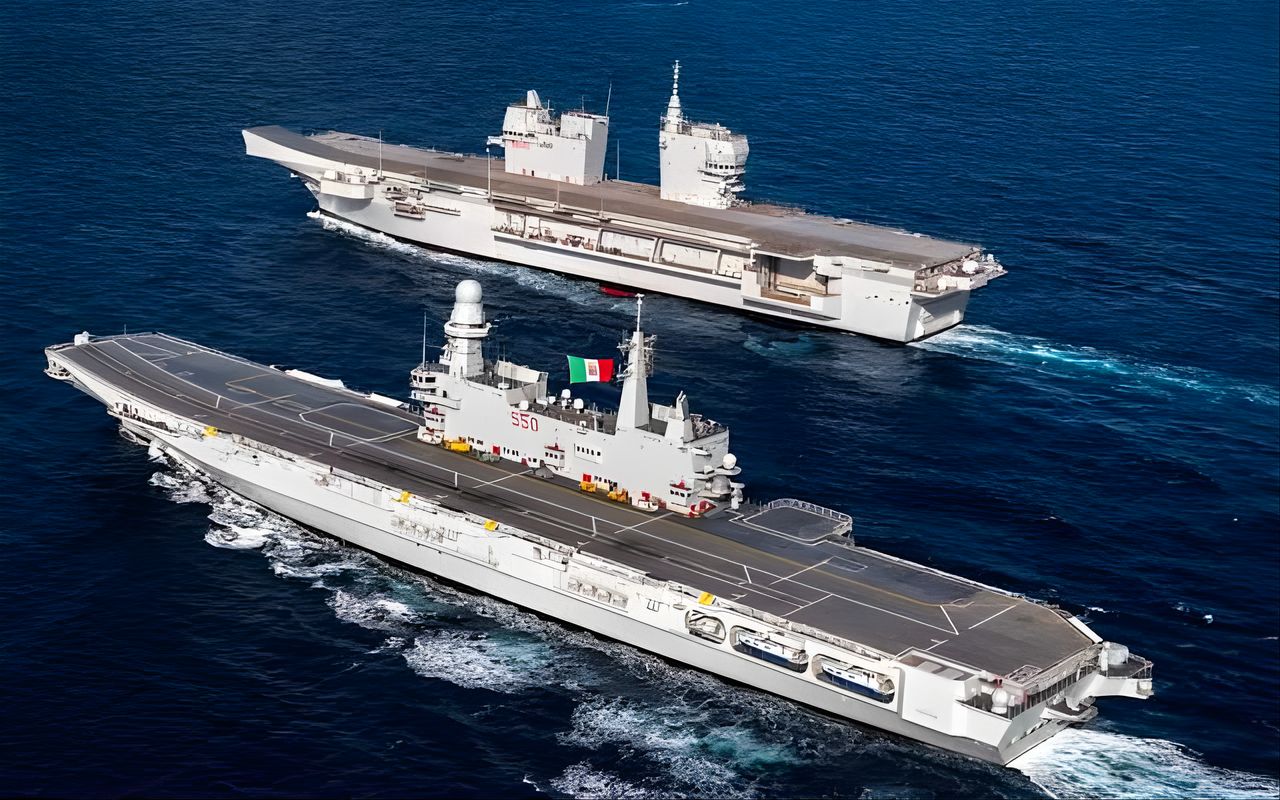


The Trieste Is the Largest Ship in the History of the Italian Navy. At 245 Meters Long, With Capacity for F-35B Aircraft and Advanced Combat Systems, the Ship Represents a New Era for Amphibious and Naval Operations of Italy.
The Trieste, the largest ship ever inducted by the Italian Navy, officially entered service on December 7, 2024, at the naval base of Livorno, Italy. The vessel was built by the shipbuilding company Fincantieri as part of a broad military modernization program initiated between 2014 and 2015.
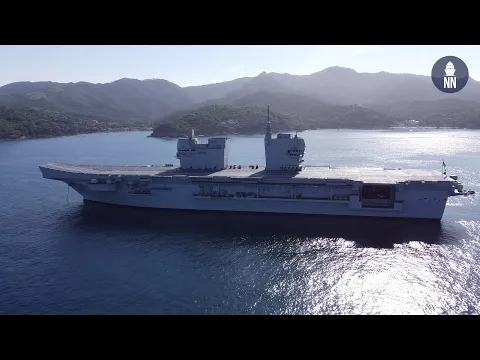
With approximately 245 meters in length and a displacement of around 38 thousand tons, the Trieste ship replaces the old aircraft carrier Giuseppe Garibaldi and assumes a central role in Italian naval strategy.
The vessel was designed to conduct amphibious operations, air missions, and even humanitarian actions, becoming an extremely versatile military platform. Furthermore, the Trieste was conceived to meet the new operational demands of the 21st century.
-
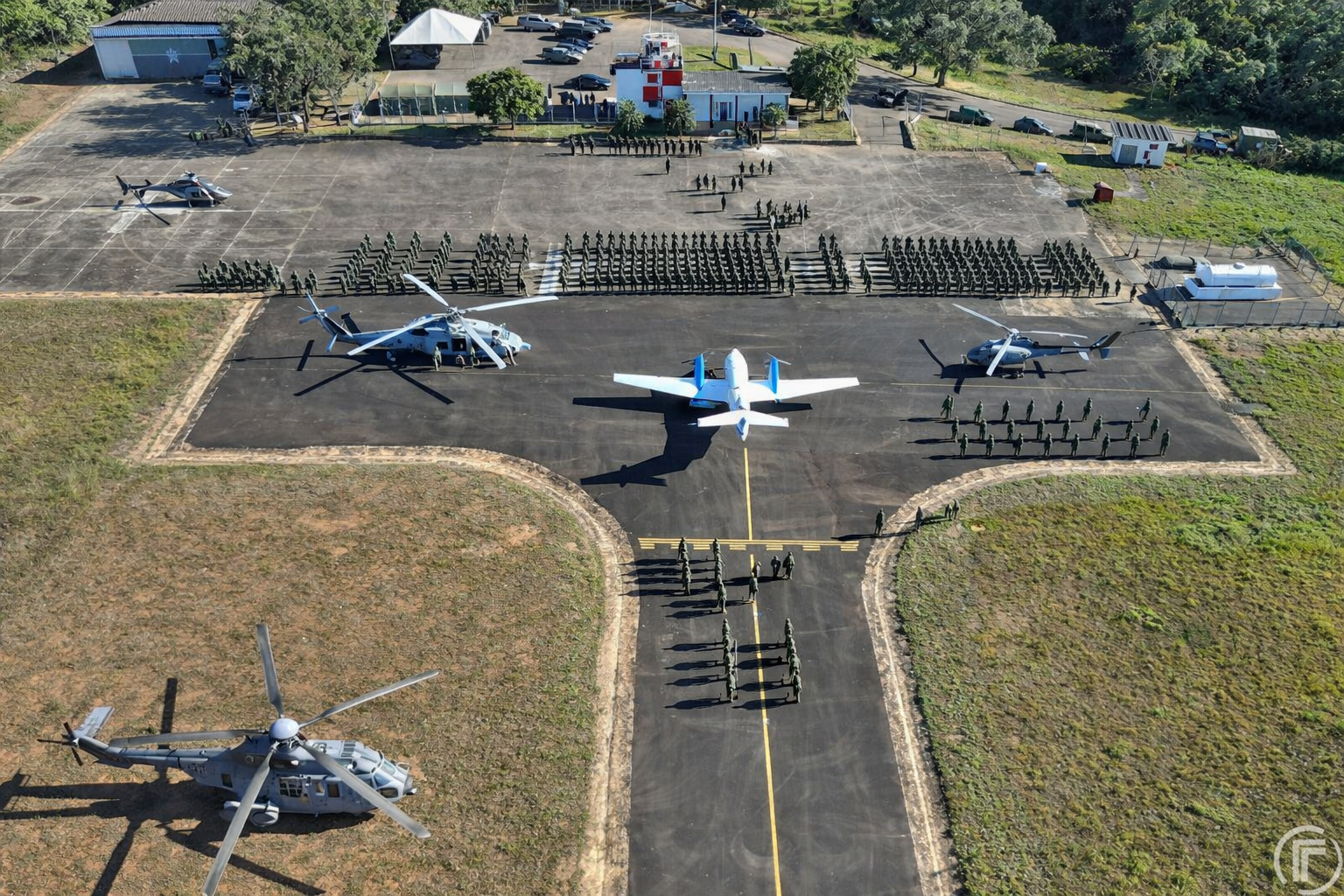
Furnas Airport is handed over to the Navy and becomes a strategic base with complete military operations, attack drones, and international mobilization at Furnas Lake.
-
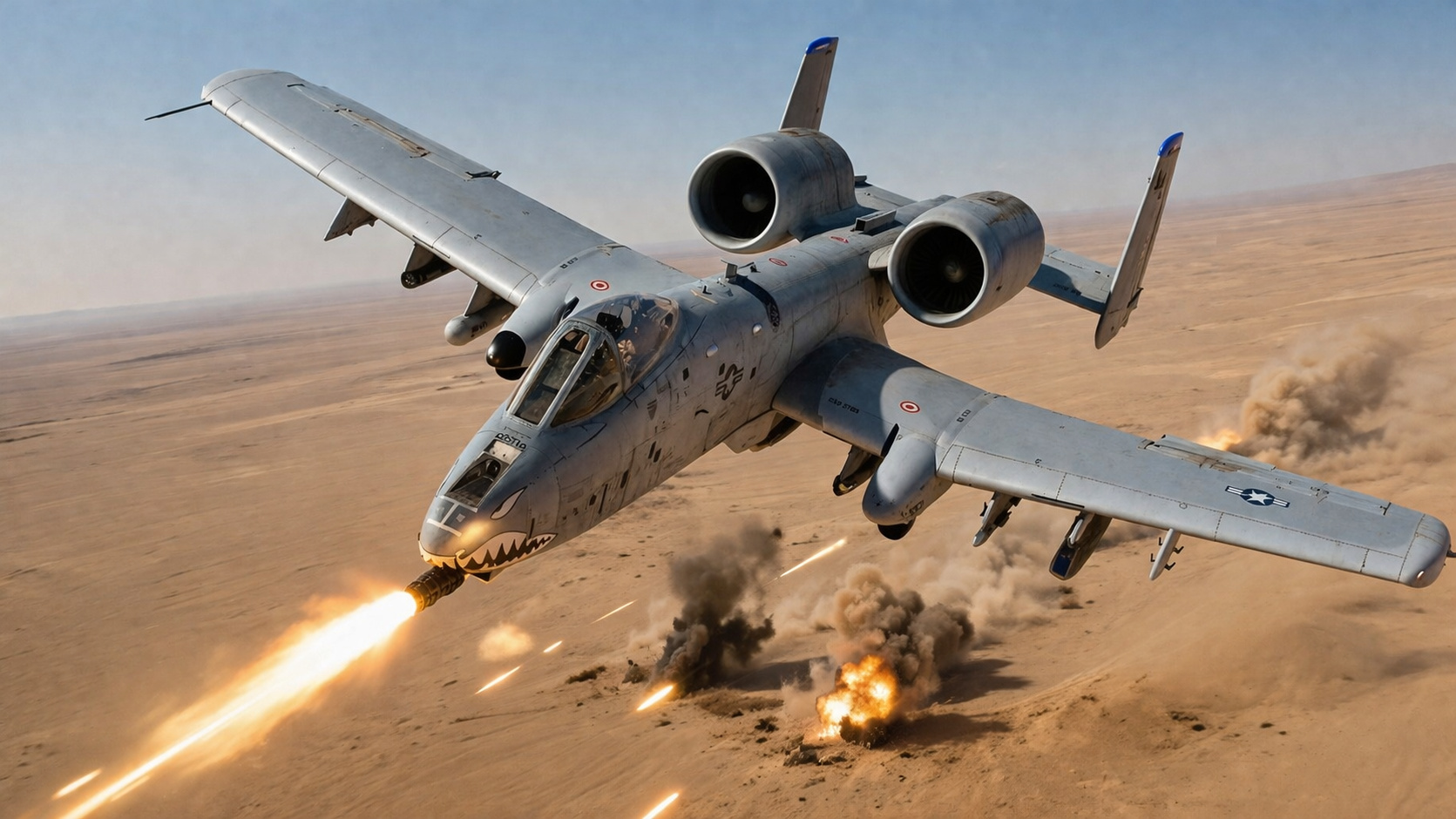
Few people know, but “mega burst” attacks from the A-10 in the Middle East are intriguing analysts and even experienced former pilots of the U.S. Air Force.
-
Manufactured in Brazil and exported to Saudi Arabia and Malaysia, the ASTROS system is renamed as Fogos in 2026, gaining AI, cruise missiles with a range of 300 km, and air defense costing R$ 3.4 billion, transforming a launcher from the 1980s into the most ambitious multidomain platform in Latin America.
-
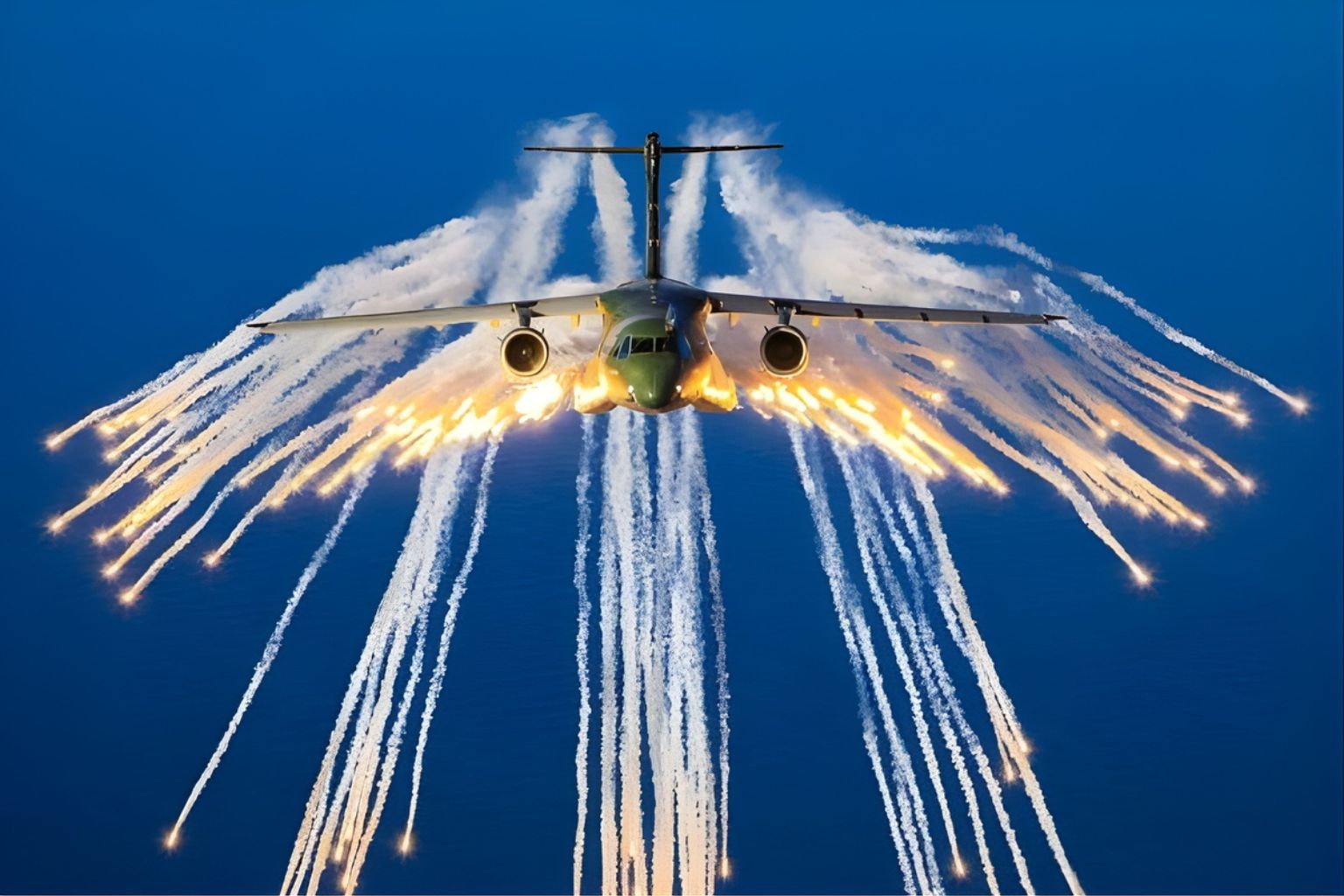
The largest military aircraft ever produced in Brazil, the KC-390 Millennium can carry up to 26 tons, refuel fighter jets in flight, and has already been exported to Europe and Asia, placing the country in the select group that designs and sells large military aircraft worldwide.

The ship combines light aircraft carrier capabilities, amphibious ship features, and logistical platform functionalities, allowing Italy to significantly expand its naval presence in various regions of the world.
The Trieste Becomes the Largest Ship in the Italian Fleet
The Trieste represents a significant technological leap for the Italian Navy. With impressive dimensions, the ship is about 245 meters long, equivalent to almost two and a half football fields.
Its total displacement reaches around 38 thousand tons, making the Trieste the largest vessel ever operated by the country’s navy. This size allows the ship to perform multiple functions simultaneously, which is essential for modern military operations.
Another remarkable feature of the Trieste is the presence of two upper structures known as islands. The first is responsible for navigating the ship, while the second controls air operations.
This configuration enhances crew visibility, frees up space on the flight deck, and improves the organization of onboard activities.
The Trieste Flight Deck Allows the Operation of F-35B Fighters and Helicopters
One of the most impressive elements of the Trieste ship is its vast flight deck. The area measures approximately 230 meters long by 36 meters wide, totaling about 7,400 square meters.
This space allows the ship to operate up to nine aircraft simultaneously on deck. Under full operational conditions, the Trieste can carry between 30 and 34 aircraft, including helicopters and short takeoff fighters.
Among the expected models is the modern F-35B, the vertical landing version of the American fifth-generation fighter. The ship has an inclined ramp at the bow, similar to those on smaller aircraft carriers, facilitating the takeoff of these aircraft.
Additionally, the Trieste features two giant aircraft elevators, each measuring 15 by 15 meters and supporting up to 42 tons, allowing for the transport of planes between the hangar and the flight deck.

Amphibious Capabilities Make the Trieste a Highly Versatile Ship
Despite having advanced aerial resources, the primary role of the Trieste is to act as an amphibious assault ship. This means it can transport troops, military vehicles, and landing craft for operations on land.
Below the flight deck, the ship has a spacious hangar of about 2,300 square meters, capable of accommodating military vehicles and logistical equipment. This space can be expanded to up to 2,600 square meters thanks to removable internal partitions.
Even further below is a second deck with 2,200 square meters, housing a garage and a floodable dock. This system allows the Trieste ship to launch vessels directly into the sea.
The dock measures approximately 55 meters long by 15 meters wide. It can accommodate different types of amphibious vessels, such as LCM, LCAC, and LCAT, used by NATO navies.
The Trieste Ship Can Transport Troops and Combat Vehicles
The transport capacity of the Trieste is also impressive. The ship can carry armored vehicles and troops for military operations or international stabilization missions.
The landing craft of the ship are capable of transporting various military equipment. Among them are the Italian tank Ariete, Centauro armored vehicles, Freccia combat vehicles, and military jeeps Iveco LMV Lynx.
Additionally, each craft can carry up to 300 soldiers, allowing the Trieste to conduct large-scale amphibious operations.
This capability transforms the ship into a strategic platform for projecting military power in coastal regions.
Armament and Defense Systems of the Trieste Ship
To ensure its protection, the Trieste is equipped with modern armament systems. The ship has three Otobreda 76/62 multifunctional guns, two located at the bow and one at the stern.
These guns utilize the Strales system, capable of firing guided ammunition to intercept aerial and maritime threats. The ship also has three remotely controlled OTO Melara 25/80 weapon systems.

Each of them uses a 25 millimeter Oerlikon automatic gun, aimed at defending against fast boats and drones.
In addition, the Trieste is equipped with ODLS-20 countermeasure launchers, capable of releasing decoys to confuse enemy torpedoes and missiles.
Advanced Sensors and Radars Enhance the Ship’s Situational Awareness
The Trieste has also received an advanced set of sensors and radars. Among them is the Kronos Power Shield radar, an L-band AESA system capable of detecting targets at long distances.
Another important system is the three-dimensional radar that can track up to 300 targets simultaneously, with a range exceeding 200 kilometers. This provides the ship with a detailed view of the surrounding airspace and maritime environment.
Additionally, the Trieste has electronic warfare systems developed by the Italian company Elettronica. The Zeus system can detect enemy radar emissions and apply electronic countermeasures.
This allows the ship to operate both in open sea and coastal areas with greater security.
Powerful Propulsion Ensures Mobility for the Trieste Ship
To move such a large structure, the Trieste utilizes a complex hybrid propulsion system. The ship combines gas turbines, diesel engines, and electric motors.
Among the main components are two Rolls-Royce MT30 turbines, capable of generating over 100 thousand horsepower. They allow the ship to reach speeds of up to 25 knots, equivalent to about 46 km/h.
When using diesel engines, the Trieste navigates at approximately 18 knots, while the electric motors enable silent movement at around 10 knots.
This combination offers energy efficiency and operational flexibility to the ship.

Construction of the Trieste Ship Involved Hundreds of Workers
The construction of the Trieste officially began on July 12, 2017, when the first steel plate was cut at the Castellammare di Stabia shipyard.
Just a few months later, in February 2018, the keel of the ship was installed, marking the beginning of structural assembly. The launching took place in May 2019, with the presence of Italian President Sergio Mattarella.
Subsequently, the Trieste ship was transferred to La Spezia to receive final equipment and begin sea trials, conducted for the first time in August 2021.
During the construction, over 300 workers participated in the initial phase. In the finishing and integration stage, around 800 professionals were involved.
The Trieste Can Also Operate in Humanitarian Missions
Although it is a powerful military ship, the Trieste was also designed for humanitarian operations. The vessel features a complete hospital onboard.
The medical center occupies about 700 square meters and includes surgery rooms, clinical analysis laboratory, radiology, and even a dental clinic.
There is also an infirmary with capacity for 28 critically ill patients, along with additional modules that can expand emergency care capacity.
Therefore, the Trieste can operate in international aid missions, natural disasters, and civilian evacuations.

The Trieste Ship Symbolizes the Future of Italian Naval Strategy
Combining air power, amphibious capability, and advanced technology, the Trieste represents one of the most ambitious projects of the European shipbuilding industry.
The ship not only replaces old vessels of the Italian Navy but also redefines the strategic role of the fleet in the international arena.
By combining the functions of a light aircraft carrier, amphibious assault ship, and logistical platform, the Trieste demonstrates how modern naval forces seek flexibility and efficiency in a single vessel.







Viva Itália! 🇵🇪