





 English
  Francês
  Alemão
  Italiano
  Japonês
  Norueguês
  Portuguese
  Spanish
  3 min of reading


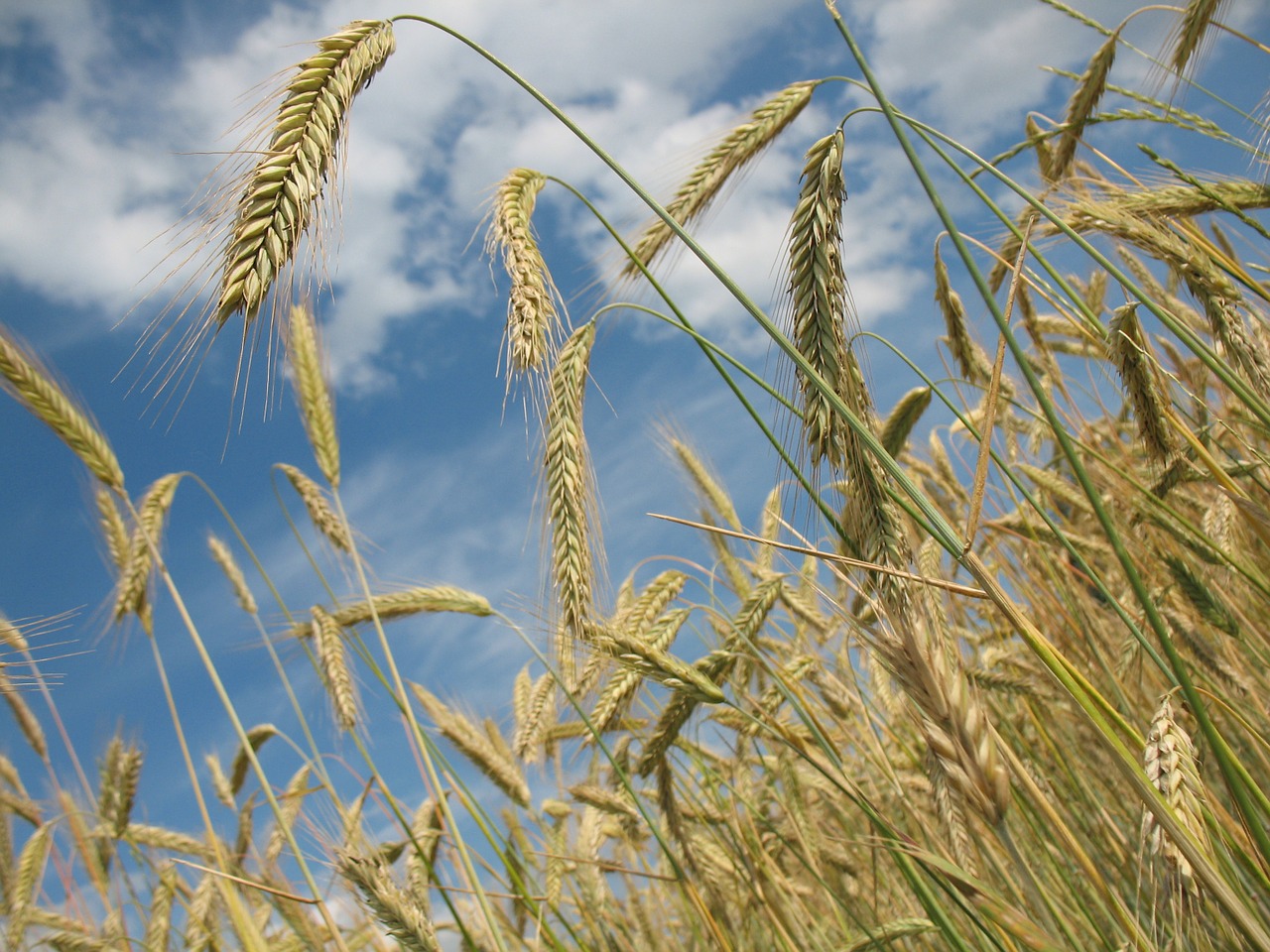
Wheat Grain And Flour Prices Skyrocket In Brazil Due To Inflation Caused By War And Pandemic
A study conducted by the consulting firm MLB shows that the price of wheat in Brazil increased by 130% between January 2020 and April 2022.
The price increase was caused by a combination of factors, including the COVID-19 pandemic, fuel inflation, and the war in Ukraine, which eliminated two of the main suppliers of the wheat market in Brazil, Russia and Ukraine.
This document made by MLB serves as a basis for client reviews, who assist organizations and companies in the milling and baking sector, that is, areas that use wheat grain in Brazil and are suffering from grain inflation.
The study was conducted by Luiz Carlos Caetano, a market consultant with over 30 years of experience. He calculated the price based on the average amount paid to wheat grain producers in Argentina, Paraná, and Rio Grande do Sul, who are suffering from inflation and have a variety of delivery rates depending on the city of origin and destination.
-
Expansion of Federal Institutes: 38 new campuses and R$ 200 million for public education; see the cities included.

-
Lula’s government changes rule in important benefit and thousands of Brazilians will no longer receive it; see what has changed.

-
New Gripen fighter makes Argentines surrender to Brazil, and the heavy reaction exposes envy, frustration, and shock at Brazil’s technological leap.

-
This discovered deposit near the Andes could change the future of Argentina, attract billions, and even shake up the global metals market.


“Currently, a ton of wheat is estimated at R$ 2,000 to R$ 2,100, roughly US$ 400 to US$ 410, but it has reached as high as US$ 465”, said Luiz Carlos.
With Inflation, Flour Price Increase Was Lower Than That Of The Grain Itself
According to the consultant’s data, wheat flour has drastically increased in recent times due to inflation in Brazil; however, it has not increased as much as the value of the wheat grain itself. The calculation to reach this conclusion was based on flour, which accounts for more than half of the consumption in Brazil. The price of a sack of flour rose much less than the price of the wheat itself, despite also increasing with inflation. From January 2020 to April of this year, the increase was 117%.
“I will say something that is often mentioned in mills, the price of wheat rises in an elevator while the price of flour goes up the stairs, so the price of wheat flour did not show an increase in wheat. To put it into perspective, in March, flour rose by 4% and wheat by 14%,” said Caetano.
One of the reasons for this difference is that supermarkets and large industries enter into long-term contracts, capable of maintaining prices even with international flexibilities.
According to data obtained by CNN, items in the wheat sector in Brazil, such as bread and industrial pastries, have higher prices beyond the signs of inflation, but there are concerns among sector businessmen regarding inflation, which has caused a drop in wheat consumption and this decline may be intensified depending on price increases going forward.
Additionally, the high cost of freight, which follows diesel prices, falls on the shoulders of manufacturers. Moreover, to worsen the situation, Russia and Ukraine, respectively the largest and fourth largest wheat suppliers in the world, have seen their wheat stocks depleted due to the war.
“This year’s inflation has increased nearly 4% so far, and products have doubled or tripled in terms of inflation up to April, as a consequence of the Ukrainian war, since the price of gasoline has skyrocketed and oil also affects packaging, so there are all these indications. For example, industrial bread, more than half of which is multigrain and whole grain, which uses whole grains other than wheat, has also increased alongside it, so there are several factors,” explains Caetano.
India’s Ban On Wheat Exports To Brazil Affects 1.8 Million Tons Driving Up Prices
The ban on wheat exports from India has affected 1.8 million tons of grains at ports, which may have caused huge losses for traders who now have the opportunity to negotiate in the internal market at lower prices, four traders told Reuters.
New Delhi banned wheat exports on Saturday to Brazil, just days after monitoring the delivery of 10 million tons this year. The announcement came after a heatwave diminished wheat production, forcing internal prices to reach record highs.
The news forced commodity prices in the U.S. to hit a daily limit of 0.70 cents per bushel on Monday, according to market data.








Seja o primeiro a reagir!