





 Portuguese
  English
  Spanish
  5 min of reading
  0 comments


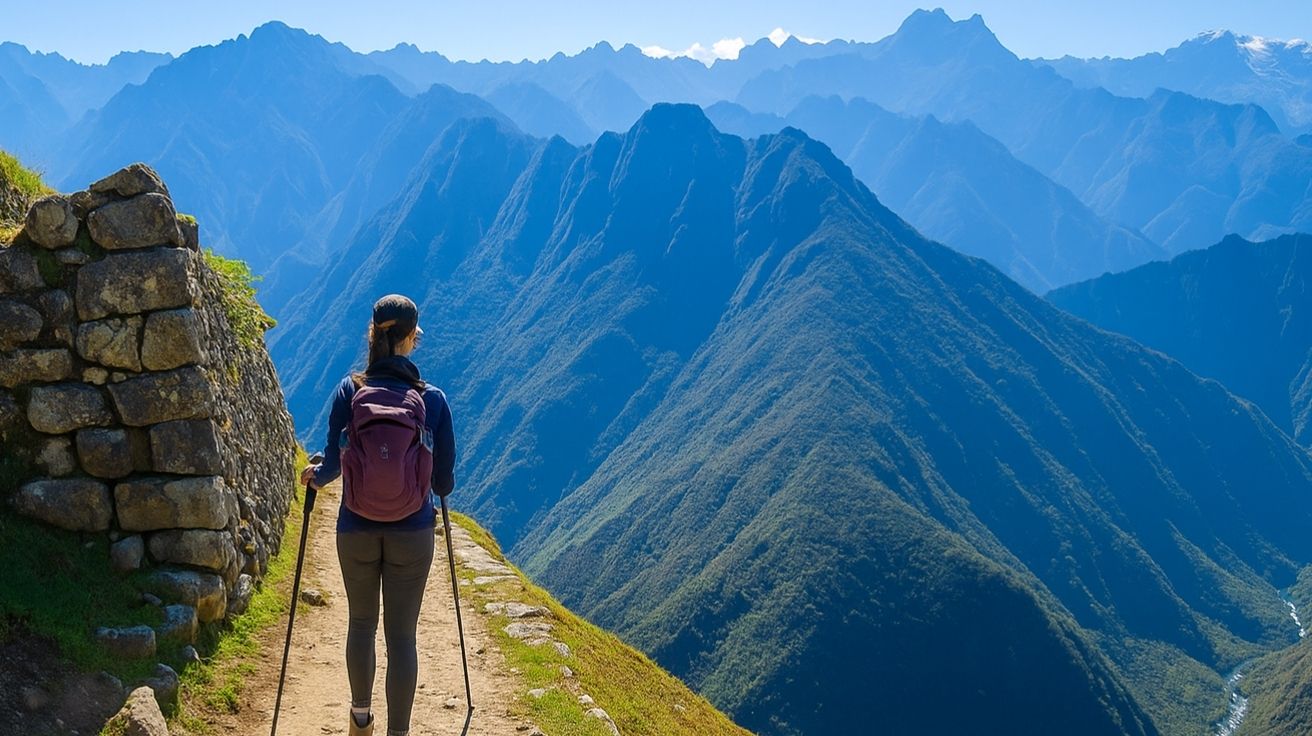
With segments above 4,200 meters of altitude, unpredictable weather, and passages through millenarian Inca ruins, the Inca Trail delights and exhausts tourists from around the world, but only those who prepare in advance can secure one of the coveted daily spots
Few paths in the world bring together natural beauty, ancient history, and physical challenge like the Inca Trail in Peru. With a length of 43 kilometers, it connects the famous kilometer 82 to the lost city of the Incas, Machu Picchu, crossing mountains, cloud forests, and archaeological ruins along the way.
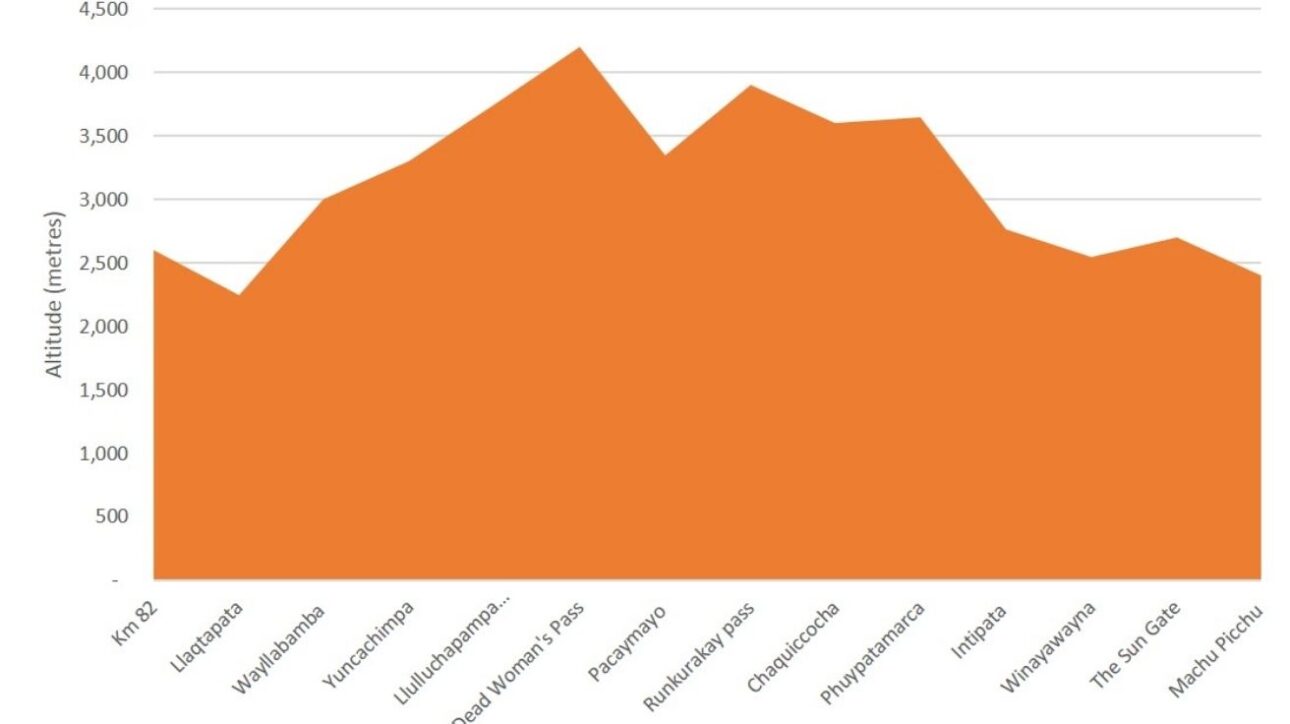
The highest point of the route is the Dead Woman’s Pass, or “Passagem da Mulher Morta”, an impressive 4,215 meters above sea level. The climb is exhausting, and many feel the effects of the altitude, but the view is rewarding; colossal mountains, deep valleys, and dense vegetation make each step memorable.
ARTICLE CONTINUES BELOWSee also
Mr. Mário reveals the technique of the caipira papaya: he cuts the fruit in half, discards the seeds from the tip, and plants the ones from the back to increase the chance of a productive female tree.
Few remember, but the submarine that disappeared in 1968 with 52 crew members was found after 51 years at the bottom of the sea at more than 2,000 meters, intriguing the entire world.

With 1,200 tons suspended, the Japan mega-structure in a grid shape with a floating sphere from Fuji TV features two 25-story towers connected by elevated walkways, titanium panels, and impresses the world with its ability to reduce wind impact.

The village where two rivers run side by side without mixing in Santarém and Alter do Chão reveals some of the most beautiful freshwater beaches on the planet.

To tackle this challenge, tourists from all over the world plan months in advance. The Peruvian government limits access to the trail to 500 people per day, including guides and porters. This makes advance booking mandatory, especially in the high season, from June to August.

According to the channel Explorin With Laurin, hikers complete the route in four days and three nights. They report constant changes in weather, from intense heat to freezing rain, and emphasize the importance of being physically prepared and equipped properly.
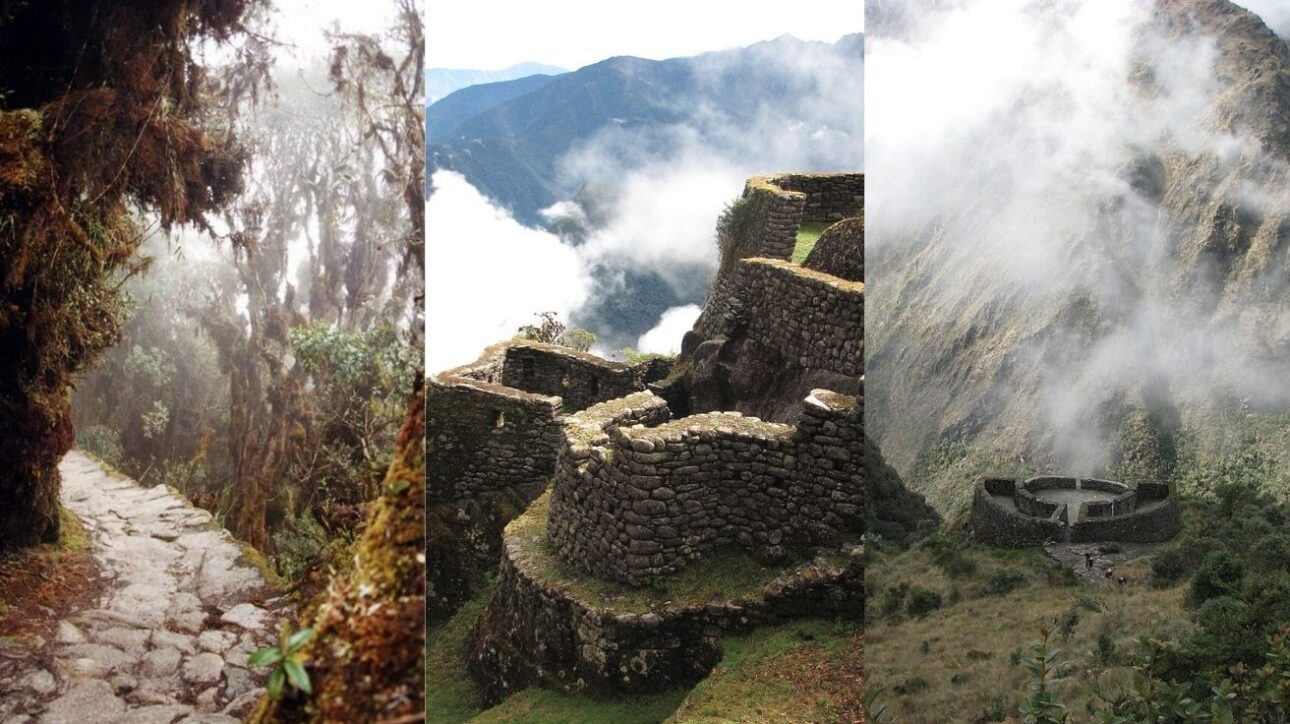
During the journey, adventurers pass through historical sites such as Wiñay Wayna, Phuyupatamarka, Sayacmarca, and the final gateway: Inti Punku, or “Sun Gate,” where Machu Picchu is first sighted.
The trail is part of the ancient Inca road system, Qhapaq Ñan, recognized as a UNESCO World Heritage Site. Many segments of the trail are still paved with original Inca stones, carefully fitted together centuries ago.
In addition to the beauty and physical challenge, there is a whole structure set up by specialized companies, like Alpaca Expeditions, which ensure food, tents, portable toilets, and experienced guides throughout the trail.
Physical Preparation and Essential Altitude Care
One of the main obstacles of the Inca Trail is not the terrain itself, but the high altitude. Starting at about 2,700 meters and reaching over 4,200 meters, the risks of altitude sickness are real. Therefore, it is recommended to spend a few days in Cusco (at 3,400m) before the trail.
During the hike, constant hydration, rest breaks, and balanced nutrition are key strategies. Locals offer coca tea, known for relieving altitude effects, and many tourists bring medications like Diamox, as recommended by a doctor.
Ideal physical preparation involves cardiovascular endurance and leg strength. Exercises such as stair climbing, squats, and long hikes with a backpack are highly recommended months before the adventure.
The trail features stone staircases with uneven steps, making the descent particularly demanding. The channel Explorin With Laurin highlights that, although the ascents are challenging, the steep descents are what most strain the joints.
Additionally, having a light and well-distributed backpack, using trekking poles (without metal tips, which are prohibited), and wearing suitable shoes with good cushioning make a difference in performance.
Acclimatization in Cusco and respecting individual pace are crucial to avoid medical emergencies. And even though the trail requires effort, it is not exclusive to athletes; with proper preparation and support, any healthy person can complete it.
Organizers recommend that tourists keep their documents at hand throughout the trail, as there are various control points monitoring the number of visitors per day.
Another vital point is choosing the right time of year: the trail closes in February for maintenance and cleaning. The dry season (June to September) is the most popular, but also the most competitive and expensive.
Structure, Culture, and Logistics Behind the Journey
More than just a trail, the journey to Machu Picchu is a cultural immersion, with stories, legends, and customs that have survived for centuries. Guides share local myths, Inca traditions, and the symbolism behind each ruin.
During the route, hikers receive complete meals, with hot options, vegetables, proteins, and even desserts prepared by cooks who accompany the expedition. There are also snacks, tea, and purified water throughout the day.
The porters, the true unsung heroes of the journey, carry equipment, set up camps, and ensure everything is ready at the end of each stage. They are usually locals from Andean communities and deserve a tip at the end of the trail.
Tents are set up before tourists arrive at the campsite and provide comfortable shelter even on rainy nights. Items like sleeping bags, mattresses, and thermal insulation are usually included in the expedition package.
There are public restrooms along the way, but many agencies, like Alpaca Expeditions, include a private portable toilet, which is a great advantage for hygiene and comfort.
Contact with nature is constant. The trail crosses tropical forests, humid valleys, and peaks with views of the snow-capped Andes. The fauna includes birds, butterflies, and even deer in the higher areas.
At the end of the hike, reaching Machu Picchu through the Sun Gate is indescribable. The panoramic view, after four days of effort, offers a profound sense of accomplishment and connection with something much greater than just a trip.
And even after the journey, many return with the certainty that the Inca Trail is much more than just a trail; it is a transformative experience that connects body, mind, and spirit with the history and nature of the Andes.







-

Uma pessoa reagiu a isso.