





 Portuguese
  English
  Spanish
  2 min of reading
  0 comments


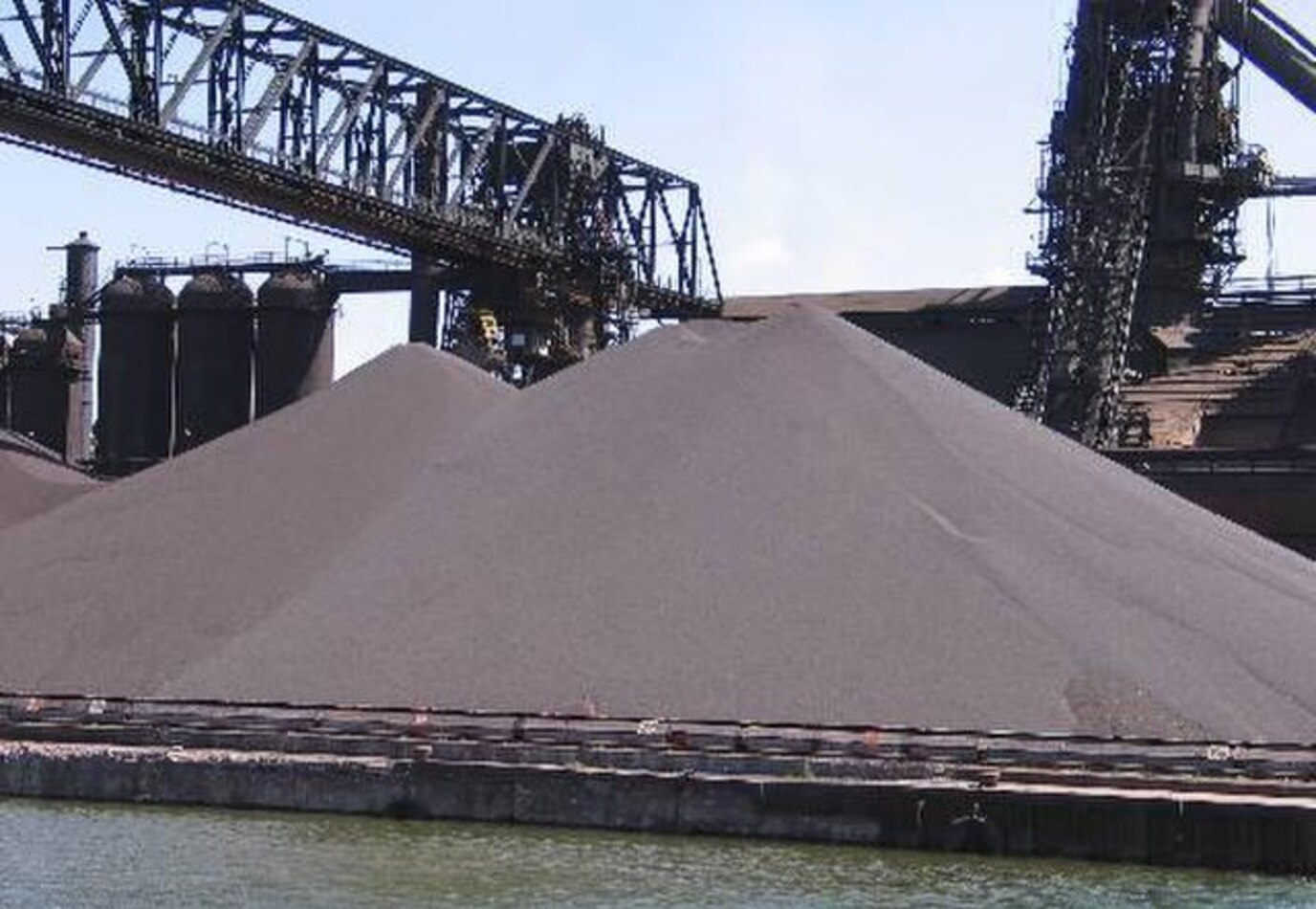
Arrival of Chinese Rails to Line 2-Green Exposes External Dependency and Reignites Debate on Why Brazil Doesn’t Manufacture Its Own Railway Material
The arrival of a large shipment of rails from China to the Line 2-Green of the São Paulo Metro has reignited an old debate: why does Brazil, owner of immense iron ore reserves and with several steel mills, not produce this type of material?
According to technical consultant Rubem Louzada, the answer involves industrial, economic, and strategic factors. He believes that the scenario can change, but it requires coordinated actions.
Complex and High-Engineering Production
Louzada explains that manufacturing rails is a process much more complex than producing other steel items. “Making rails is not like making rebar,” he states.
-
With 74% of companies facing difficulties in hiring, technicians and engineers in renewable energy are becoming scarce in Brazil and are essential to support the expansion of solar, wind, and green hydrogen projects.

-
Historic bankruptcy of Centauro shocks the market, and the century-old company puts more than 500,000 products, machines, and complete infrastructure up for online auction.

-
New shoe factory in Ceará is expected to create 400 jobs and strengthen the local economy.
-
No one imagined it, but a mixture of sawdust with a mineral that fights fires surprises scientists with a result that changes the course of fire-resistant construction.

The product requires pearlitic steel with 0.7% carbon, specific heat treatments, controlled microstructure, and minimal tolerances. Additionally, the bars reach up to 120 meters and require finishing and millimetric alignment.
To achieve this standard, advanced technology, metallurgical control, and a stable market that justifies the investment are necessary.
Insufficient Investment and Demand
The first challenge is financial. Building a modern rail factory requires over US$ 500 million (R$ 2.7 billion). To recover this amount, a constant and large-scale demand is necessary.
“Our average annual consumption is around 300,000 tons, varying according to the appetite of the concessionaires and the government. This is insufficient to justify a dedicated line like those that exist in China, Austria, Japan, or Poland,” he said.
Importing Rails Is Cheaper
Another point is the price. Countries with excess installed capacity offer rails at very low prices, with subsidized freight and long-term contracts. This combination makes importing more advantageous for companies and governments.
This situation, however, creates dependency and discourages domestic production. “Many Brazilian railway projects are literally ‘slit-eyed’ — waiting for Chinese rails to arrive on cargo ships,” Louzada comments.
Need for an Integrated Industrial Policy
For the consultant, the solution involves a robust plan that connects logistics and base industry. He suggests local content quotas, tax incentives, financing via BNDES, and demand guarantees as ways to reverse the situation.
“The world is looking at railways as a vector for decarbonization and efficiency. Brazil is too. But we are still relying on foreign rails. It’s time to turn this track around,” he concludes.
With information from Metrocptm.





Seja o primeiro a reagir!