





 Português
  Inglês
  Espanhol
  3 min de leitura
  0 comentários


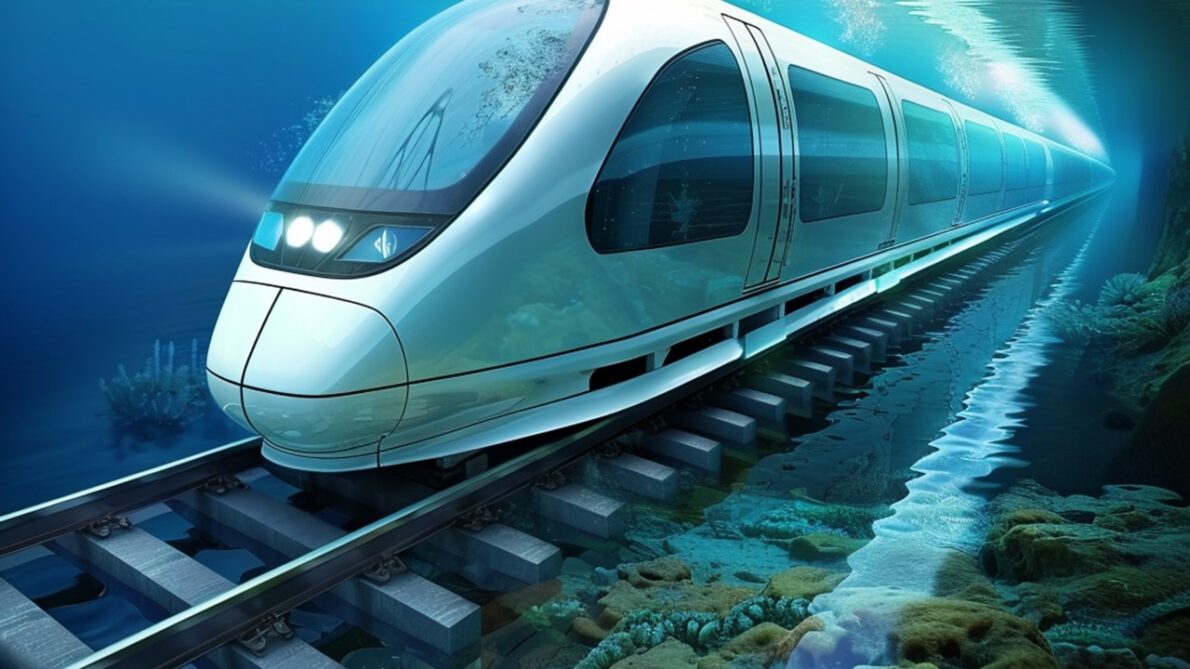
Ambitious Project Promises to Connect Ningbo and Zhoushan with High-Speed Bullet Trains and Advanced Technology
Have you ever imagined traveling on a high-speed train that suddenly starts to cross an underwater tunnel? Sounds like something out of this world, right? But in China, this idea is becoming a reality. Since 2018, the country has been planning the construction of an underwater route for bullet trains, extending 16.2 km, according to the website Railway Lovers.
The Underwater Bullet Train Route
In November 2018, China Railway Corporation held a meeting in Beijing to discuss the technical feasibility of the new Ningbo-Zhoushan Railway. This line will connect Ningbo, a port city south of Shanghai, to Zhoushan, an archipelago on the east coast of China. The project includes an underwater tunnel as part of the Yong-Zhou railway plan, first mentioned in 2005 and approved in 2018.


With a total length of 77 km, the railway will feature 70.92 km of newly constructed tracks, including the 16.2 km underwater section and a large bridge. The goal is to boost tourism in the region and reduce travel time to Zhejiang province, which currently takes two hours.
-
São Paulo surprises the world with a colossal railway network project that promises over 1,000 km of tracks, R$ 194 billion in investments, and 40 projects connecting the capital to the interior with fast and sustainable trains.
-
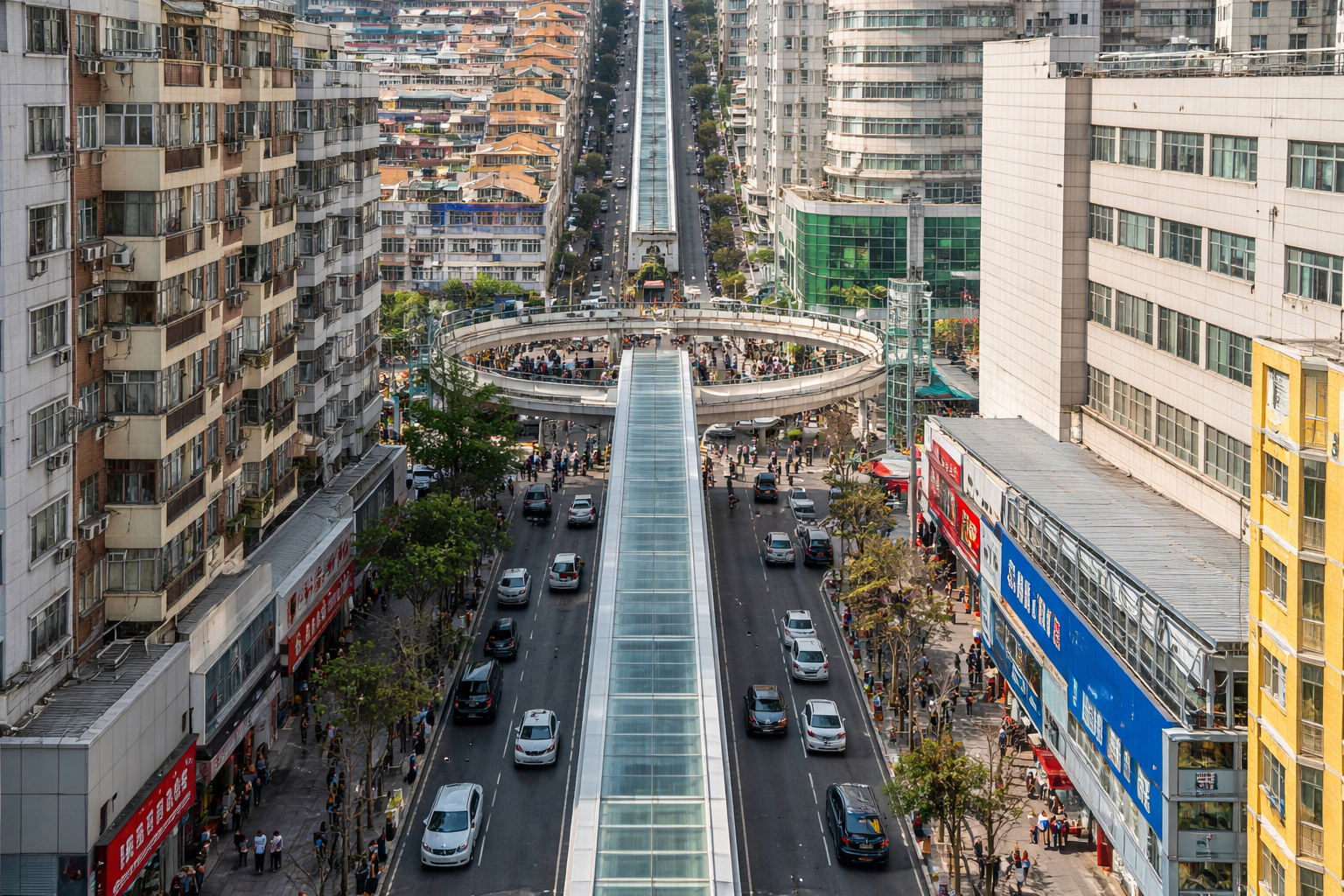
The world’s largest escalator, measuring 905 meters in China, reduces urban travel time from 1 hour to about 20 minutes and transforms mobility in mountainous regions with an engineering solution adapted to the terrain.
-
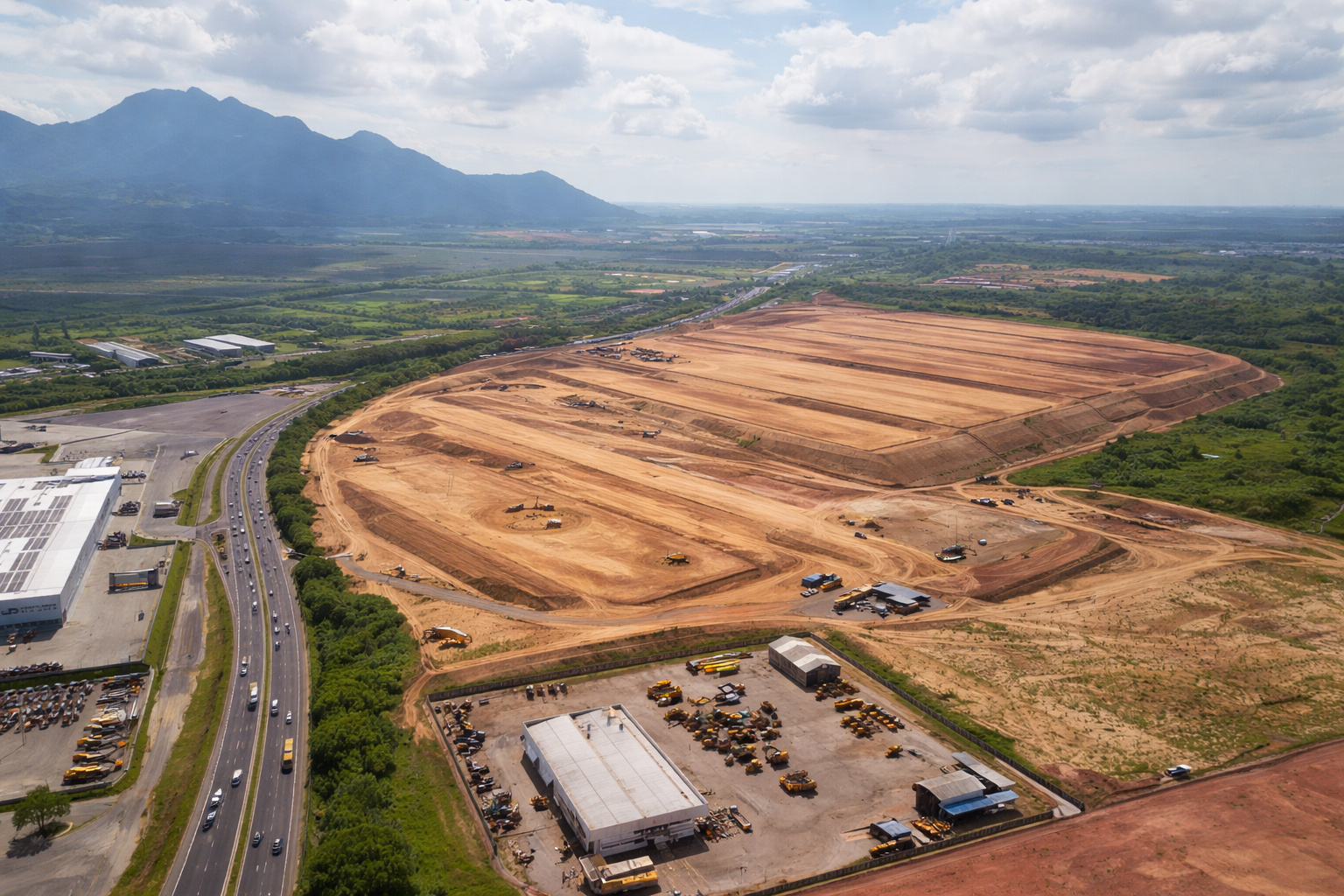
A R$ 300 million logistics giant is taking shape in Serra with over 100,000 m² and raises a question: how can this transform e-commerce and distribution in the state?
-
Could Uber Rides Lose Minimum Fare? Understand What’s Happening!


China and Its Railway Network
China is internationally recognized for its vast and modern railway network. In 2017, the country had 124,000 km of railways, including 22,000 km of high-speed railway, the largest bullet train network on the planet. Chinese railway technology is autonomous and advanced, with the nation exporting its expertise to other parts of the world, including projects in Latin America, such as the Transoceanic Railway.
The Chinese government continues to expand its investments in high-speed railways, aiming for a total length of 45,000 km by 2030. This ambitious project compares to other monumental works in the country, such as the world’s longest bridge, measuring 164 km, the Shanghai Tower at 632 meters tall, and the seven largest global ports, indicating that China is on track to achieve yet another monumental success.
Technical Details and Investment
Once completed, the Yong-Zhou Railway will allow bullet trains to travel the route at an average speed of 250 km/h, passing through districts such as Beilun, Jintang, Dasha, Mazhao, and Bajiquan. The journey, which currently takes about four and a half hours by bus or two and a half hours by car, will be reduced to just one and a half hours with the new high-speed railway line.
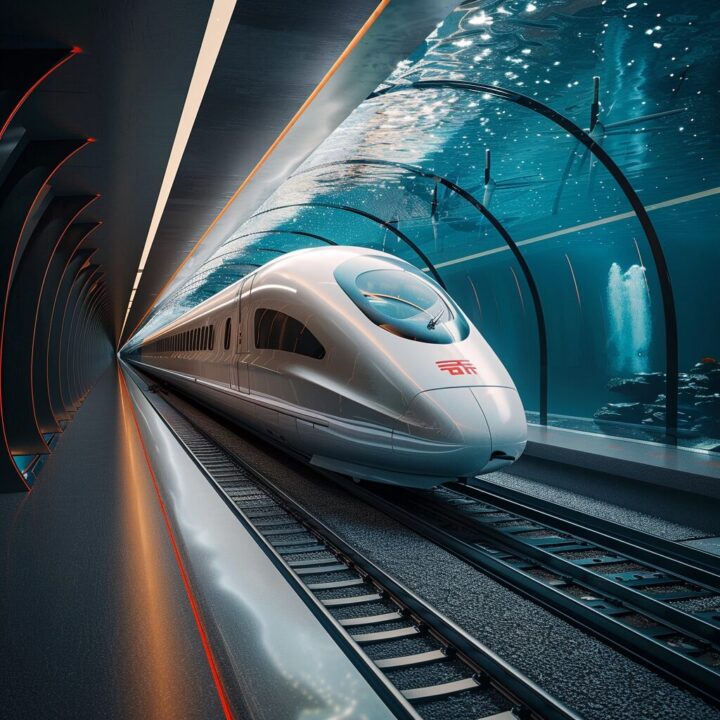
The investment for this mega construction is RMB 25.2 billion (approximately R$ 13.9 billion). The works began in 2019, and it is expected that the entire route will be completed by 2025. Even with the Covid-19 pandemic, construction resumed in 2020 after an online technical assessment conducted by the Ningbo Maritime Safety Administration, ensuring the project’s continuity.








-

2 pessoas reagiram a isso.