





 Portuguese
  English
  Spanish
 3 min of reading


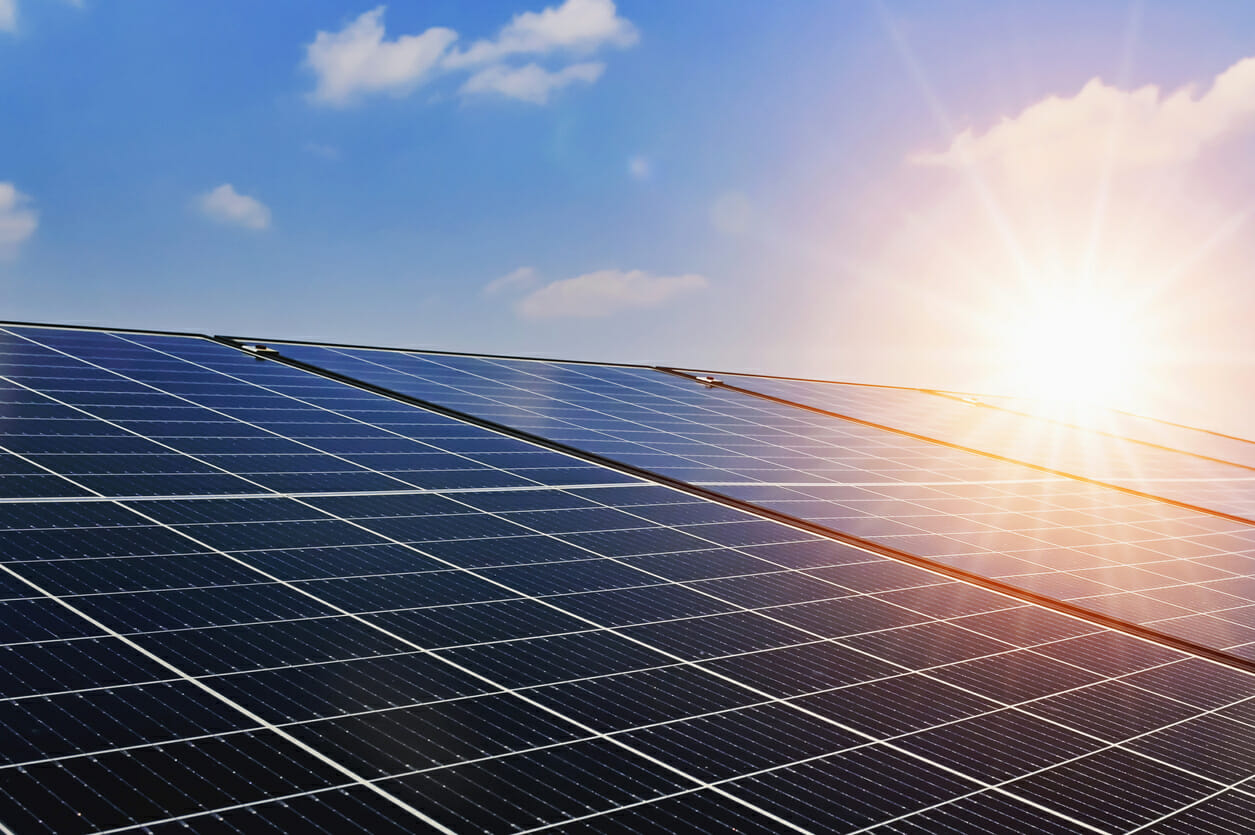
The Innovative Solar Tracker Project Will Be Established by Trina Tracker, Which Plans to Install a New Factory in Bahia
Trina Tracker, a subsidiary of the Chinese company Trina Solar, revealed on Tuesday (29/8) its plan to install a factory for solar trackers in Salvador, Bahia. These trackers are devices that follow the sun’s movement throughout the day, increasing the efficiency of energy generation from photovoltaic panels, according to the EPbr website.
Brazil becomes the second country to host a Trina factory outside of China, which already has a manufacturing unit in Spain. The new facility in Bahia is expected to begin operations in the last quarter of this year. Initially, the factory will have the capacity to produce 2.5 GW in solar trackers, but this capacity can be expanded in response to demand. With this initiative, the company’s total production capacity for solar trackers will increase by 33%, rising from 7.5 GW to 10 GW annually.
Strategic Hub and Supply in Latin America and Bahia
Alvaro García-Maltrás, vice president for Latin America at Trina Solar, emphasized the strategic choice of Bahia as the site of this factory. He highlighted that Bahia is a favorable logistical point, with large-scale projects under development and growing interest in distributed generation, making the region suitable for solar trackers.
-
Renewable energy advances over protected areas in Brazil, and a survey by the Energy Transition Observatory reveals silent impacts that challenge environmental conservation and pressure sensitive traditional territories.

-
Rio Grande do Sul accelerates energy transition: State invests in renewable technologies and consolidates decarbonization strategies and pathways to attract billions in new industrial investments.

-
With 160,000 m² of collectors, an area larger than 20 football fields, Silkeborg, in Denmark, hosts a solar thermal plant that heats 19,500 homes and could become the largest solar heating plant in the world.

-
A study reveals the expansion of renewable energy procurement in Brazil and shows how companies are taking advantage of opportunities to reduce expenses, ensure energy efficiency, and strengthen strategic environmental commitments.


In addition, Salvador has port and highway infrastructure that facilitates product distribution. The factory will not only serve the local market, but it will also supply trackers to other countries in Latin America.
Government Support and Growth of Bahia
The choice of Bahia also aims to facilitate access to local customers and allow participation in projects financed by the National Bank for Economic and Social Development (BNDES) and the Northeast Bank (BNB), which require local content. The approval of Trina Tracker Brasil as an accredited supplier by BNDES is a significant step in this direction.
The expectation is that solar tracker sales in Brazil will double in the first year after the factory starts operations. It is estimated that the volume will reach about 1 GW by the end of 2023.
Future Plans: Solar Panel Factory Dependent on Incentives
Helena Li, global president of Trina Solar, expressed the company’s interest in establishing a solar panel factory in Brazil, in Bahia. However, this expansion depends on the existence of public incentive policies that strengthen the local supply chain.
The executive emphasized that, due to local supply chain costs being higher than in China, the presence of incentive policies would be a determining factor in making this decision. The possibility of building a solar panel factory would also depend on the government’s interest in fostering the solar industry in the country.








Seja o primeiro a reagir!