





 Portuguese
  English
  Spanish
  5 min of reading
  0 comments


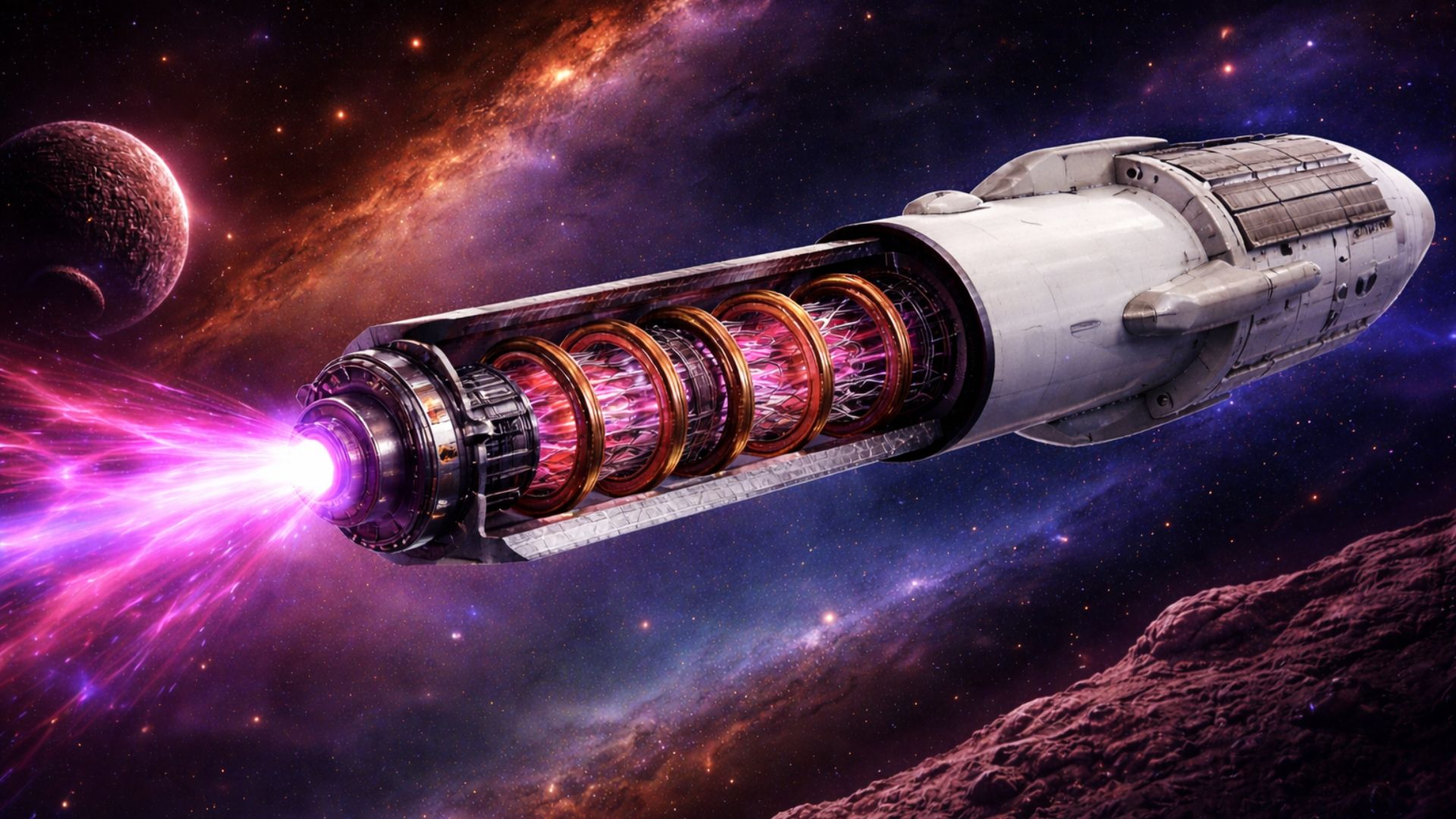
Advance of Pulsar Fusion puts the United Kingdom in the spotlight in the space race with plasma ignition in fusion engine, opening the way for faster, safer, and more efficient space travel to Mars.
The United Kingdom has taken an important step towards the future of space travel by announcing an advance involving plasma ignition in a fusion engine. According to information from Euronews, the achievement was revealed by Pulsar Fusion during the MARS conference, an international event that brings together experts from the aerospace sector and technological innovation.
In practice, this achievement could transform the way humanity plans missions to Mars. Currently, a crewed trip to the red planet can take between six and nine months. With the new technology, this time could be reduced to just a few weeks.
This shortening of time does not just represent convenience. It directly impacts the safety, cost, and feasibility of missions, bringing the project of human exploration much closer to reality.
-
Made with recycled plastic, a Lego-inspired brick builds a 180 m² house in 15 days, providing thermal comfort, preventing moisture, and turning waste into income, kits, and accelerated construction in the country.

-
A robot with a silicone face and 26 facial motors learns to move its lips accurately by observing its own reflection like a child, then analyzes hours of videos on YouTube to reproduce how humans speak and sing, now articulating words in several languages, has already recorded a music album generated by AI, and is beginning to cross the uncanny valley that causes people to reject almost human robots.

-
Iron foundry in Senegal reveals a pile of 100 tons of slag, 35 furnace bases, and a rare technique that has remained stable for centuries.

-
The only man-made structure in the world that can be clearly seen from space is not the pyramids of Egypt nor the Great Wall of China.

How plasma ignition works inside a fusion engine
To understand the relevance of this advance by Pulsar Fusion in the United Kingdom, it is essential to understand the role of plasma ignition within a fusion engine.
Nuclear fusion is the process that powers the Sun and other stars. It occurs when nuclei of light atoms fuse together, releasing a massive amount of energy. This energy can be converted into thrust to propel spacecraft.
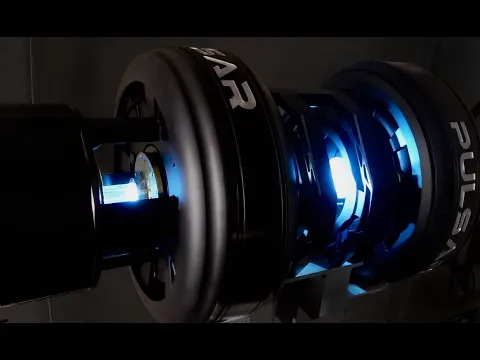
The great challenge has always been to control plasma, which is an extremely hot and electrically charged state of matter. In the experimental prototype called Sunbird, Pulsar Fusion managed to create and stabilize this plasma using advanced magnetic and electric fields.
This milestone of plasma ignition demonstrates that the practical use of a fusion engine in space travel is closer than ever, although it still depends on further testing and improvements.
Pulsar Fusion puts the United Kingdom at the center of space innovation
Pulsar Fusion plays a central role in this advance of the United Kingdom. The company focuses on solutions that take advantage of the unique conditions of space, such as vacuum and extreme temperatures, to optimize the performance of its systems.
Unlike traditional chemical engines, the fusion engine uses the energy generated by nuclear fusion to create continuous and much more powerful thrust. This represents a significant shift in how space travel can be conducted in the coming decades.
The initial validation of plasma ignition reinforces the company’s position as one of the most innovative in the sector and highlights the United Kingdom in the global race for advanced space technologies.

Speed and performance: what changes in space travel with fusion engine
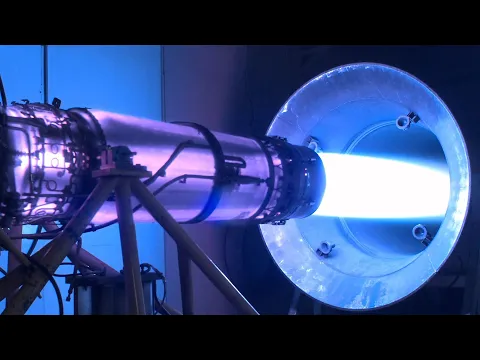
One of the most impactful aspects of this advance from the United Kingdom is speed. Estimates indicate that a fusion engine could allow spacecraft to reach speeds of around 800,000 km/h.
In practice, this completely changes the logic of space travel. Missions that currently take months could be completed in weeks, significantly reducing travel time between planets.
Additionally, the technology presents clear advantages:
- Much higher power, potentially generating up to a thousand times more thrust than conventional engines
- Greater energy efficiency over long distances
- Reduction of total mission time
Plasma ignition is essential to enable this performance, as it allows energy to be released at levels far exceeding current technologies.
Risk reduction and direct impact on astronaut health
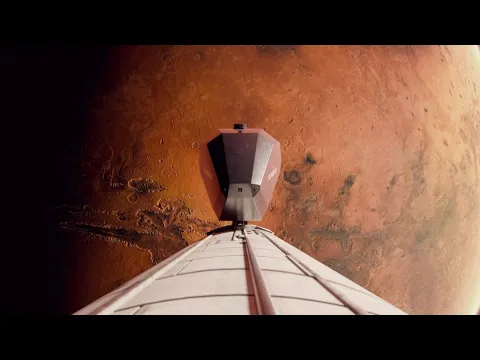
Reducing travel time is not just a matter of efficiency. It is also a critical factor for the health of astronauts involved in space travel.
Currently, long missions expose crew members to risks such as:
- Intense and continuous cosmic radiation
- Loss of muscle and bone mass
- Cardiovascular problems associated with microgravity
With the advance of the United Kingdom in plasma ignition, the use of a fusion engine could drastically reduce the exposure period to these factors.
This makes missions safer and increases the chances of success in crewed trips to Mars. In practical terms, it means less physical wear and greater preservation of astronaut health.
Energy efficiency and economy make space travel more viable
Another relevant impact of this advance from the United Kingdom is the economy of missions. Space travel has always been marked by extremely high costs, which limits the frequency and scale of operations.
With the introduction of the fusion engine, powered by plasma ignition, there is an expectation of significant reduction in operational costs.
Among the main gains are:
- Lower fuel consumption over long distances
- Reduction of mission time, decreasing logistical expenses
- Greater efficiency in resource use
This scenario could open the door for greater participation from the private sector and accelerate the development of new initiatives in the space sector.
Technical challenges still limit immediate application of technology
Despite the advance in the United Kingdom, the technology still faces significant challenges before it can be applied on a large scale in space travel.
Controlling plasma continuously and safely remains one of the biggest obstacles. Additionally, the development of more powerful superconducting magnets is essential to ensure stability in the system.
Pulsar Fusion is already working on solutions for these issues, including new materials and more advanced control systems.
The successful plasma ignition represents a milestone, but it is still part of a broader process that requires additional validations before reaching real missions.
Why does the space environment favor the fusion engine of Pulsar Fusion?
An interesting aspect of this advance from the United Kingdom is that the environment of space travel may be more suitable for the operation of the fusion engine than Earth itself.
This happens because space offers ideal conditions for this type of technology:
- The vacuum reduces external interference
- Extreme temperatures facilitate thermal isolation
- Absence of atmosphere facilitates plasma control
In this context, plasma ignition tends to be more efficient outside the planet, which reinforces the strategy of developing these engines directly for use in space.
New phase of space exploration gains strength with advance of United Kingdom
The advance of Pulsar Fusion with plasma ignition in a fusion engine marks the beginning of a new phase in space travel. More than an experiment, it is a concrete indication that interplanetary exploration can become faster, safer, and more accessible.
The possibility of reaching speeds close to 800,000 km/h and reducing trips to Mars to weeks completely changes the planning of future missions. Additionally, the potential to generate up to a thousand times more thrust than conventional engines reinforces the relevance of this technology.
There are still technical challenges to overcome, but the progress already achieved by Pulsar Fusion demonstrates that the idea of colonizing Mars is becoming less distant.
If this pace of development continues, space travel could enter a new era in the coming decades — with the United Kingdom playing a strategic role in this transformation.






Seja o primeiro a reagir!