





 Portuguese
  English
  Spanish
  4 min of reading
  68 comments


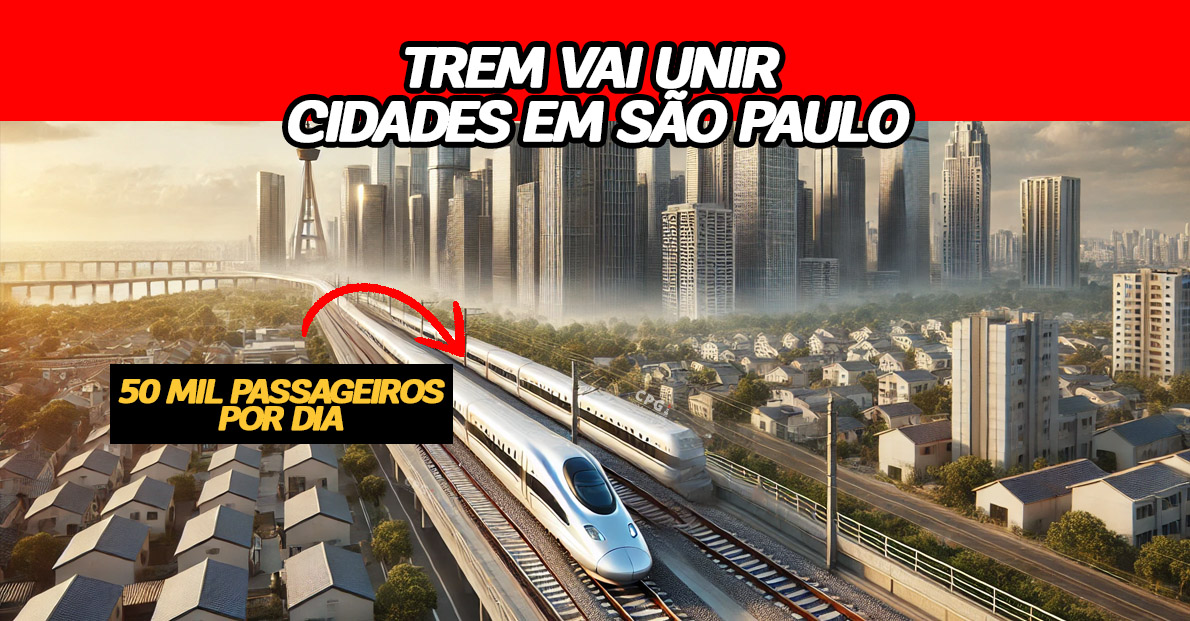

Intercity Train Between São Paulo and Sorocaba Promises to Transport 50 Thousand Passengers Per Day. The Project Depends on Public Hearings in 2025.
With promises to revolutionize rail transport in the state of São Paulo, a new train project could transform the routine of thousands of passengers.
But will this project finally get off the ground or end up as another promise?
The railway connection between São Paulo and Sorocaba is in the planning phase and promises to be a game changer in public transport, attracting the attention of everyone who has waited for years for a modern and efficient train system.
-
“No one will make us change the Pix,” says Lula after the US report.

-
Lula responds directly to Trump and says that Pix is from Brazil and will not change under pressure from anyone, after a report from the United States pointed out the Brazilian payment system as an American trade barrier.

-
Amazon has just announced a new fee on all deliveries, and your online purchases will become more expensive starting April 17, including for those buying from the United States here in Brazil.

-
He sold his share for R$ 4 thousand, saw the company become a giant worth R$ 19 trillion, and missed the opportunity of a lifetime.


According to information from the Secretary of Partnerships and Investments, the Intercity Train on the west axis between São Paulo and Sorocaba is the next major medium-distance project to be bid in the state.
The expectations are high, but the path to contract signing is still long.
The public hearings are scheduled for the first quarter of 2025, with the bidding announcement to be released only in the third quarter and the auction planned for the end of the year, in the fourth quarter of 2025.
Promising Route, But Will It Be Fast Enough?
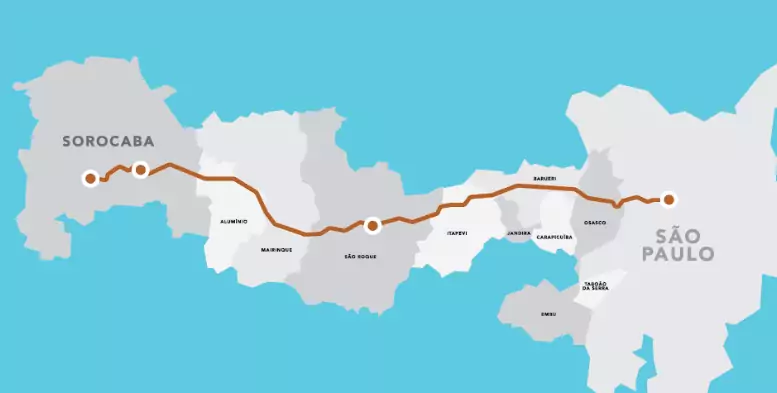
The train’s route will follow the original railway network between the São Paulo capital and Sorocaba, covering a distance of 100 km.
Four stations will be established along the way: Água Branca, São Roque, and two in the city of Sorocaba.
The main difference lies in the travel time, estimated at just 60 minutes, which would represent a significant reduction compared to the current road journey.
Today, the drive between São Paulo and Sorocaba takes about 110 minutes, while the bus trip can take up to 130 minutes.
The estimated demand is ambitious: 50 thousand passengers per day will be able to use the new train.
This would position rail transport in a prominent place in the state, alleviating traffic on the highways and providing a more sustainable and efficient alternative for those needing to travel between these two important cities.
Billion-Dollar Investments at Stake
For the project to move forward, the estimated investments are around R$ 10 billion, which will come through a public-private partnership (PPP).
This amount will be used for the construction of the stations, modernization of the railway network, and acquisition of trains, as well as all the necessary structuring for the system’s operation.
According to the Companhia Paulista de Trens Metropolitanos (CPTM), the train’s concession period will be 30 years.
The project has already passed the pre-feasibility analysis and is in the structuring phase, but it is necessary that all bureaucratic steps be strictly followed to meet the deadlines.
If everything goes well, the contract signing will occur in 2026, marking the start of construction that promises to change the face of public transport in São Paulo.
Will Rail Transport Finally Take Off in Brazil?
The Intercity Train project is yet another chapter in the long history of attempts to revitalize rail transport in Brazil.
The country, which was once a reference in train transport, now struggles to recover this essential infrastructure.
The return of passenger trains is seen as a solution to ease traffic in large cities, reduce the emission of polluting gases, and provide a more efficient and economical mode of transport for the population.
However, the question lingering over many experts is whether the project will truly get off the ground and if Brazil is ready to make this leap.
Although the plans are grand, the country has a history of infrastructure projects facing numerous obstacles, such as lack of funding, political hurdles, and changes in government.
The Future of Rail Transport
With an ambitious proposal and the promise to revolutionize public transport in São Paulo, the Intercity Train could be the first step for Brazil to start investing in passenger rail transport again.
Will this project overcome the challenges and become a reality? If everything goes according to plan, 2026 will mark the beginning of construction, but until then, many challenges still need to be overcome.
What do you think? Will the Intercity Train finally get off the ground or face the same problems as other rail projects in Brazil? Leave your comment below and join this discussion!







🤓 falando em CPTM o caso é sério após uma Auditoria Séria quem sabe ☕
A faixa ferroviária é histórica e já existe, a implantação moderna é prática. E a mobilidade urge de economia, rapidez e segurança.
Dessa vez acredito que vai sair do papel e vai ser a arrancada para engrenar a volta dos trens em todo Brasil…