





 Portuguese
  English
  Spanish
  3 min of reading
  0 comments


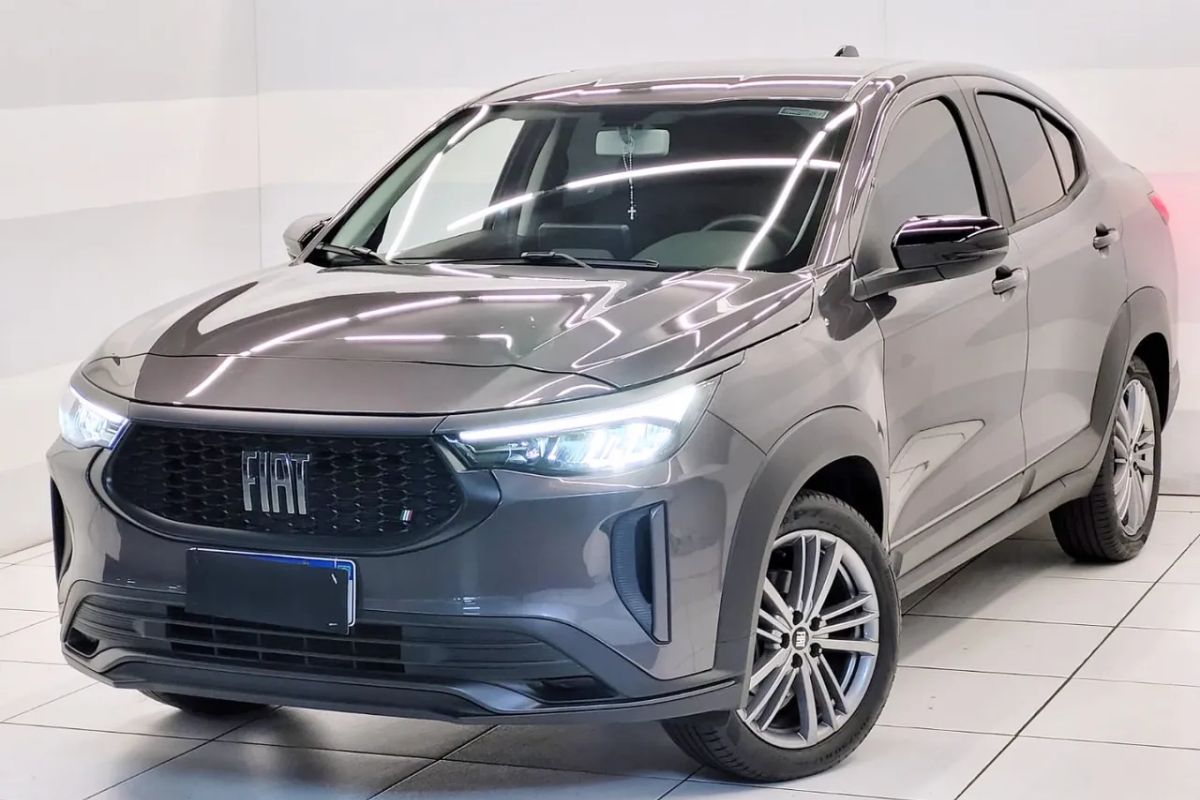
Fiat, Peugeot, Ram, and Jeep Models Undergo Rapid Changes Raising Questions About Resale, Maintenance, and Valuation
In recent years, Stellantis has adopted a curious and accelerated strategy in Brazil: launching models that are altered or restyled in less than a year, directly affecting brands such as Fiat, Peugeot, Ram, and Jeep. This policy generates uncertainties for consumers and resellers, as well as creating involuntary rarities in the market.
The practice, according to the Auto+ portal, became evident in recent cases like the Peugeot 208 turbo, Fiat Titano, Ram Rampage, and even the electrified models Pulse and Fastback. All underwent structural or visual changes in extremely short intervals, making some versions practically exclusive to a single model year.
A Succession of Lightning-Fast Launches Exposes Stellantis’ New Strategy
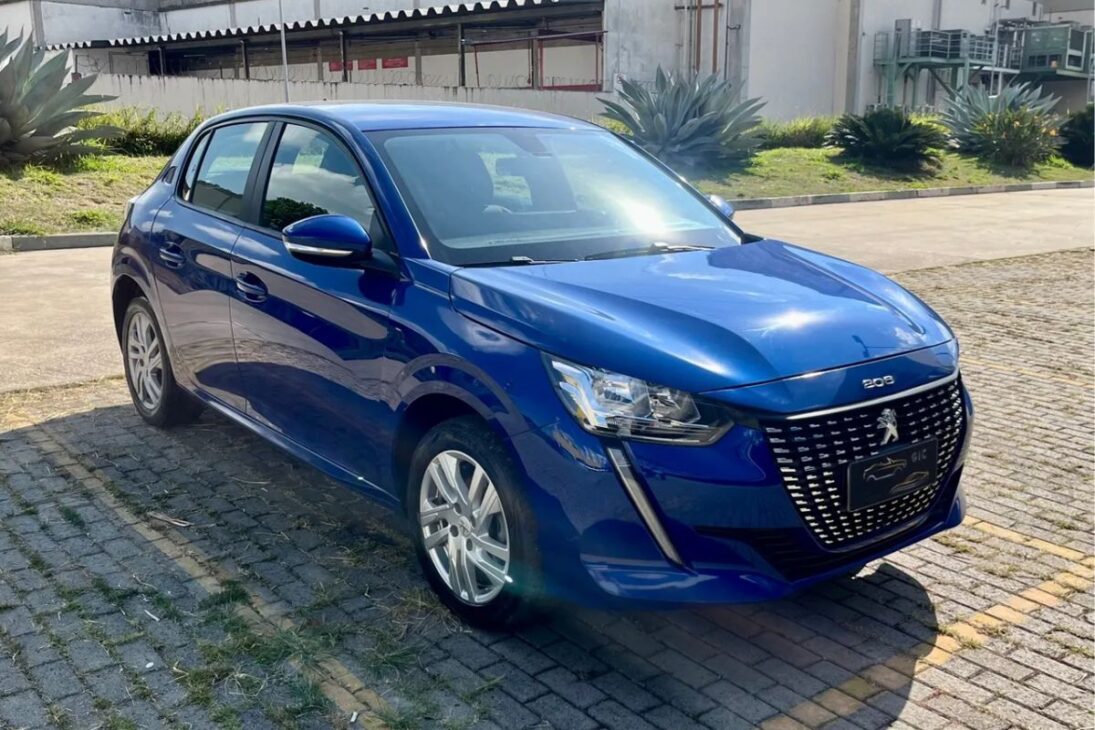
Stellantis has been standing out for an unusual speed in updating its vehicles in Brazil. And this has direct consequences: consumers buy “new” cars that quickly become outdated — or even discontinued — within a matter of months. This pattern, initially attributed to the need to adapt powertrains, has become a repetition.
-
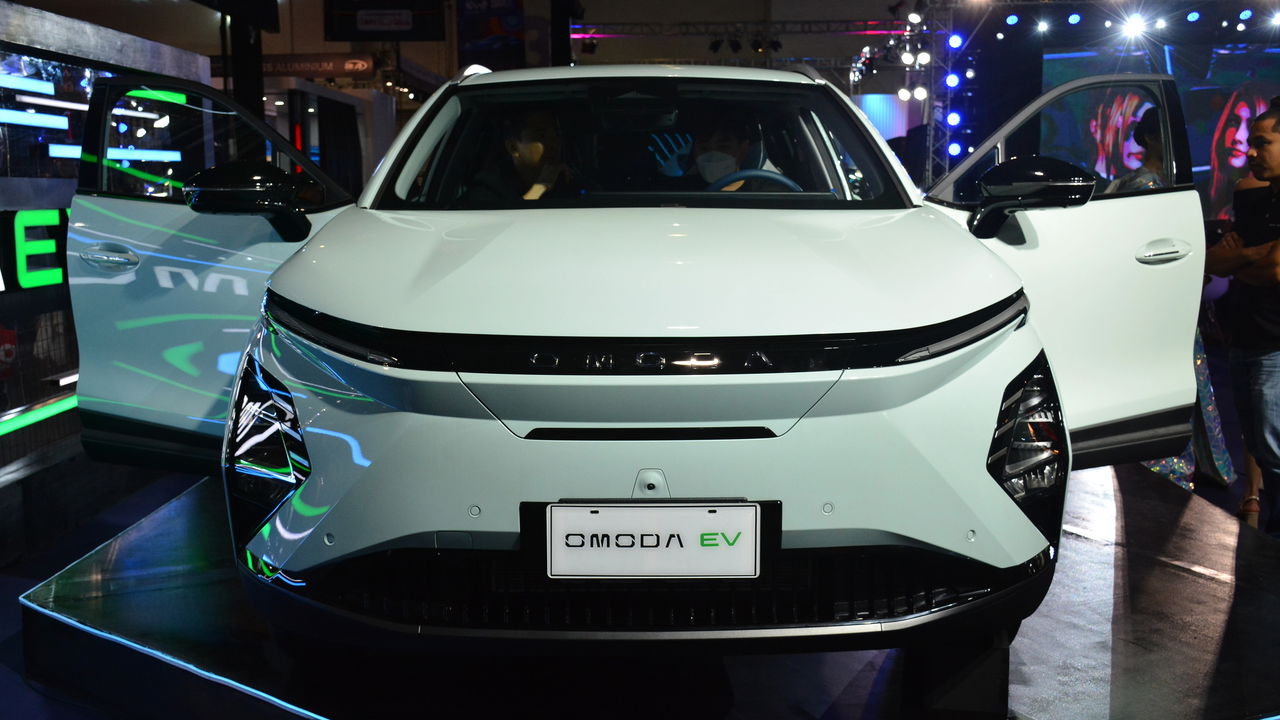
While the industry rushes towards automation, Omoda & Jaecoo bets on technology with a human touch and reveals its global mobility plan for 2026.
-
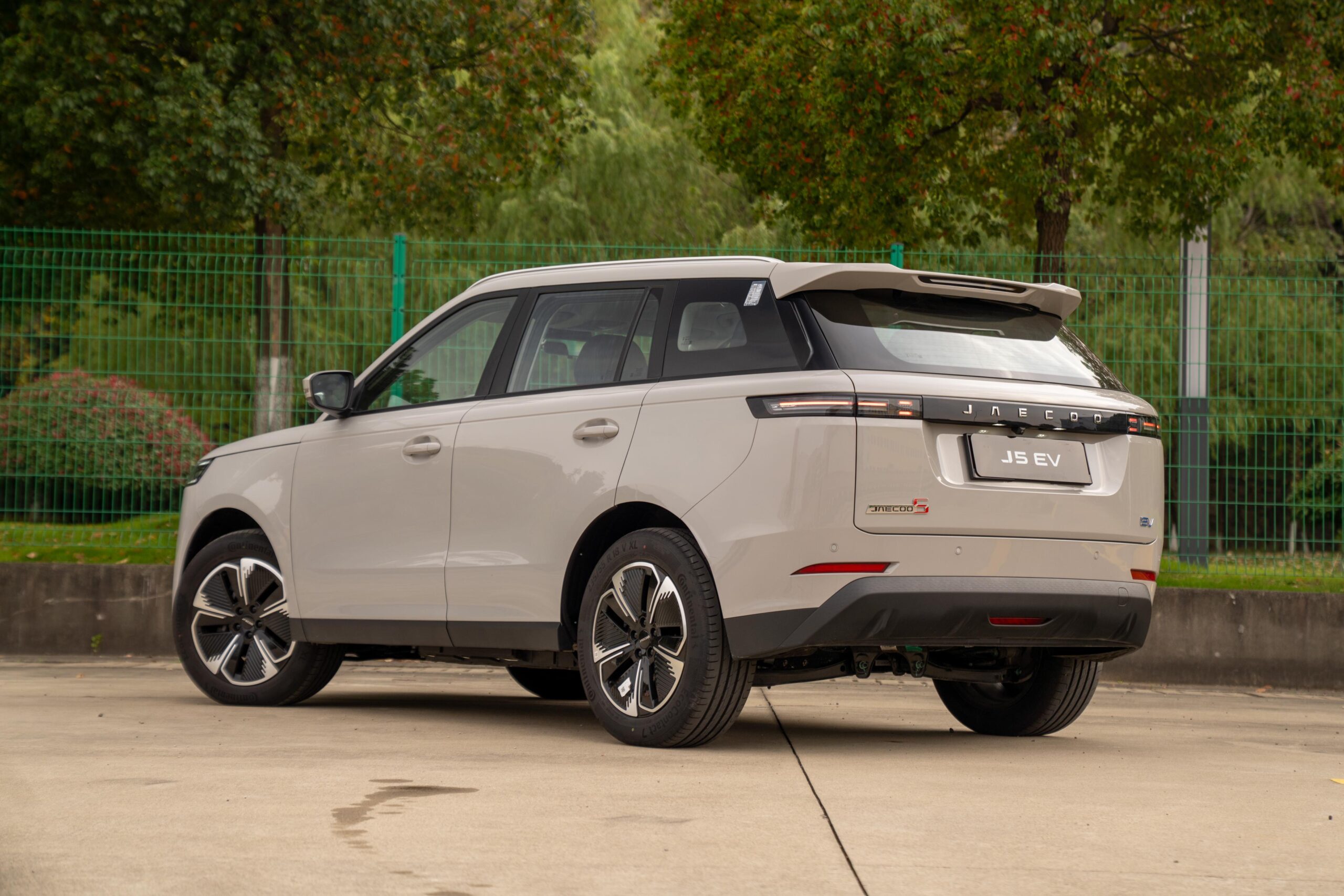
In just 1 year, JAECOO surpasses 7,000 units of the J5 EV delivered in Indonesia and consolidates trust in the Asian market.
-
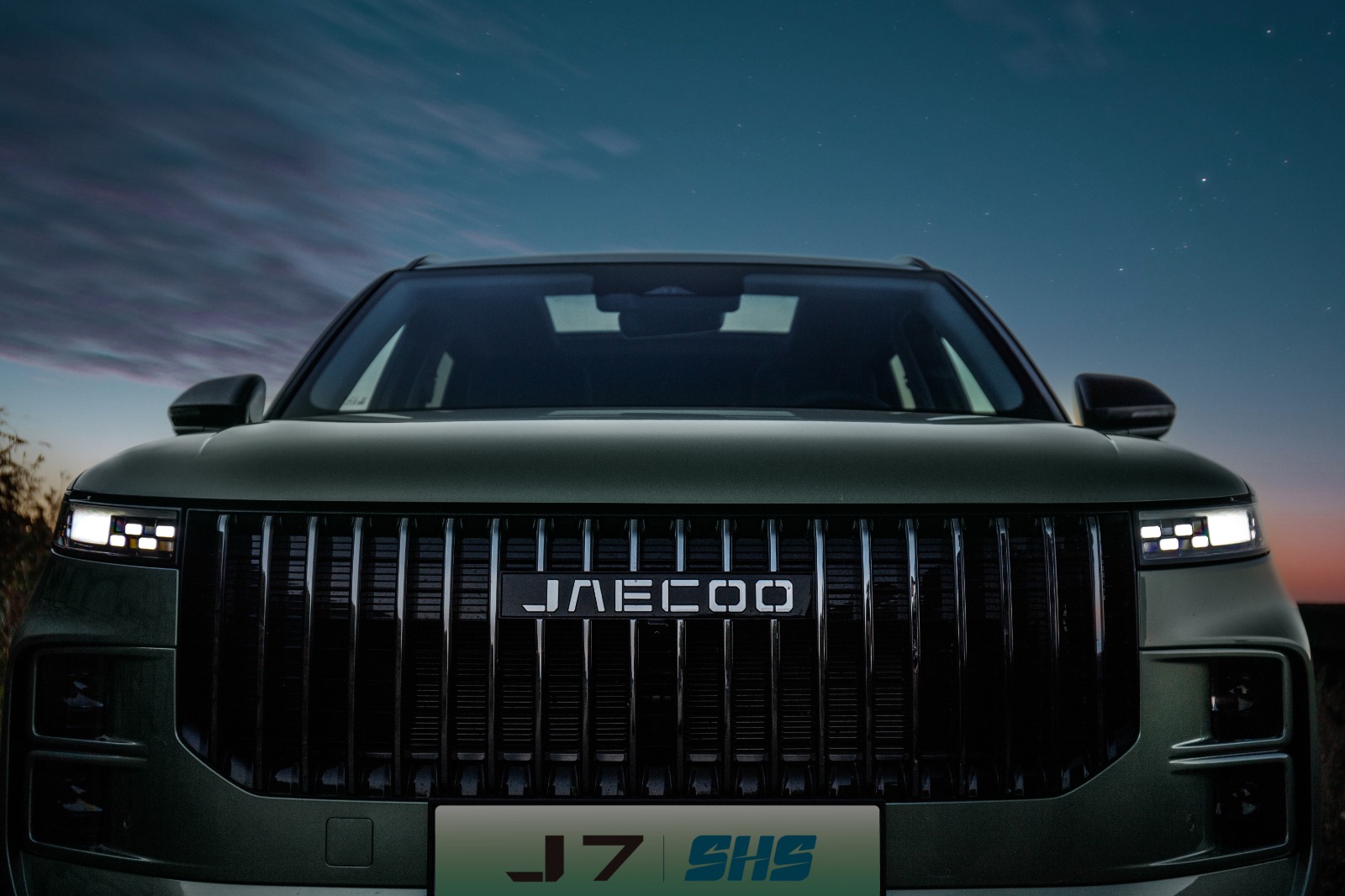
With awards in various countries, the Jaecoo 7 is establishing itself globally and accelerating the expansion of Omoda & Jaecoo in the hybrid SUV market.
-
5 cheapest used cars than a Honda CG 160 Titan 0 km, with options starting at R$ 13,000 for those who want to trade their motorcycle for a car and escape the rain, sun, and risks of riding.


The Peugeot 208 Style Turbo, for example, was launched in September 2023 with a 1.0 turbo engine but was already out of stores by September 2024, with the model restyled and a new naming convention for the versions. The Fiat Titano, launched in March 2024, underwent a complete transformation in May 2025: new engine, revamped suspension, and production moved from Uruguay to Argentina.
The case of Ram Rampage is similar. Launched in June 2023, it received a more modern diesel powertrain in November 2024, which made the initial version a rare item in just over a year.
Pulse and Fastback Hybrids Lasted Less Than a Year
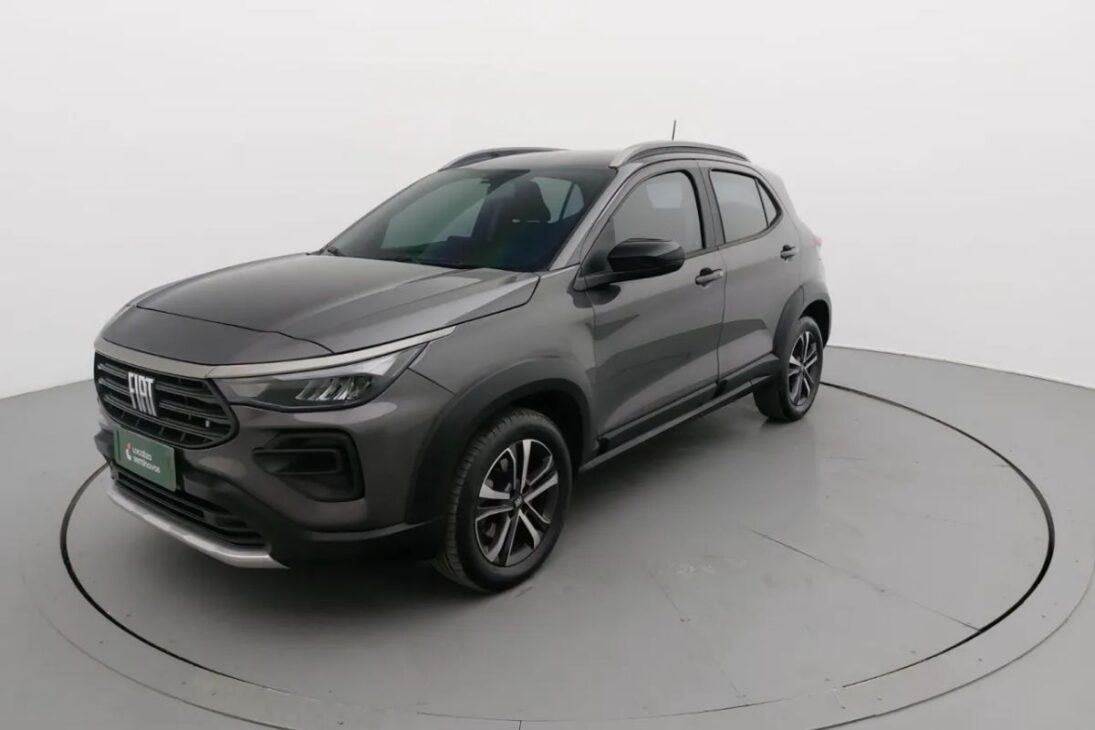
Another example of this rushed strategy is the so-called Fiat Pulse and Fastback Hybrid. Launched in November 2024 with a 1.0 turbo engine assisted by a mild hybrid electric system (MHEV), they were replaced in less than seven months with the arrival of the renewed design of both body styles. Even maintaining the same mechanical base, the look of the models was quickly updated.
Despite bearing the name “Hybrid,” the models are not conventional hybrids. The electric motor only assists the combustion engine, without moving the car on its own. Nevertheless, they received tax benefits such as IPVA exemptions in some states.
Electric Models and Jeep Also Get Involved
In the electric arena, Fiat 500e and Peugeot e-2008 also followed this short-duration pattern. The former had a single batch in Brazil in 2022, with units still stuck in stock today. The latter appeared only in 2023 and will return in 2025 with a new look, but still without significant sales volume.
To complete the pattern, Stellantis is preparing to restyle the Jeep Commander, still in 2025, keeping the current engines for only one year. In 2026, two of these engines will be modified, gaining partial electrification and new calibration, which will again completely change the car’s technical configuration in a short time.
Global Strategy or Disregard for the Consumer?
Although Stellantis does not officially comment on the strategy, the rapid changes seem to address the need to adapt the engine line to emissions and energy efficiency requirements, along with trying to keep pace with market trends at low cost. However, this undermines predictability for buyers, whether for personal use or as an investment.
Models outdated in less than a year tend to experience severe depreciation and raise questions about parts availability, maintenance, and technical support. For some consumers, this can mean a “lemon” in resale. For others, an opportunity to buy rare versions at a reduced price.
Stellantis has been following a strategy of constant and sometimes hasty updates. This policy may even favor quick adjustments but calls into question the trust of consumers who expect durability, support, and appreciation for their cars.
Would you buy a car knowing it will be altered in less than a year? Comment below!









-

Uma pessoa reagiu a isso.