





 Portuguese
  English
  Spanish
  5 min of reading
  0 comments


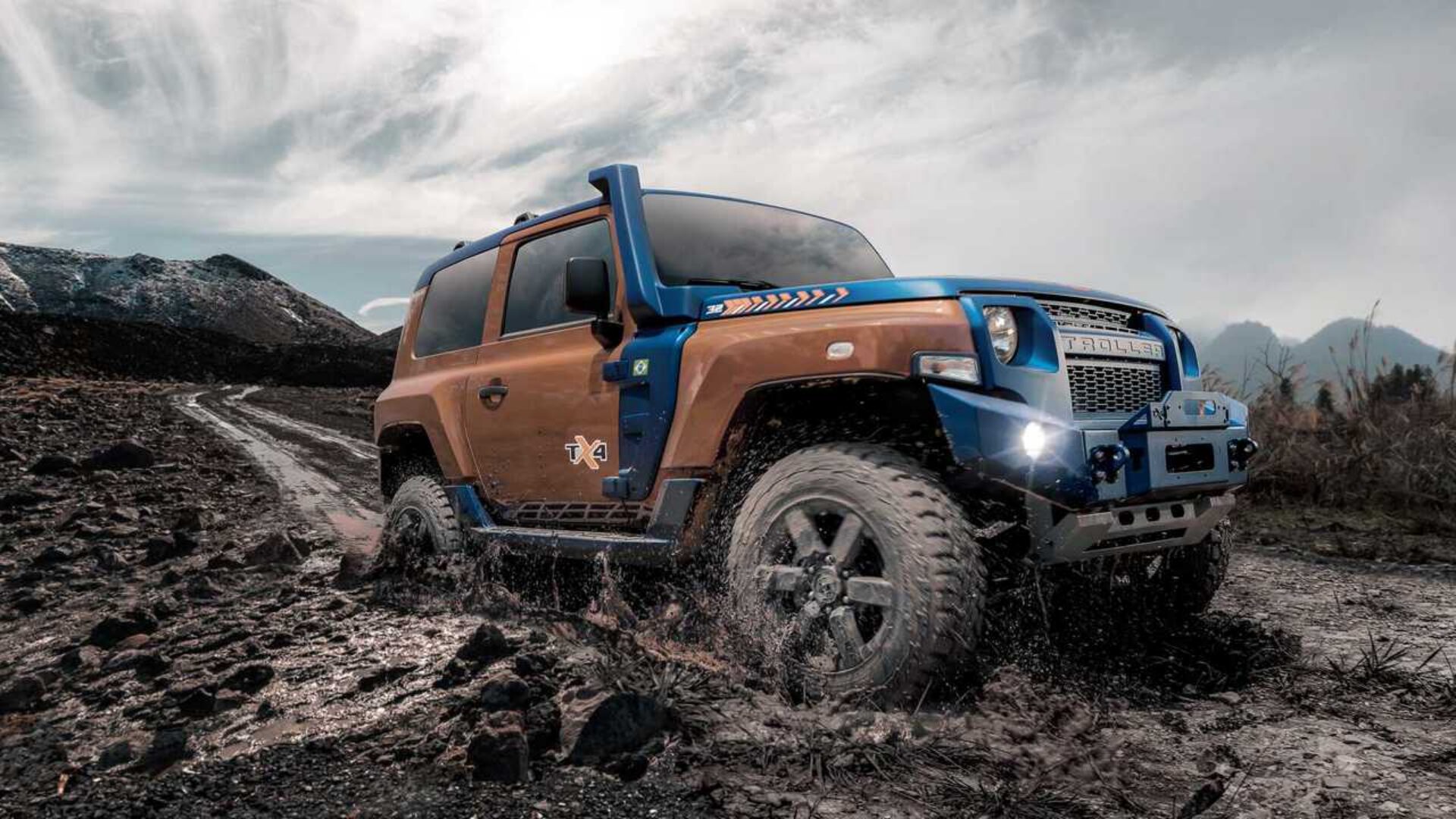
After The Closure Of The Factory, The Former Troller Plant Will Be Revitalized To Produce Hybrid And Sustainable Vehicles, Boosting The Local Economy
The brand Troller, known for its rugged off-road vehicles, has undergone significant changes in recent years, culminating in the transfer of its factory to the government of Ceará.
The former plant in Horizonte, where the iconic Troller T4 was produced, will now be transformed into an industrial hub focused on the production of hybrid and electric vehicles.
The History Of Troller And Its Rise In The Market
Founded in 1995 by Cearense businessman Rogério Farias, Troller quickly gained notoriety by offering an alternative to traditional jeeps with its T4 model, designed to tackle challenging terrains.
-
OMODA & JAECOO grows in Europe in 2026 with an integrated strategy of sales, innovation, local production, and technological advancement in the United Kingdom, Italy, and Spain.
-
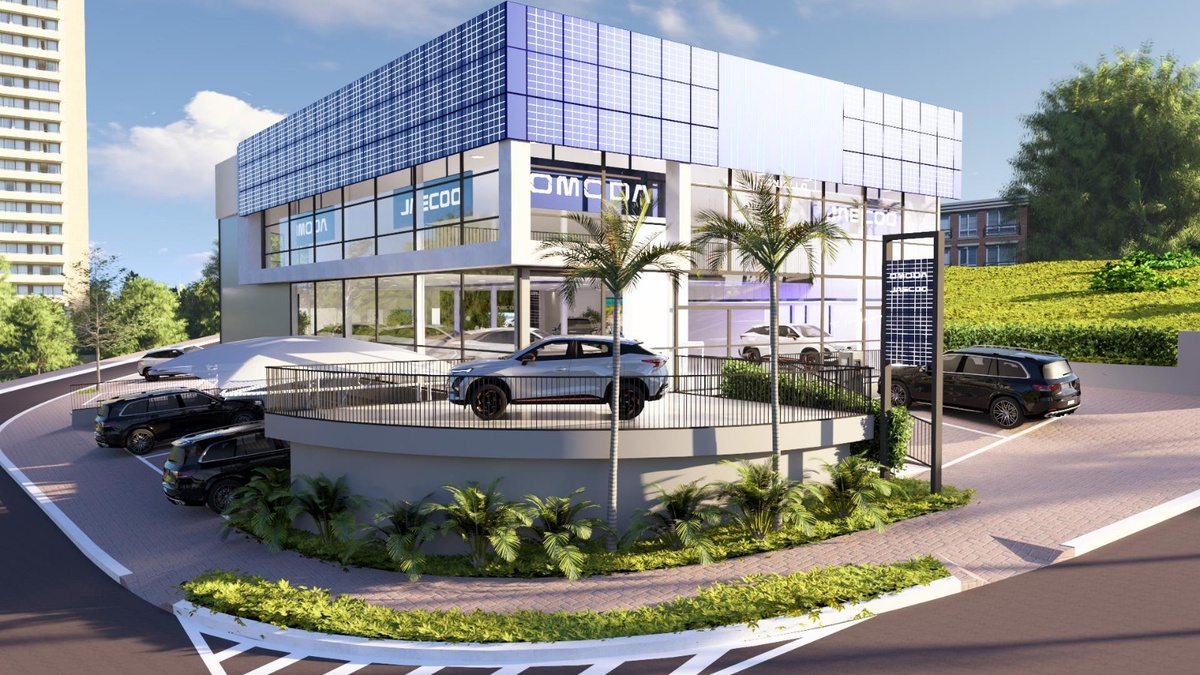
OMODA & JAECOO expands after-sales service in Brazil with competitive maintenance, a 7-year warranty, and high availability of parts for technological SUVs.
-
OMODA & JAECOO appoints Alessandra Souza as executive marketing director in Brazil and accelerates brand expansion with a focus on innovation, networking, and hybrid portfolio.

-
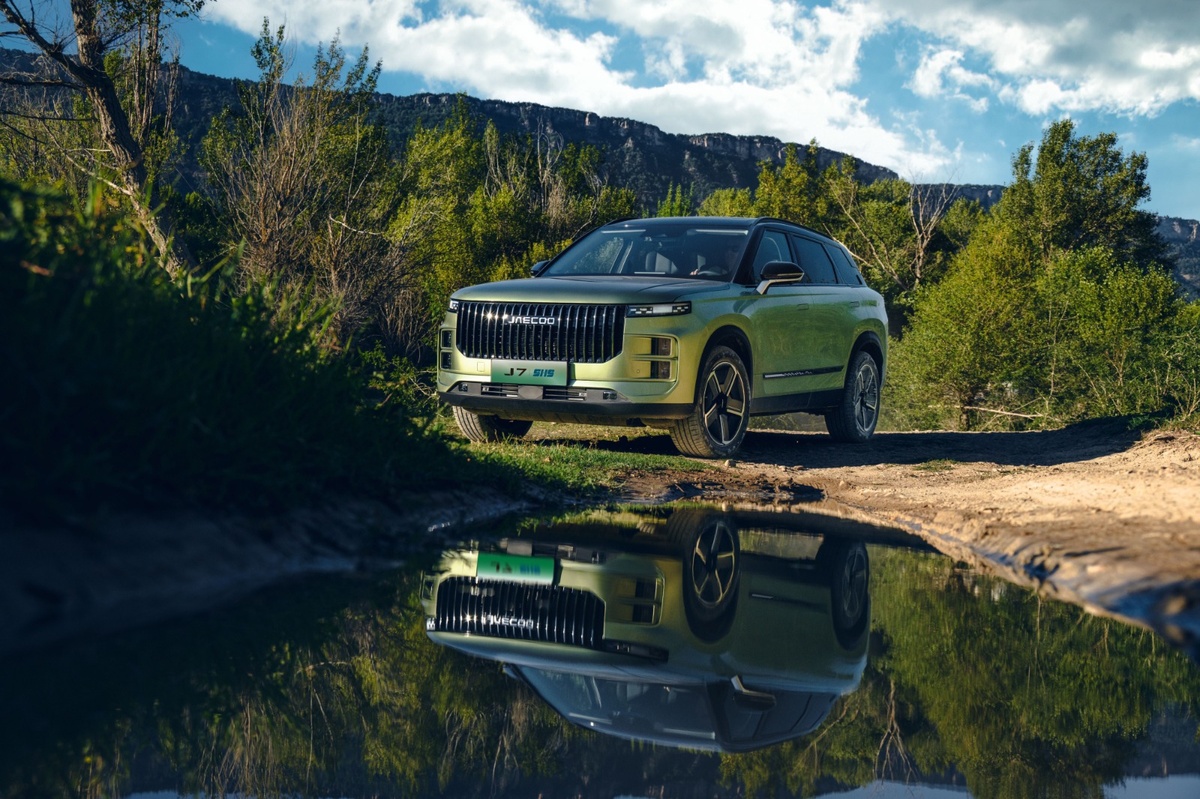
Jaecoo 7 with super hybrid SHS system exceeds 1,200 km of combined range with a 1.5 turbo engine, high-density battery, and intelligent energy management.

The T4 stood out for its durability, off-road capability, and robust design, winning the preference of adventurers and nature lovers.
In 1997, businessman Mário Araripe joined the company and initiated a phase of significant expansion, solidifying the brand’s presence in the off-road segment.
In 2007, Ford acquired Troller, recognizing its potential to strengthen its presence in the Brazilian market.
Ford’s entry brought significant improvements to its production and development line, and the T4 became a true icon among adventure enthusiasts.
At its peak, Troller registered an impressive 226 vehicles registered in a single month, reflecting the popularity and demand for its products.
The Production Closure And The New Phase Of The Factory
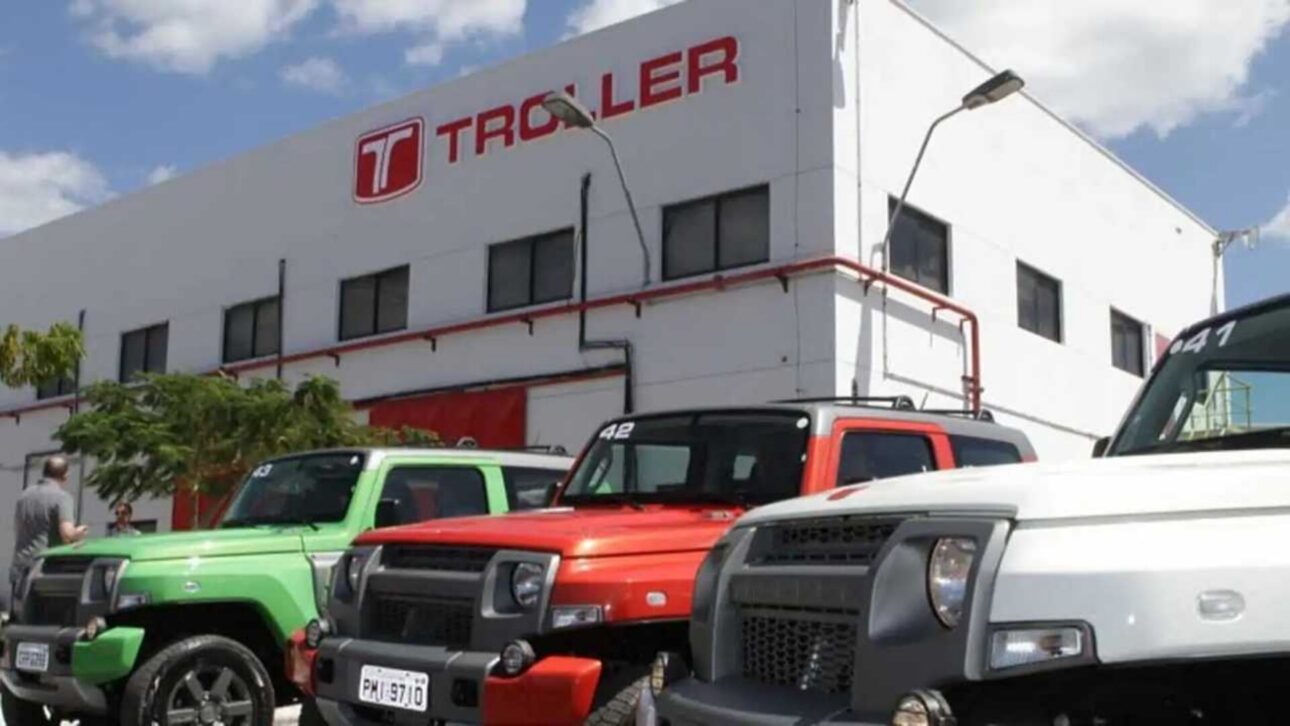
Over time, Ford decided to discontinue the production of Troller as part of a global restructuring, which included the closure of several factories in Brazil and a shift in focus to vehicle imports.
The American automaker faced financial challenges and reassessed its operations in the country, leading to the shutdown of Troller’s activities in September 2021.
Even after attempts to sell the brand, Troller ceased operations, leaving a significant legacy in the national automotive sector.
Transformation Of The Factory Into An Industrial Hub
After the discontinuation of Troller, Ford transferred the Horizonte factory to the government of Ceará, establishing an agreement to transform the site into a new Automotive Industrial Hub.
This hub, which will occupy 11.89 hectares, aims to revitalize the local automotive industry and boost the production of electrified and hybrid vehicles.
The change reflects a global trend of transformation in the automotive industry, seeking greater sustainability and innovation.
The government of Ceará announced an initial investment of R$ 400 million for the new hub, which will start operating with an initial capacity of 40,000 vehicles.
The forecast is that the first models will be produced as early as the first half of 2025, marking the start of a new era for the automotive industry in the state.
The initiative aims not only to create jobs but also to position Ceará as a center of excellence in the production of sustainable vehicles.
Focus On A Multibrand Model
The new industrial hub will focus on a multibrand model, allowing for the production of vehicles on demand for various automakers.
This strategy ensures flexibility and adaptability, helping to meet the demand of different manufacturers looking to expand their presence in the Brazilian market.
Although the names of the brands participating in the project have yet to be disclosed, the partnership with Comexport, an important foreign trade company, ensures the viability of the venture.
Comexport already acts as an intermediary for major manufacturers, including Mercedes-Benz, Honda, and Volkswagen in Brazil, which increases the credibility and attractiveness of the new hub.
The Legacy Of Troller And The Future Of The Automotive Industry In Ceará


The history of Troller, marked by innovations and challenges, serves as a reminder of the importance of adaptation in the automotive sector.
The brand left a significant legacy, not only in Brazil but also among off-road vehicle enthusiasts around the world.
With the transformation of the former factory into a hub for the production of electric and hybrid vehicles, Ceará positions itself as a new center for industrial development, promising economic growth and opportunities for the future.
Furthermore, the growing demand for sustainable vehicles reflects a change in consumer behavior, which is increasingly aware of the need for mobility solutions that minimize environmental impact.
The new industrial hub represents a response to this demand, aligning with global trends and sustainable development goals.
Innovations And Technology In The New Hub
The new industrial hub will not only be limited to vehicle production but will also seek innovations in automotive technology.
The facility is expected to become a research and development center where new electric mobility technologies can be explored.
This may include research in more efficient batteries, autonomous driving technologies, and connectivity systems for vehicles, all aligned with market needs.
The Impact On The Local Economy
The revitalization of the former Troller factory as an industrial hub will have a significant impact on the local economy.
The generation of direct and indirect jobs, along with the stimulation of suppliers and service providers in the region, will contribute to the economic growth of Ceará.
The expectation is that the new hub will attract additional investments, further boosting the development of the automotive industry in the state.
The Future Of Mobility In Brazil
While Troller enthusiasts mourn the end of the brand, the new industrial hub represents renewed hope for the Brazilian automotive industry, focusing on sustainable technologies and the diverse production of vehicles.
The ongoing changes reflect the evolution of the market and the growing demand for more ecological alternatives, which can shape the future of mobility in Brazil.
The transition to electric and hybrid vehicles not only represents a new era in the automotive industry but also a fundamental step toward a more sustainable and responsible future.
SOURCE:EXAME





Seja o primeiro a reagir!