





 Portuguese
  English
  Spanish
  4 min of reading
  0 comments


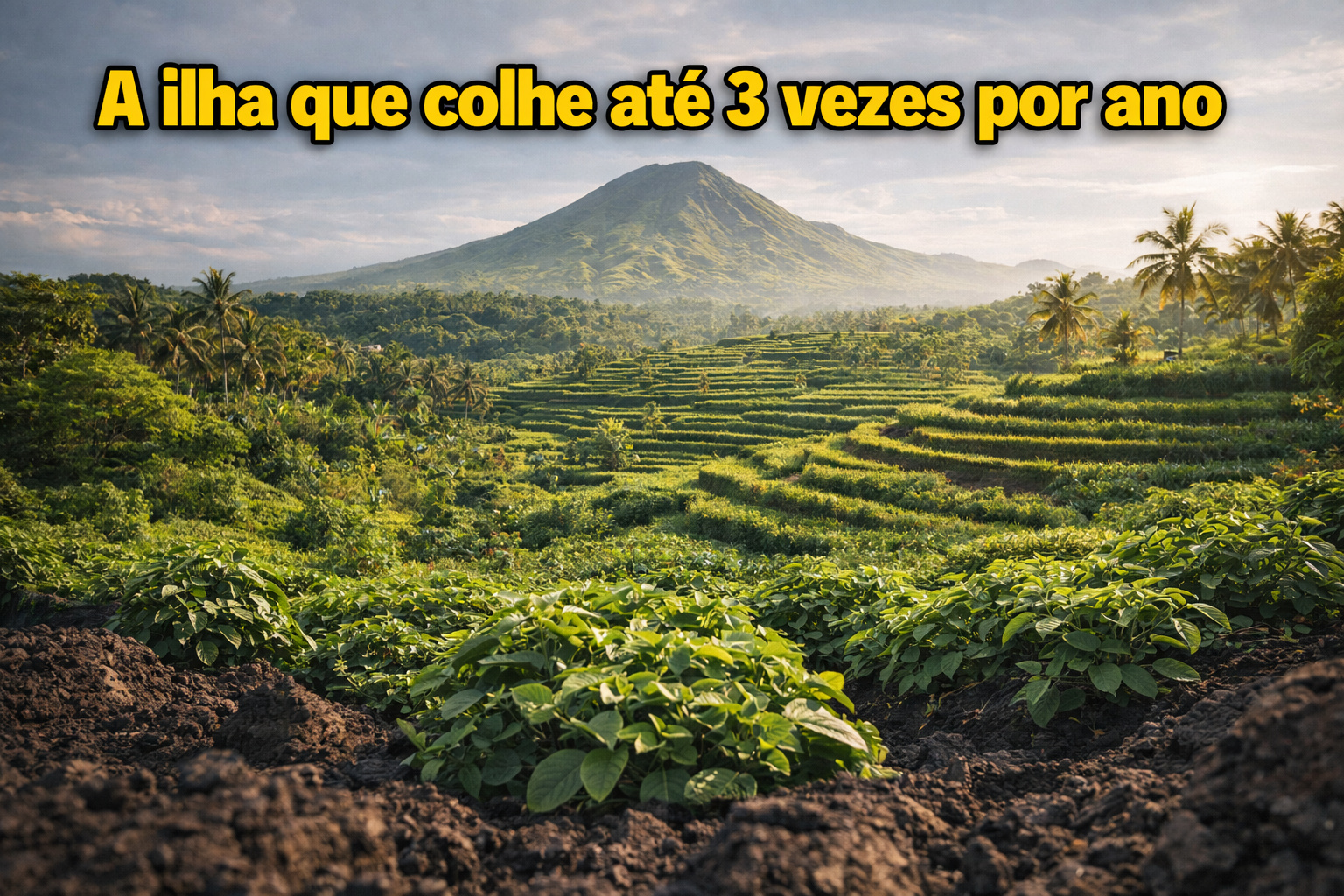
On Java Island in Indonesia, Volcanic Soil and Intensive Irrigation Allow for Up to Three Harvests a Year and Sustain One of the Most Intense AgriCultures in the World.
The statement may seem exaggerated until you put a name and a map on it: the island is Java, Indonesia — a land strip marked by active volcanoes, volcanic ash that turns into fertile soil, and an agriculture so intense that, in irrigated areas, it manages to sustain three growing cycles in the same year. Instead of relying on a single annual harvest, Java operates as a continuous production system, driven by tropical climate and water engineering. This is not an isolated curiosity, but a productive model documented and replicated for decades.
Java Is Not Just an Island: It Is an Agricultural Engine Built on Volcanoes
Java occupies a strategic position within Indonesia because it combines two rare factors on the same scale: extreme natural fertility and continuous intensive agricultural use. The chain of volcanoes spread across the island deposits mineral materials that, over time, form young, deep, and highly productive soils.

Unlike regions where fertility depends almost exclusively on chemical correction, in Java the soil is born with structural advantages. This allows for high productivity even in repeated cropping systems, as long as management is maintained.
-
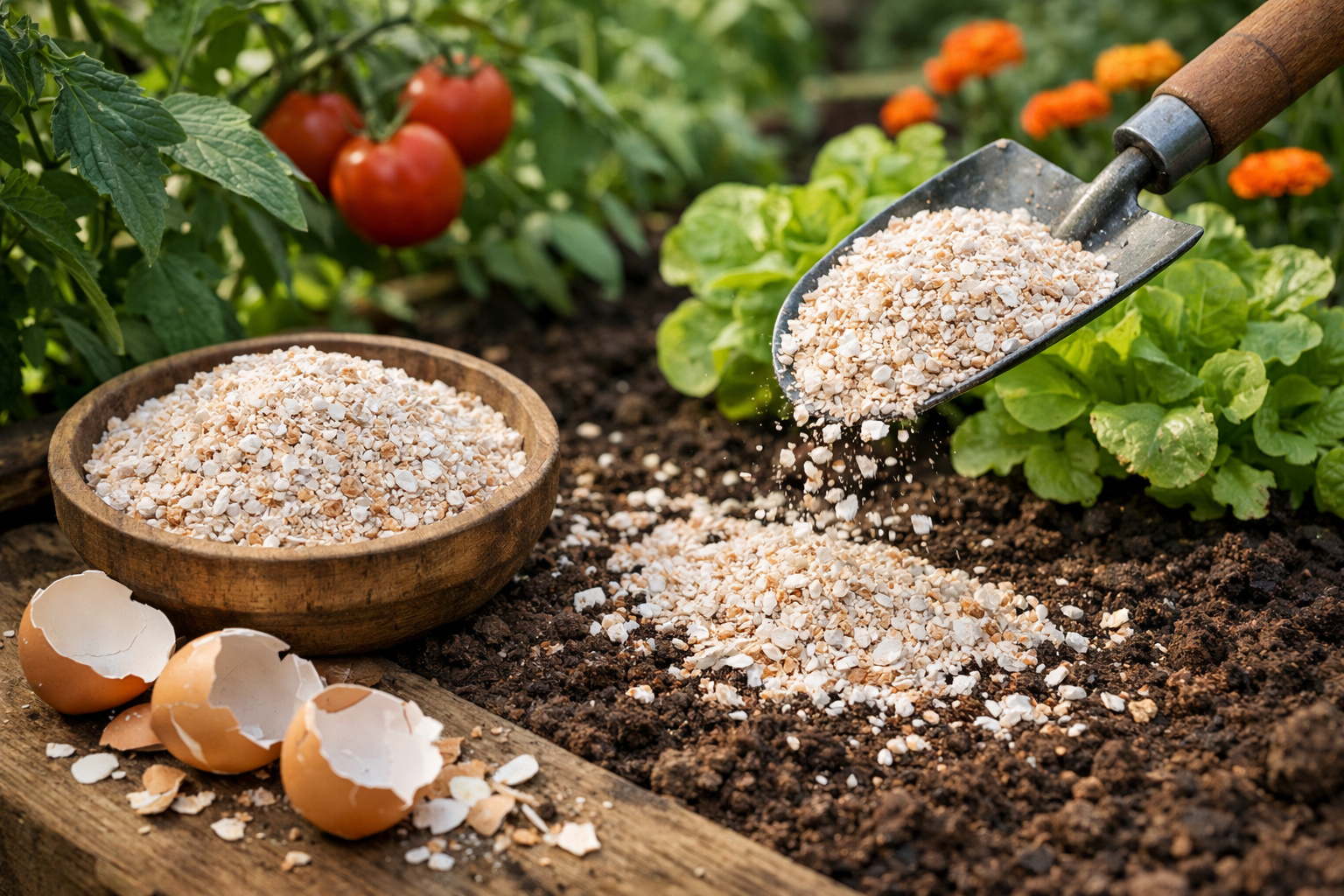
The eggshell that almost everyone throws away is made up of about 95% calcium carbonate and can help enrich the soil when crushed, slowly releasing nutrients and being reused in home gardens and vegetable patches.
-
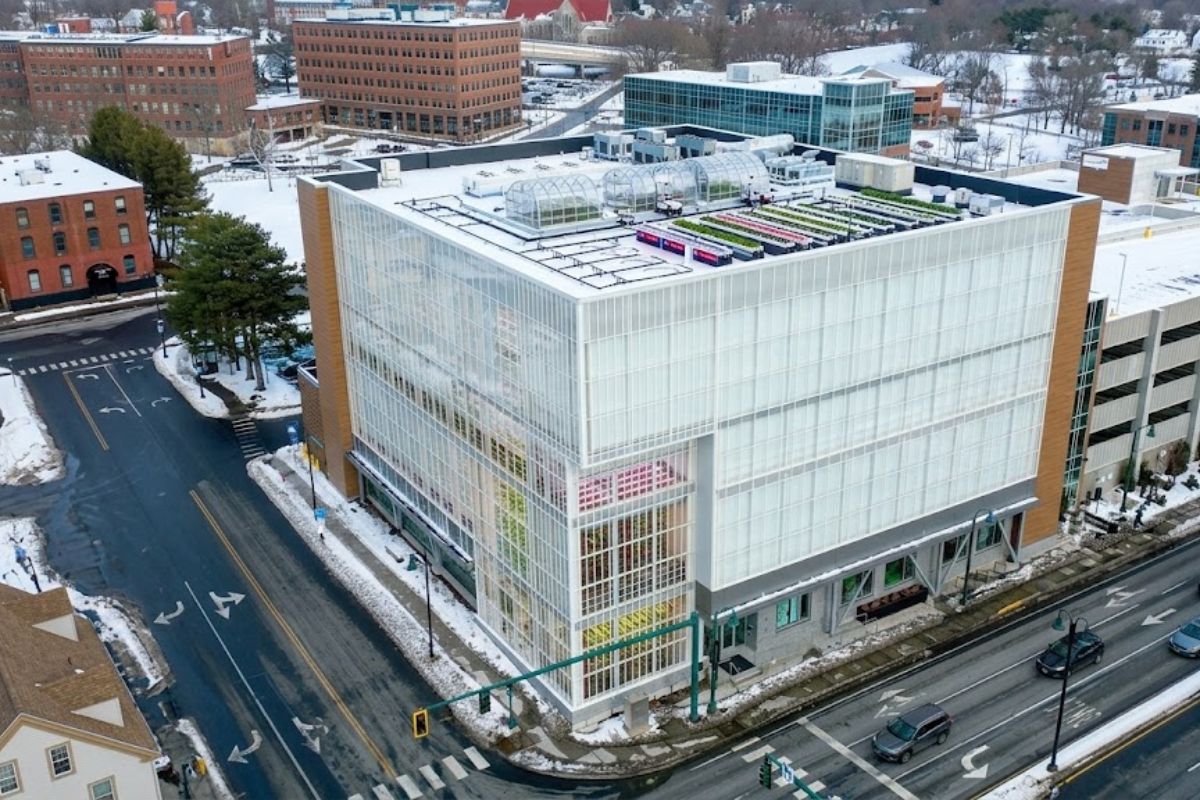
This farm in the United States does not use sunlight, does not use soil, and produces 500 times more food per square meter than traditional agriculture: the secret lies in 42,000 LEDs, hydroponics, and a system that recycles even the heat from the lamps.
-
The water that almost everyone throws away after cooking potatoes carries nutrients released during the preparation and can be reused to help in the development of plants when used correctly at the base of gardens and pots, at no additional cost and without changing the routine.

-
The sea water temperature rose from 28 to 34 degrees in Santa Catarina and killed up to 90% of the oysters: producers who planted over 1 million seeds lost practically everything and say that if it happens again, production is doomed to end.


Climate Above 25 °C All Year Round: Agriculture Never “Shuts Down”
One of the great differentiators of the island is the climate. While temperate regions face months of halt due to cold, Java maintains average annual temperatures above 26 °C, with small variations throughout the year. This climatic pattern keeps the plants’ metabolism actively ongoing.
In practice, this means that the agricultural calendar is not interrupted by cold seasons. What defines when to plant or harvest is not winter, but water availability, soil preparation, and production logistics.
Three Harvests a Year: When Agriculture Becomes an Industrial System
In parts of Java, especially in irrigated areas, rice and other crops are grown in up to three annual cycles. This is only possible because the interval between harvests is extremely short, and the soil remains productive throughout the year.
This level of intensification completely changes the agricultural logic. Production ceases to be an annual event and operates as a continuous flow. Seeds, harvesting, drying, storage, and transportation occur at an almost permanent pace, requiring technical coordination and constant planning.
Millennia-Old Irrigation Combined with Modern Engineering
No system of three harvests a year works without controlled water. Java has developed, over centuries, a complex irrigation network that now combines traditional methods with modern infrastructure.
Channels, dams, and distribution systems allow for precise control of water levels in the soil. This enables staggered plantings, reduces losses from excess or lack of water, and shortens the time between cycles. The result is productive predictability in a naturally favorable environment.
The Role of Volcanic Soil in Extreme Productivity
Volcanic soil offers high mineral availability and good physical structure, facilitating root development in plants. However, high productivity comes with risks.
The constant repetition of harvests accelerates soil degradation if there is no adequate replacement of organic matter and proper management. Therefore, Java has also become a living laboratory for the limits of intensive agriculture, where the balance between productivity and conservation is constantly tested.
An Island That Helps Feed an Entire Country
Java concentrates a significant portion of Indonesia’s agricultural production and sustains a large part of the country’s food supply. In a relatively small territory, millions of tons of food are produced every year, thanks to a combination of fertile soil, favorable climate, and intensive land use.
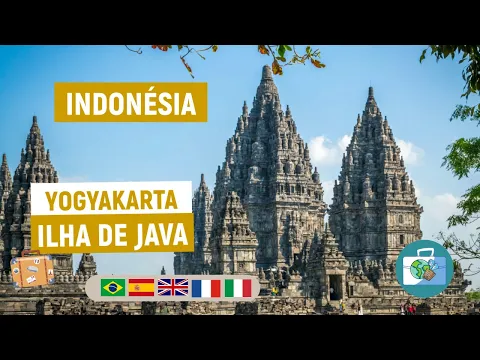
When this system works, it ensures food stability. When it faces pressures — climatic, environmental, or economic — the impacts quickly reflect in prices, food availability, and food security.
Java as a Showcase of the Limits and Possibilities of Intensive Agriculture
What makes Java one of the most productive agricultural areas on the planet is not an isolated record, but the continuous repetition of production cycles throughout the year. Fertile volcanic soil, average temperatures above 25 °C, and the ability to achieve up to three annual harvests have created a unique agricultural model.
This island practically demonstrates how geology, climate, and engineering can multiply production without expanding territory, but it also highlights the challenges of sustaining this level of intensity over time. Java is not just an agricultural region — it is an extreme portrayal of how far modern agriculture can go when nature and technique work together.









-

Uma pessoa reagiu a isso.