





 Portuguese
  English
  Spanish
  4 min of reading
  0 comments


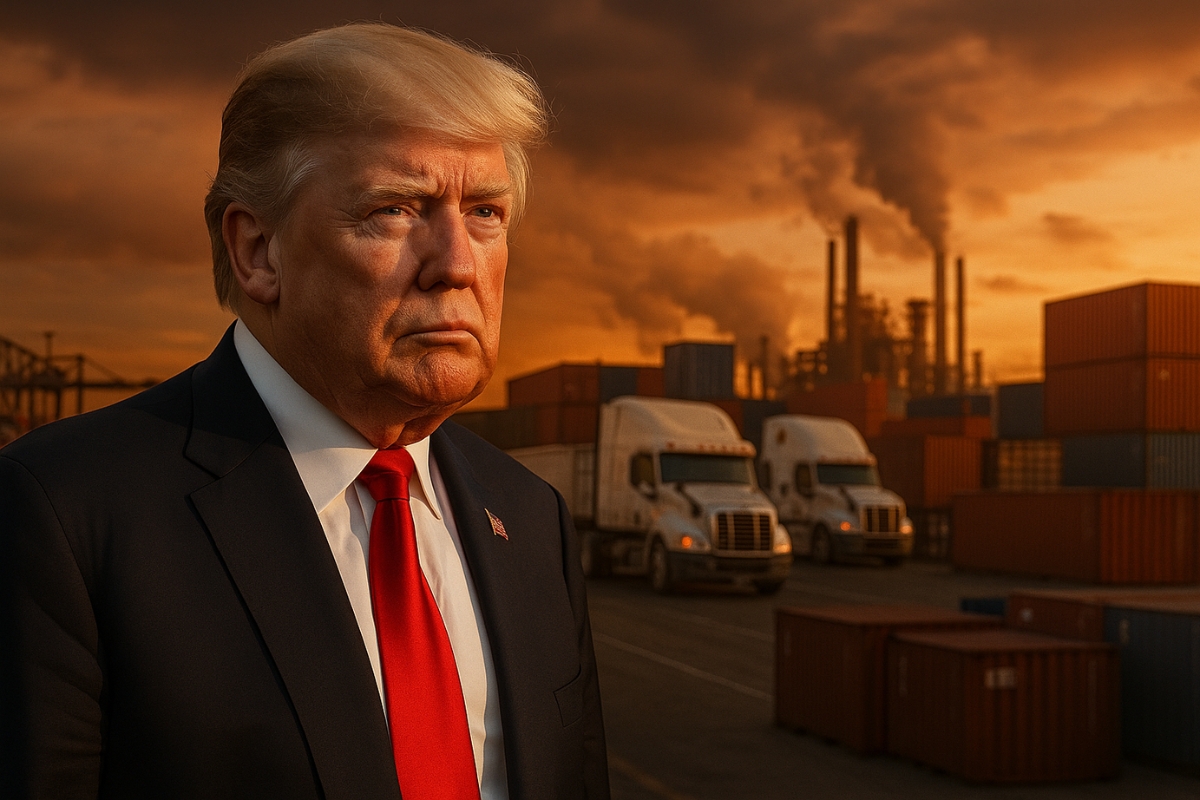
Trump Resumes Tariff Policy on Trucks, Steel, and Aluminum, Rekindling Trade Tensions Between the United States and Brazil. The Brazilian Government Seeks Strategies to Mitigate Impacts on the National Industry
Starting on November 1, 2025, the United States will again impose 25% tariffs on medium and heavy imported trucks, a move that rekindles trade protectionism and creates immediate tension with exporting countries, including Brazil.
The announcement made by Donald Trump’s government represents the beginning of a new phase in the tariff war and already concerns strategic sectors of the global economy — including steel, aluminum, and commercial vehicles.
A New American Tariff Gains Strength
After years of relief from trade barriers, the Trump administration decided to revive policies to restrict imports, particularly those threatening the United States’ automotive and metallurgical industries.
-
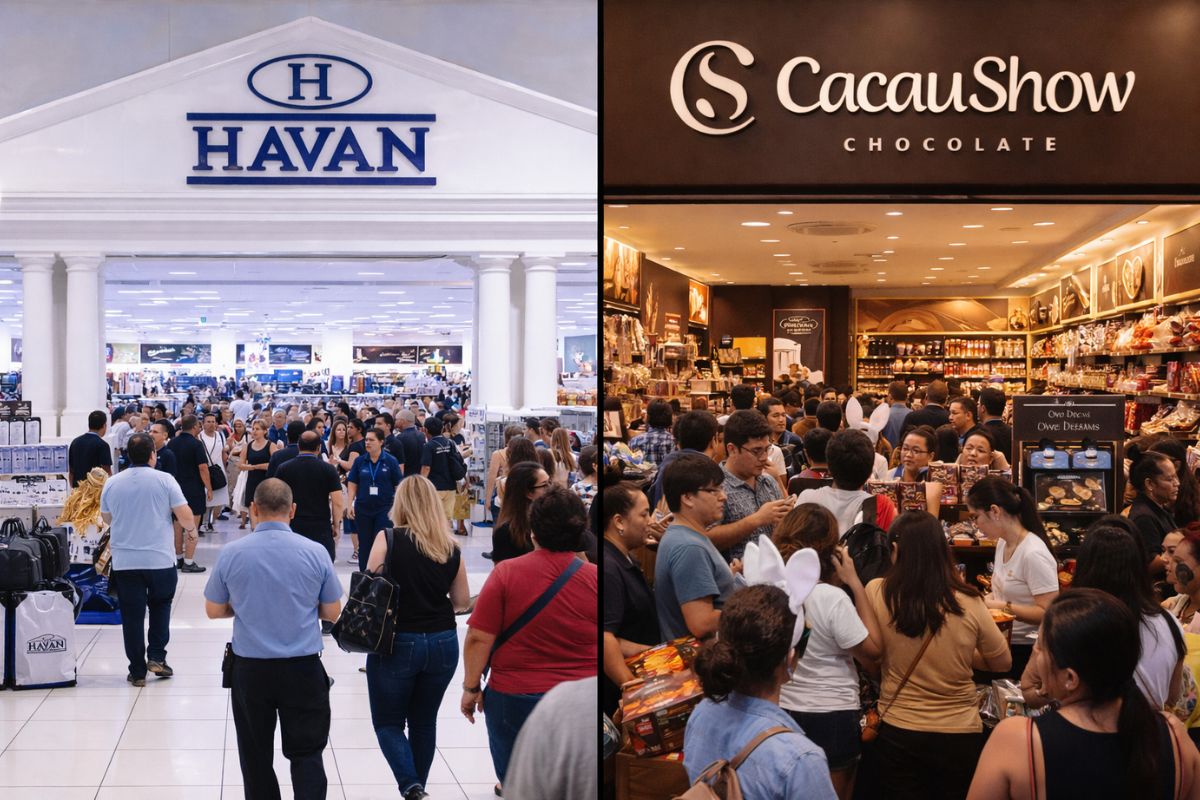
While Havan earns R$ 50 million per day throughout the year, Cacau Show managed six times more in just 24 hours, totaling half a billion reais in two days of Easter.
-
Weak dollar or strong real? The American currency plummets for the third day, approaching R$ 5 and surprising the market with global inflation and tensions in the Middle East that continue to create global uncertainty.

-
China’s investments in Brazil in factories, energy, oil, electric cars, and new industrial projects double to $4.2 billion, making the country the 3rd largest global destination for Chinese capital.

-
Lula announced that 160,000 students in debt with FIES will be included in the federal government’s renegotiation package and compared the cost of an inmate to that of a student by saying that Brazil invests in criminals when it does not invest in education.

The new 25% tariff on medium and heavy trucks will take effect on November 1, and according to the Department of Commerce, aims to protect domestic jobs and stimulate internal production.
The measure was expanded in September to include medium trucks, which were previously not part of the list. Market analysts interpret the decision as a calculated political move — a gesture to Trump’s electoral base in the American Midwest, which is heavily reliant on the automotive industry.
But the actual impact extends far beyond American automakers. The new tariffs directly hit parts, steel, and aluminum suppliers, essential inputs for the global production chain.
Steel and Aluminum: The First Targets of the Trade War
Trump’s tariff package is not limited to trucks. The American government also announced revisions to steel and aluminum imports, with tariffs that can reach 25% for steel and 10% for aluminum.
This policy echoes the 2018 decree, when similar measures triggered a wave of retaliation and diplomatic disputes in international organizations.
Brazil is one of the largest exporters of semi-finished steel to the United States — a significant portion of the production from CSN, Gerdau, and ArcelorMittal is destined for the American market.
According to data from the Instituto Aço Brasil, Brazilian exports to the U.S. generate around US$ 3 billion per year, making the country particularly vulnerable to new barriers.
In practice, tariffs of this magnitude reduce the competitiveness of the Brazilian product and force companies to seek new destinations for excess supply — which can create pressure on internal prices and affect profit margins.
Direct Effects on Brazil
Brazil, although not the primary target of the new tariff wave, is indirectly affected.
With the United States restricting imports, Asian countries like China and South Korea tend to redirect their exports to alternative markets, increasing competition in regions where Brazil also operates.
Furthermore, truck manufacturers based in the country — such as Mercedes-Benz, Volkswagen Trucks, and Scania — export components to the American market.
If the entry cost rises by 25%, these companies may reevaluate their export strategies, impacting employment and domestic industrial production.
Economists project that the combined effects of tariffs on steel, aluminum, and trucks could represent a slowdown of up to 0.2 percentage points in Brazilian GDP between 2025 and 2026, especially in metallurgy and capital goods sectors.
How Brazil Can React
In the face of the American tariff offensive, Brazil has several diplomatic and economic tools to protect itself:
- Trade Reciprocity Law (Law No. 15,122/2025) – allows for equivalent tariffs on U.S. products if the country is harmed by unilateral measures.
- Actions at the WTO (World Trade Organization) – Itamaraty can challenge the tariffs on the grounds of undue protectionism, seeking international arbitration.
- Diversification of Markets – The government and the private sector are studying to expand exports to Asia, the Middle East, and Latin America, reducing dependence on the U.S.
- Bilaterally Agreements and Trade Diplomacy – Direct negotiations may create sectoral exceptions, as occurred with primary aluminum in 2019.
Despite this, experts warn that open retaliation could be costly. Retired ambassador Rubens Barbosa, a former representative of Brazil in Washington, highlighted in an interview with Agência Brasil that “tariffs are part of Trump’s political DNA, and not a technical measure — negotiating will be more prudent than reacting.”
A Scenario of Uncertainties and Opportunities
The American “tariff bomb” generates noise, but also opens strategic gaps.
Brazilian companies that get ahead may reposition supply chains, strengthen regional partnerships, and invest in innovation to offset costs.
Additionally, the devalued real against the dollar tends to mitigate part of the impact, maintaining some competitiveness in exports of industrialized goods.
The challenge is to balance diplomatic responses with measures that preserve local jobs and investments, without compromising bilateral relations with Washington.








Seja o primeiro a reagir!