





 Português
  Inglês
  Espanhol
  4 min de leitura
  0 comentários


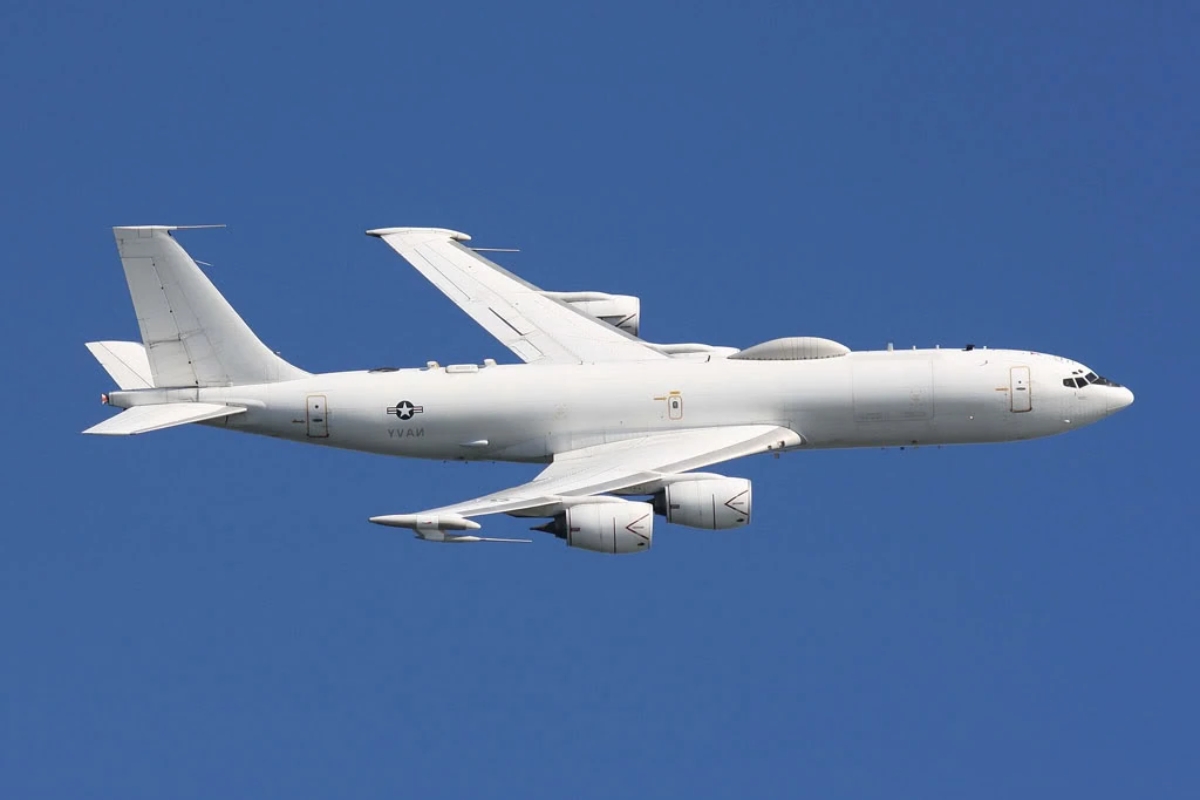
Designed to Keep Operating Even After a Nuclear Attack, the E 6B Mercury Planes Are Seen in Motion Since March 2 and Reestablish U.S. Military Command at the Center of Global Tension
The United States has activated its so-called Doomsday Planes amid the escalating war with Iran. The focus of the operation is on the use of the E 6B Mercury, a military aircraft designed to maintain the command chain active even in extreme scenarios.
The movement gained attention after tracking data recorded multiple flights since the onset of the conflict on February 28. The deployment of these aircraft enhances the perception that Washington wants to preserve its response capability in case the crisis spirals out of control.
These planes function as a kind of command center in the air. In practice, they allow U.S. authorities to maintain contact with strategic forces, including nuclear submarines, even if ground structures are hit.
-
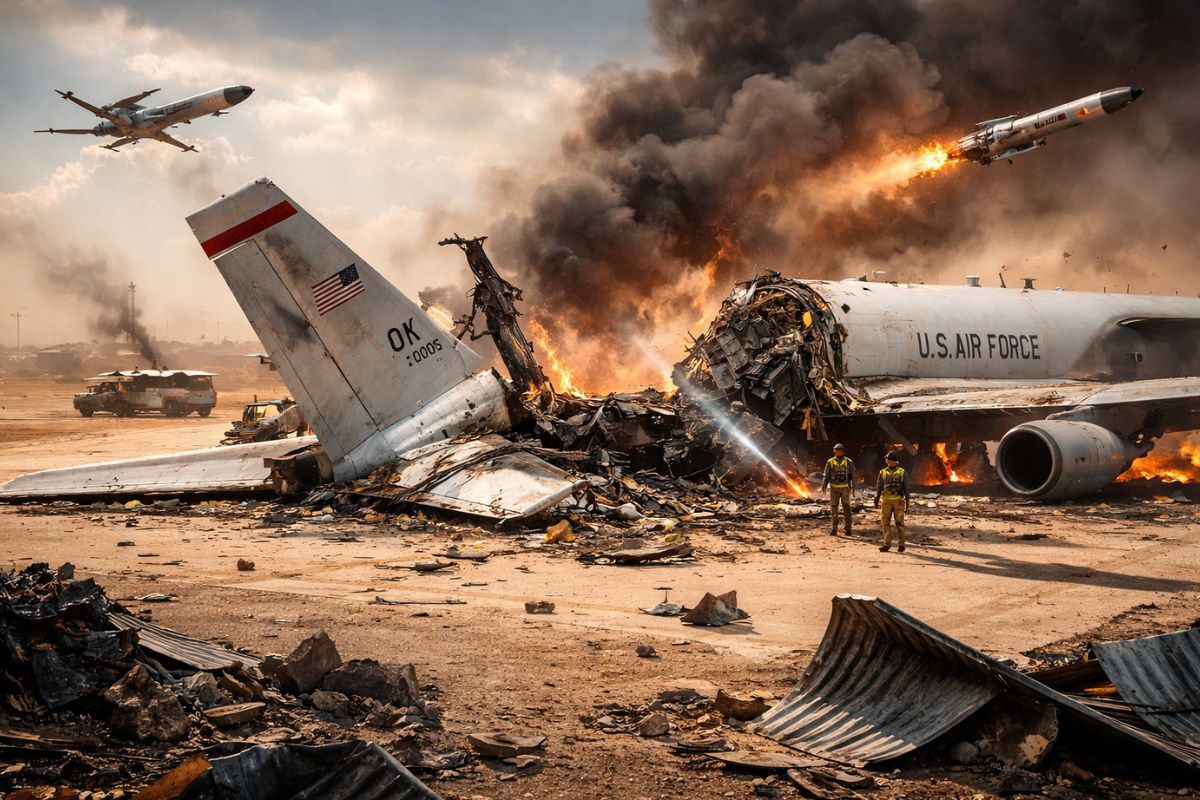
Iranian drones and missiles destroyed a 270 million dollar American spy plane in Saudi Arabia, splitting the E-3 Sentry aircraft in half and injuring 12 military personnel in an attack that exposes the vulnerability of U.S. bases in the Persian Gulf.
-
If the USA were to go to war with Brazil, Washington’s greatest fear would not be the attack itself, but facing a vast territory, prolonged resistance, and a costly, chaotic, and unpredictable occupation.
-
In 2013, Nicaragua sold the concession for a canal to rival Panama to a Chinese billionaire who lost 85% of his fortune, disappeared, and was declared bankrupt. Now the project resurfaces with a new route, a new Chinese partner, and a cost of $64.5 billion.

-
The USA announces a mysterious billion-dollar vault project to store critical minerals, but what intrigues experts is not just the plan itself, but why Latin America, including Brazil, has entered the center of this global dispute against China.


The role of the E 6B Mercury goes beyond basic communication. The aircraft is designed to keep operating during a nuclear war and coordinate military decisions in a high-pressure environment when conventional lines and ground bases may cease to function.
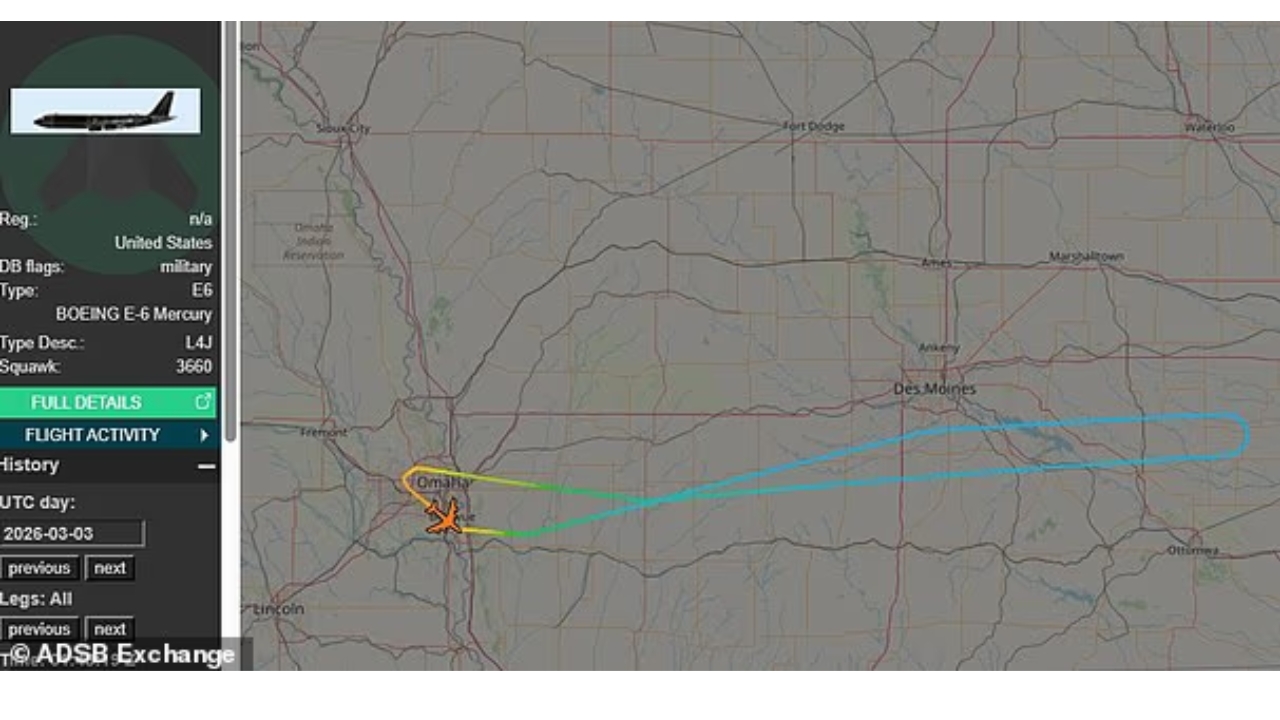
On March 2, two flights of the model were seen over the United States. One departed from the Gulf Coast and landed at the Naval Air Station Patuxent River in Maryland. The other took off and returned to the Offutt Air Force Base in Nebraska.
Mission Created for Extreme Scenarios
The primary task of these aircraft is to execute a mission called TACAMO. In simple terms, this means keeping the transmission of military orders active in a critical situation, including messages intended for the Navy’s nuclear force.
In a crisis scenario, the aircraft can remain in the air or operate near points considered strategic. This helps keep command channels alive, even if communication centers on the ground are blocked or destroyed.
Flights Expand Signal of Military Readiness
After reports concerning U.S. territory, there were new sightings of the E 6B crossing the Atlantic toward the Persian Gulf. The Pentagon did not comment on the reported flights, citing operational security concerns.
According to Chris Melore, journalist and deputy science editor in the United States, these flights have been closely monitored amid heightened military tensions and the risk of further escalation in the Middle East.
How U.S. Air Command Works
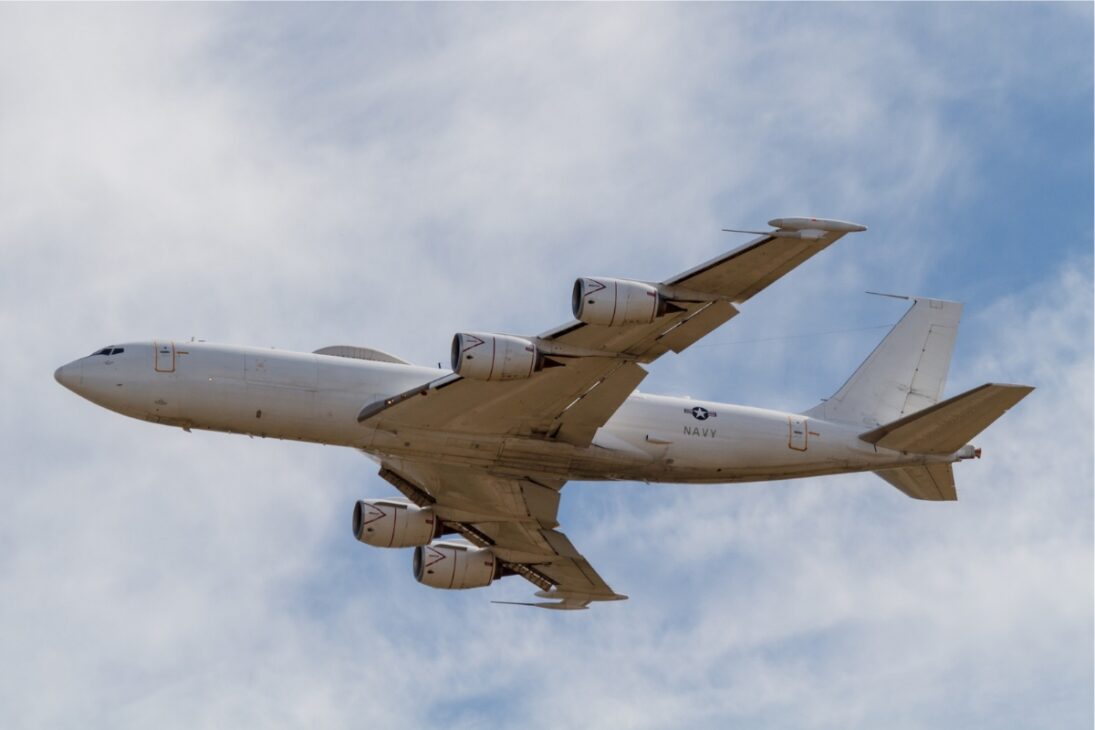
The E 6B Mercury was built based on the Boeing 707 and acts as a flying radio station and command center. The aircraft is equipped with special systems that allow communication with satellites, military installations on land, and structures connected to underground missiles.
This range is what makes the model so critical in times of crisis. If the United States were attacked, the Mercury fleet could help maintain military response organization from the air without fully relying on ground infrastructure.
War with Iran Increases Regional Pressure
In the first week of the conflict, military bases, embassies, and other U.S. civilian targets in the Middle East were hit by Iranian missiles. This environment has heightened fears that the war may escalate to a more dangerous level.
China and Russia, allies of Iran, have already warned of the risk that the situation may spiral out of control. There are also reports that Russia has shared intelligence on the positions of American forces in the region, a move that increases pressure on the military landscape.
Airplane Created During the Cold War Remains Central
Even though it was launched about 40 years ago, the E 6 is still regarded as one of the U.S. aircraft with the highest survival capabilities. Its original function was solidified in the final years of the Cold War, when it was tasked with maintaining strategic command in any scenario.
The earlier version, called E 6A, was upgraded in the late 1990s to the E 6B standard. As a result, it gained new high-frequency communication sets and incorporated the mission known as Looking Glass.
Range, Cost, and Operational Capacity
Each aircraft has a standard crew of 22 people and measures over 45 meters in length. The Navy reported that each unit costs 141.7 million dollars, reflecting the strategic weight of this system within American defense.
The planes can cover about 7,000 miles and remain airborne for nearly three days with in-flight refueling. They can also reach 40,000 feet in altitude, above the operating level of many commercial aircraft.
The movement of these planes closer to the Middle East reinforces the perception that the United States wants to ensure total control of military communications in a time of significant instability. It is not just about aerial presence, but about preserving the command structure in a maximum-risk scenario.
With the war ongoing and rising tensions between powers, the movement of the E 6B Mercury amplifies the strategic weight of the crisis. When this type of aircraft comes into play, the conflict ceases to be merely regional and begins to pressure the overall military landscape of the planet.










Seja o primeiro a reagir!