





 Portuguese
  English
  Spanish
  5 min of reading
  0 comments


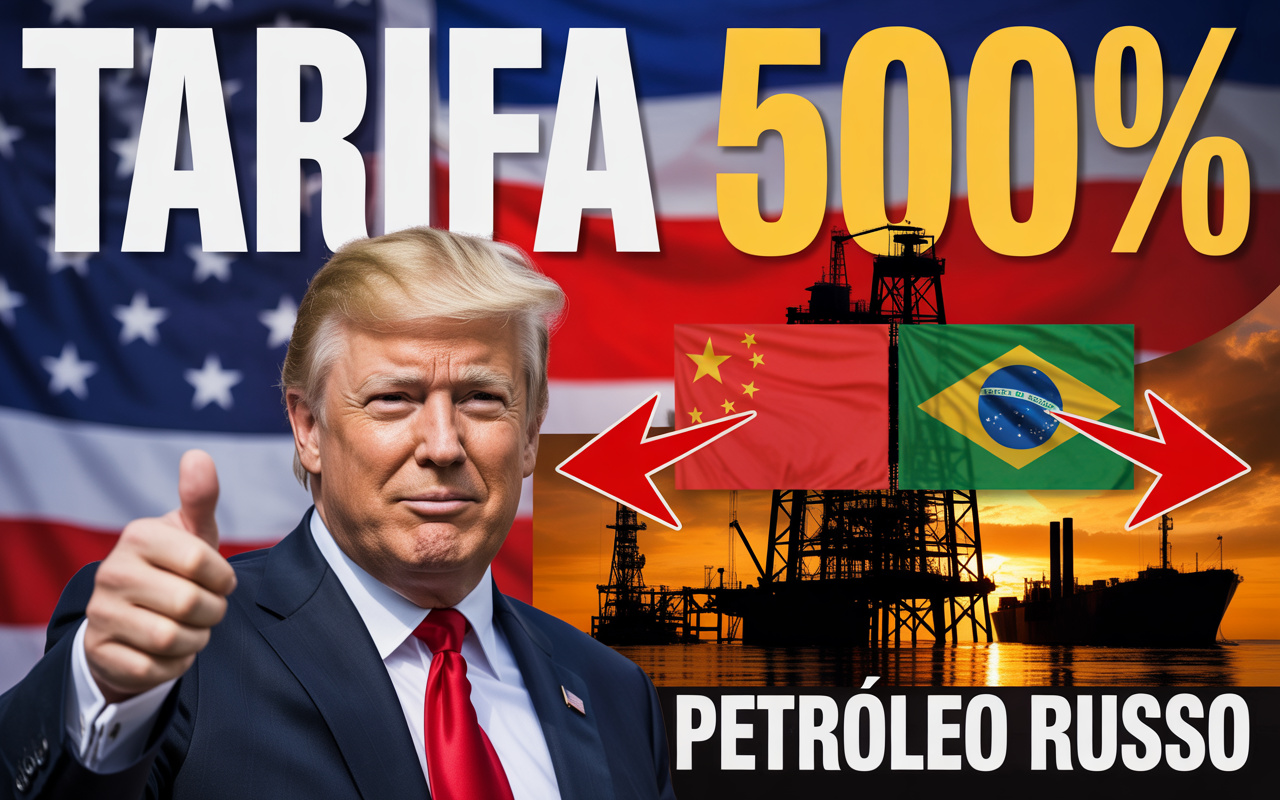
US Advances With Law Authorizing Tariff of Up to 500% Against Buyers of Russian Oil, Impacting China, India, and Brazil in the Global Energy Axis. The Bipartisan Text Aims to Target Countries Doing Business With Russia
Sources: CNN, Wall Street Journal, Reuters, Bloomberg, Congress.gov, and US House GOP on January 7, 2026: The United States begins 2026 with a move capable of recalibrating the international energy market: the approval, by the House of Representatives, of a bill that authorizes tariffs of up to 500% on nations purchasing Russian oil, with a special focus on countries like China, India, and Brazil, which have become significant buyers since 2022. Although the measure still depends on the Senate and presidential approval, the political signal sent by the House has been enough to raise diplomatic alarms in Moscow, Beijing, New Delhi, and Brasília.
The Strategic Logic Behind the 500% Tariff
Within the dynamics of the war in Ukraine, oil has become the main financial pillar of Russia. According to estimates from the IEA (International Energy Agency), over 70% of Russia’s oil exports have shifted to Asia since 2022, replacing past European dependence and ensuring the Kremlin a billion-dollar flow of revenue.


For Washington, this realignment has reduced the effectiveness of the Western embargo. If Europe reduces purchases but China and India absorb the supply, the effort loses traction.
-
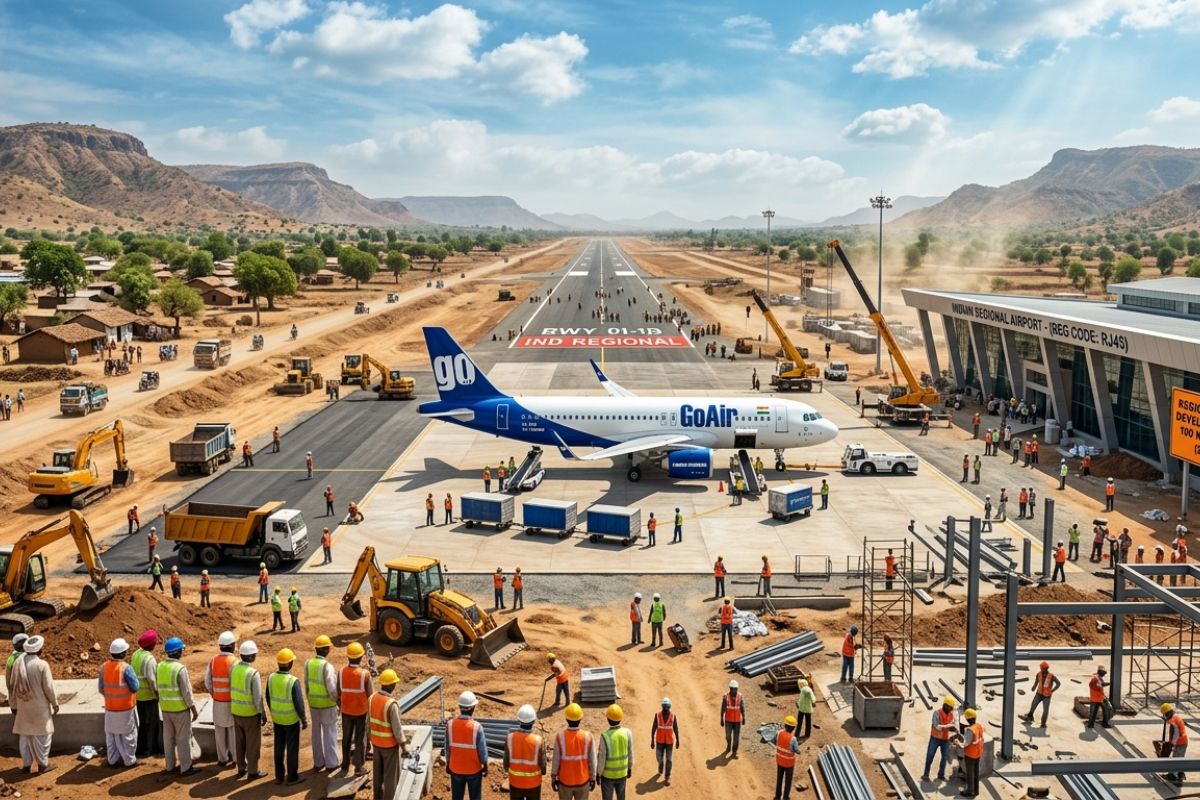
India announces a plan of $3.06 billion to bring aviation to forgotten regions: 100 new airports, $1.07 billion in subsidies, and regional routes guaranteed for 10 years, from 2026 to 2036, away from the centers.
-
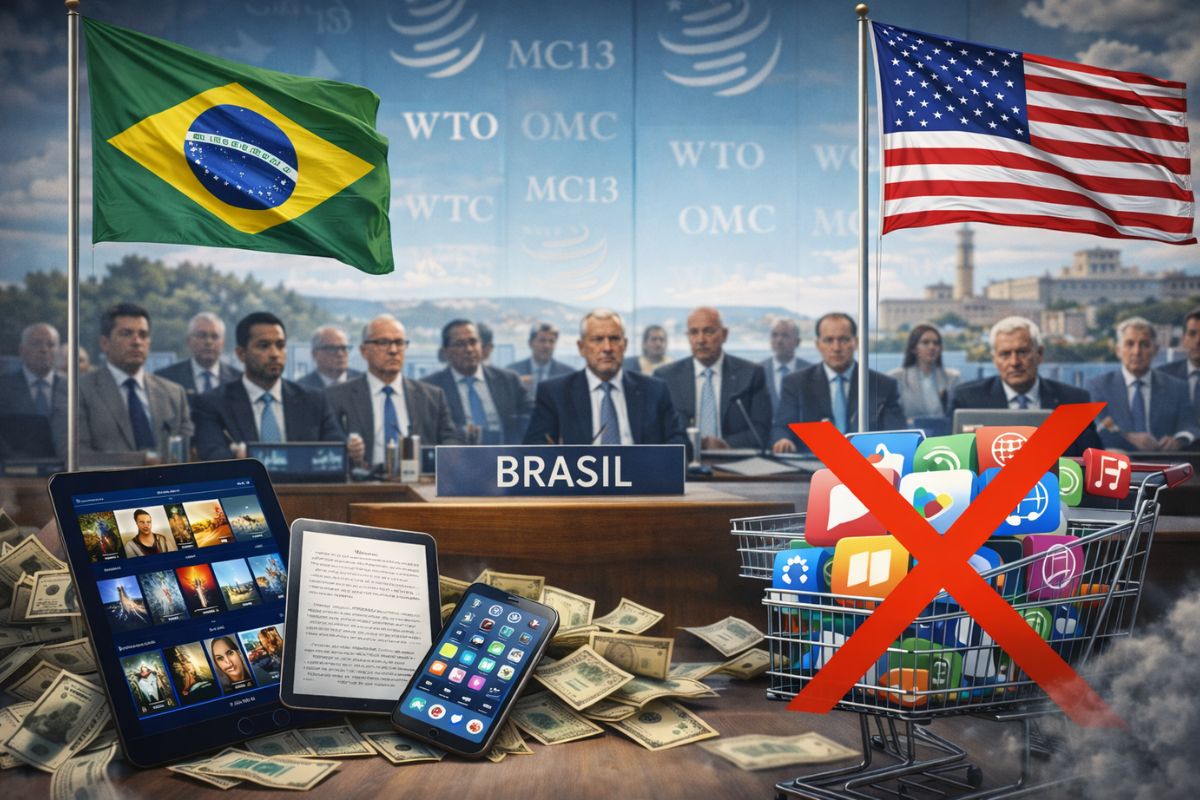
Brazil blocked a proposal from the United States at the WTO that would make the exemption from tariffs on digital products like streaming and ebooks permanent, favoring American tech giants at the expense of developing countries.
-
IPTU exemption for seniors in 2026: see how to secure the benefit.

-
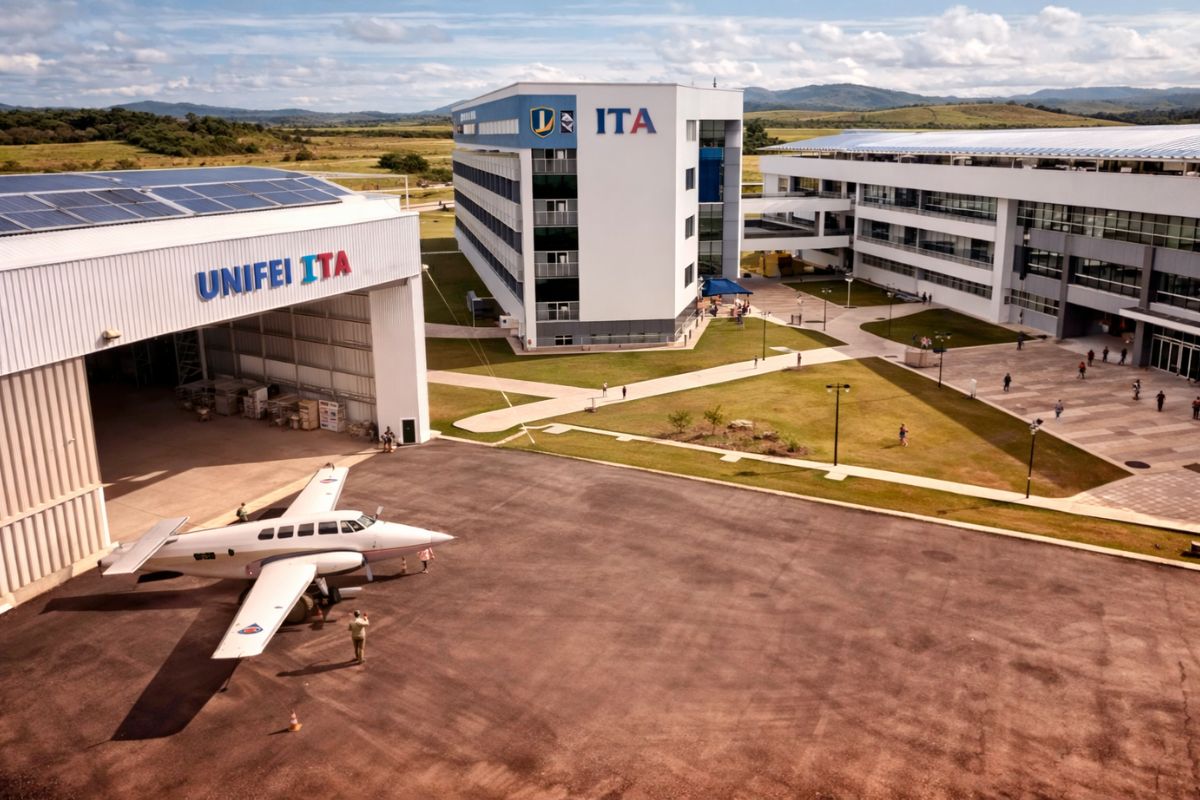
The institute that trained the greatest aerospace engineers in Brazil has just opened its first campus outside São Paulo after 75 years: ITA Ceará will have R$ 445 million, new courses in energy and systems, and classes are expected to start in 2027.

The tariff emerges as a tool of geoeconomic coercion: by making it commercially painful to buy Russian oil, the US aims to raise the cost of operations and shift Asia to alternative sources, whether in the Middle East or in the United States itself.
Who Is in the Crosshairs and Why
China has become Russia’s top energy client, surpassing US$ 110 billion in annual combined purchases of oil, gas, and derivatives.
Beijing utilizes its own insurance system, settling in yuan, and partially independent maritime routes, reducing exposure to the dollar. For the US, this Chinese energy ecosystem represents a long-term threat to the dollar-based international financial system.
India has adopted a different strategy: it purchases Russian oil at large discounts, refines it into diesel and gasoline, and resells it to third parties—including Europe and the United States—creating a logistical cycle considered by Americans as “energy recycling.” If the tariff advances, the impact will fall mainly on Indian refineries and maritime logistics companies.
Brazil does not have a structural dependence on Russian oil, but has significantly increased its purchase of cheaper Russian diesel in recent years to control internal costs. The impact, in the Brazilian case, would be less energetic and more diplomatic: the tariff would create indirect pressure in the relationship with Washington.
The Global Consequences Predicted by Analysts
Experts consulted by Bloomberg, The Economist, and Reuters Energy assert that the effect of the measure goes beyond the diplomatic field.
In the maritime sector, ships transporting Russian oil already use a so-called “shadow fleet”, with flags of convenience, alternative insurances, and payment systems that do not depend on the West. The tariff would accelerate this phenomenon, increasing environmental and regulatory risks in the oceans.
In the financial sector, the measure boosts the partial dedollarization of energy trade. Russia and China are already testing settlements in yuan, dirham, and rubles, while India attempts bilateral compensation solutions. Even if the immediate impact is limited, the gesture has symbolic weight: it demonstrates that the dollar can be used as a strategic weapon.
In terms of prices, there is fear that the tariff will increase maritime freight costs, raise insurance rates, and pressure global oil prices, affecting consumers in the US and around the world.
Tariff War, Not Military
Despite the aggressive tone, the measure does not physically prevent Russian ships from sailing, nor does it block foreign ports. It is a tariff war, a category inaugurated in the trade war between the US and China during the previous administration and now applied to the energy sector.
The goal is to make Russia a less competitive supplier while forcing Asia to realign its purchasing.
Curiously, specialists from the Atlantic Council assert that the real target is not Moscow, but the China–India axis, which has emerged as the “new buying heart” of global oil.
If the United States can dissuade this flow, Russia loses bargaining power, and energy diplomacy returns to orbiting Washington, Saudi Arabia, and the UAE.
Senate, Gasoline, and Public Opinion: The Internal Obstacles
The bill now heads to the Senate, where it faces three main barriers. The first is the fear that gasoline prices will rise domestically.
The second is the resistance from industrial and transportation sectors, which depend on cheap diesel. The third is the political polarization itself: Republicans are in favor of pressuring Russia but part of the party fears internal economic damage.
Even if the law is stalled, analysts believe that the geopolitical pressure has already been successfully imposed. The American House has transformed energy into a tool of foreign policy and sent a clear message to purchasing countries.
The Response From the Other Side of the Board
Russia views the tariff as part of the “economic war by the United States.” China claims it does not recognize “American extraterritorial jurisdiction.” India protects itself with the argument of “national energy security.” Brazil watches from afar and calibrates statements, avoiding rifts with Washington and Moscow.
The immediate effect, therefore, was not Asian retreat—but diplomatic escalation.
Oil Has Returned to the Center of Geopolitics
The House’s approval marks 2026 as the year when the US returned to using trade as a strategic instrument in energy. While the 20th century witnessed wars, embargoes, and oil crises, the 21st century experiences a new phase: tariffs as geopolitical ammunition.
The big unknown is whether this will result in a peaceful rearrangement or an even more fragmented board, with alternative currencies, unsupervised naval routes, and rival energy blocs.







-

-

-

3 pessoas reagiram a isso.