





 Portuguese
  English
  Spanish
  4 min of reading
  0 comments


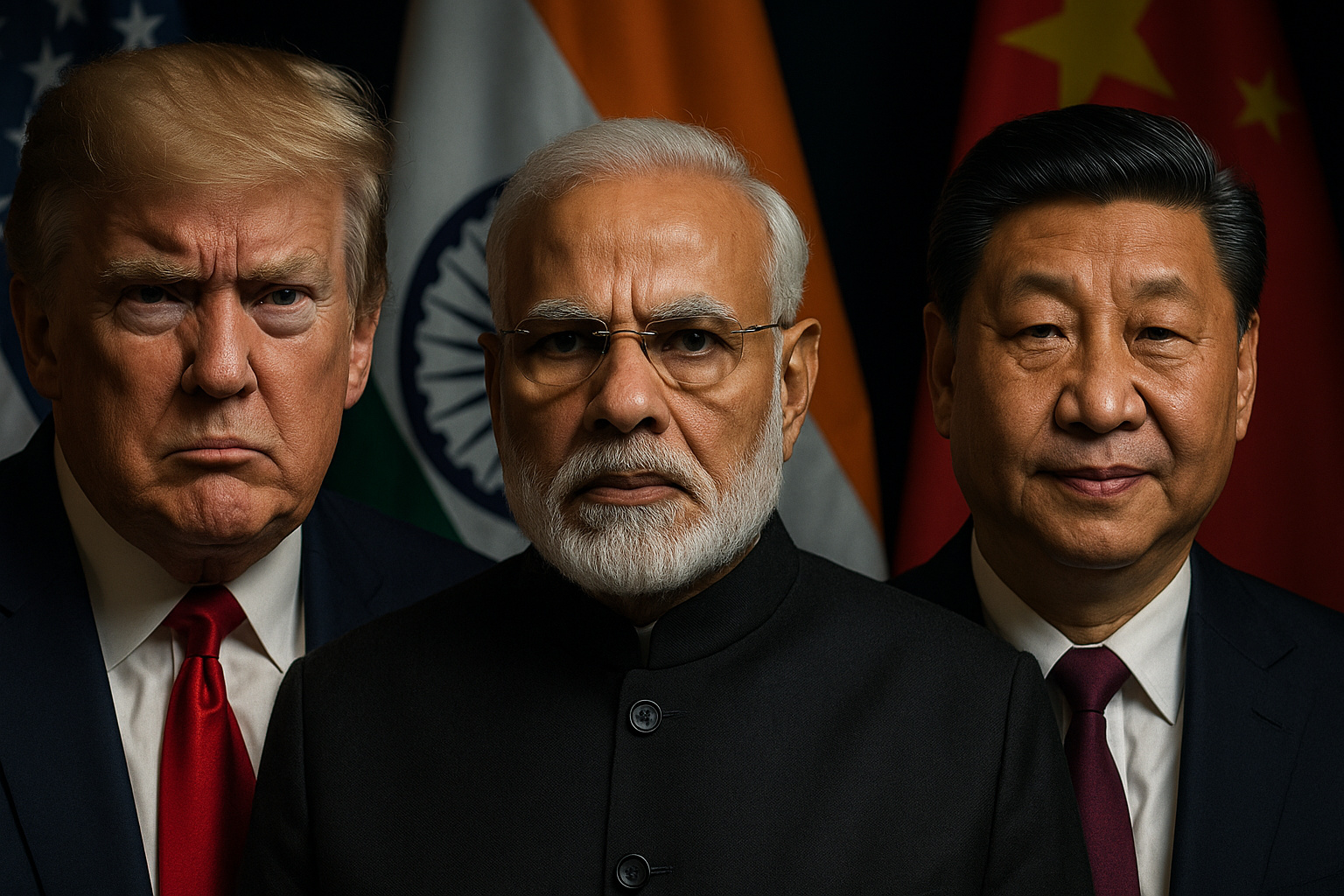
The 50% Tariffs Imposed by Donald Trump Against India Undermine the “China Plus One” Plan, Affect Supply Chains, and Push Years of Efforts by American and Indian Companies to Beijing.
The President of the United States, Donald Trump, triggered an economic earthquake by imposing 50% tariffs on Indian products. The measure, seen as a declaration of trade war, undermined years of efforts by American and Indian companies looking to reduce dependence on China.
The initiative directly impacted the strategy known as “China Plus One,” India’s plan to attract multinationals and position itself as a reliable alternative to Chinese factories. Less than a week after the tariffs took effect, political leaders and businessmen in New Delhi are still trying to grasp the impacts of the change.
The “China Plus One” Plan Under Siege
India has been trying to establish itself as a new industrial power, particularly in technology and advanced manufacturing. The goal was to leverage the redirection of supply chains that were previously concentrated in China.
-
USA and China compete for Brazil over resources that could be worth trillions — rare earths put the country at the center of a global dispute

-
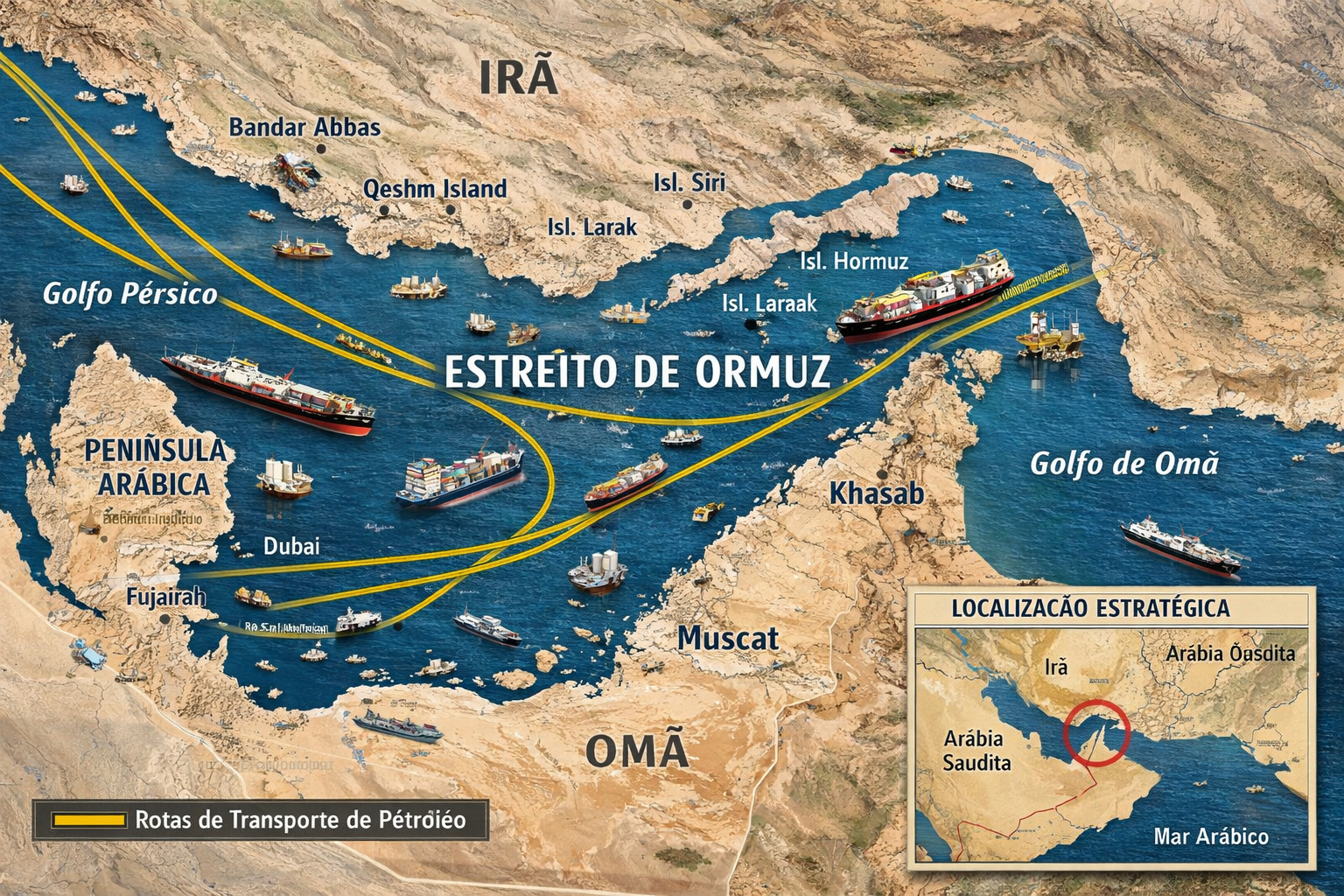
Global summit with over 40 countries pressures Iran for a blockade in the Strait of Hormuz and warns of direct impact on oil, food, and the global economy.
-
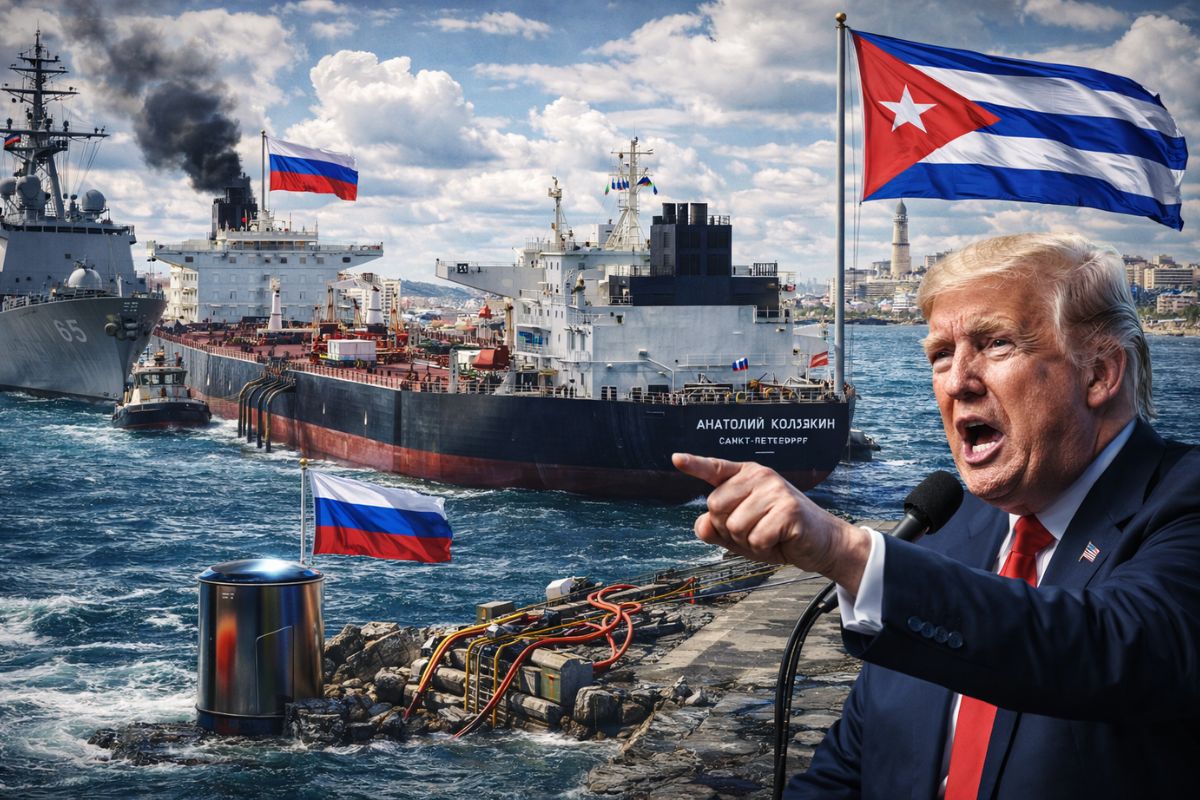
Russia has broken the U.S. maritime blockade to send oil to Cuba and is now loading a second ship while Trump says that “Cuba is next” in a possible military action against the island.
-
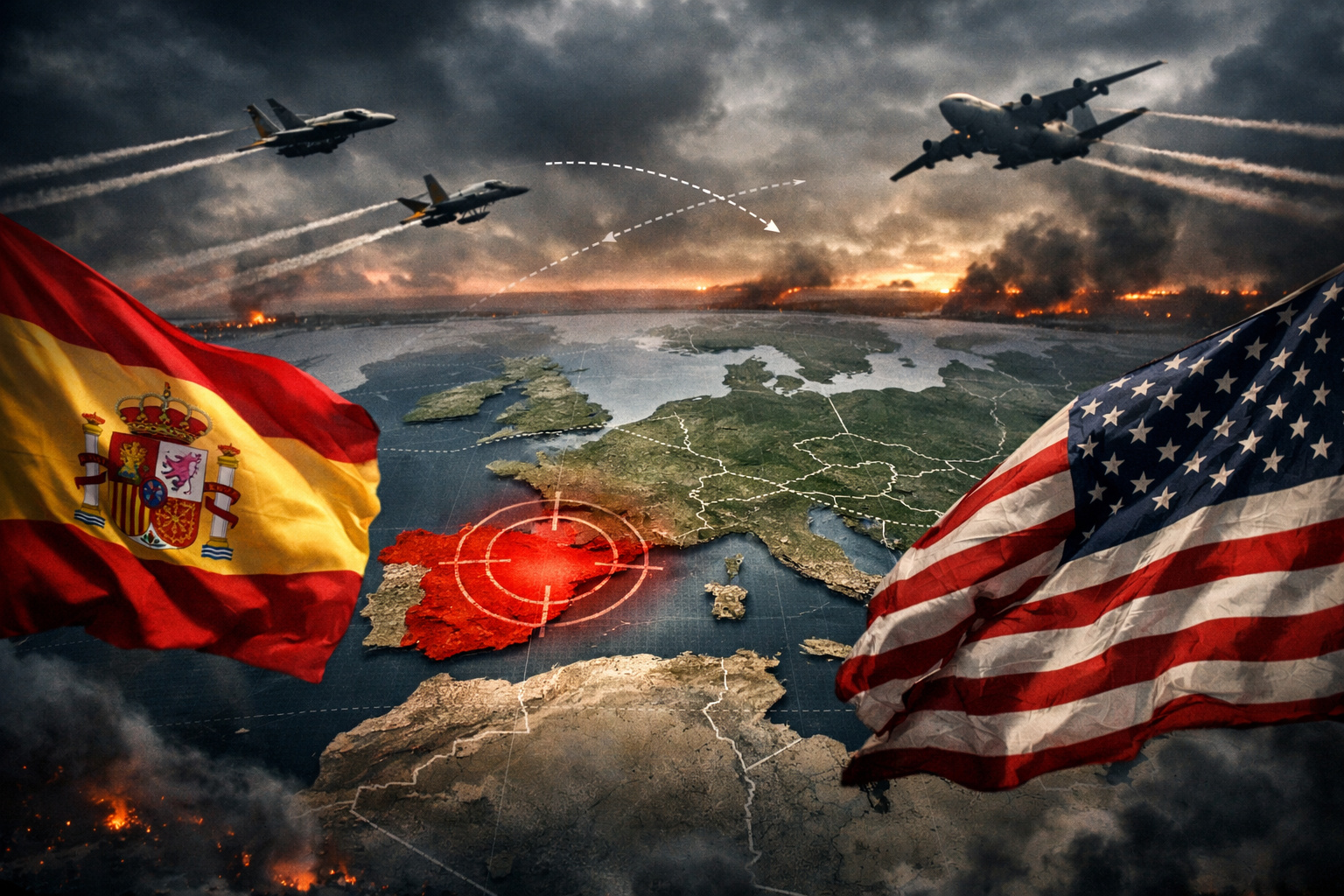
Spain challenges the USA and closes its airspace for operations against Iran, raising global tension and provoking the threat of a trade rupture.
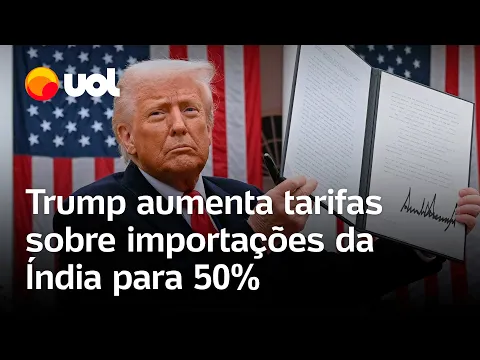

Now, with American tariffs, India’s attractiveness has dropped drastically. U.S. importers are beginning to seek more competitive options, such as Vietnam and Mexico, where import costs are lower.
Indian economists warn that the measure could halt industrial export growth and stifle the initial signs of private investment tied to the “China Plus One” strategy.
Modi Travels to China in Search of Alternatives
Amid the turmoil, Indian Prime Minister Narendra Modi traveled to China to meet with President Xi Jinping. It was his first visit in seven years, highlighting the pressure faced by the Indian government.
The relations between the two countries have historically been tense, with territorial disputes in the Himalayas and serious military incidents. Nonetheless, the new situation forces India to consider closer ties with Beijing — precisely the power it intended to rival.
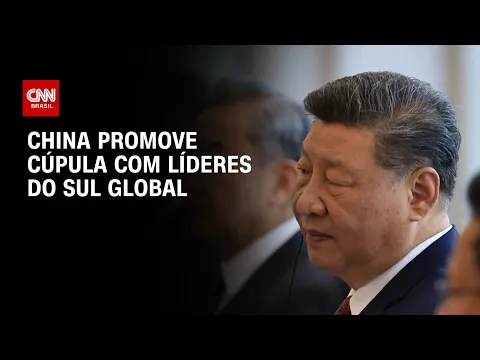
The Difficult Relationship Between India and China
Despite the need for dialogue, India maintains significant restrictions on Chinese investments in strategic sectors. After the COVID-19 pandemic, New Delhi blocked investments, banned Chinese apps — including TikTok — and expelled part of Beijing’s venture capital from the technology sector.
China, in turn, is using its economic arsenal to pressure: it restricted India’s access to rare earths and critical technologies, essential inputs to keep the industry running. Analysts point out that more than 130 Indian industrial categories depend directly on China.
Trump and the Most Painful Blow
Still, Indian experts consider that Trump’s decision was a much harsher blow. Business owners in industrial regions like Moradabad, who exported up to 40% of their production to the U.S., now find themselves on the brink of collapse.
Local business owners report feelings of betrayal and are seeking new markets in the Middle East, Europe, and even within India. The government announced financial support programs, but business owners consider the measures insufficient to prevent mass layoffs.
India’s Economic Crossroads
India continues to aspire to become one of the three largest economies in the world. Today it holds the fifth position and is expected to surpass Japan soon. However, without support from Washington, this path becomes more challenging.
For specialists, the inevitable consequence will be a approach to China, even if cautiously. The country needs foreign exchange and new markets to compensate for the rupture with the United States.
The Geopolitical Dilemma
The situation puts India in a delicate position. While Trump closes doors with tariffs and hostile rhetoric, Xi Jinping offers dialogue and possible trade agreements. However, mutual distrust between the two countries remains deep.
Global companies, like Foxconn — the largest outsourced manufacturer for Apple — have become symbols of this dispute. Part of the iPhone production has been transferred to India, but the dependence on Chinese engineers shows how difficult it is to move away completely from Beijing’s influence.
India Between Two Giants
Trump’s tariffs against India affect not only foreign trade numbers but also shake the very strategy of Indian development. Without U.S. support, New Delhi will have to rethink its global position and accept greater dependence on China — something that just a few years ago would have been unthinkable.
The direction is clear: the next chapters of this crisis will determine whether India will be able to balance between Washington and Beijing or whether it will be forced to choose a side in this geopolitical and economic chess game.








Seja o primeiro a reagir!