





 Portuguese
  English
  Spanish
  3 min of reading
  0 comments


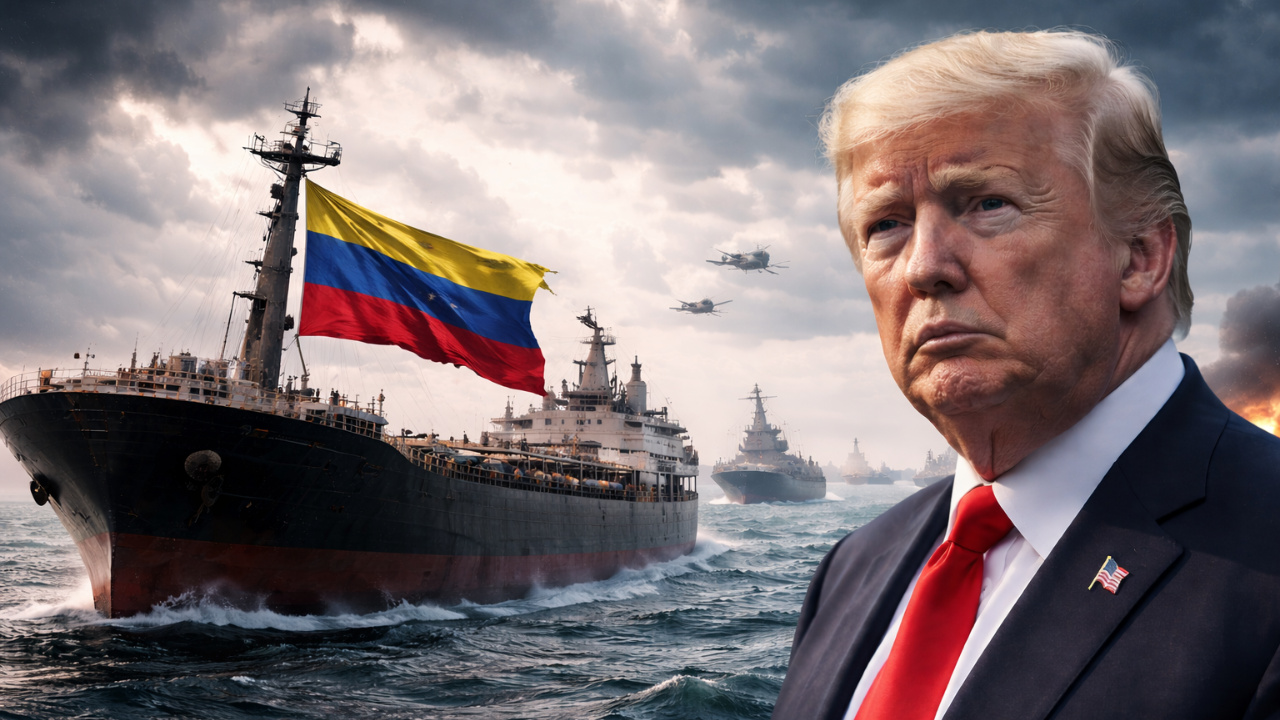
Donald Trump Announces That the United States Will Maintain Control Over Tankers and Oil Cargoes Seized Near Venezuela, Increasing Economic and Military Pressure on Nicolás Maduro’s Government.
The escalation of tension between the United States and Venezuela took a new turn on Monday (22), after President Donald Trump stated that the U.S. government decided to keep in its possession the tankers and the crude oil seized off the Venezuelan coast.
The measure reinforces the blockade imposed on sanctioned vessels and increases pressure on Nicolás Maduro’s government.
The statement was made in Palm Beach, Florida, during a conversation with journalists. When commenting on the fate of the cargoes and vessels, Trump was direct. “We’re keeping this,” he said.
-
New escalation of tensions and oil crisis in the Middle East forces world powers to accelerate energy transition plans.
-
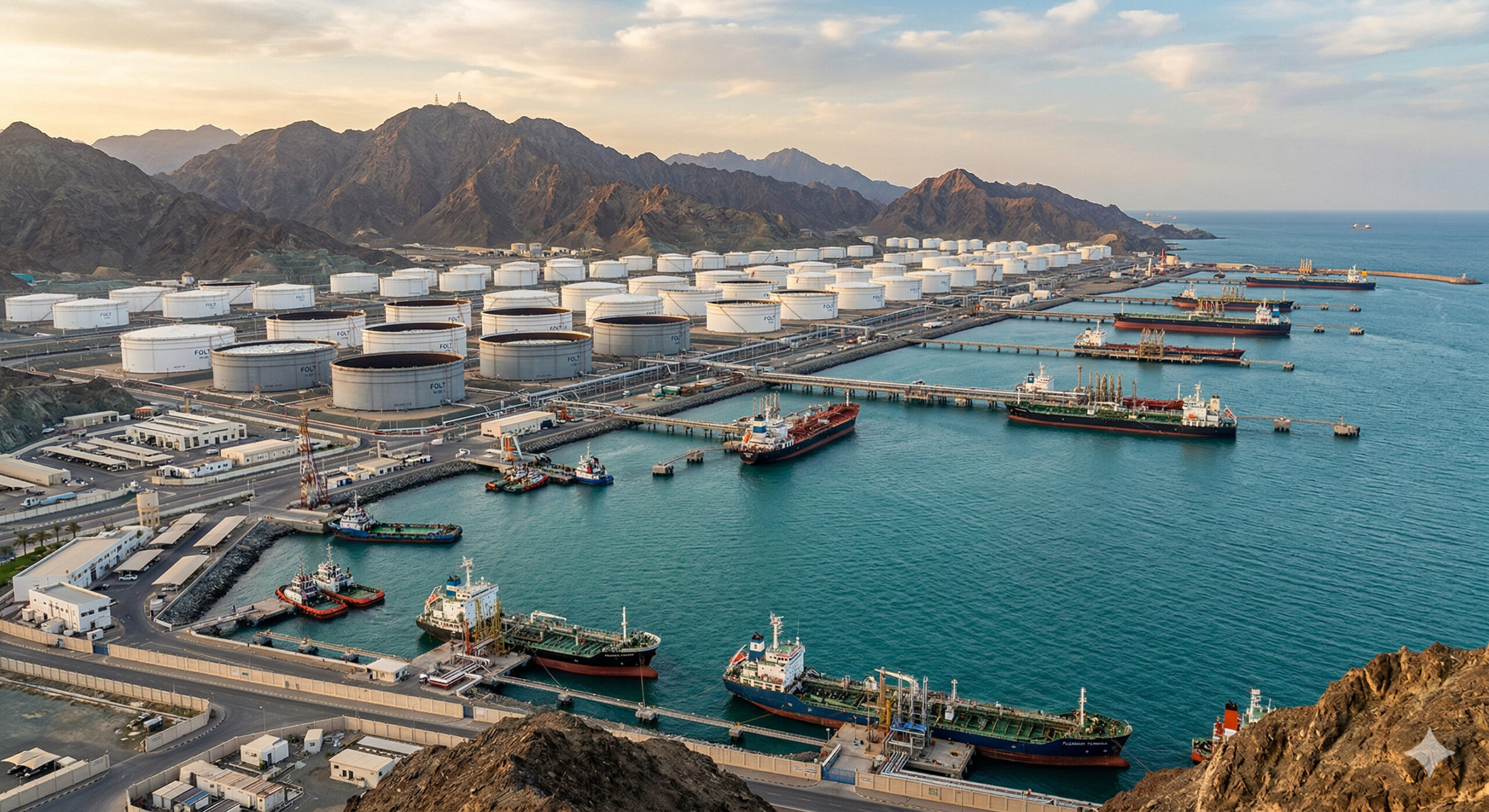
Giant reservoirs with a capacity of 18 million cubic meters have turned Fujairah into one of the largest energy vaults on the planet. This facility, located outside the Strait of Hormuz, stores oil on a colossal scale and has become a silent piece that supports the global flow of fuels.
-
The next exploration auction in the pre-salt will offer 23 blocks in the Campos and Santos basins and may change the interest of oil companies in Brazil.
-
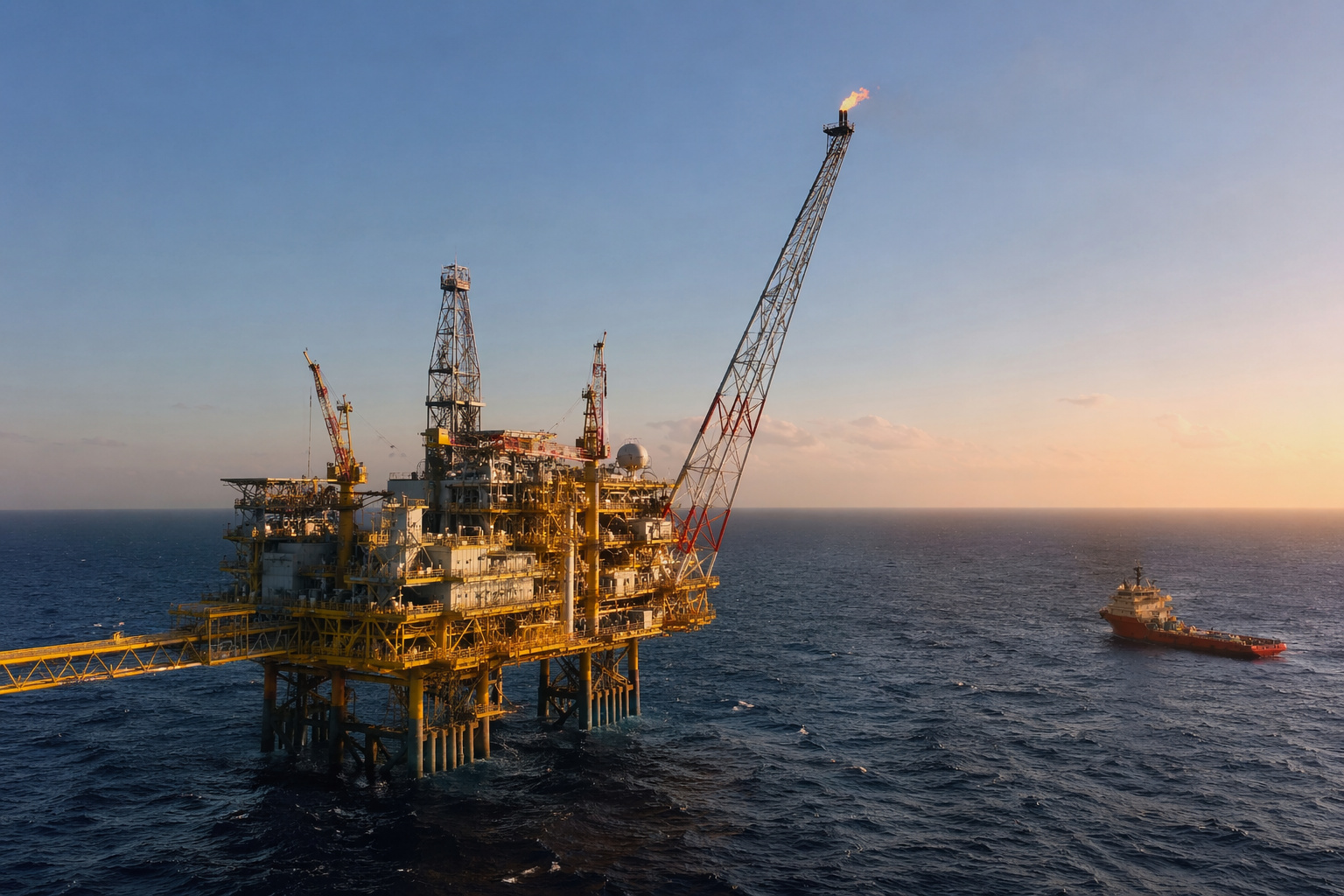
The next exploration auction in the pre-salt will offer 23 blocks in the Campos and Santos basins and could change the interest of oil companies in Brazil.
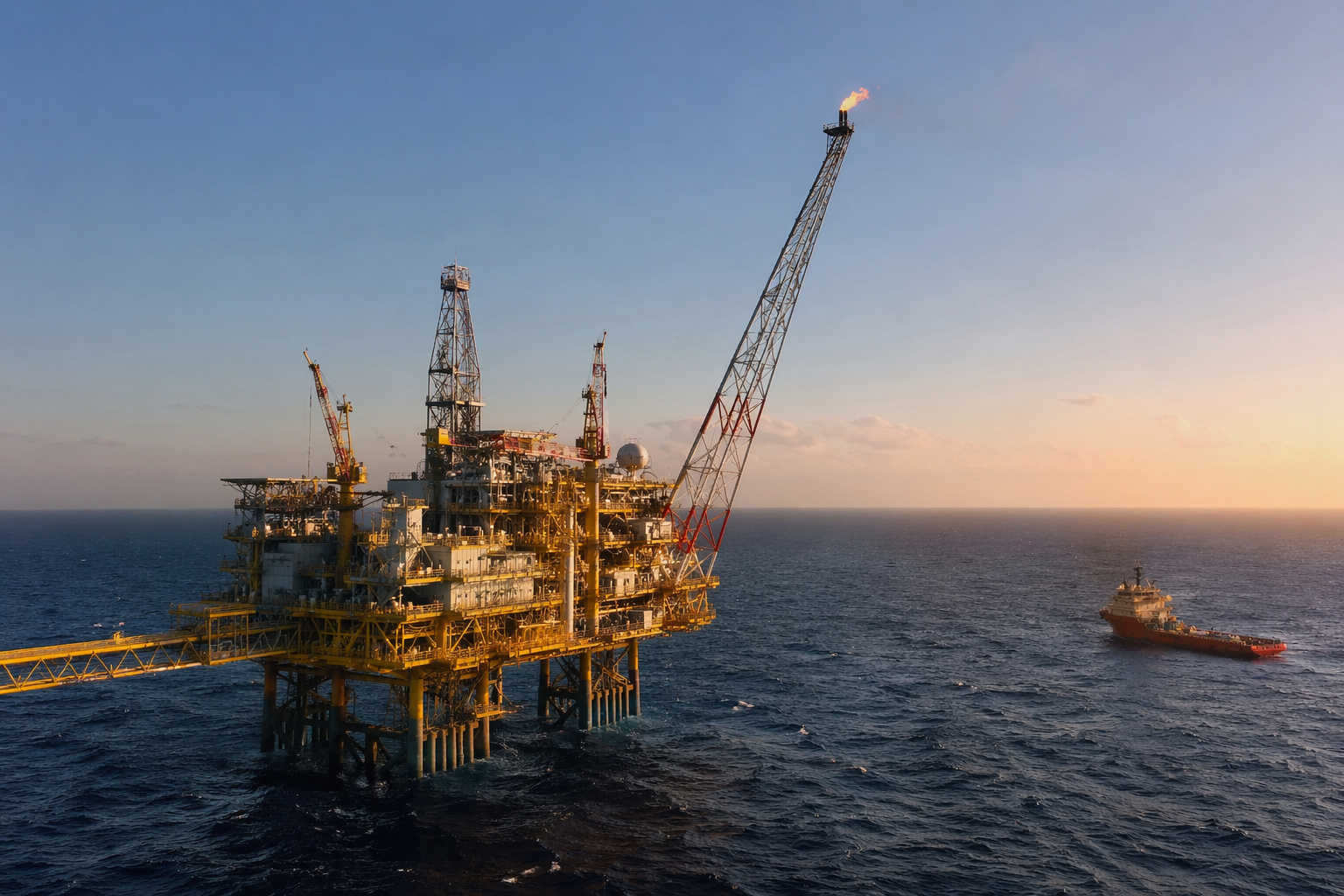
He then detailed the possibilities being considered by the White House. “Maybe we will sell it, maybe we will keep it, maybe we will use it for the strategic reserve. The ships will also stay with us.”
Naval Blockade Is Part of Economic Pressure Strategy
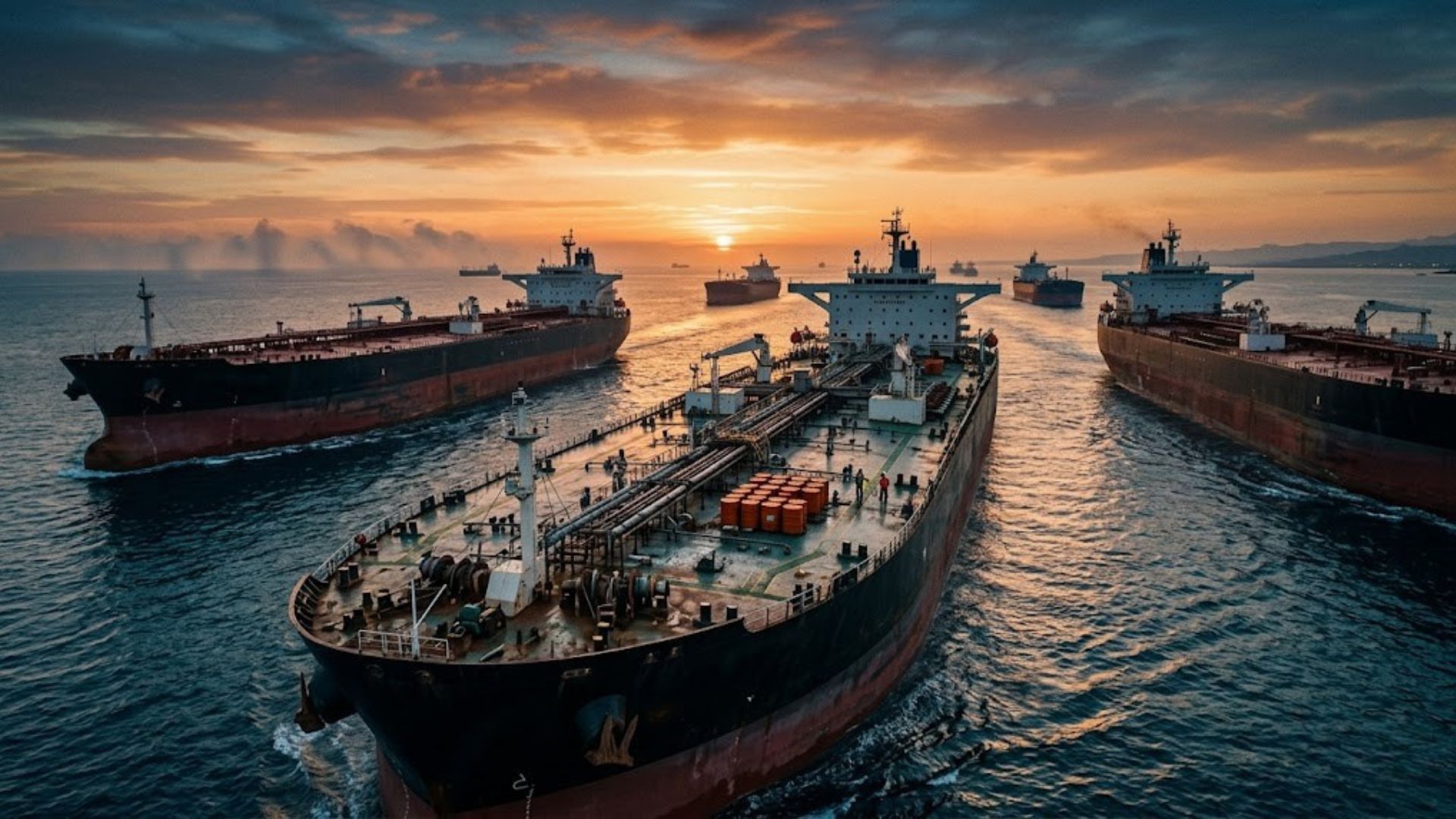
The American offensive comes after the presidential order to intensify the blockade on sanctioned tankers entering and leaving Venezuela. According to Trump, the operation has already resulted in the seizure of one tanker, the interception of a second, and monitoring of a third vessel.
According to energy consulting firm Kpler, one of the ships seized on December 10 was transporting over 1 million barrels of Venezuelan crude oil. The president confirmed that authorities are continuing to monitor another ship. “It’s moving. We will end up catching it. It left Venezuela and was under sanction,” he said.
Thus, the policy of tightening the blockade is intensifying not only on the diplomatic front but also in operational terms, with direct actions in the Caribbean Sea.
Venezuelan Oil at the Center of International Dispute
Venezuela is a founding member of the Organization of the Petroleum Exporting Countries (OPEC) and has the largest proven oil reserves in the world. Despite the sanctions imposed by the United States, the country continues to export significant volumes.
According to Kpler data, Venezuelan production results in exports of about 749,000 barrels per day. More than half of this volume has China as its main destination, reinforcing the geopolitical weight of Venezuelan oil in the global scenario.
Meanwhile, Washington seeks to restrict these operations, claiming that the resources obtained from the sale of oil sustain Nicolás Maduro’s government.
Political Pressure and Statements on Regime Change
When asked about the ultimate goal of the offensive, Trump made his position clear. When asked if the strategy aims at Maduro’s removal from power, he replied that “it would be smart” for the Venezuelan president to resign.
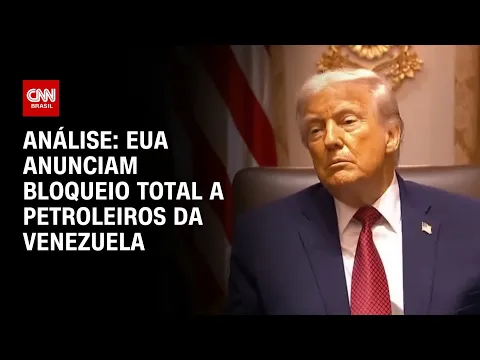

The statement reinforces the interpretation that the blockade on oil ships is part of a broader effort to weaken the Venezuelan economy and politically undermine the government in Caracas.
U.S. Military Presence Grows in the Caribbean
Alongside actions against the oil sector, the United States has significantly increased its military presence in the Caribbean. The American government has also conducted attacks against vessels that, according to Washington, were involved in drug trafficking.
However, the legality of these operations has been questioned. American lawmakers have raised concerns in Congress about the legal basis for the actions, especially when carried out in international waters or near the Venezuelan coast.
Possible Expansion of Operations to Land
In addition to actions at sea, Trump indicated that he plans to extend the offensive into Venezuelan territory. In a threatening tone, he stated: “We will start the same program on land. If they want to come by land, they’re going to have a big problem.”
This statement signals that the blockade on Venezuelan oil may gain new dimensions, further increasing regional and international tension regarding sanctions, security in the Caribbean, and the control of strategic energy resources.




-

Uma pessoa reagiu a isso.