





 Portuguese
  English
  Spanish
  3 min of reading
  0 comments


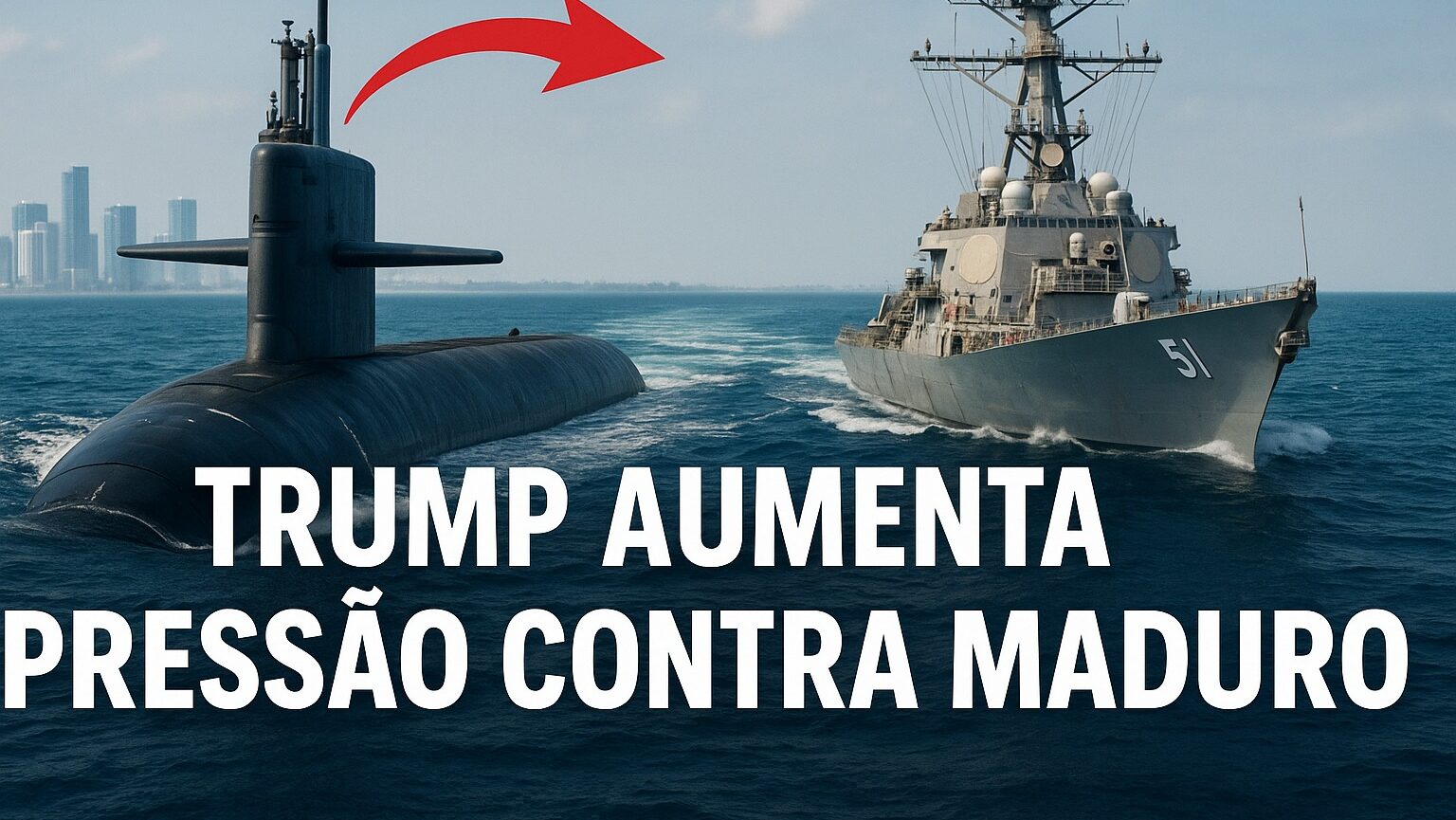
Trump Increases Pressure on Maduro With Naval Reinforcement, Intensified Air Operations, and Promise to Use All Force Against Chavista Regime in the Caribbean
The President of the United States, Donald Trump, has decided to increase pressure on Nicolás Maduro of Venezuela. The move includes the deployment of naval reinforcements and the intensification of air operations in the region. The announcement signals a new stage of confrontation between Washington and Caracas.
Military Reinforcement on the Coast
The destroyer USS Lake Erin, equipped with 122 missiles, and the nuclear-powered submarine USS Newport News will join the forces already present off the Venezuelan coast.
Since last week, the USS Gravely, USS Jason Dunham, and USS Sampson ships have been conducting patrol missions.
-
USA and China compete for Brazil over resources that could be worth trillions — rare earths put the country at the center of a global dispute

-
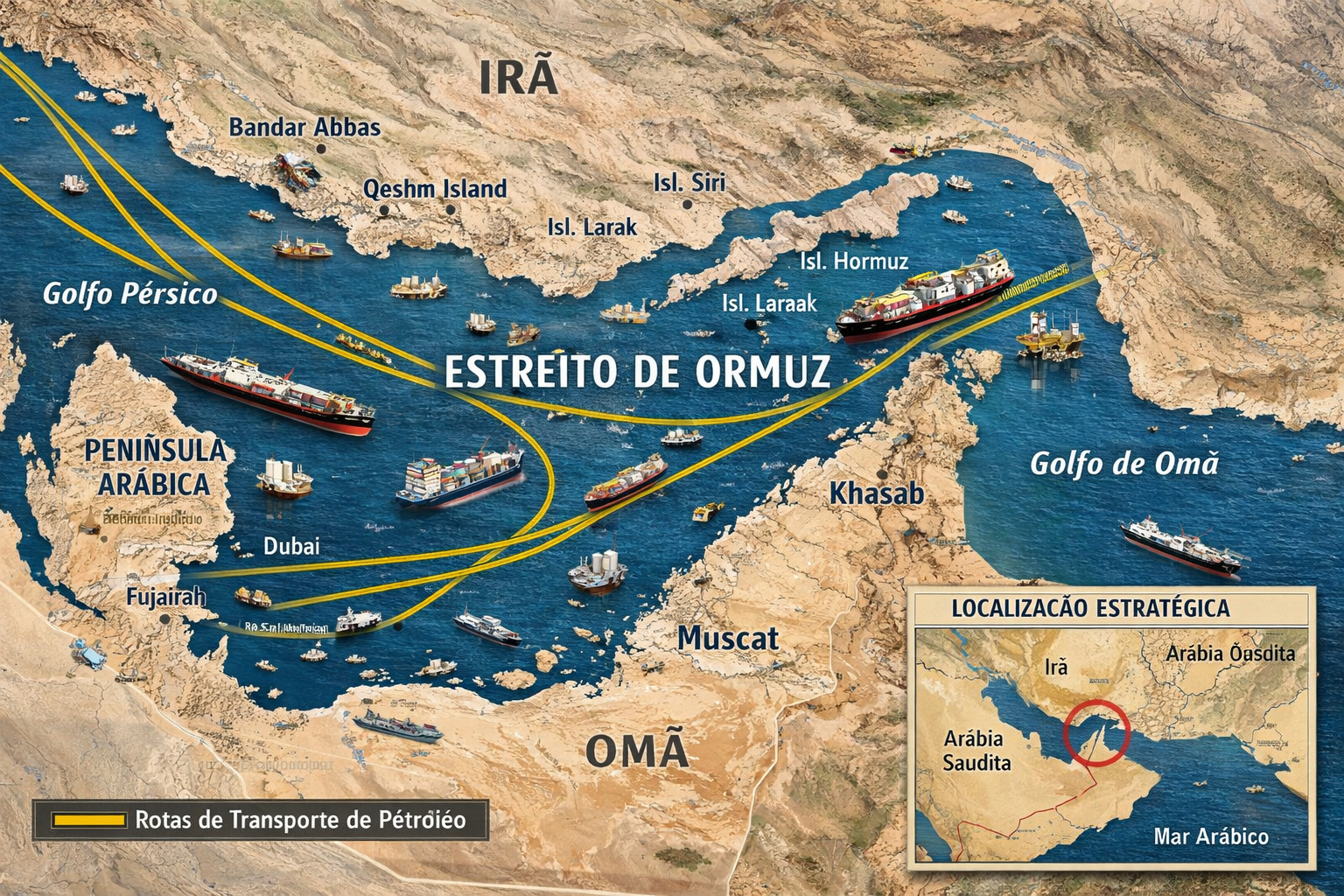
Global summit with over 40 countries pressures Iran for a blockade in the Strait of Hormuz and warns of direct impact on oil, food, and the global economy.
-
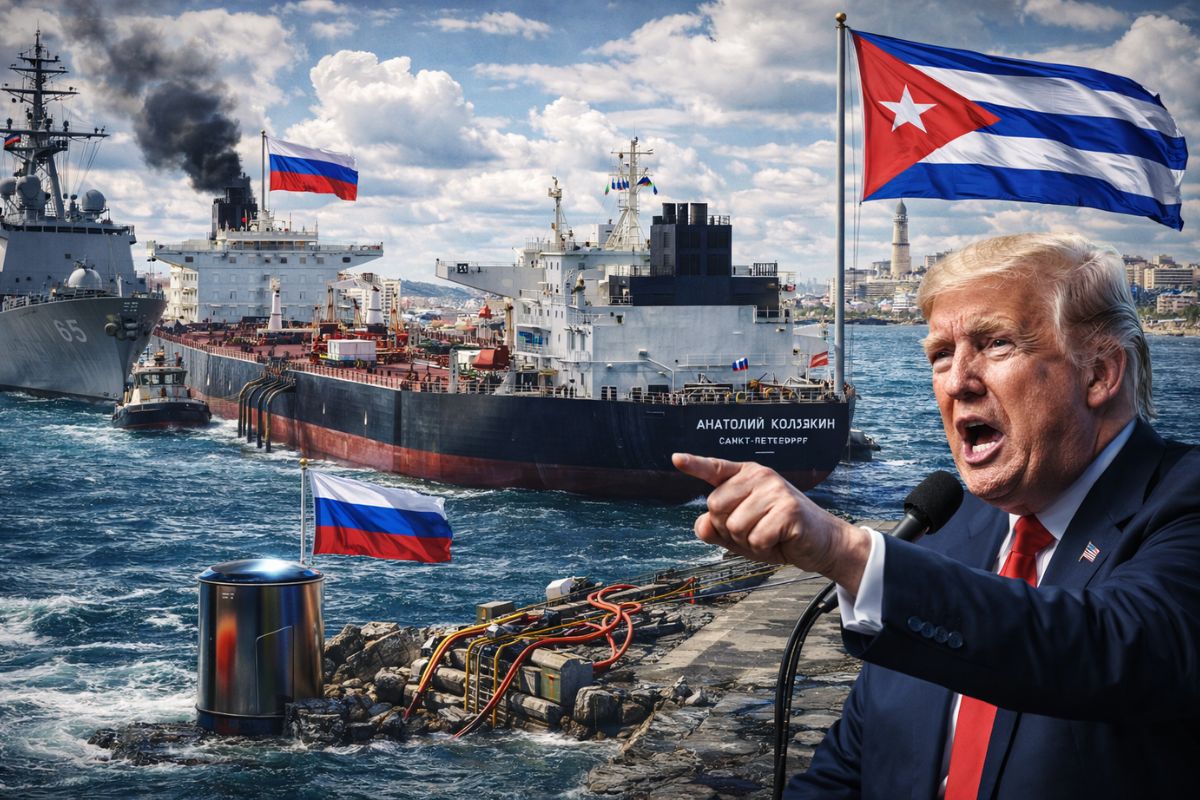
Russia has broken the U.S. maritime blockade to send oil to Cuba and is now loading a second ship while Trump says that “Cuba is next” in a possible military action against the island.
-
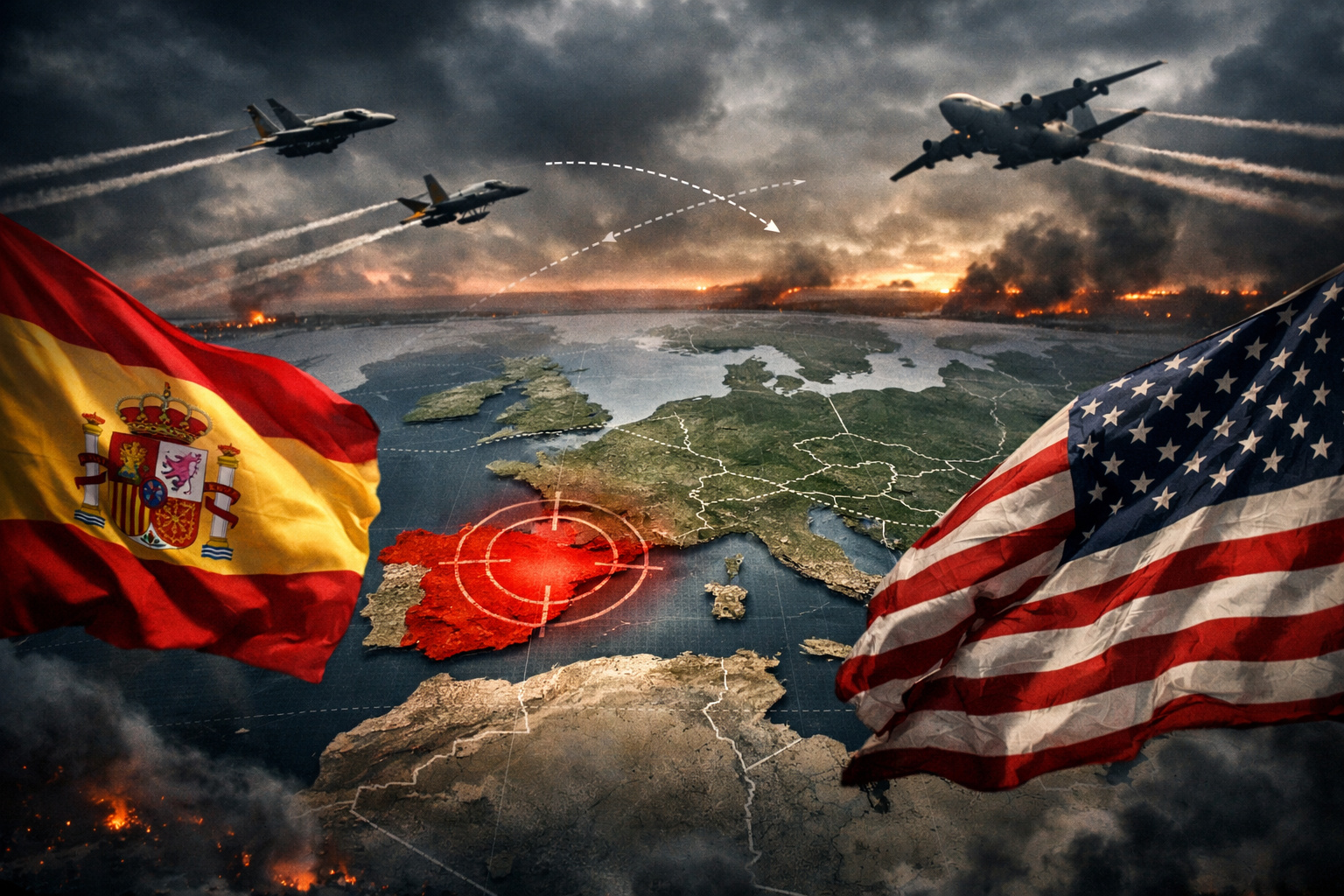
Spain challenges the USA and closes its airspace for operations against Iran, raising global tension and provoking the threat of a trade rupture.
Additionally, three destroyers from the Amphibious Ready Group resumed navigation towards the Caribbean on Monday, the 25th.
They had returned to the United States due to Hurricane Erin. An official interviewed by Reuters highlighted that these vessels can perform surveillance functions or carry out direct attacks on land.
Ongoing Air Operations
The siege also involves reconnaissance and intelligence aircraft. The Poseidon P-8 plane, operating from San Juan, Puerto Rico, has been flying over areas near Aruba.
The aim is to locate semi-submersibles used by drug traffickers to transport drugs to Mexico, a route that supplies the American market.
Another equipment identified in the region is the Boeing E-3 Sentry, specialized in locating strategic targets.
These assets enhance the U.S. capacity to map suspicious activities and monitor movements linked to the Chavista regime.
Rising Tensions
Tensions between the two countries have heightened even further this month. The Trump administration increased the reward to US$ 50 million for information leading to Maduro’s capture.
In response to the threat, the Venezuelan president reacted with a harsh speech on the 18th. He assured that Venezuela will defend “seas, skies, and lands” against what he called “the bizarre and absurd threat of a declining empire.”
Most importantly, in addition to the rhetoric, Maduro has implemented security measures. The Chavista leader mobilized 4.5 million militia members across the country.
The mobilization has been presented as a shield against any foreign offensive.
U.S. Response
The day after the speech, White House Press Secretary Karoline Leavitt reinforced the American stance. She stated that the United States will use “all the force” against the Chavista regime.
Estimates indicate that 4,000 sailors and Marines are expected to be deployed to the southern Caribbean. The official mission is to combat drug trafficking cartels, classified as terrorist organizations by the Trump administration.
Accusations Against Maduro
The formal accusations from the United States against Maduro are piling up. Attorney General Pam Bondi recently announced the seizure of US$ 700 million in assets linked to the Venezuelan president.
According to Washington, Maduro violated American narcotics laws, assumed power undemocratically, and maintains direct relations with criminal groups.
These include Tren de Aragua and the Sinaloa Cartel. Furthermore, authorities accuse him of leading the Cartel de los Soles “for more than a decade.”
Escalation in the Caribbean
Therefore, the scenario clearly shows an escalation in the Caribbean. On one side, the United States is reinforcing its military presence, expanding intelligence operations, and raising the political tone. On the other, Maduro reacts with internal mobilization and defiant speeches.
Additionally, the movements include accusations of crimes linked to drug trafficking and corruption. The impasse projects new chapters for a confrontation that increasingly extends beyond the borders of Venezuela.
With information from Veja.







Seja o primeiro a reagir!