





 Portuguese
  English
  Spanish
  4 min of reading
  0 comments


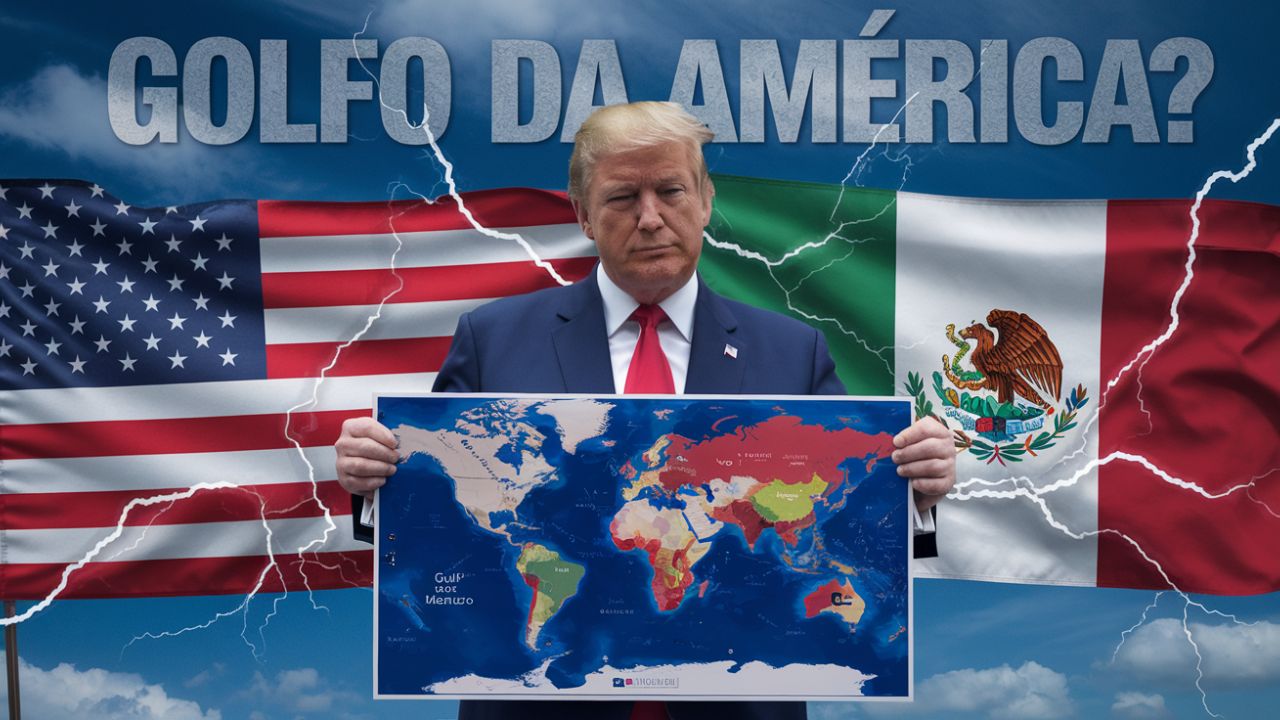
Historical Change in the Gulf of Mexico May Face International Resistance, Cost Millions in Adaptations, and Trigger Tensions with the Mexican-American Community and Companies Like Google.
Last Tuesday, Donald Trump surprised everyone again by announcing his intention to rename the Gulf of Mexico as “Gulf of America”. The proposal, which seems as controversial as his previous statements, promises to generate heated debates and significant repercussions both inside and outside the United States. But is this change really possible? And what would it mean for the political and economic landscape of the region? Let’s explore!
Trump’s Proposal in the Gulf of Mexico and Its Political Impact
For Trump, renaming the Gulf of Mexico would be a symbolic gesture, reinforcing his narrative of protecting borders against illegal immigrants and drug trafficking. According to him, the new name would be “beautiful and appropriate,” a way to highlight the prominence of the U.S. in the region. Although the argument seems more political than practical, the idea is not new when it comes to renaming places in American territory.
American history already records controversial attempts to rename places, such as the change from “french fries” to “freedom fries” during the George W. Bush administration. Although it was not successful at the time, these initiatives show how names can be used to reinforce political ideologies. However, renaming the Gulf of Mexico, which carries centuries of history and international recognition, would be a much greater challenge.
-
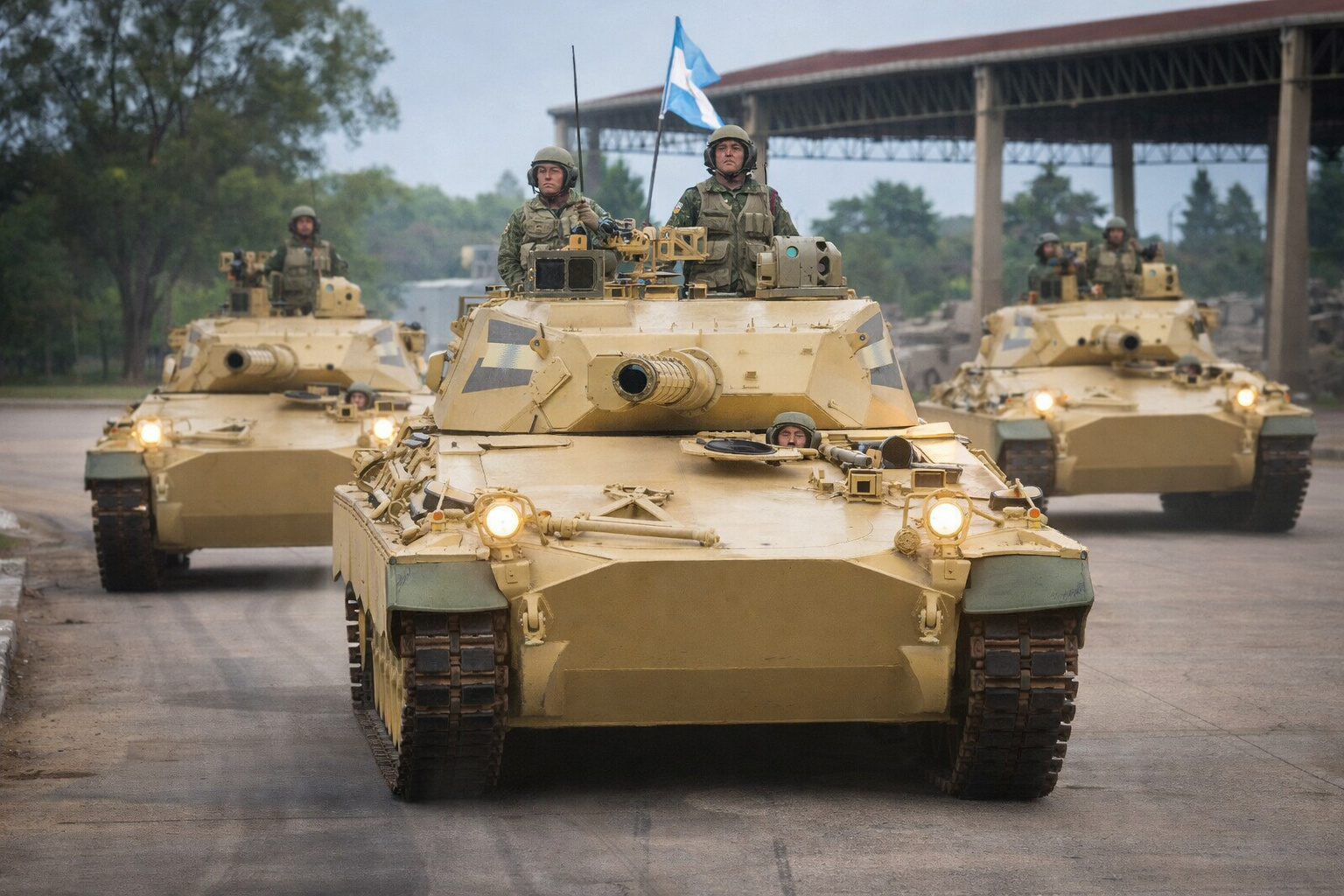
While no other country manufactures tanks in Latin America, Argentina activates the TAM 2C-A2 and raises a curiosity about the technological lag in the region.
-
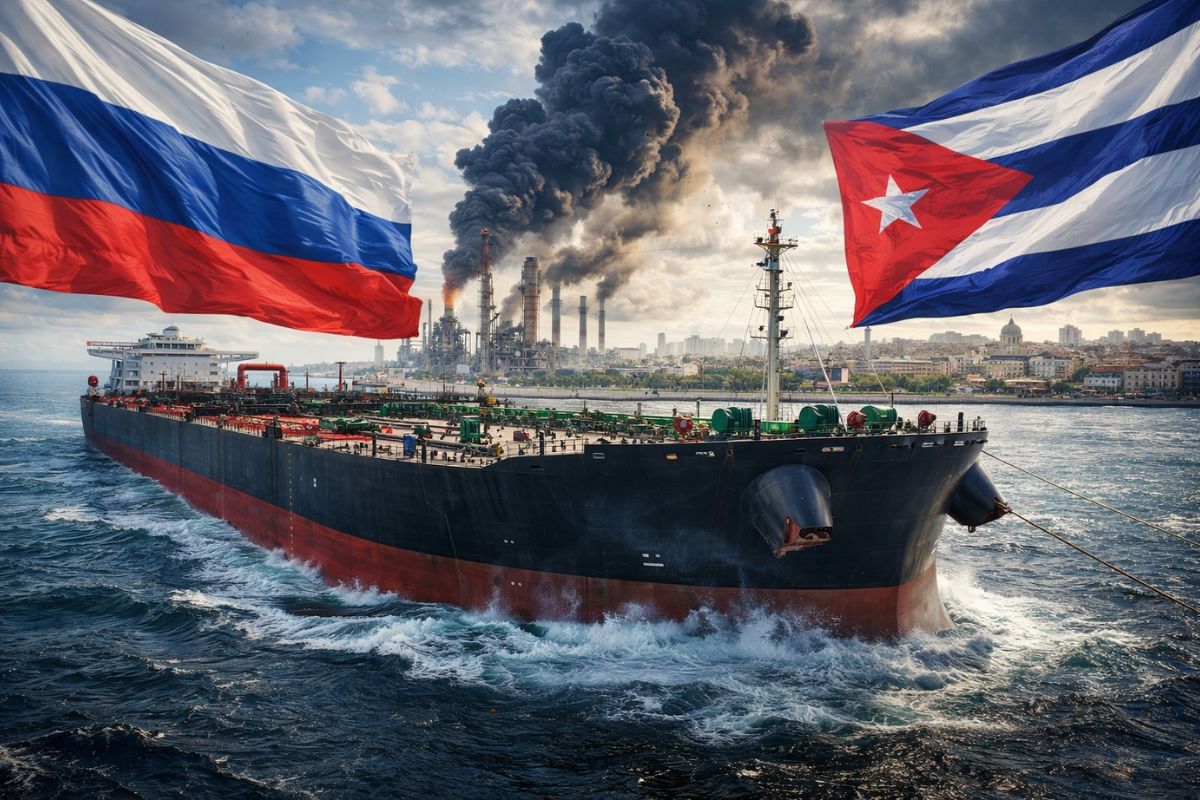
A Russian ship with 730,000 barrels of oil has just arrived in Cuba while Mexico negotiates fuel sales through private companies: the communist island is desperately seeking alternatives after losing its supply from Venezuela due to American military action.
-
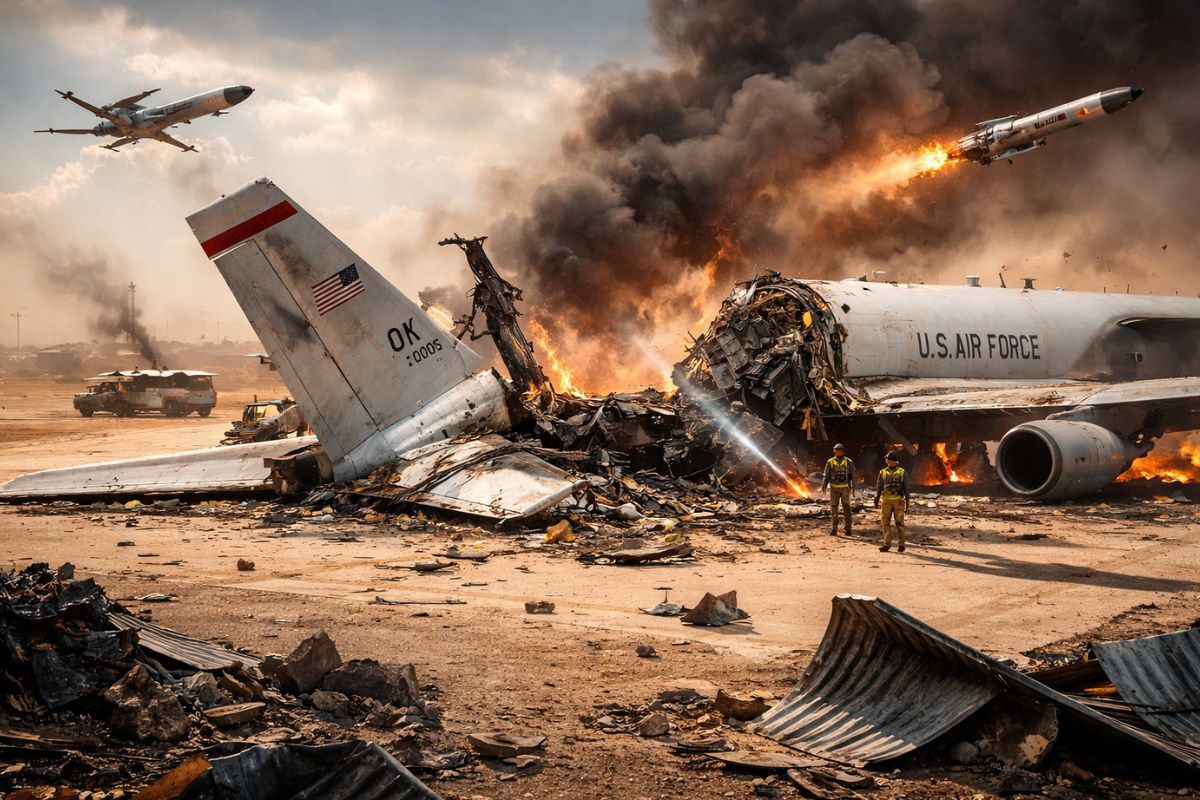
Iranian drones and missiles destroyed a 270 million dollar American spy plane in Saudi Arabia, splitting the E-3 Sentry aircraft in half and injuring 12 military personnel in an attack that exposes the vulnerability of U.S. bases in the Persian Gulf.
-
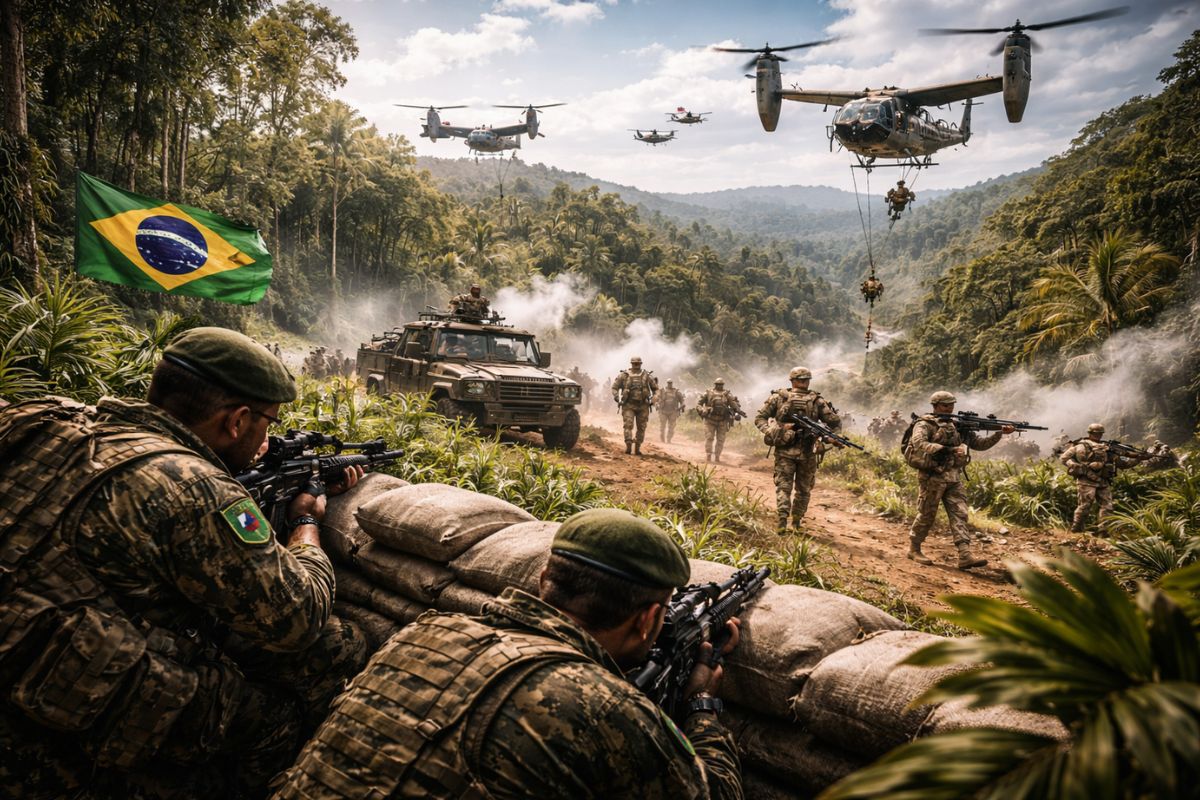
If the USA were to go to war with Brazil, Washington’s greatest fear would not be the attack itself, but facing a vast territory, prolonged resistance, and a costly, chaotic, and unpredictable occupation.

Mexico Responds with Humor and Provocation

The Mexican president, Claudia Sheinbaum, mocked Trump’s proposal by suggesting that the United States could be renamed “Mexican America.” The humorous response was a way to show that Mexico would not recognize the change, which could create a diplomatic impasse between the countries.
Even with the support of the Republican Party, which holds the majority in Congress, the name change would face significant obstacles. The Foreign Names Committee, controlled by Democrats, would be one of the main opponents, considering that this decision would affect official maps and international cooperation.
Impact on Tech Companies Like Google
One of the biggest challenges in changing the name of the Gulf of Mexico would be technological adaptation. Companies like Google would need to update maps, GPS, and search systems. According to sources from Google Earth, the display of a new name would depend on the agreement between neighboring countries, which seems unlikely. This uncertainty could generate million-dollar costs to adjust platforms.
In addition to private companies, American public institutions would also have to bear considerable expenses to replace maps, official documents, and signage. This could represent unnecessary spending, especially in a context of rising inflation in the U.S.
Mexican-American Community and Its Political Relevance
Trump’s proposal could also alienate the large Mexican-American community in key states like Arizona and Texas. These voters, who have a strong cultural connection to the Gulf of Mexico, could interpret the change as a direct attack on their identity.
Geographical names play an essential role in building the cultural identity of a region. Changing them without consensus can create unnecessary tensions, as well as damage diplomatic relations with neighboring countries. Just as the Persian Gulf has never been widely accepted as the “Arab Gulf”, the “Gulf of America” would struggle to gain global recognition.
Donald Trump’s idea of renaming the Gulf of Mexico to “Gulf of America” is more than just a simple proposal for a nominal change. It symbolizes a political vision that seeks to reinforce American prominence but may have profound cultural, economic, and diplomatic consequences. Although it seems unlikely that the change would be widely accepted, the debate surrounding this proposal reflects the divisions and priorities of current American politics.
Whether you are for or against, the fact is that this discussion raises a crucial question: to what extent can a name shape our perception of a place?




Seja o primeiro a reagir!