





 Portuguese
  English
  Spanish
  4 min of reading
  0 comments


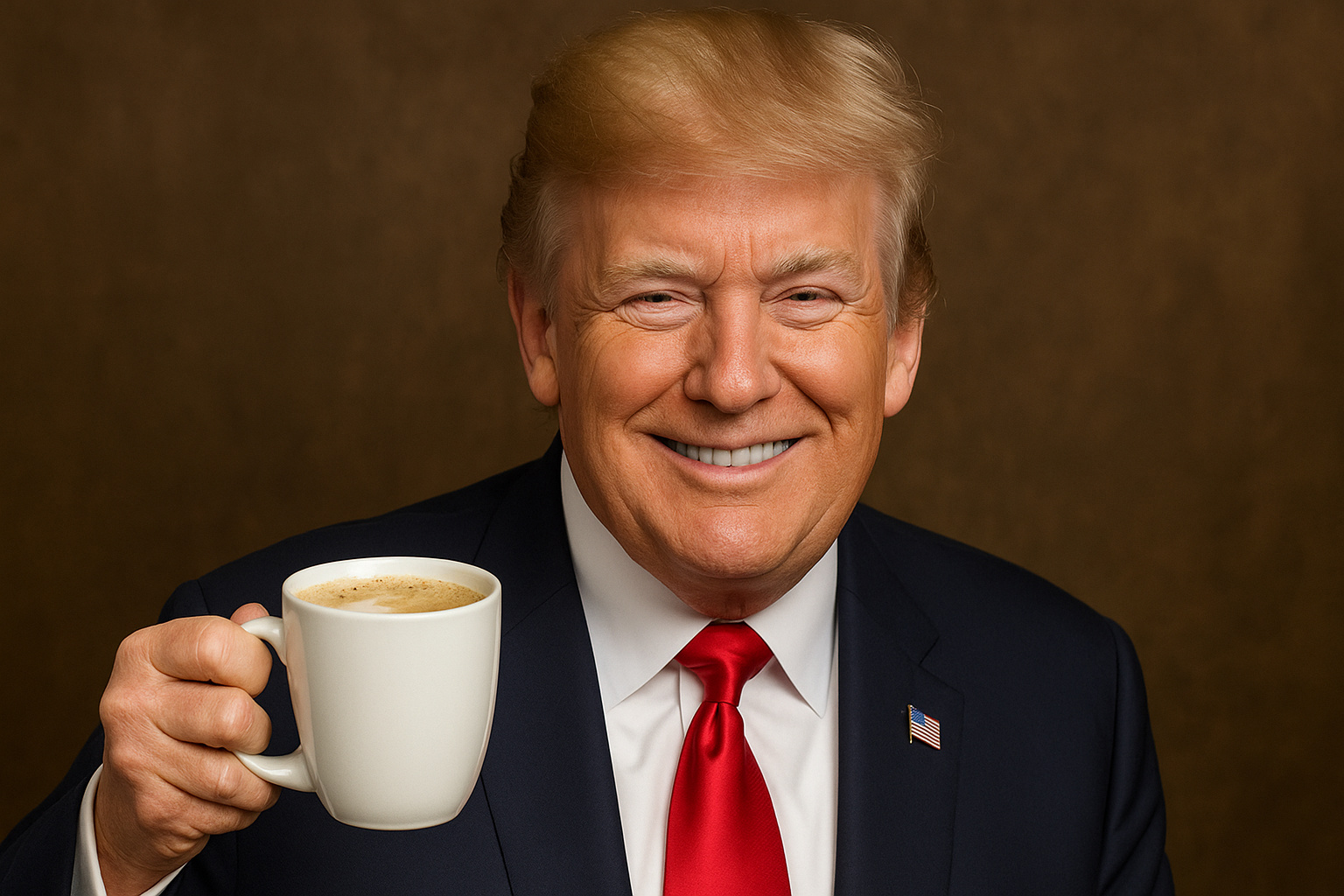
Trump Cuts Coffee Tariffs To Prevent Product Shortage In The US For Christmas And New Year After Stock Falls And Prices Rise.
Trump Reverses And Cuts Coffee Tariffs To Contain Crisis In The US
Amid a price surge and declining stock, the President of the United States, Donald Trump, announced that he will reduce import tariffs on coffee. The decision was confirmed in an interview with Fox News on Tuesday (12), and aims to prevent the traditional coffee from disappearing from American tables during Christmas and New Year.
The move marks a turnaround in Trump’s trade policy, which had imposed tariffs of up to 40% on Brazilian and Colombian coffee. Now, in light of shortages and rising costs, the US government is trying to resume import flows to ensure internal supply.
Stock Collapse And Market Pressure Force Change
With American stocks nearly depleted and no new suppliers capable, the government had no alternative. The agriculture industry in the US, heavily dependent on imported coffee, faces a logistical deadlock that threatens domestic consumption.
-
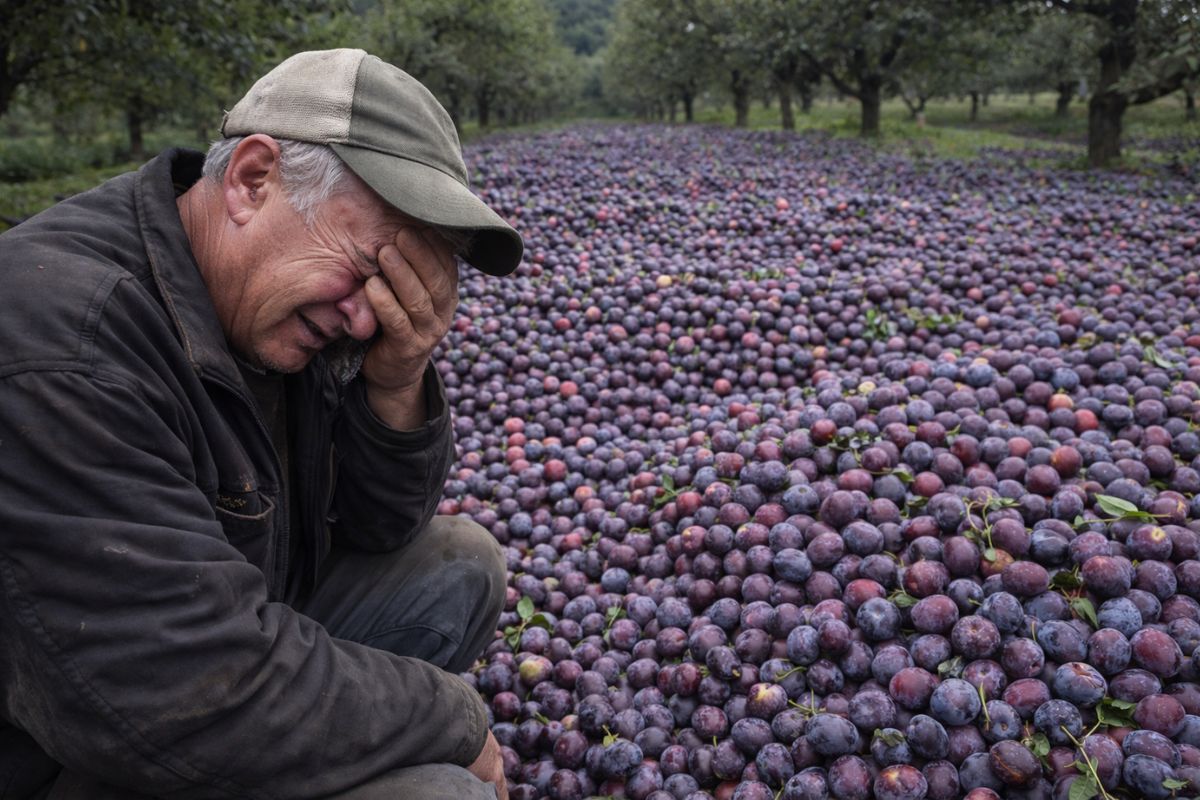
A rural producer from Urubici cries as he shows 50 tons of plums thrown on the ground because no one wanted to buy them, and in desperation, he records a video asking anyone to come to the property to pick the fruits before they rot.
-
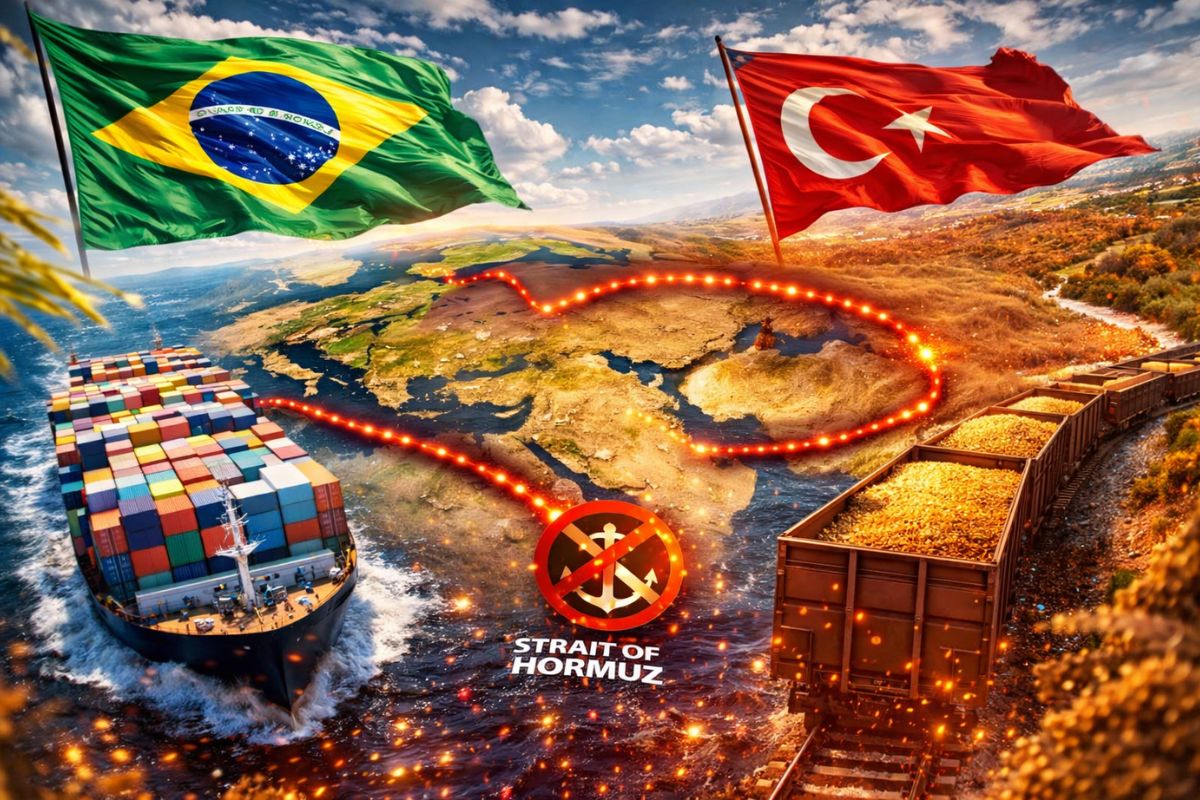
Unable to pass through Hormuz, Brazil activated a plan B that uses Turkey as a gateway to the Middle East: the route through Gibraltar and the Mediterranean is longer and more expensive but ensures that chicken, beef, and corn continue to reach Arab markets.
-
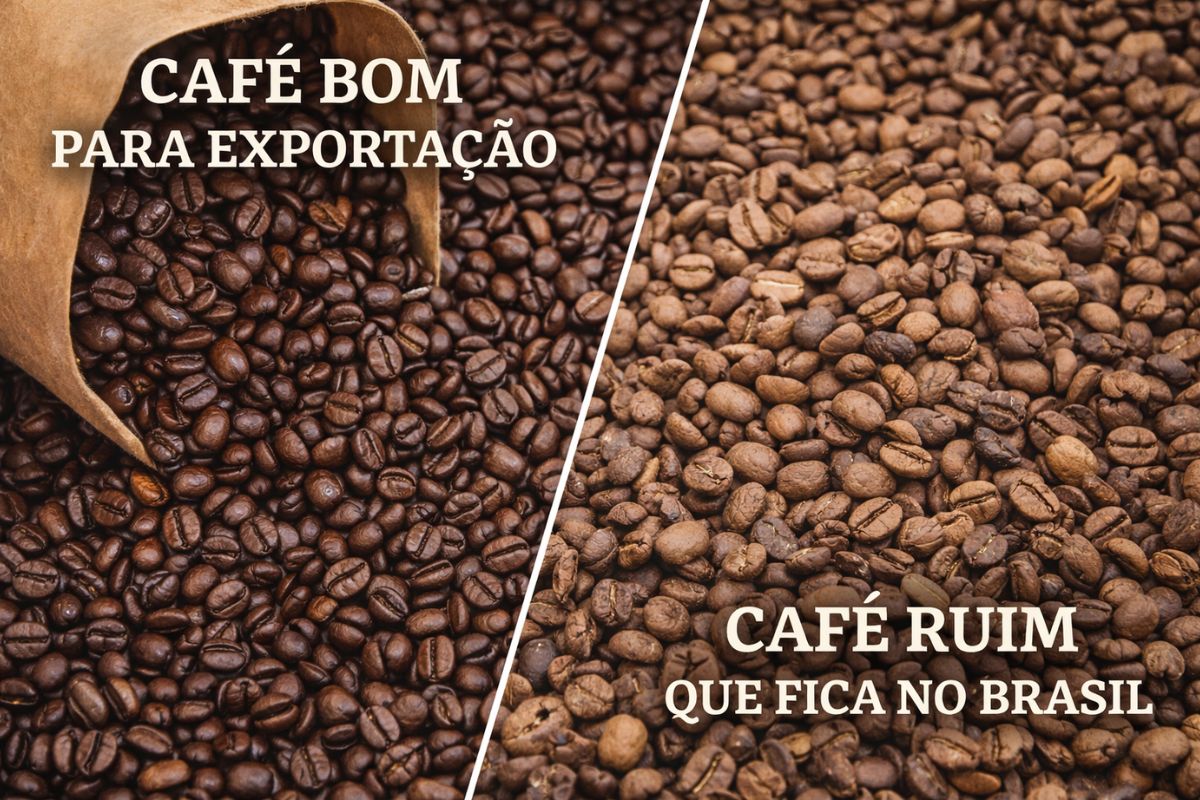
You grew up hearing that the good coffee from Brazil goes all abroad and the bad coffee stays for Brazilians, but this story has completely changed, and the numbers show that in the 1980s, thirty percent of the coffee sold here was adulterated with corn and barley.
-
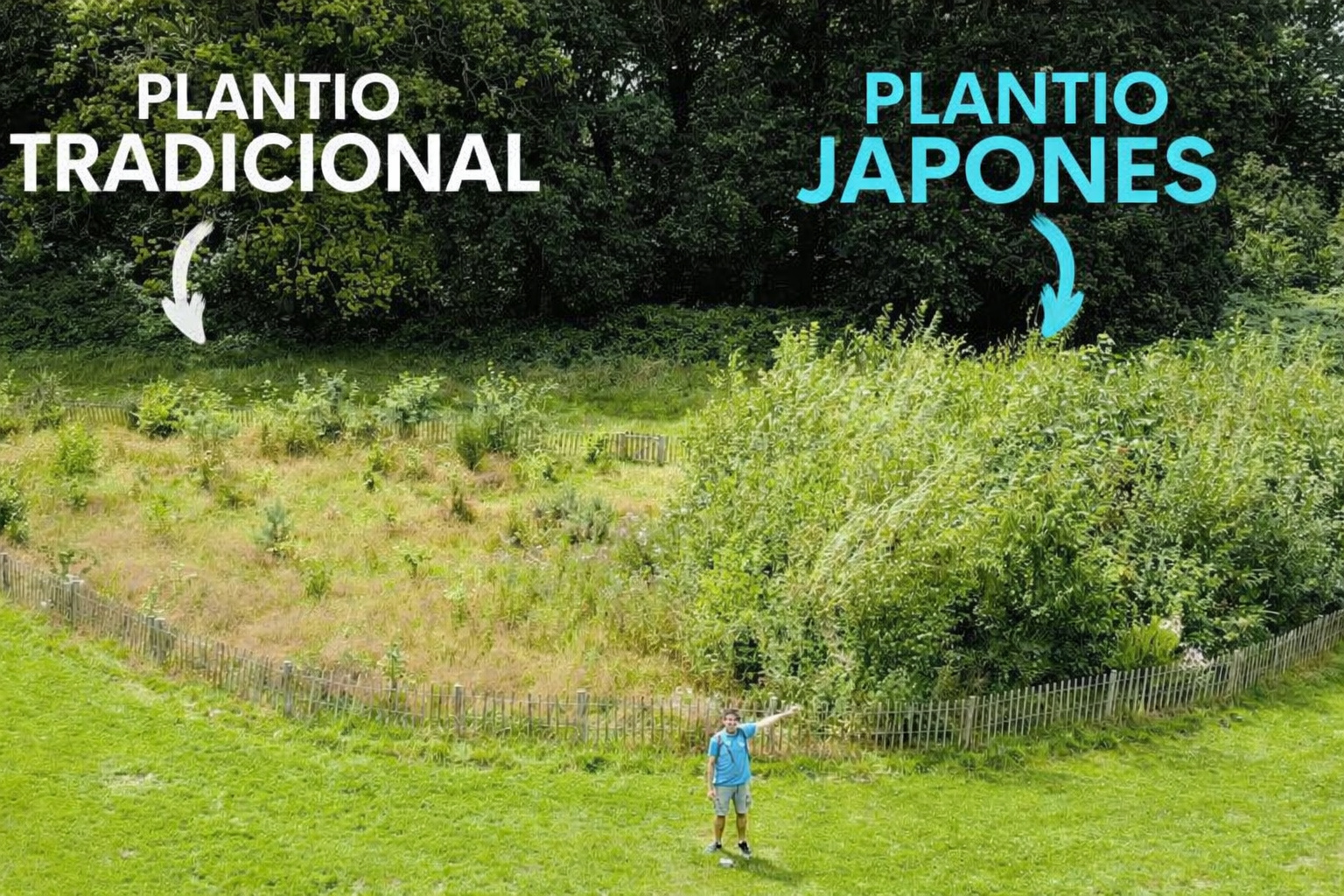
Engineer creates reforestation method that transforms small plots into dense forests in a few years using local biomass and can reduce environmental recovery costs.

According to Trump, “the time for truth has come.” He stated that the US needs emergency measures to prevent coffee from becoming a scarce product during the holiday season.
Brazil Returns To The Forefront
Brazil is the main supplier of Arabica coffee to the United States, followed by Colombia. Central American countries like Costa Rica, Honduras, and Guatemala also participate, but their productions are insufficient to meet American demand.
According to the president of Cooxupé, Carlos Augusto de Melo, the difference in export volume in 2025 is alarming. “In August, September, and October of last year, the United States purchased 1.5 million bags of Minas coffee. In the same period this year, only 100 thousand were shipped,” the leader reported to radio Itatiaia.
This drastic drop directly impacts Brazilian coffee growers, especially in Minas Gerais, and raises an alert about the sustainability of exports.
Overloaded Ports Aggravate The Scenario
In addition to the tariff policy, the logistical problem in Brazil’s main ports also weighs heavily. The Port of Santos, the largest coffee exporter in the country, faces bottlenecks that delay shipments.
Just in September, 939 thousand bags of coffee were not shipped to the United States due to delays and operational limitations. The loss for producers and exporters exceeded R$ 9 million, according to sector estimates.
These delays help explain part of the shortage faced by Americans, as Brazilian coffee is primarily responsible for balancing the global market.
Tariff Reduced, But No Official Details
Despite the announcement, Trump did not specify which countries will benefit from the tariff reduction. Still, industry analysts say that there is no way Brazilian coffee will be left out, given its quality and production capacity.
The expectation is that the revision will ease costs for importers and, consequently, stabilize internal prices. Thus, the traditional American coffee will remain accessible to millions of consumers at the year’s end.
Repercussions In Agriculture And Political Tension
Trump’s decision also has political implications. The president seeks to bolster his image as a protector of the American consumer at a time of persistent inflation. At the same time, he aims to reconnect with Latin American agricultural trade partners, especially Brazil.
On the other hand, the gesture shows that Trump is trying to mitigate the impact of tariffs on agricultural products, which are already affecting coffee, milk, and sugar.
Coffee And Milk: A Troubled Duo
While coffee faces logistical bottlenecks and tariff barriers, the dairy sector is going through a parallel crisis. The entry of powdered milk from Argentina and Uruguay has pushed small producers out of the domestic market, according to experts.
The industry, pressured by costs, ends up rehydrating imported powdered milk, which reduces the competitiveness of domestic products and weakens the rural sector.
Nissan USA And The Commercial Background
Curiously, the coffee tariff review occurs in the same context of trade tensions involving other strategic industries, such as the automotive industry. Nissan USA, for example, has warned about the impact of tariffs on imported components and on the final price of vehicles, reinforcing the need for a more balanced trade policy.
Thus, the tariffs imposed by Trump do not only affect agriculture but also the production chain of sectors like the automotive industry, increasing pressure on the government on the eve of the holidays and the election year.
Coffee, A Symbol And Thermometer Of The Global Economy
Therefore, Trump’s decision to reduce coffee tariffs is not only an emergency measure to avoid shortages in the US. It is also a signal that the global agriculture continues to dictate the pace of politics and international diplomacy.
With Brazil in the spotlight and coffee back at the top of the economic agenda, the end of 2025 promises to be a hot time not only in cups but also in trade negotiations that will define the future of the sector.







-

2 pessoas reagiram a isso.