





 Portuguese
  English
  Spanish
  4 min of reading
  0 comments


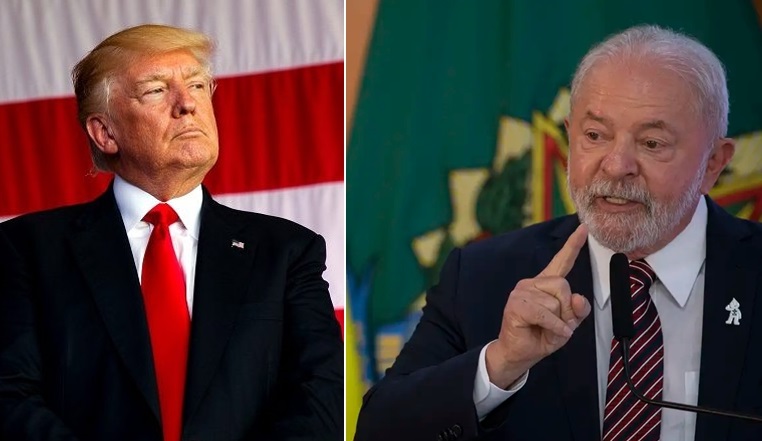
U.S. President Plans Firm Demand on Lula Regarding Bilateral Interest and International Politics
With Donald Trump’s election in the United States, the international relations scenario for President Lula in Brazil and Latin America takes on a new shape, especially regarding Venezuela.
The Trump administration, which begins in January, has already indicated that it adopts a more aggressive stance towards Nicolás Maduro’s government, prioritizing a “maximum pressure” strategy to isolate the Venezuelan regime and contain its influence in the region.
According to an article published in UOL by journalist Jamil Chade, the U.S. government will seek to build a coalition of Latin American countries aimed at combating the advance of communism and reinforcing its position in the hemisphere’s energy sector.
-
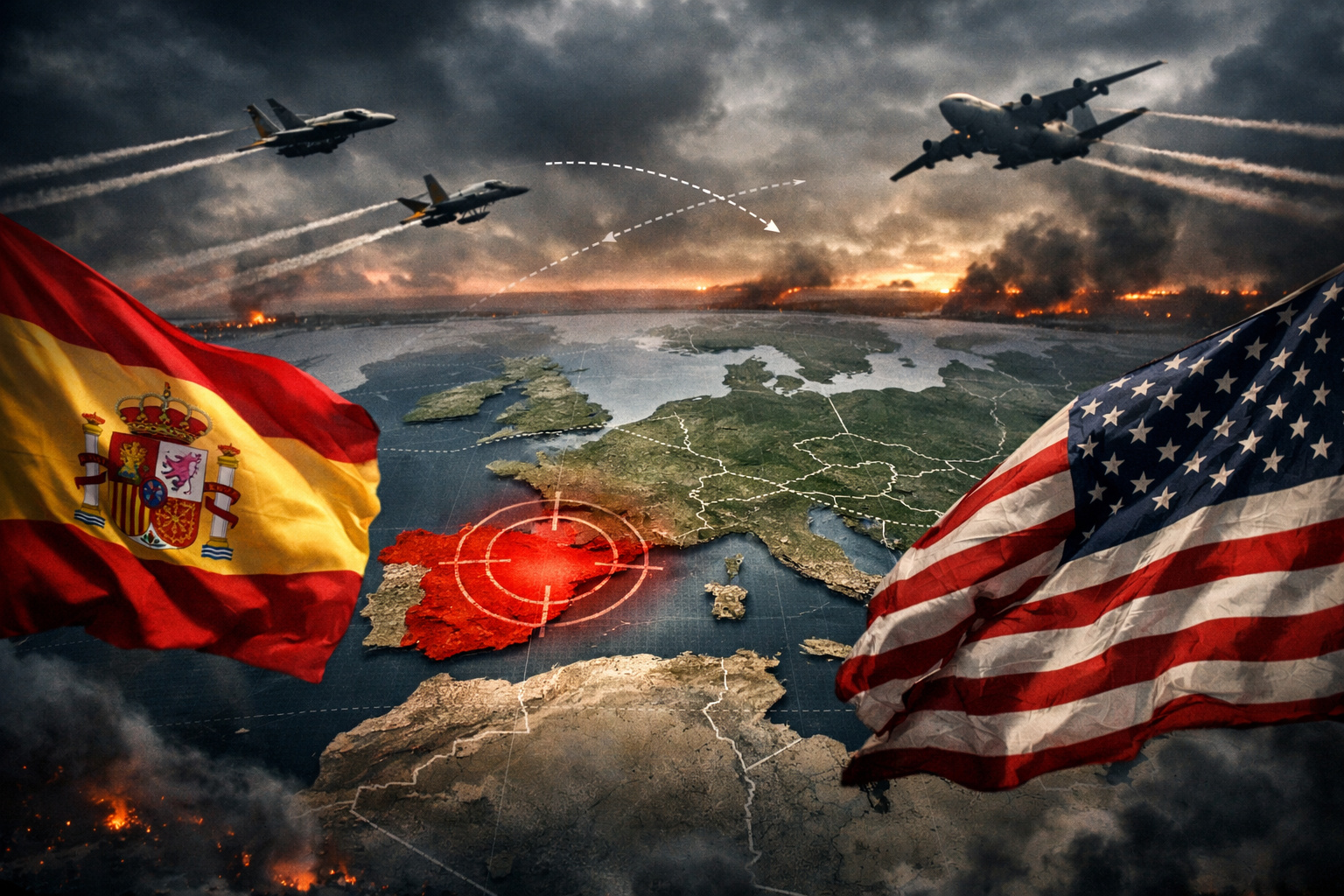
Spain challenges the USA and closes its airspace for operations against Iran, raising global tension and provoking the threat of a trade rupture.
-
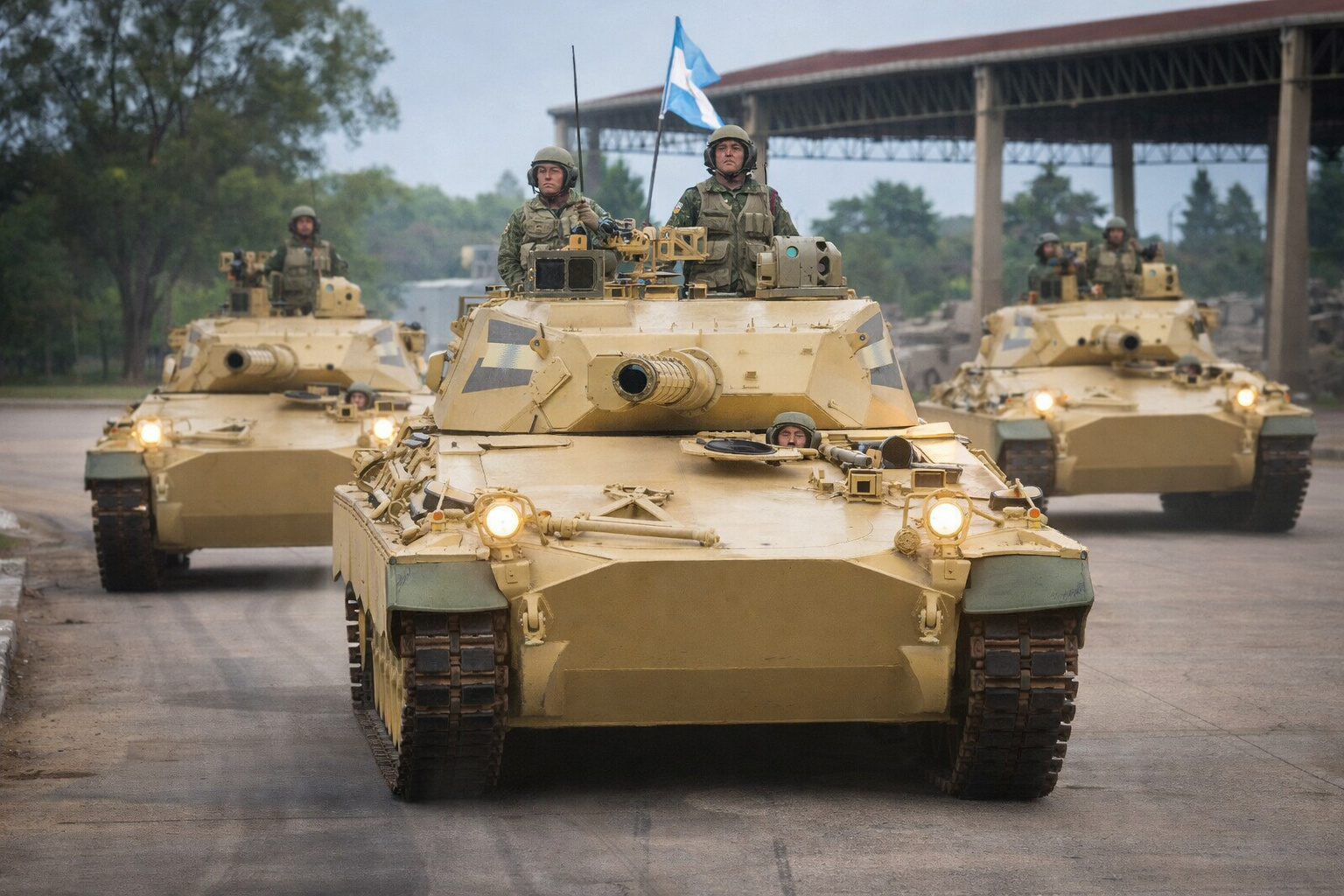
While no other country manufactures tanks in Latin America, Argentina activates the TAM 2C-A2 and raises a curiosity about the technological lag in the region.
-
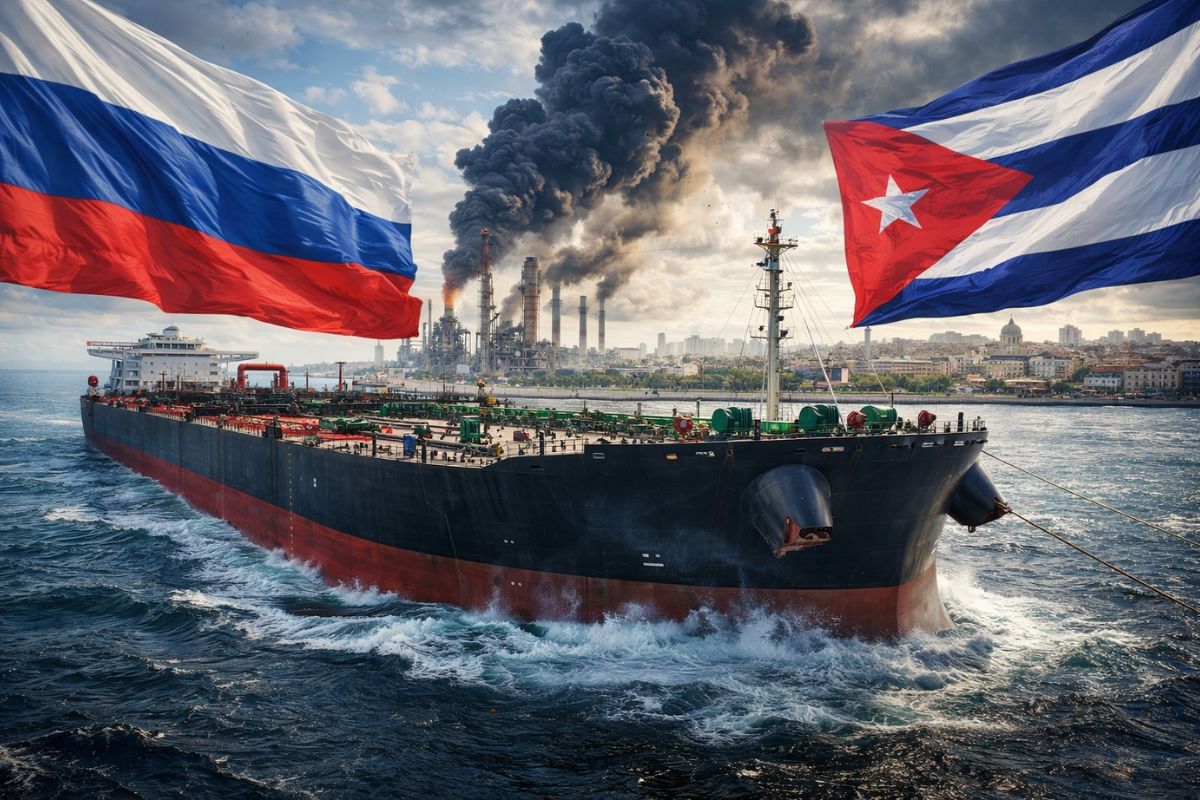
A Russian ship with 730,000 barrels of oil has just arrived in Cuba while Mexico negotiates fuel sales through private companies: the communist island is desperately seeking alternatives after losing its supply from Venezuela due to American military action.
-
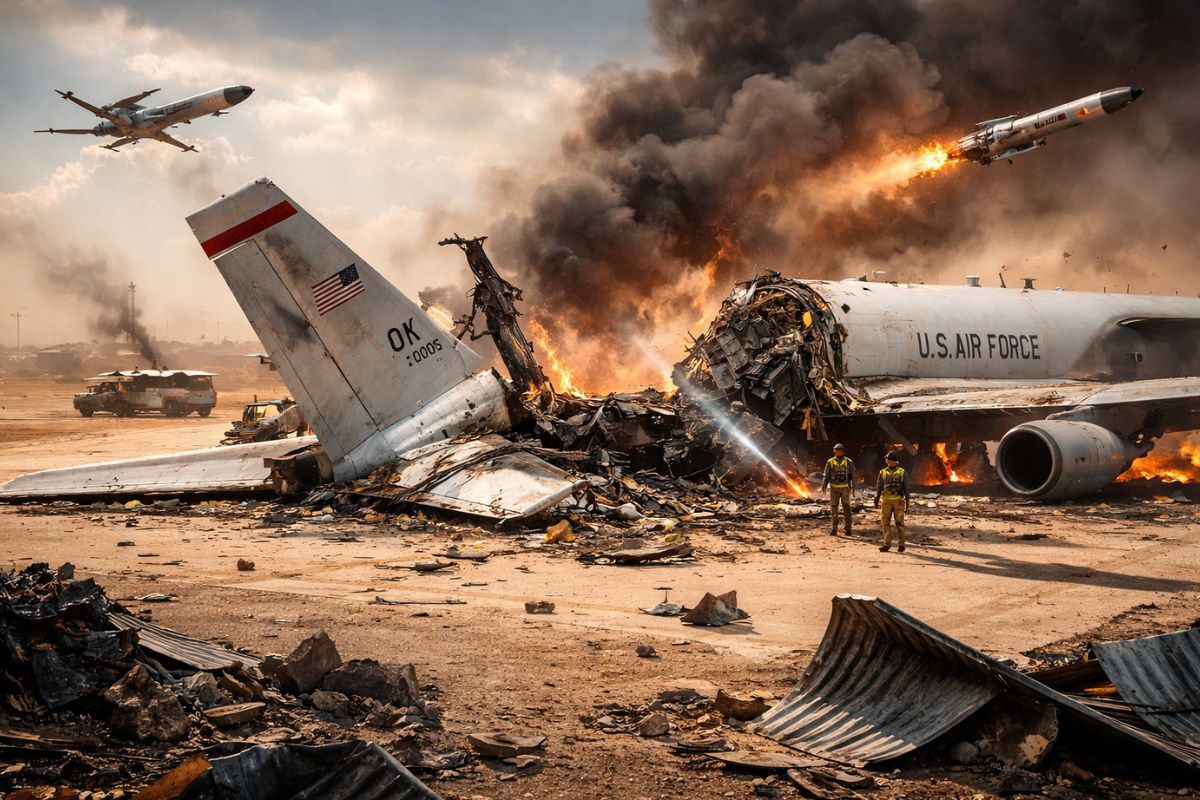
Iranian drones and missiles destroyed a 270 million dollar American spy plane in Saudi Arabia, splitting the E-3 Sentry aircraft in half and injuring 12 military personnel in an attack that exposes the vulnerability of U.S. bases in the Persian Gulf.

The new American foreign policy strategy also aims to ensure that the supply of oil for the U.S. depends less on distant regions and shifts to sources within the hemisphere, such as Venezuela, Canada, and Mexico.
This new approach places Brazil in a relevant role, being pressured to adopt a stricter stance towards Maduro’s government.
The International Scenario and the Relationship Between the United States and Venezuela
The Joe Biden administration has followed a different approach regarding Venezuela, seeking a diplomatic solution to the country’s political crisis. The White House maintained negotiations with Maduro and the opposition, culminating in the Barbados Agreement, signed in October 2023, which called for free elections in Venezuela and the gradual removal of sanctions imposed by the U.S.
However, Trump’s advisers and Republican Party members believe that Biden was “fooled” by Maduro, as they consider that the Venezuelan president used the agreement to buy time and avoid sanctions without effectively yielding on essential issues.
For Trump, the solution does not involve a strategy of concessions and negotiations, but rather increasing pressure and dismantling Maduro’s regime’s influence.
The “maximum pressure” policy will aim to economically isolate Venezuela, restricting trade and access to international resources while building a coalition among neighboring countries. The goal is to limit dependence on Venezuelan oil and ensure that trade relations align with U.S. interests.
Project 2025 and the Republicans’ Strategy
A document drafted by Republicans, known as Project 2025, was created to serve as a sort of guide for the new Trump administration. Among those responsible for its drafting is Kiron Skinner, former Director of Policy Planning at the U.S. State Department.
The project describes Venezuela as a threat to the hemisphere due to its rapprochement with anti-American powers, such as China and Iran, and suggests that the next U.S. government adopts a stricter stance to contain the advance of communism in Latin America.
According to the document, “the communist leadership (of Venezuela) has approached some of the greatest international enemies of the United States, including China and Iran, which have long sought a foothold in the Americas.”
This proximity is seen as a threat to the security of the United States and its allies in the region. Project 2025 emphasizes the importance of the next American government positioning itself as a leader of a hemispheric coalition, promoting security policies and aligning the region with U.S. economic interests.
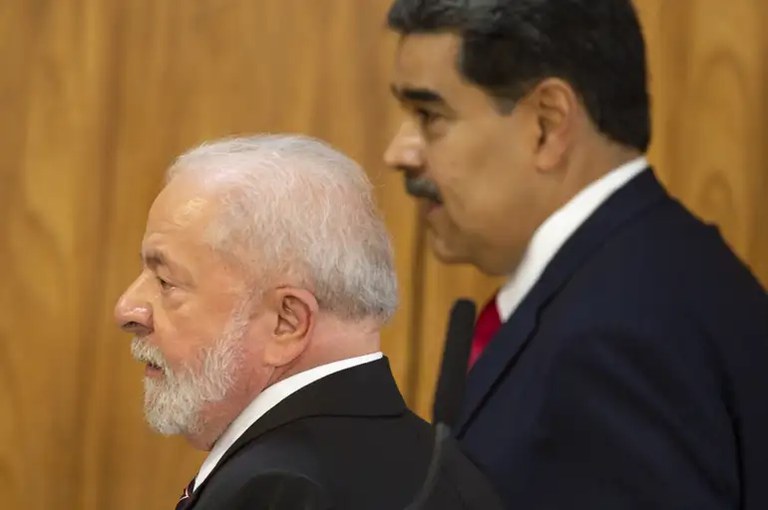
Brazil Under President Lula at the Center of International Pressures
For Republicans, Brazil is a strategic ally in this context and will be pressured to adopt a clear position towards Maduro’s government.
Since Lula’s election, Brazil has taken a dialogue-oriented stance with Venezuela, which has raised concerns in Washington.
However, the Brazilian government’s decision not to recognize the elections of July 2023 in Venezuela was seen as a positive step by Republicans, who believe that this position paves the way for closer collaboration.
In September, a Brazilian mission sent to dialogue with Republican representatives in the U.S. encountered a firm stance and a clear willingness to pressure Brazil to support the coalition against Maduro.
The expectation is that the Lula government will take more decisive measures, aligning itself with the American strategy of containing Venezuelan influence in the region.
The Energy Issue and Venezuela’s Role
Project 2025 also highlights the energy sector as a priority of Trump’s foreign policy. One of the new American government’s goals is to reduce dependence on imported oil from distant locations, favoring closer sources, such as Venezuela, Canada, and Mexico.
For the United States, Venezuela represents an important piece in reorganizing energy supply, and an alliance with countries in the hemisphere would allow for greater energy autonomy and a reduction in transportation and logistics costs.
The document argues that the United States should invest in a regional energy integration policy that allows for a free flow of resources among countries in the Western Hemisphere.
Furthermore, collaboration in the energy sector would help consolidate U.S. leadership in the region, maintaining energy security and reducing dependence on distant and potentially manipulable sources of fossil fuels.
Regional Security and International Collaboration
Beyond the energy issue, the American strategy involves strengthening regional security. Venezuela and other Latin American countries, such as Colombia, Ecuador, and Guyana, are seen as vulnerable to influences from external powers, such as China and Russia.
In Project 2025, the U.S. reaffirms its commitment to lead a coalition of democratic countries in the hemisphere, promoting security and combating external threats.
The document warns that the Western Hemisphere is increasingly susceptible to socialist and progressive regimes, seen as a threat to regional stability and security.
With this concern in mind, the Trump administration intends to lead an international cooperation initiative that encompasses security, economic development, and policies to combat foreign influence.









Seja o primeiro a reagir!