





 Portuguese
  English
  Spanish
  5 min of reading
  0 comments


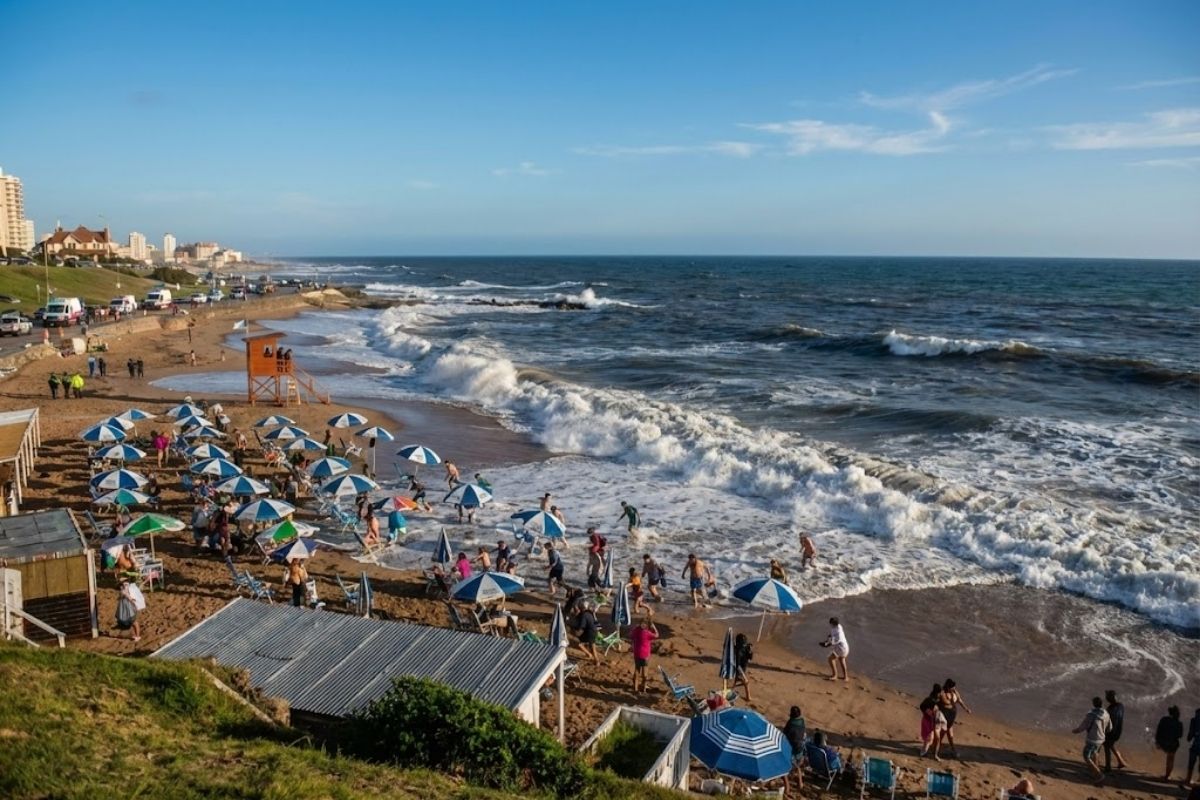
In Mar del Plata, In The Province Of Buenos Aires, A Meteorological Tsunami Formed High Waves After Sudden Pressure Change Surprised Beaches On A Calm And Hot Day, Left 35 Injured And Killed Yair Emir Manno Núñez, 29, Exposing Coastal Fragility And The Challenge Of Predicting The Sea In The Whole Region.
A meteorological tsunami hit the province of Buenos Aires, Argentina, in the region of Mar del Plata, on Monday (12), and turned into a real scare for a country south of Brazil. The sea suddenly advanced, with high waves appearing without warning for those on the sand, and the immediate result was tragic: Yair Emir Manno Núñez, aged 29, died, and 35 people were injured.
The incident occurred when the weather was still described as calm and hot before the turn. In a few moments, the sea ceased to be a scene and became a force. The sequence described in the account points to a trigger: changes in atmospheric pressure and intense atmospheric disturbances generated a rapid oscillation of sea level, a difficult behavior to anticipate and that, in crowded areas, can escalate to chaos.
Where It Happened And How The Sea Changed In Mar del Plata

The described point is Mar del Plata, a coastal city in the province of Buenos Aires, Argentina.
-
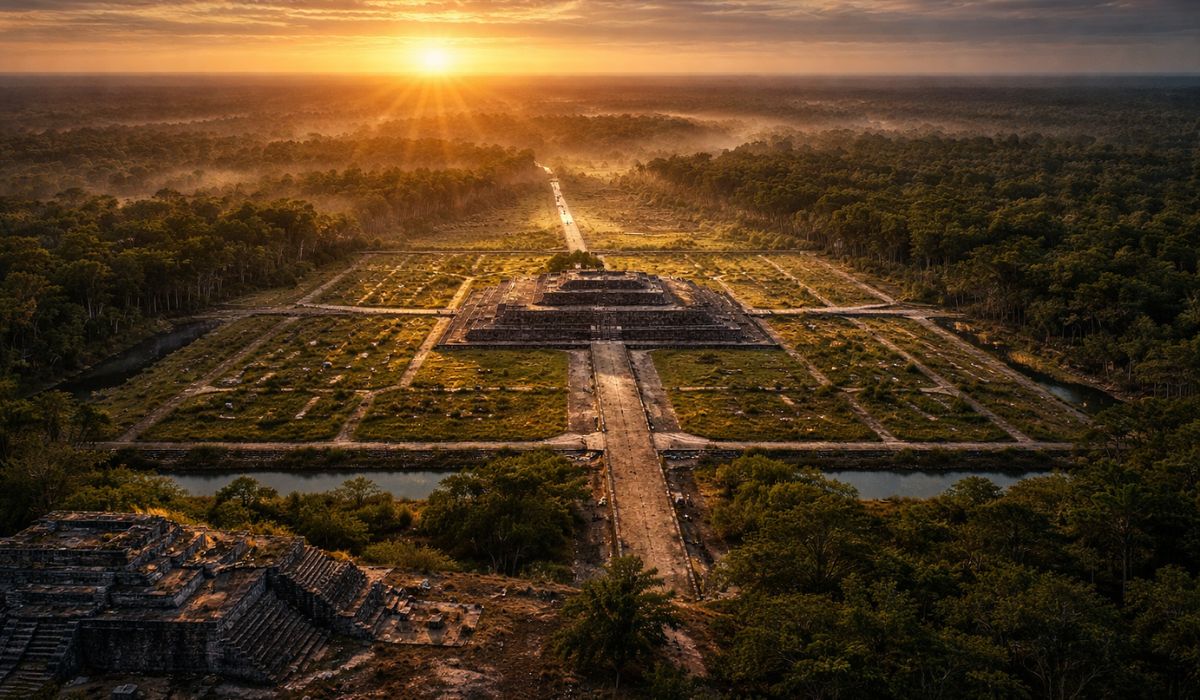
In Mexico, a 3,000-year-old Maya site with the dimensions of an entire city may have been built as a colossal map of the cosmos, created to represent the order of the universe and reveal how this people organized space, time, and rituals.
-
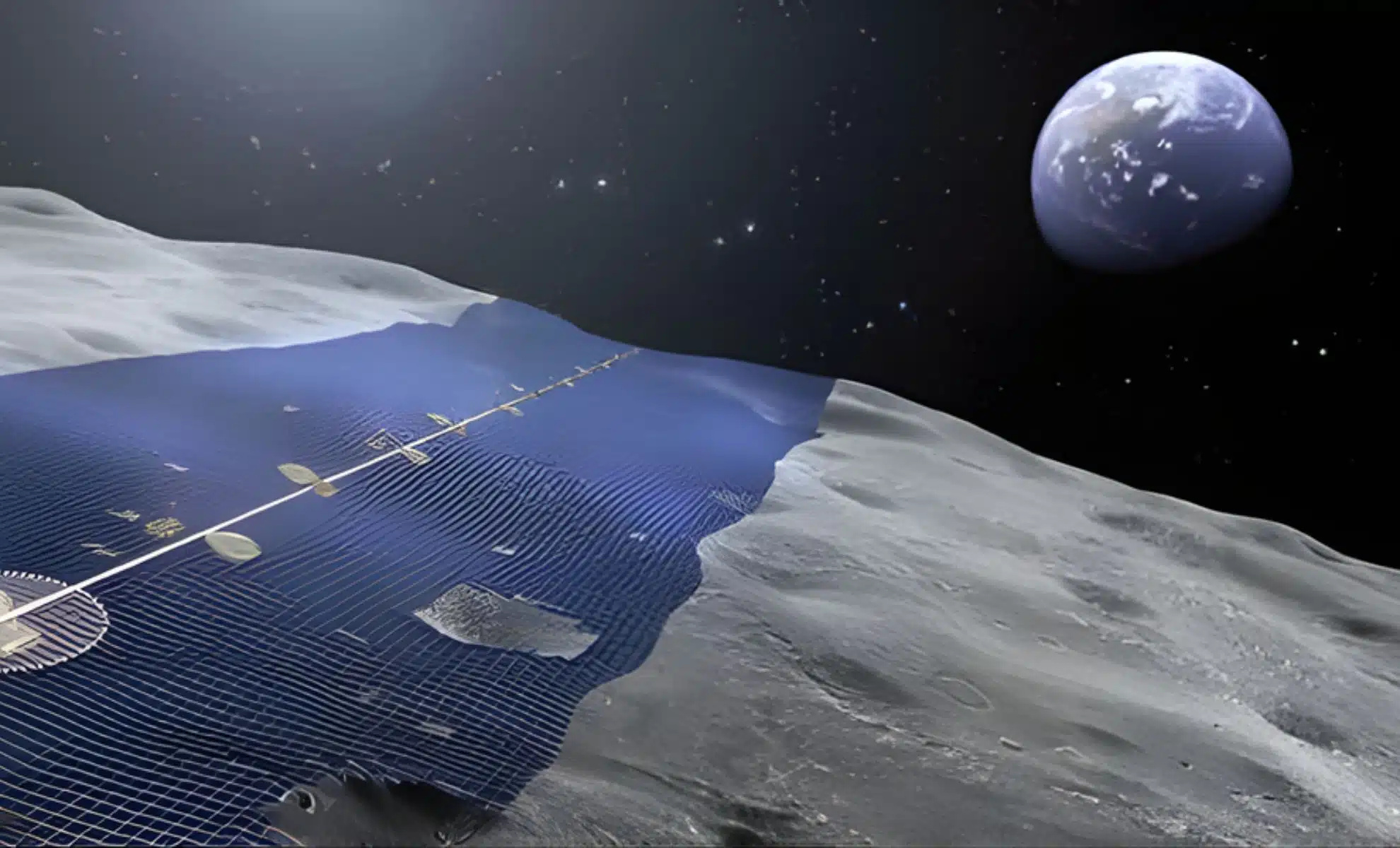
Japan wants to build a solar ring of 10,900 kilometers on the Moon to continuously send energy to Earth.
-
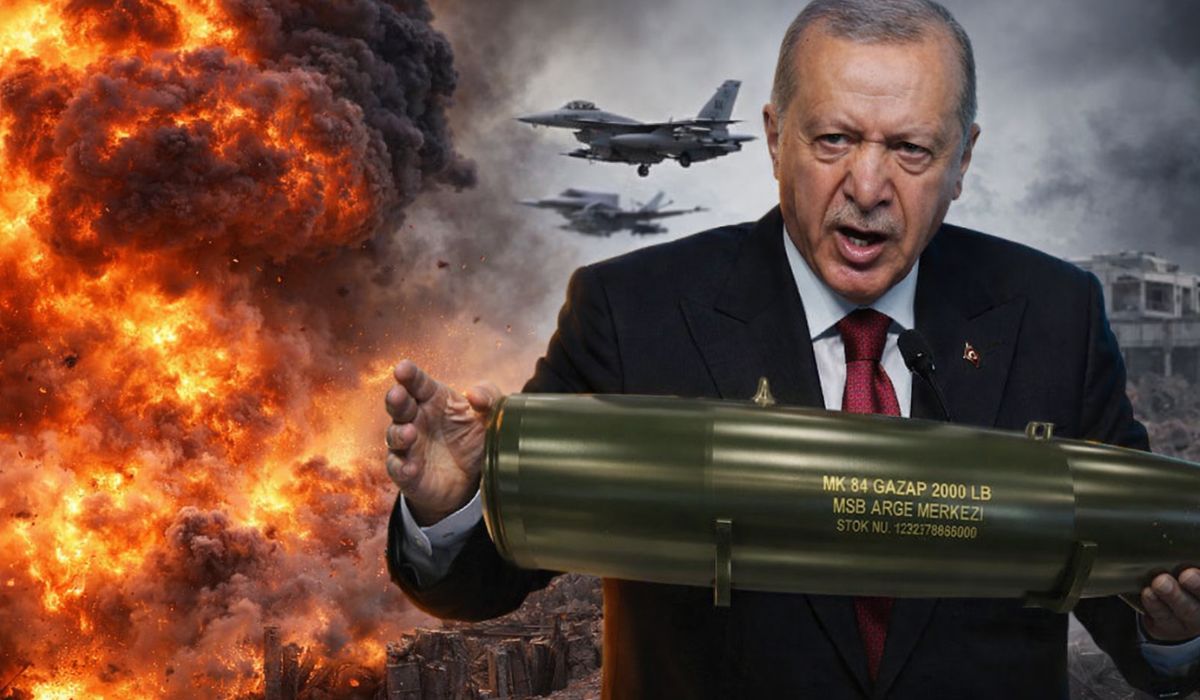
Weighing almost 1 ton, with temperatures of up to 3,000°C, the ability to launch 10,000 fragments within a radius of 1 km, capable of penetrating concrete and melting steel, Turkey’s terrifying bomb emerges as one of the most destructive non-nuclear weapons ever presented.
-
After a submarine disappeared beneath the “Doomsday Glacier,” scientists announce a new monstrous machine capable of operating at 3,000 meters depth to return to the heart of the ice and investigate a threat that could raise sea levels worldwide.

The occurrence draws attention for hitting a region south of Brazil where beach, port, and heavy circulation coexist.
What usually seems predictable, the ebb and flow of the sea, gained a different and dangerous rhythm.
The surprise did not come only from the strength of the sea but from the preceding scenario.
The account points to a hot day, with calm weather, without that “threatening climate” that usually makes people retreat.
It was precisely the feeling of normalcy that reduced readiness, and that matters because the beach is an environment of dispersed attention, with people walking, entering and exiting the sea, sitting on the sand, and leaving objects near the water.
What Is Known About The Death And The 35 Injured
The confirmed death is that of Yair Emir Manno Núñez, 29.
In parallel, the reported balance includes 35 injured, described as having minor injuries.
Even without detailed clinical information case by case, the general picture is consistent with a rapid occurrence, in which people have no time to reposition themselves calmly.
When high waves come in unexpectedly, the risk is not just the water.
The sea pushes people, knocks them down, separates groups, drags loose objects, and creates a sequence of cascading falls.
In a busy stretch of sand, the energy of the sea mixes with human energy, with running, attempts to help strangers, and simultaneous retreats.
Vulnerability increases when the sea changes and the collective reaction happens at the same time.
The Measurement At The Port And The Physical Signal Of The Meteorological Tsunami
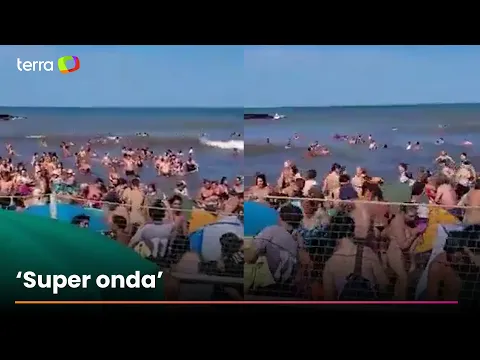

The most concrete technical data mentioned in the report came from the port of Mar del Plata.
There was an oscillation in sea level in two well-defined stages: first, a drop of 45 centimeters, followed by a rise of 90 centimeters.
This helps to understand why the event was described as sudden, even with calm and hot weather.
The detail is not just the variation in centimeters, but the speed.
A change like this, in a short period, alters sea level and can translate into high waves on the coast, especially when it meets people already in the water or close to the line where the sea reaches the sand.
To the lay public, the sea seems to show an “impossible” behavior, receding and then coming back with force without warning. For those measuring, the level changes, and the sea responds.
Testimonies, Images And The Dynamics Of Chaos At The Beach
Witnesses reported abrupt movements and said that the water dragged bathers and objects.
The cited material also points out that recorded images show scenes of chaos and people’s struggle against the force of the sea.
This is not a description of common “rough sea.” It is the sense that the beach changes rules in seconds.
This type of scene tends to amplify due to two factors present in the account itself.
The first is the surprise: the sea changes without the adaptation time that exists in a gradual swell.
The second is the crowding: in populated areas, the human body becomes both an obstacle and a target.
When someone falls, another person stumbles; when one group retreats, another group compresses.
Why Meteo Tsunamis Are Difficult To Predict
The report states that meteo tsunamis are difficult to predict due to their sudden nature and meteorological complexity.
This phrase explains much of the scare.
Many people associate “tsunami” with the more familiar script, with tremors, alerts, and evacuations.
In the meteorological tsunami, the mechanism comes from the air, through intense atmospheric disturbances and changes in atmospheric pressure, and this is not intuitive for those at leisure.
The same report emphasizes that, despite the difference from traditional tsunamis, the effects can be dangerous, especially in populated areas.
This is where the Mar del Plata case turns into a public alert: the sea can become a serious risk even when the sky does not “seem” threatening, and the window between normal and dangerous can be short.
What The Episode Reveals About Coastal Risk In The Region South Of Brazil
The case is treated as a reminder of the vulnerability of coastal areas to extreme weather events.
In Mar del Plata, the combination of a busy beach and rapid sea level oscillation showed how a little-known phenomenon can generate real consequences.
In practice, the sea becomes a risk vector that does not depend solely on individual prudence but on the collective context.
The conclusion suggested by the report points to two fronts: effective warning systems and awareness of the potential dangers of the ocean.
In rapid events, the difference between scare and tragedy can lie in the speed with which information arrives, in the public’s understanding, and in the existence of simple protocols, like guiding people to stay away from the water when the sea shows sudden level changes.
Mar del Plata, in the province of Buenos Aires, became the portrait of how a meteorological tsunami can escape the public radar and turn into a crisis in minutes.
With 35 injured and the death of Yair Emir Manno Núñez, 29, the case reinforces that the sea, even on a calm day, can pose a real risk when the coastal region faces rapid changes in atmospheric pressure.
With the available data, the most realistic response is to treat the event as an alert for rapid communication, monitoring, and beach education, because meteo tsunamis are difficult to predict and the impact is immediate.
In your city, do you think the population would recognize a meteorological tsunami in time to get out of the sea?





-

-

-

3 pessoas reagiram a isso.