





 Portuguese
  English
  Spanish
  2 min of reading
  0 comments


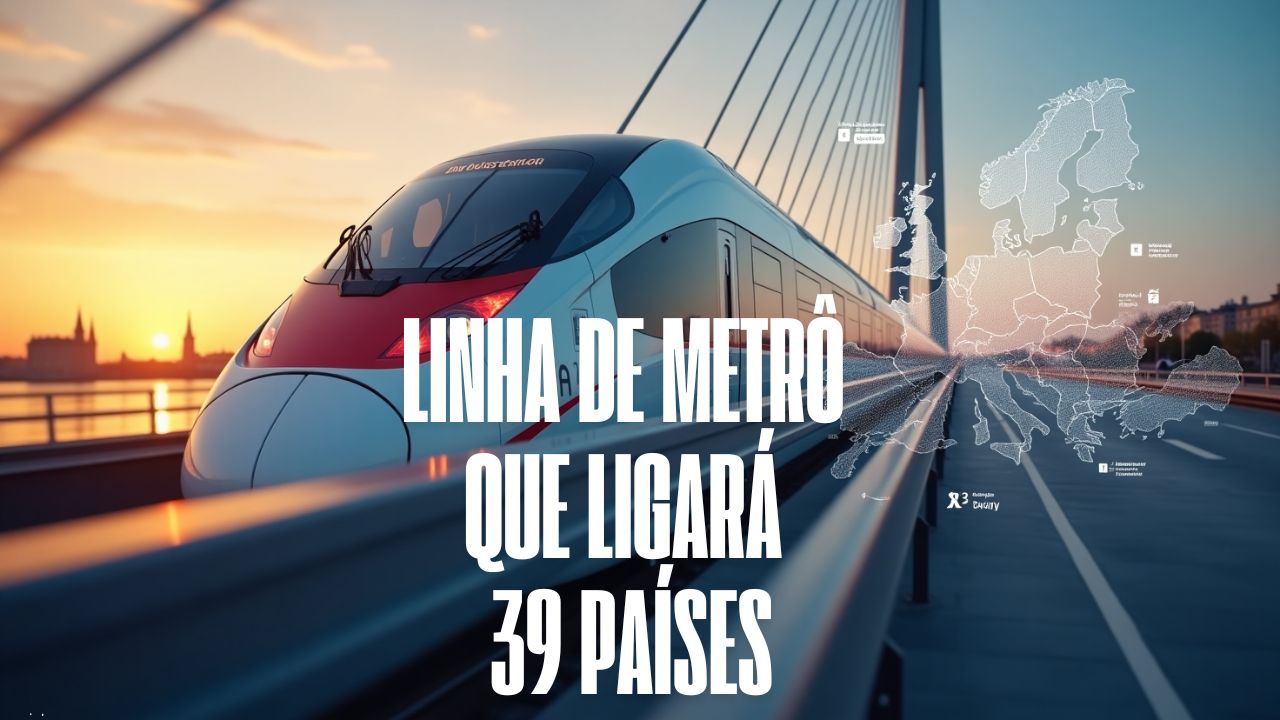
Network Will Interconnect Major Cities with Trains Up to 400 km/h, Reducing Travel Times and Boosting the Continent’s Economy
The “Tube for Europe” project, conceived by railway infrastructure specialists, aims to transform transportation on the European continent. The initiative seeks to interconnect 39 countries through a high-speed train network, reaching speeds of up to 400 km/h. According to studies presented by the transportation sector of the European Union, this innovation could drastically reduce travel times between cities and improve cargo logistics.
Expansion and Impact on European Transportation

According to a report released by the European Sustainable Mobility Council, the proposal aims to connect all capitals and major cities of the continent, extending to Turkey and Ukraine. The Tube for Europe infrastructure will also be designed to include multifunctional stations, offering cultural spaces, shops, and leisure areas. The Association of Transportation Engineering in Germany pointed out that this approach could enhance user experience and encourage rail transport as a more sustainable alternative.
Safety and Cutting-Edge Technology
The “Tube for Europe” will feature advanced safety systems, including artificial intelligence for risk monitoring and automatic speed control. According to the International Union of Railways, this management model can reduce accidents and ensure greater efficiency in travel. The absence of differentiated classes in the carriages will allow all passengers to have the same travel experience.
-
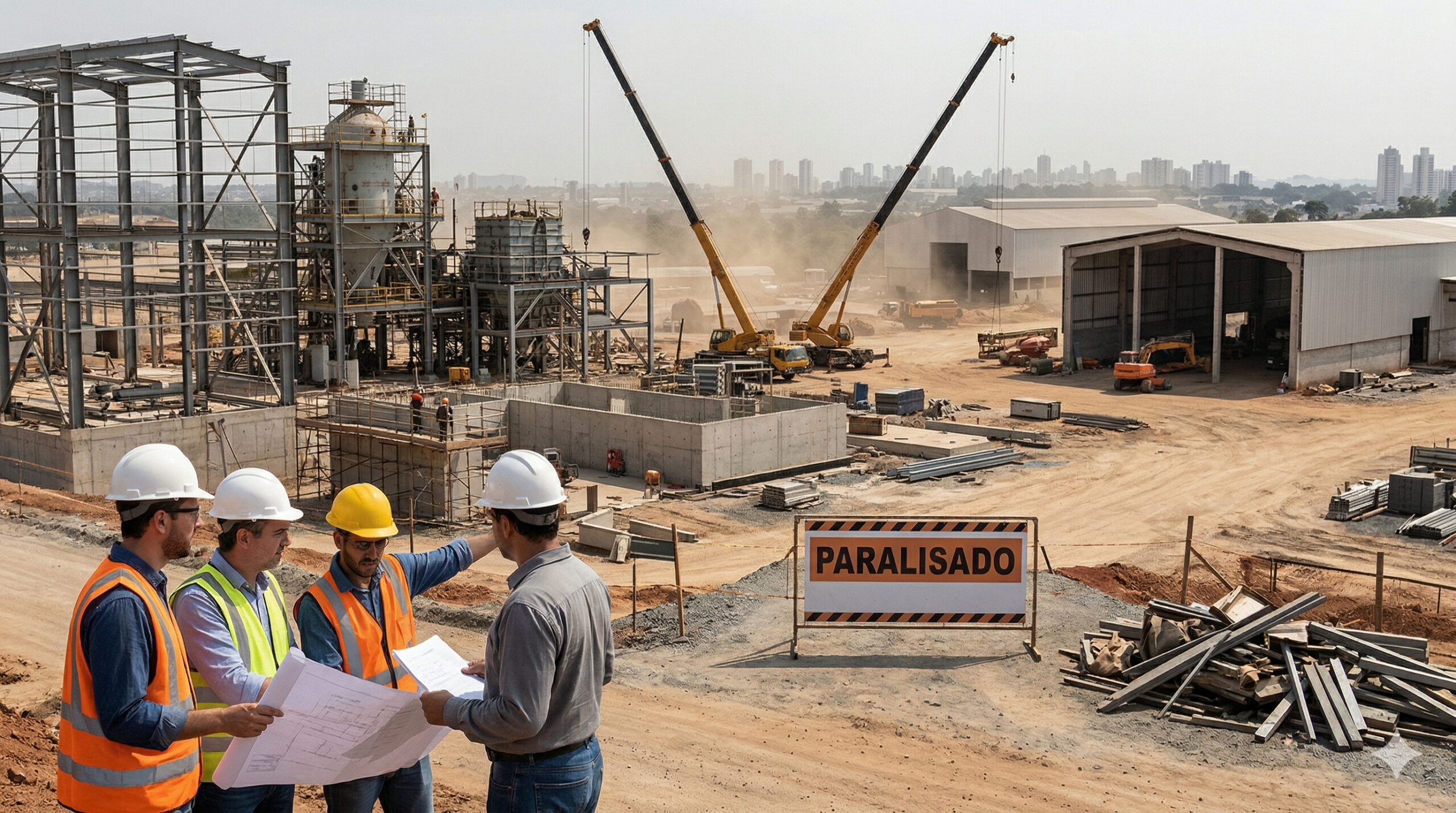
The lack of welders, electricians, and operators becomes a structural threat in 2025, with the construction industry and manufacturing already suffering from delays, cost pressures, and labor shortages in Brazil.
-
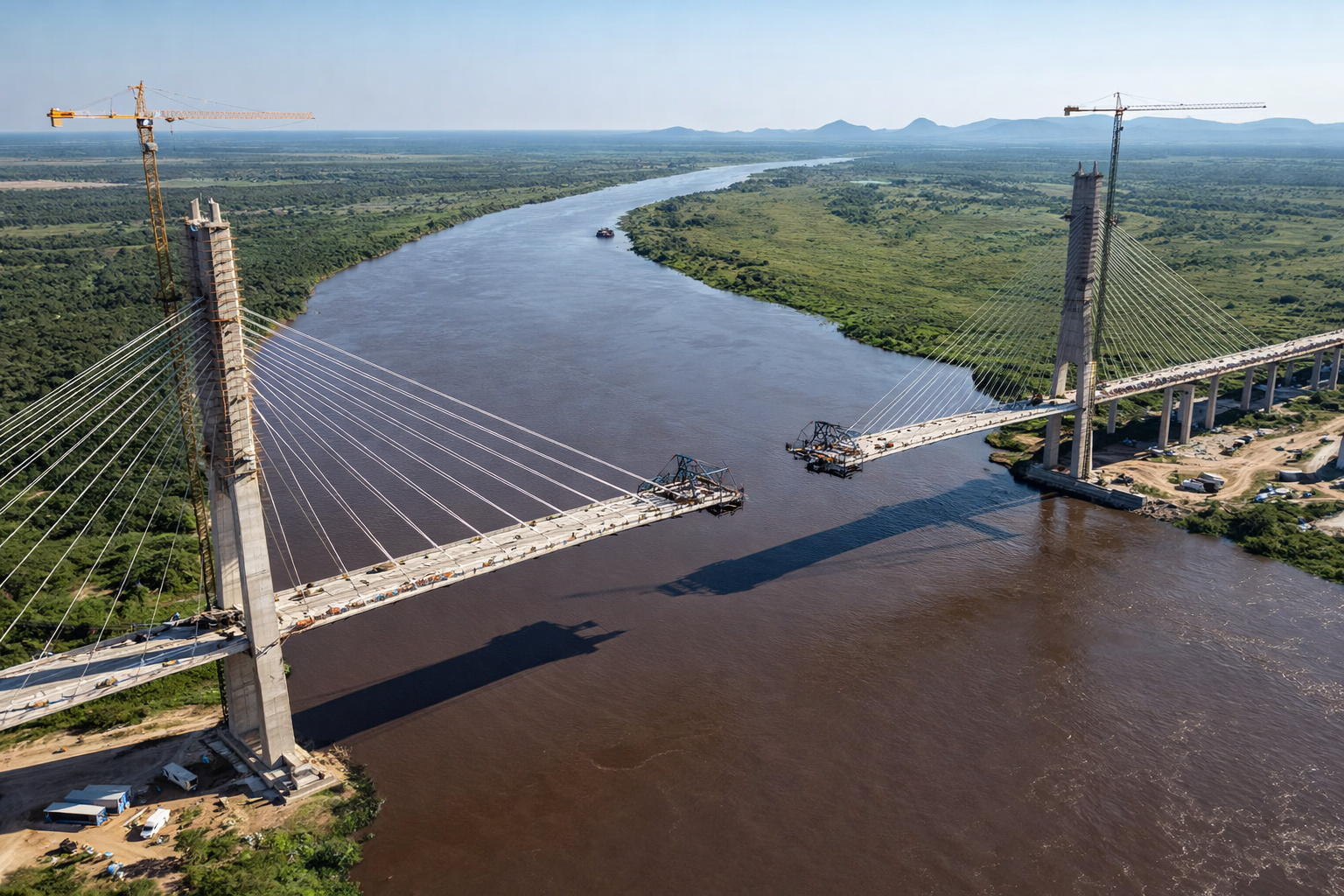
Brazil and Paraguay are just 46 meters away from a historic union on the bioceanic bridge that promises to revolutionize trade between the Atlantic and the Pacific.
-
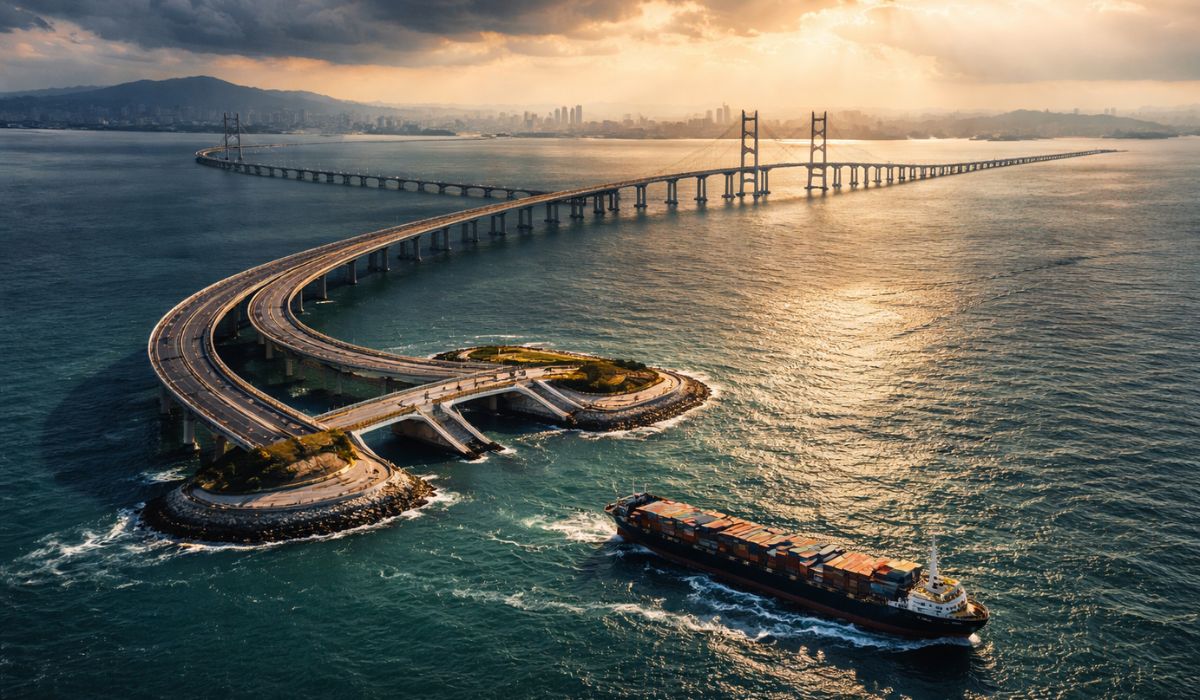
With 55 km over the sea, a cost of US$ 20 billion, and enough steel to build 60 Eiffel Towers, China’s largest project has connected Hong Kong, Zhuhai, and Macau in a colossal bridge that defies the logic of engineering.
-
A trick with joint compound transforms a Styrofoam ceiling into a plaster-like ceiling: leveled panels, wires and mesh at the joints, sand, paint, and change the environment while spending little today.


Economic and Environmental Effects
The project is not limited to passenger transport. The European Association of Trade and Logistics indicated that this new railway network could boost cargo transport, allowing quicker distribution of goods among interconnected countries. The Tube for Europe is also expected to reduce carbon emissions, as the trains are powered by electricity and represent a less polluting alternative compared to air and road transport.
Future of the Project and Expectations
Experts from the European Infrastructure Institute point out that, although the Tube for Europe is still in the planning phase, it is already receiving support from various nations and private investors. The European Union is evaluating funding options to accelerate its implementation and ensure the network is operational as soon as possible. If approved, the project could transform mobility on the continent, making the train the most viable option for travel and cargo transport.









Seja o primeiro a reagir!