





 Portuguese
  English
  Spanish
  5 min of reading
  0 comments



Discover How Job Market Strategies Have Evolved Over Time and Learn How to Stand Out Professionally in a Constantly Changing Scenario.
Understanding job market strategies is essential for anyone looking to grow professionally, whether seeking their first job or advancing in a solid career.
Moreover, in a constantly changing world, knowing the paths that strengthen a solid trajectory offers a competitive advantage. Therefore, it is crucial to observe history, understand changes, and adapt wisely.
The Historical Evolution of the Job Market
Throughout history, work has undergone profound changes. In Antiquity and the Middle Ages, systems like feudalism predominated, where work was linked to land and subsistence.
-
Employee Fired After Accumulating 114 Days of Medical Leave in One Year, Labor Court Upholds Company’s Decision

-
Employee Fired While Treating Depression Wins in Court and Vale Is Required to Rehire Him Following Decision Based on the CLT and INSS Benefits

-
Workers Should Be Aware! March 6 Will Be The Fifth Business Day Of March And The Final Deadline For Companies To Pay Salaries According To The CLT

-
2026 FGTS Anniversary Withdrawal Is Released According to Birth Month, Sets Amounts by Balance Range, Establishes Deadlines for March and April, and Changes Rules in Case of Dismissal

Artisans organized themselves into trade guilds, with apprentices, journeymen, and masters, who followed strict rules of hierarchy and production.
With the arrival of the Industrial Revolution in the late 18th century, the world of work was radically transformed. As historian Eric Hobsbawm highlights in his work The Age of Revolutions, the emergence of factories created new labor relations and a new social class: the proletariat.
In this context, workers began to be paid wages and depended on timed production.
In Brazil, the structuring of labor laws gained strength only from the 1930s onward, with the creation of the Ministry of Labor by Getúlio Vargas in 1930 and the promulgation of the Consolidation of Labor Laws (CLT) in 1943.
According to the study “The Evolution of the Labor Market in Brazil,” published by Itaú Unibanco, these actions were fundamental in regulating rights such as signed work cards, vacations, and working hours.
Still, as pointed out in the article “Notes on the Evolution of the Labor Market in Brazil” from the Revista de Economia Política, the country has not completely overcome structural problems such as informality and precariousness, even after the industrialization process between 1930 and 1990.
Continuous Learning as a Strategic Necessity
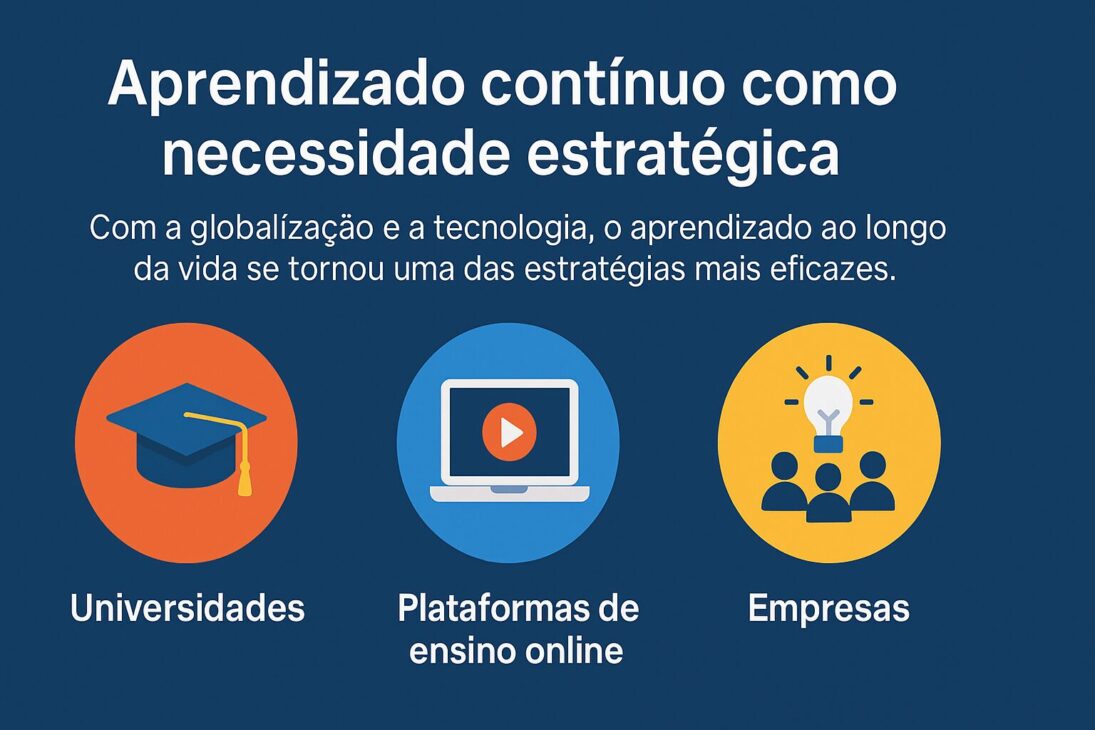
With globalization and the advancement of technology, especially from the 1990s onward, the market began to demand more than physical strength or basic technical training.
New professions emerged, remote work became common, and so-called soft skills—behavioral skills such as leadership, creativity, and empathy—became as important as technical knowledge.
In this scenario, one of the most effective strategies is continuous learning. The concept of lifelong learning has been promoted by universities, online learning platforms, and companies.
The Getulio Vargas Foundation (FGV), for instance, emphasizes in its studies the importance of continuing education as a competitive advantage.
Additionally, open courses, postgraduate coursess, workshops, and mentoring are valuable tools for those seeking to stay relevant in an increasingly dynamic market.
Moreover, online learning platforms such as Coursera, Udemy, and LinkedIn Learning have become powerful allies for any professional. They provide access to updated content at a more affordable cost, democratizing knowledge and allowing people to specialize in specific areas with ease. Access to a wide range of courses from renowned institutions also enables workers to update their skills at any time.
Personal Brand and Reputation: Strategies That Have Consolidated
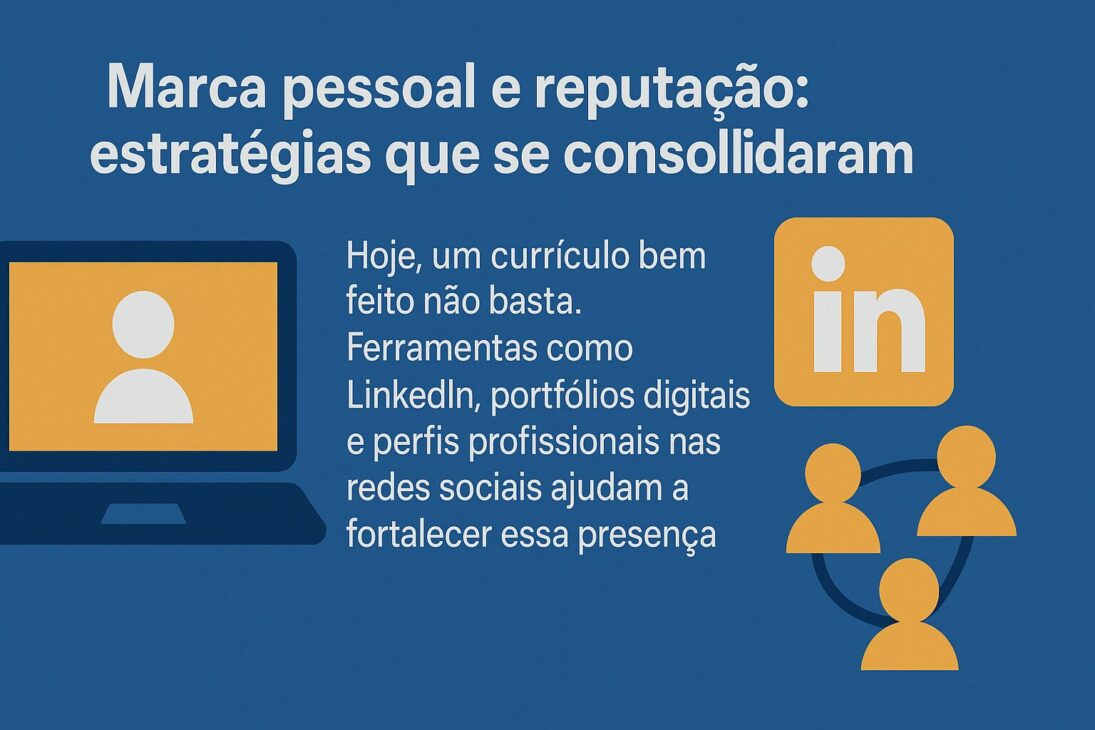
Today, a well-crafted resume is not enough. It is necessary to build a personal brand that clearly expresses who you are, what you can do, and how you can contribute.
Tools such as LinkedIn, digital portfolios, and professional profiles on social media help strengthen this presence.
According to researcher Maria Aparecida de Moraes Silva from PUC-SP, the reputation built over time can directly influence employability.
Therefore, ethical behavior, collaborative posture, and clarity in communication become indispensable.
Networking also remains one of the most effective job market strategies. Participating in events, keeping in touch with former colleagues, and integrating into professional communities creates opportunities and expands visibility in the sector.
Furthermore, constant interaction with professionals in the same or complementary fields can lead to strategic partnerships and valuable referrals. This has become even more important with the increasing presence of online events, such as webinars and virtual conferences, which allow for expanding the network without geographical limitations.
Emotional Intelligence and Professional Behavior
The World Economic Forum, in its Future of Jobs report (2020), highlighted emotional intelligence as one of the most valued skills by companies by 2025.
Knowing how to deal with emotions, work well in teams, and remain calm under pressure are decisive qualities in corporate environments.
Moreover, emotionally mature professionals can resolve conflicts with empathy, maintain a healthy organizational climate, and contribute to a more productive environment.
Thus, attitudes such as punctuality, resilience, and proactivity continue to be highly regarded.
It is important to note that during periods of economic crises and instability, such as experienced during the COVID-19 pandemic, resilient behavior has become a fundamental differentiator. Companies began to prioritize those professionals who, in addition to their technical skills, demonstrated the ability to adapt and emotional balance in the face of unexpected challenges.
Career Planning as a Differential
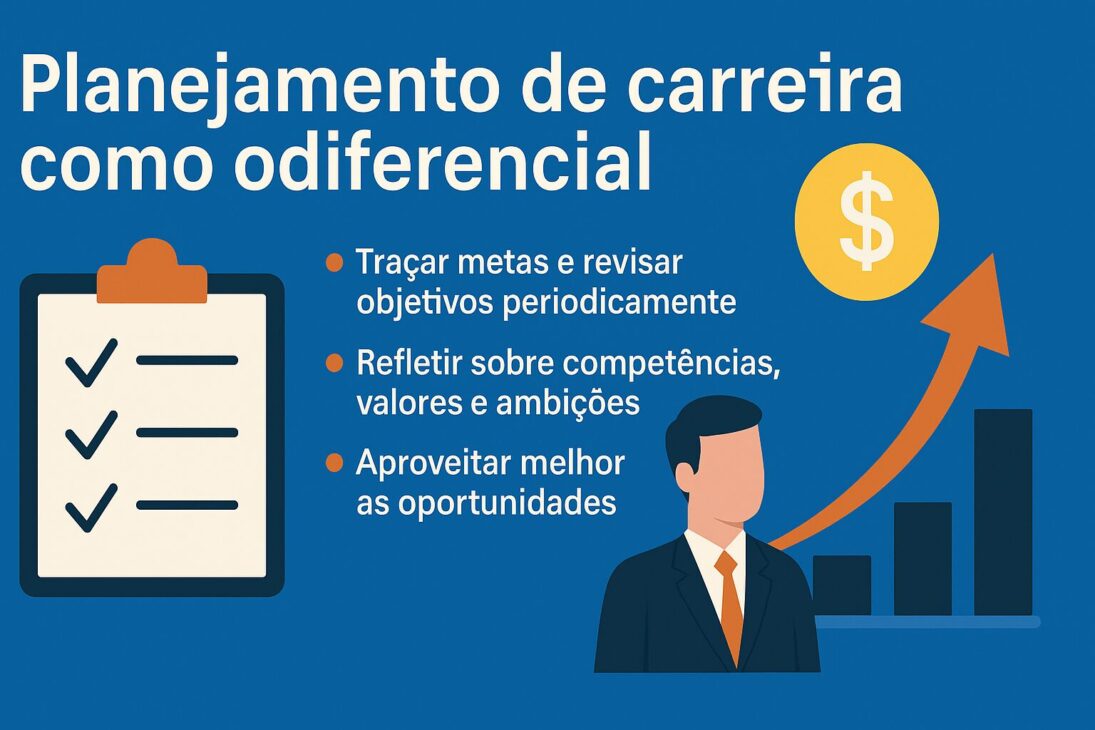
Another strategic point is career planning. According to data from the Brazilian Support Service for Micro and Small Businesses (SEBRAE), professionals who set goals and periodically review their objectives have a better chance of achieving sustainable growth.
Planning your career does not mean having all the answers but rather reflecting on your competencies, values, and ambitions.
This clarity helps make more conscious decisions and better seize the opportunities that arise. It also allows professionals to adjust their plans based on new market opportunities or challenges.
Studies conducted by Harvard Business Review emphasize that a structured career plan not only improves job performance but also contributes to professional satisfaction and balance between personal life and work.
The Impact of New Generations on the Market
New generations have also been influencing job market strategies. Millennials and Generation Z, for example, seek more than stability: they desire purpose, flexibility, and quality of life.
According to the Millennial Survey 2023 conducted by Deloitte, 46% of young professionals would reject a job offer that does not align with their values.
This has led many companies to rethink their organizational culture. More collaborative environments, diversity, respect for individuality, and well-being policies have come to be viewed as differentiators in talent retention.
Thus, adapting to this new mindset is also a way to remain relevant and valued in the market.
Additionally, geographic mobility has become an important factor in the job decisions of young talents. The possibility of working remotely or in other cities is quickly becoming a requirement for many professions.
The strategies of the job market have evolved with history and continue to transform. From the times of trade guilds to the digital age, professionals who wish to stand out need to combine technical knowledge, emotional skills, and effective communication.
Based on the studies of Eric Hobsbawm, the data from FGV, SEBRAE, Deloitte, and the analyses published by institutions such as Itaú Unibanco and Revista de Economia Política, it is possible to conclude that staying updated, cultivating good relationships, planning your career, and communicating your differentiators are essential attitudes.
Regardless of technological or generational changes, the commitment to learning, ethics, and purpose remains the pillar of a successful career.











Seja o primeiro a reagir!