





 Portuguese
  English
  Spanish
  5 min of reading
  0 comments


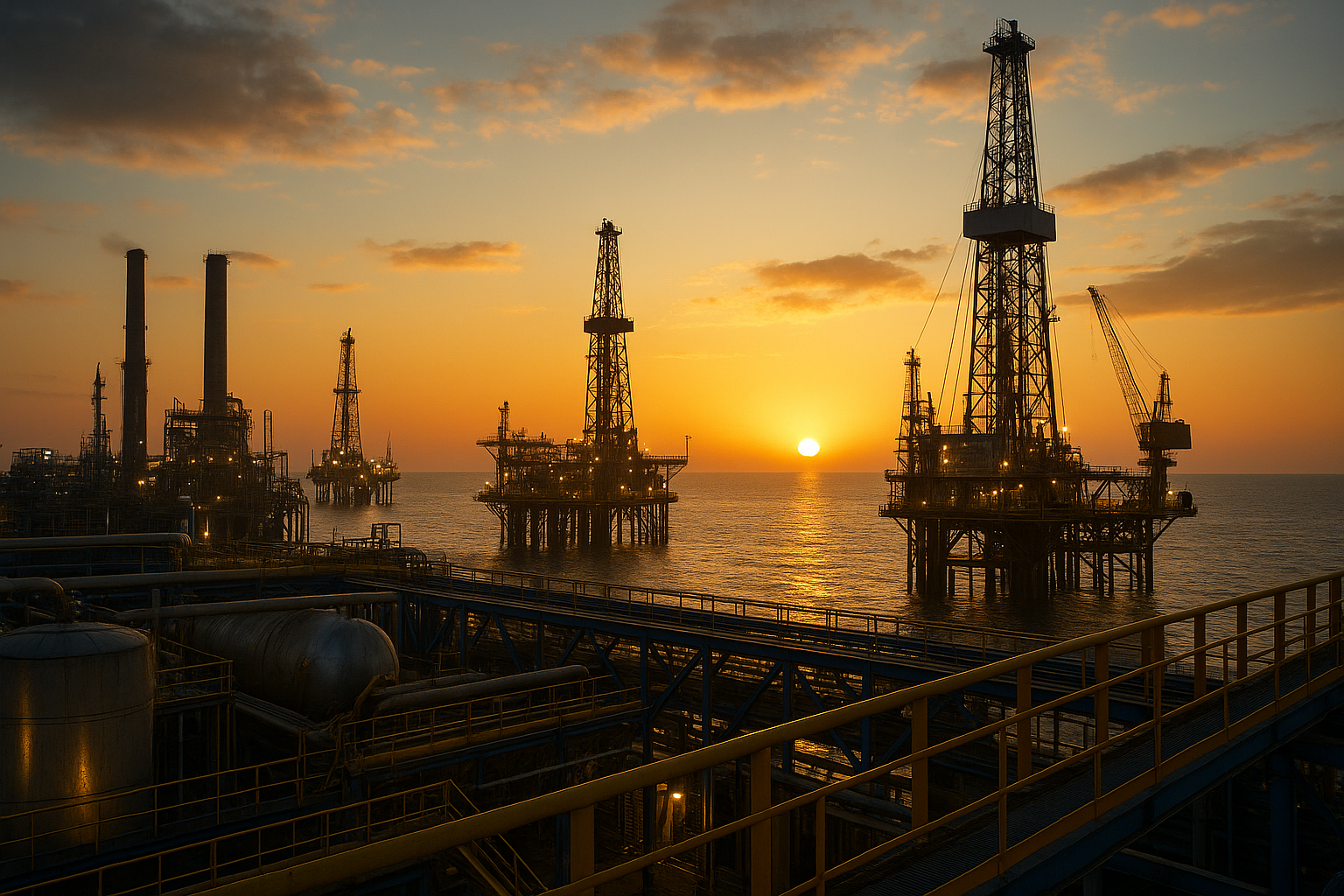
Understand The Future Of Oil And Gas, The Challenges Of The Energy Transition, And The Strategic Role Of This Sector In The Coming Decades
Since the dawn of civilization, oil and natural gas have played fundamental roles in economic and social development.
Understanding their history, current transformations, and future prospects is essential to comprehend the global energy landscape.
After all, the future of oil and gas is at the center of discussions about energy, economy, and the environment.
-
A major turn in the Justice system suspends tax increases and directly impacts oil and gas companies in Brazil by affecting costs, contracts, and financial planning, leaving uncertain what could happen to the sector if these costs had increased.

-
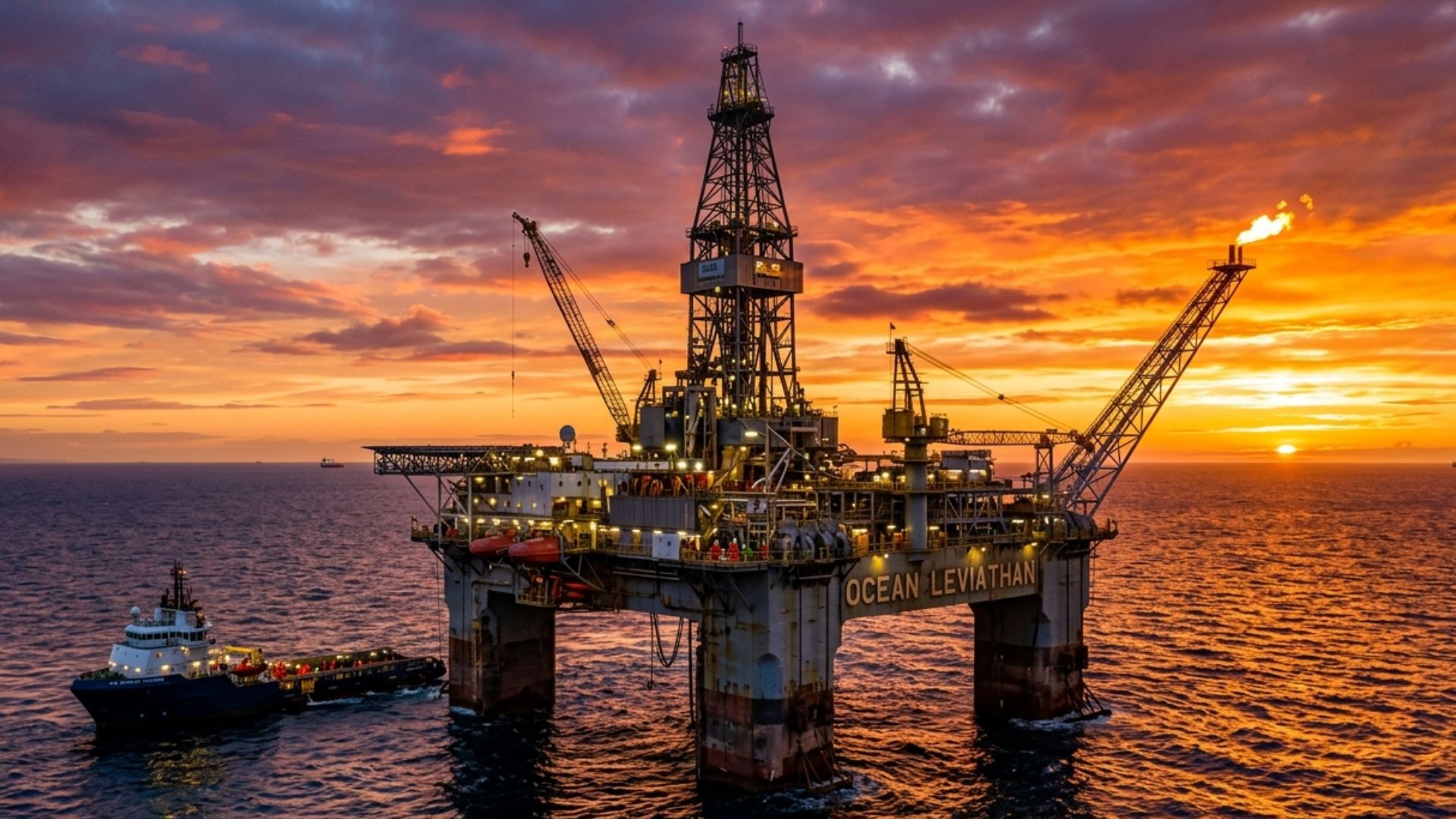
Brava Energia begins drilling in Papa-Terra and Atlanta and could change the game by reducing costs in oil while increasing production and strengthening competitiveness in the offshore market.
-
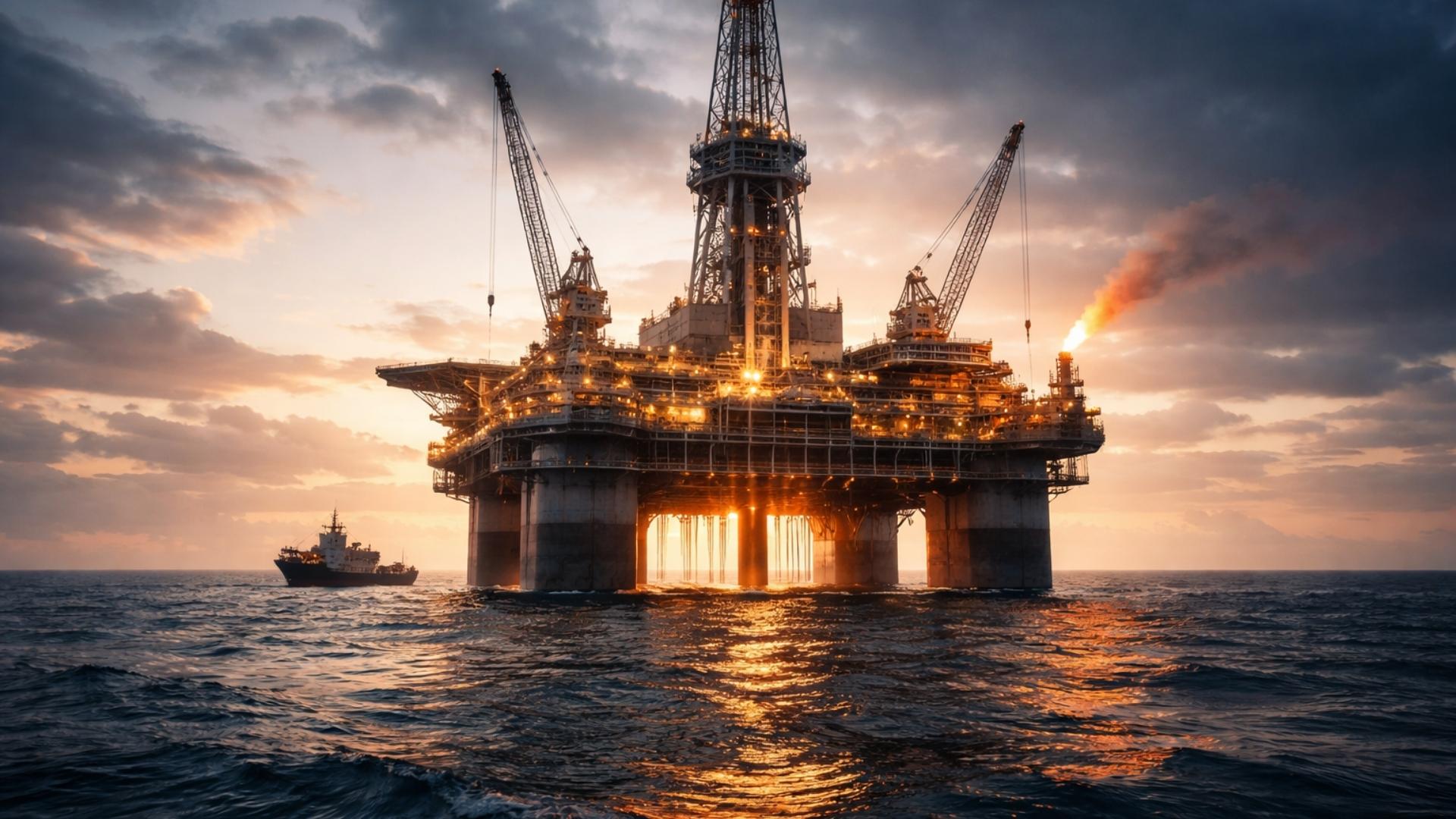
Petrobras surprises the world again by announcing a new discovery in the pre-salt with excellent quality oil.
-
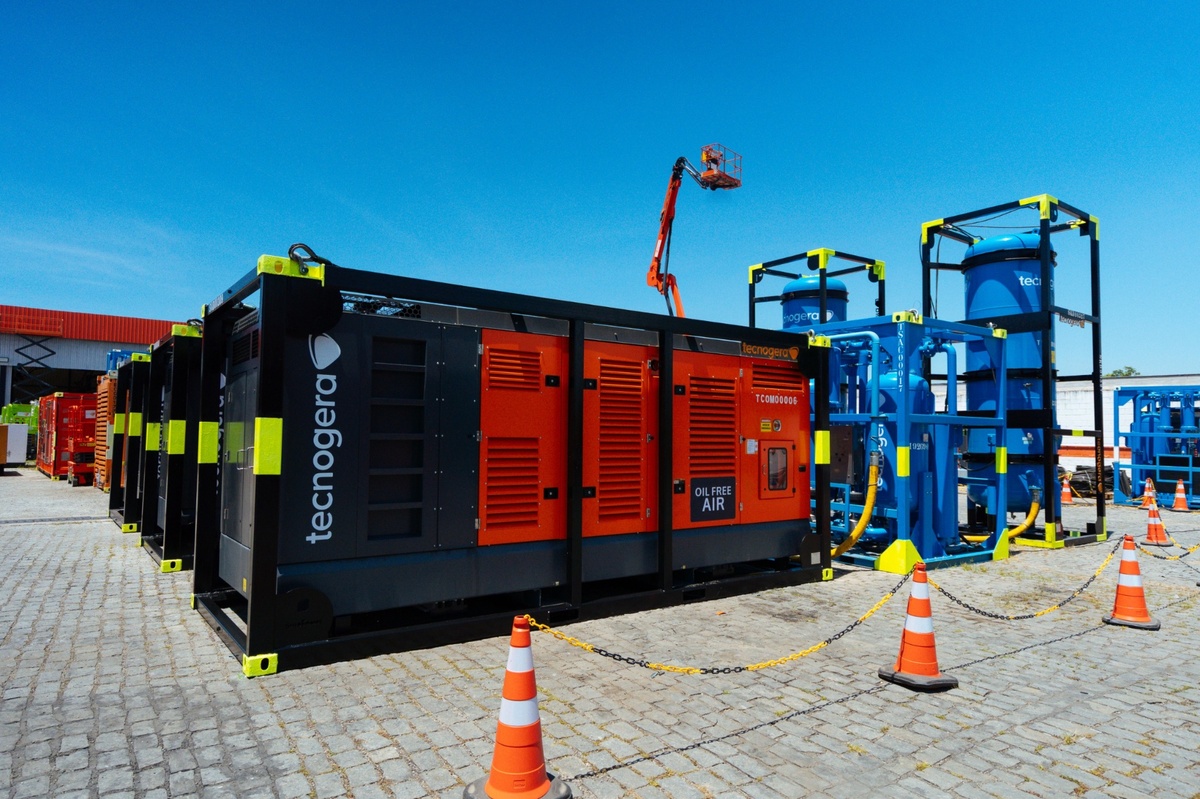
Offshore industrial demand in Macaé skyrockets with the recovery of oil and gas and could grow by up to 396% by 2026 in the Campos Basin.

Although renewable sources are gaining traction, oil and gas still form the backbone of the world’s energy matrix.
Furthermore, the transition to a low-carbon economy is happening gradually, presenting challenges and opportunities for the sector.
Therefore, analyzing historical factors and future scenarios helps to better understand the impact of this transformation.
The Historical Role Of Oil And Gas
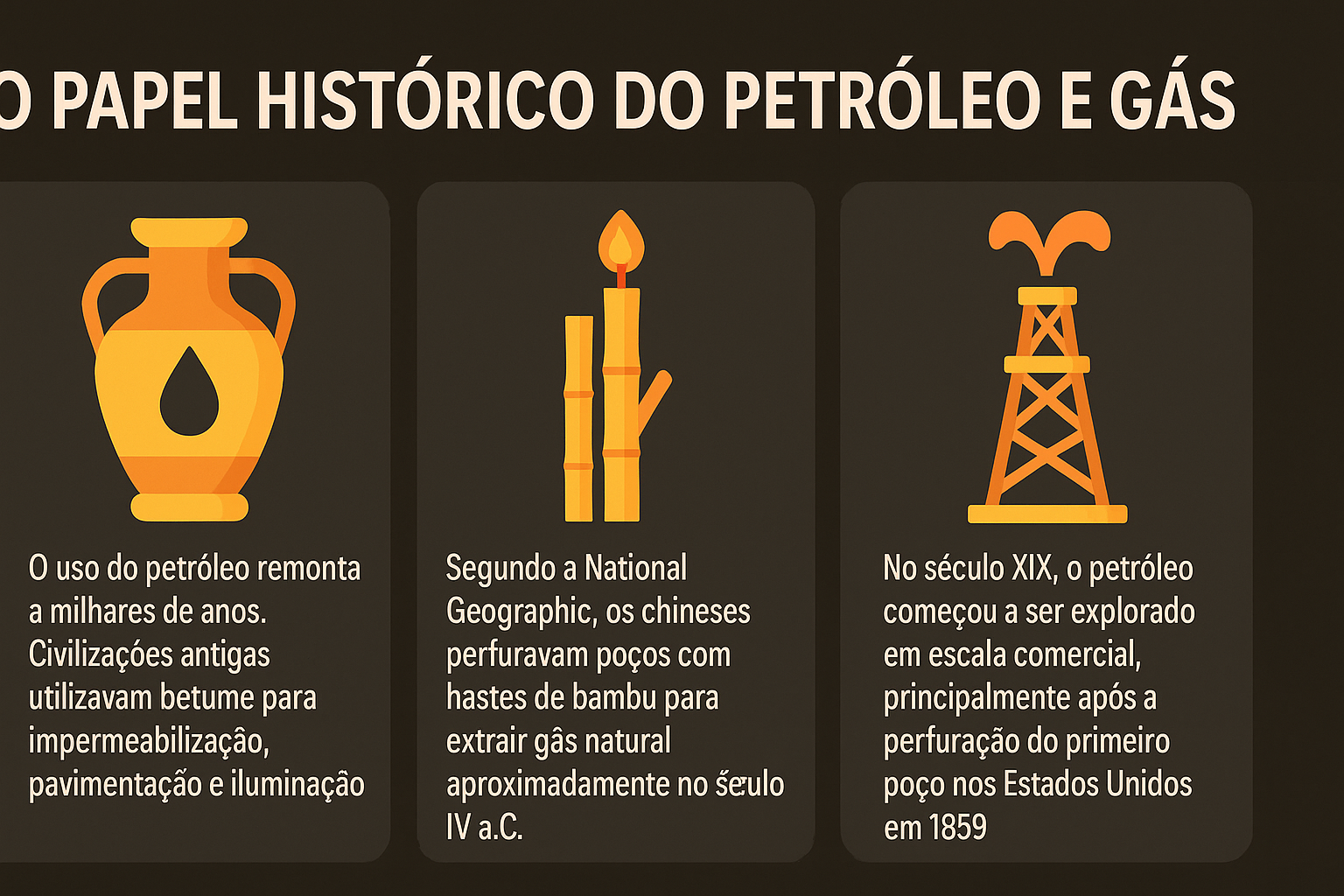
The use of oil dates back thousands of years. Ancient civilizations, such as those in Mesopotamia and Egypt, used bitumen – a primitive form of oil – for waterproofing, paving, and lighting.
According to the National Geographic website, the Chinese were already drilling wells with bamboo rods to extract natural gas around the 4th century B.C.
In the 19th century, oil began to be explored on a commercial scale, mainly after the drilling of the first oil well in the United States in 1859, conducted by Edwin Drake.
This discovery marked the beginning of the modern oil industry.
In Brazil, the commercial exploration of oil took its first steps in the second half of the 19th century.
According to information from the Museum of Petroleum (PETROBRAS), the first attempts were made in 1892 in Bofete, São Paulo, still without commercial success.
Only in 1939, Petrobras was founded to conduct the exploration and production of oil in the country.
During the 20th century, oil solidified as the main source of energy, driving industrialization and global economic growth.
The formation of the Organization of the Petroleum Exporting Countries (OPEC) in 1960 aimed to coordinate production policies among member countries, influencing global prices and supply.
Natural gas, on the other hand, began to be more explored from the second half of the 20th century, with technological advances facilitating its extraction and transportation.
According to the International Energy Agency (IEA), natural gas today accounts for about 24% of global energy consumption.
The Energy Transition And Its Impacts
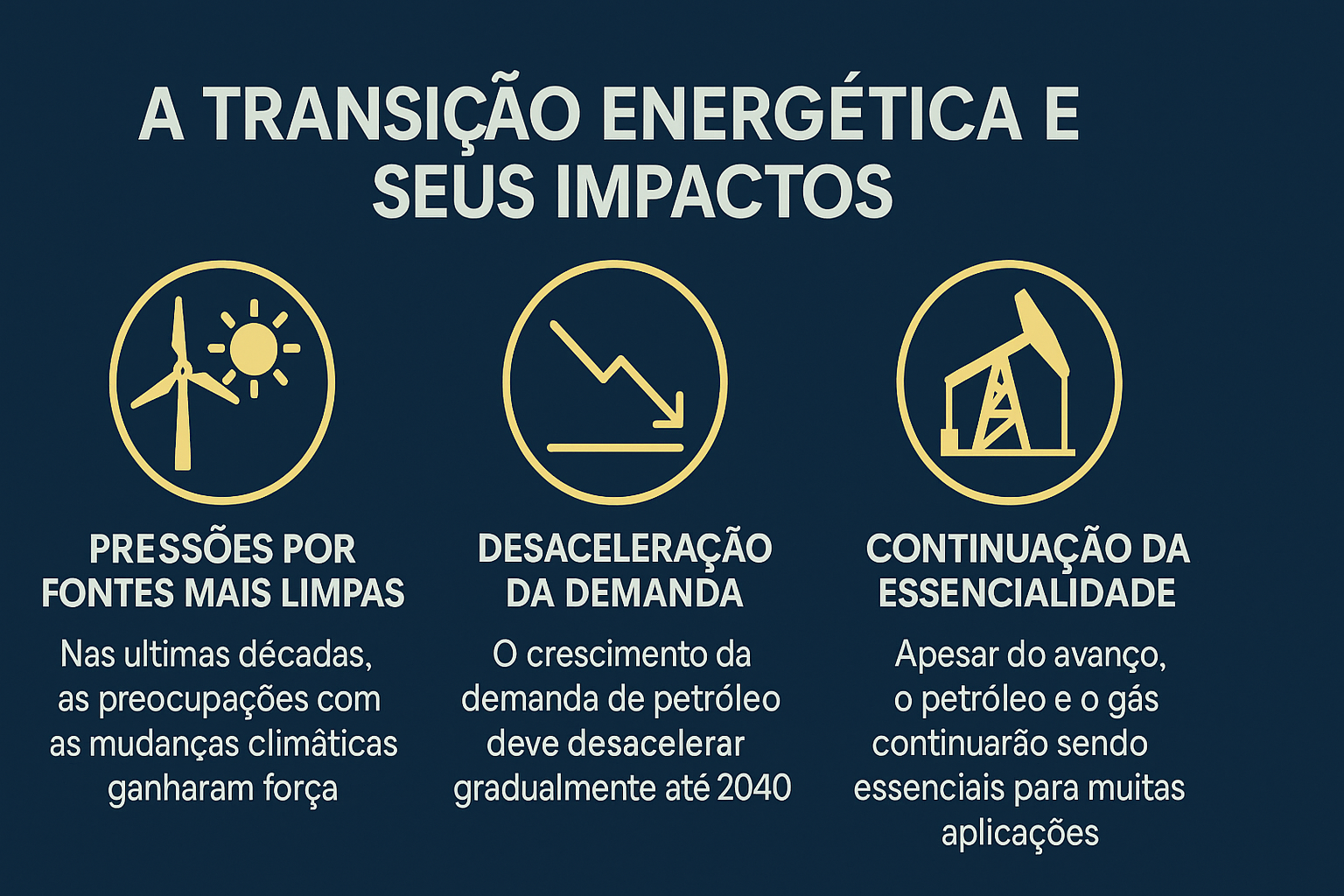
In recent decades, concern about climate change and the search for cleaner energy sources have gained momentum.
Consequently, the oil and gas sector has been facing pressures to adapt to a new energy model.
According to the “World Energy Outlook 2023” report published by the IEA, demand for oil is expected to gradually slow down until 2040, with demand for natural gas growing until the mid-2030s before stabilizing.
This scenario reflects the expansion of renewable energies, such as solar and wind, and the increase in energy efficiency.
However, despite this advancement, oil and gas will continue to be essential for many applications.
For instance, the petrochemical sector relies heavily on oil to produce plastics, fertilizers, and other industrial products.
Additionally, many countries still depend on natural gas for electricity generation and heating. In this context, the future of oil and gas does not only mean decline but also transformation.
The industry is investing in technologies to reduce emissions, such as carbon capture and storage (CCS), the use of blue hydrogen (produced from natural gas with carbon capture), and the development of biofuels.
Technological Innovations And Sustainability
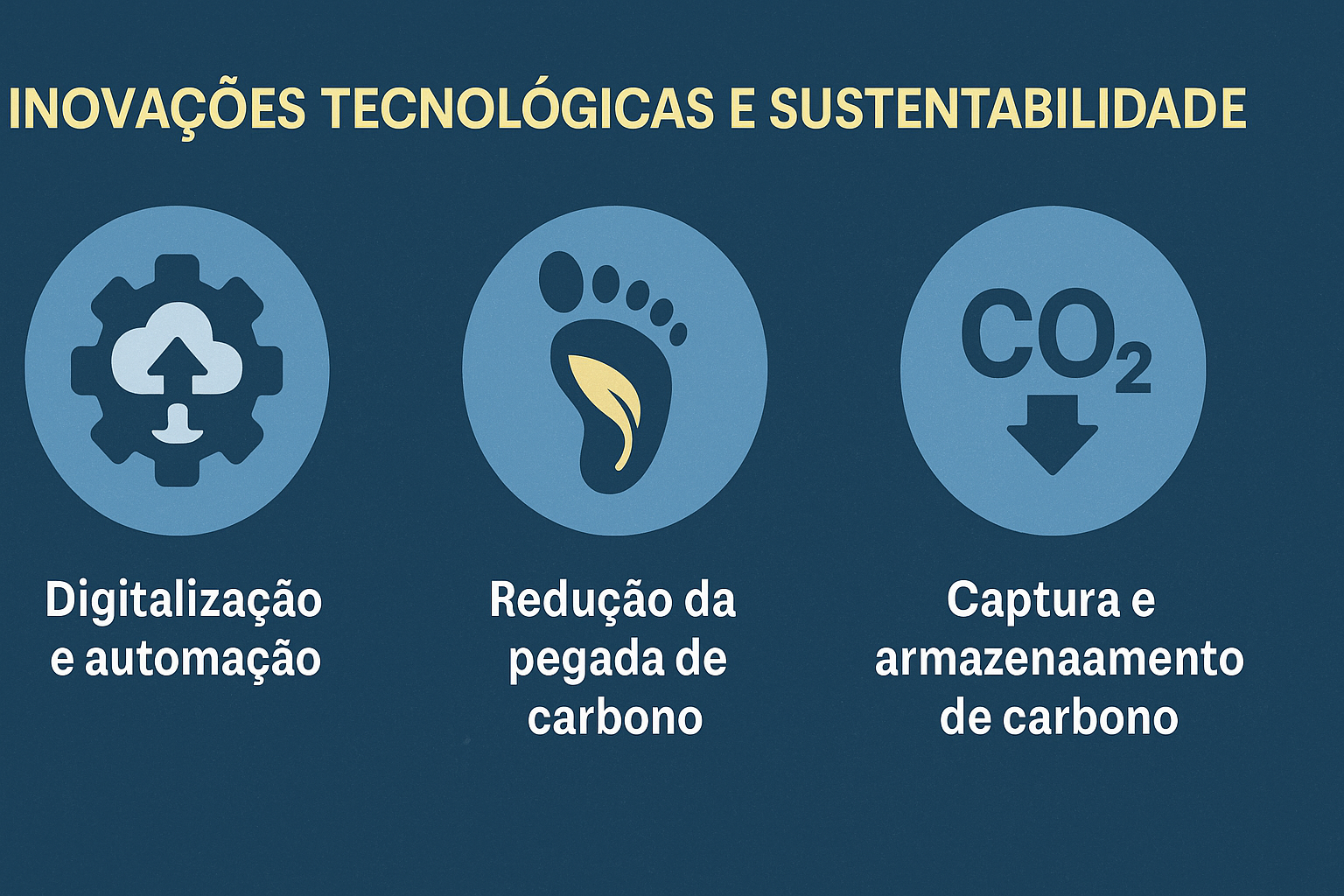
To maintain relevance, the oil and gas sector has been investing in technological innovations.
For example, digitalization, artificial intelligence, and automation have optimized production and reduced costs.
Additionally, according to Petrobras, the company has focused on projects to decrease its carbon footprint, such as using renewable sources in offshore operations and implementing CCS.
ExxonMobil, in turn, announced plans to invest billions of dollars in carbon capture and hydrogen technologies by 2030.
These initiatives aim to align the sector with global emissions reduction goals outlined in the Paris Agreement, signed in 2015.
Countries and companies seek to achieve carbon neutrality by mid-century, requiring significant adaptations in the energy industry.
However, the challenge remains substantial. The existing infrastructure is still based on fossil fuels, and the transition requires massive investments.
Moreover, global energy demand is expected to continue growing, especially in developing countries.
Future Scenarios And The Role Of Oil And Gas
According to the International Energy Agency, even in accelerated transition scenarios, oil and natural gas will have a significant role until 2050.
They will continue to be used in sectors that still lack mature economic and technological alternatives, such as air transport, maritime shipping, and some industrial processes.
Furthermore, natural gas can serve as a “transition fuel,” replacing coal in power plants, which reduces CO2 emissions.
Countries such as Brazil, the United States, and Norway are investing in natural gas to diversify their energy matrices.
Regarding oil, demand for the production of plastics and chemicals is expected to grow, according to the International Energy Agency (IEA) report, even as demand for fossil fuels diminishes gradually.
Therefore, the future of oil and gas involves a delicate balance between the need for decarbonization and the current dependence on these resources to ensure stable energy and economic growth.
What All This Tells Us
In summary, the future of oil and gas is not a linear path towards disappearance. On the contrary, the sector will undergo profound transformations to adapt to the new global energy context.
Historically, these resources have shaped the modern world, and their influences will remain present in the coming decades.
The transition to renewable energies is real and inevitable, but fossil fuels will still have relevance in many areas.
Therefore, investments in sustainable technologies, innovation, and adequate public policies will be essential to ensure a fair and effective transition.
To delve deeper into the subject, I recommend consulting official publications from the International Energy Agency (IEA), Petrobras reports, data from the Organization of the Petroleum Exporting Countries (OPEC), and information from National Geographic.









Seja o primeiro a reagir!