





 Portuguese
  English
  Spanish
  5 min of reading
  0 comments


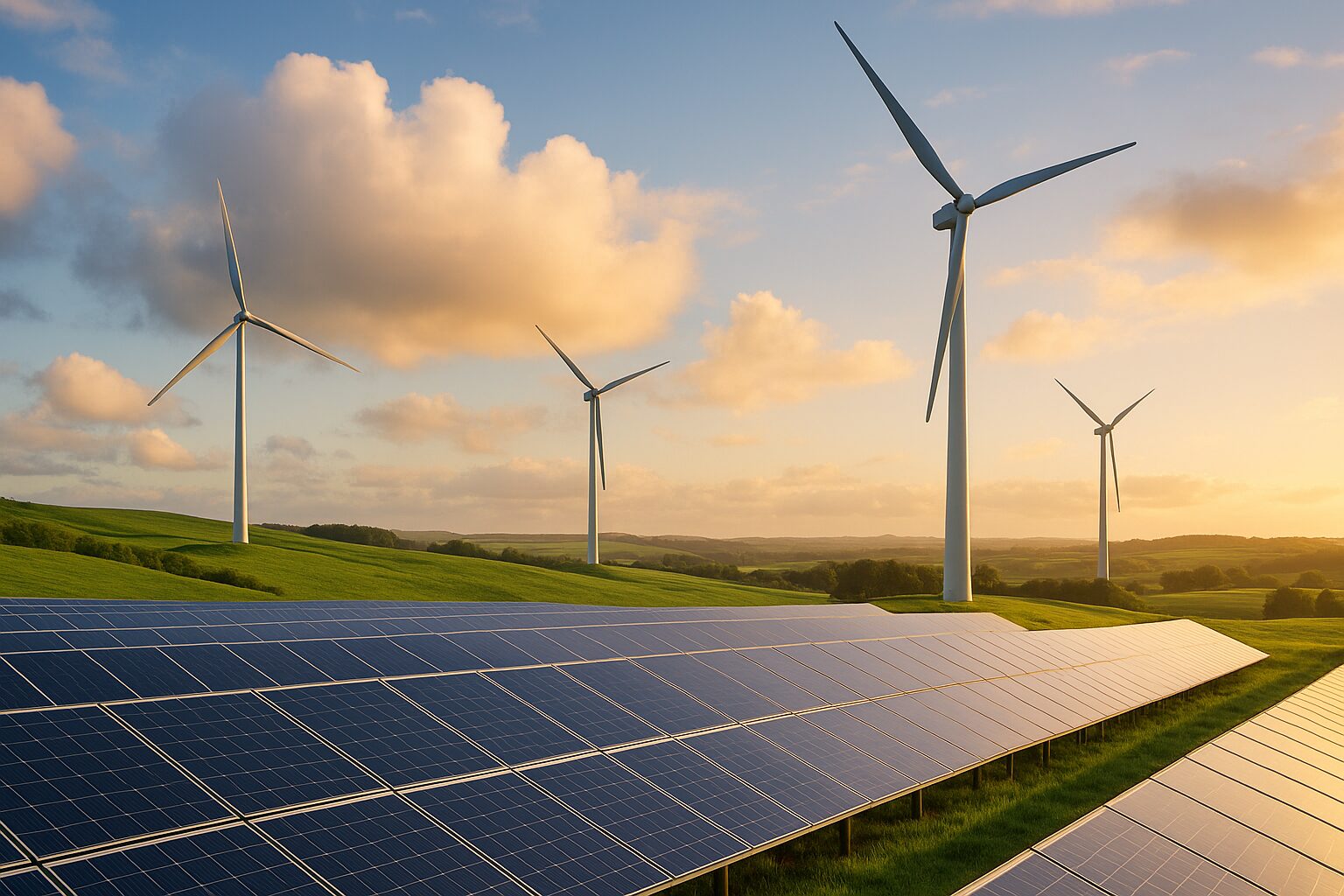
Understand The Main Perspectives Of Renewable Energy, Its Impact On The Future Of The Planet, And How The Energy Transition Is Shaping A New Sustainable Global Scenario.
Since the Industrial Revolution, which began in the late 18th century, humanity has become heavily dependent on fossil fuels — coal, oil, and natural gas — for its economic and social development.
However, this model has generated severe environmental impacts, such as increased pollution and climate imbalance.
This led to growing concern for future energy throughout the 20th century, especially after World War II.
-
A Canadian retiree creates a hydroelectric system on a real river, generating energy continuously throughout the day and demonstrating how the power of water can supply a house with stability even in a simple structure.

-
Petrobras reaffirms its commitment to the market and ensures that it will carry out the energy transition safely to maintain national sovereignty.

-
Researchers discover a possible hydrogen deposit of up to 46 million tons beneath an ancient coal basin, and the volume could exceed half of the entire global production.

-
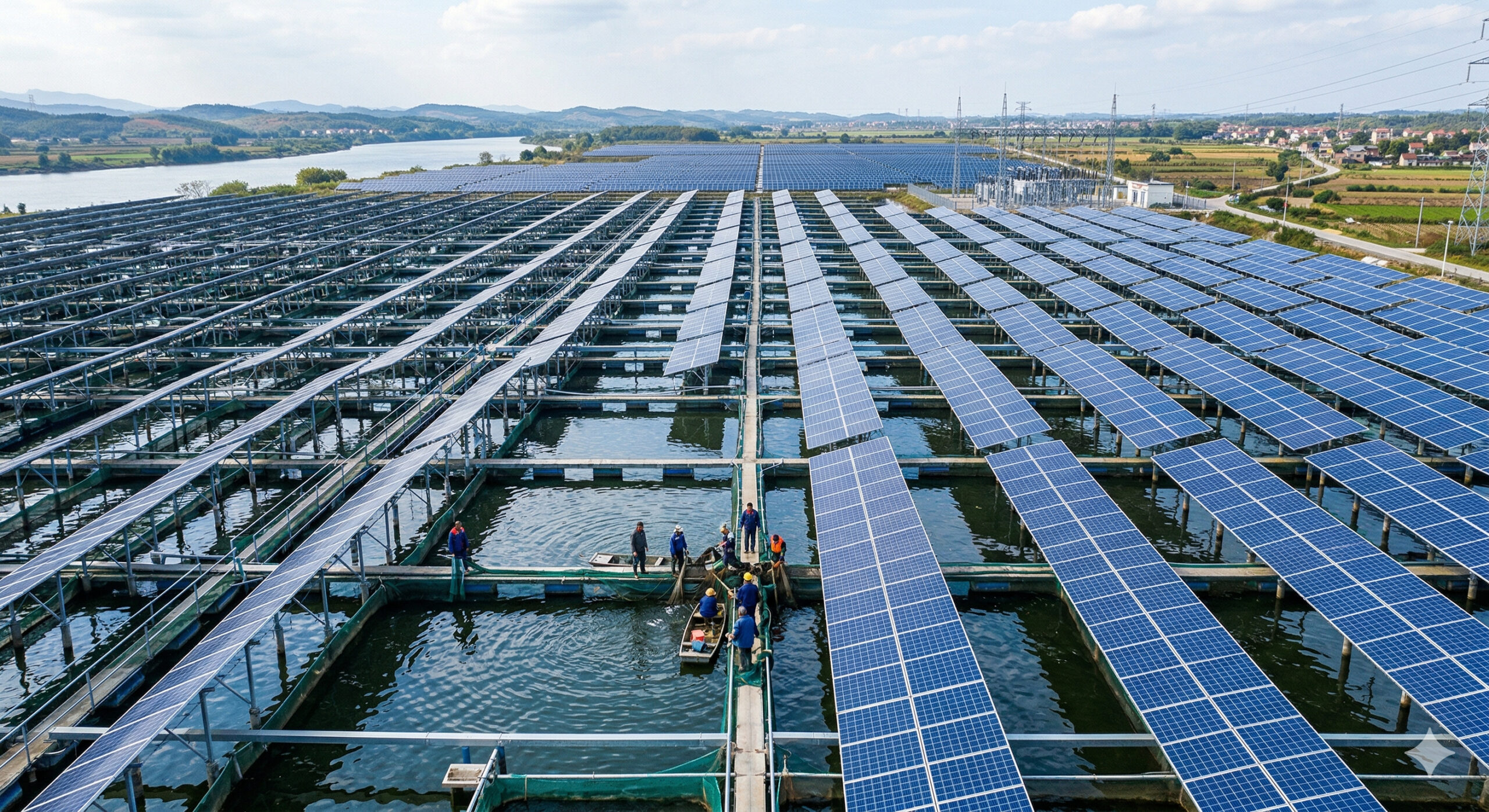
China bets on the Fishery-PV model and transforms fish farms into giant solar plants, covering ponds with panels that generate energy while utilizing the same space for large-scale aquaculture production.
The economist and environmentalist Donella Meadows warned in her book The Limits to Growth (1972) about the depletion of natural resources and the need for sustainable alternatives.
It was especially the oil crisis of 1973 that changed the global landscape, as highlighted by the International Energy Agency (IEA) in its historical report.
This event revealed the vulnerability of countries to their dependence on oil and encouraged the search for alternative energy sources, such as solar and wind.
At that time, developed countries began research and projects to develop technologies that utilized these renewable sources, previously seen only as complementary.
The IEA points out that the crisis of 1973 was the first major boost for the modernization of the energy sector.
Additionally, environmental discussions at the Stockholm Conference in 1972 and, later, the Kyoto Protocol in 1997, promoted by the United Nations (UN):
Reinforced the international commitment to reducing greenhouse gas emissions and strengthened the prospects for renewable energies.
The Beginning Of Concern For Future Energy

Renewable sources, although very old — for example, the use of wind energy for navigation and milling dates back over two thousand years — only began to receive strategic attention from the second half of the 20th century.
As highlighted by the International Renewable Energy Agency (IRENA) in its reports, technology for harnessing solar energy began to advance significantly in the 1970s and 1980s in response to energy and environmental crises.
On the other hand, the fossil fuel industry, which had dominated until then, still represented over 80% of the global energy matrix in the early 2000s, according to IEA data.
However, with the growing climate impacts — such as rising global temperatures, recorded by the Intergovernmental Panel on Climate Change (IPCC) of the UN — the pressure for a paradigm shift increased rapidly.
According to the IPCC, the energy sectors are responsible for about 73% of global greenhouse gas emissions, making the transition to renewable energy a global priority.
Additionally, technological advancements and a decrease in the costs of renewable sources have been crucial in increasing their share of the global energy matrix.
The Turn Of The Century And The New Energy Scenario

At the beginning of the 21st century, with the advancement of globalization and digital technologies, the perspectives for renewable energy gained new momentum.
According to the report “Renewables 2023” by REN21 — a global network that compiles data and analyses on renewable energies:
The installed capacity of global photovoltaic solar energy increased more than 20 times between 2010 and 2023.
This advancement occurred primarily due to the reduction in the costs of solar panel manufacturing, government incentives, and improvements in storage technologies, which the International Energy Agency (IEA) also highlights as crucial for expansion.
Moreover, European countries like Germany and Denmark set ambitious targets for reducing emissions and increasing the use of renewable sources, serving as examples for the world.
According to the World Bank, in 2020 global investment in renewable energy exceeded 300 billion dollars, solidifying this trend.
With the popularization of electric cars, the increase in the efficiency of wind turbines, and the expansion of smart distribution networks, renewable energy has become a viable alternative not just environmentally but also economically.
What Is Expected Of Renewable Energies In The Future?

According to projections from the International Energy Agency (IEA) published in 2023:
It is expected that by 2050, more than 70% of global electricity will be generated from renewable sources such as solar, wind, hydropower, and biomass.
Moreover, the electrification of sectors such as transport and industry, previously dependent on oil and coal, should accelerate this transition.
According to the Intergovernmental Panel on Climate Change (IPCC) report of 2022:
The massive adoption of renewable sources is essential to limit global warming to 1.5°C above pre-industrial levels, a goal set in the Paris Agreement.
Another important factor for the future of renewable energy is decentralization of generation.
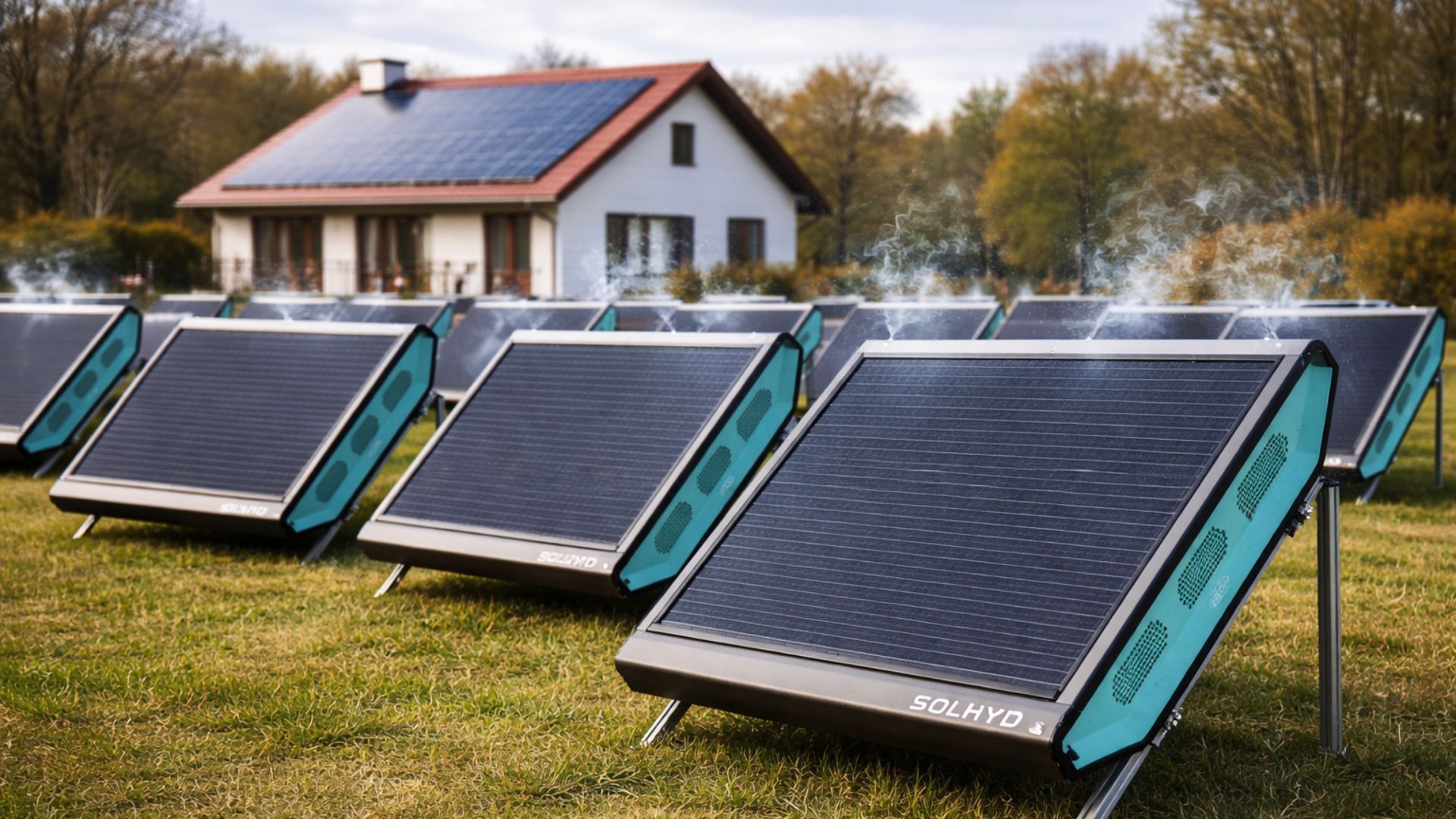
With the expansion of residential solar panel use, consumers are beginning to produce their own energy, reducing dependence on large grids.
This trend of “prosumers,” or consumers who also produce energy, could transform the dynamics of the sector, increasing social participation in energy production.
In addition, research into still underexplored renewable sources, such as wave and geothermal energy, could further expand the clean energy potential.
According to the International Renewable Energy Agency (IRENA), these alternative sources have significant potential, although they are still in the early stages of commercial development.
Beyond The Perspectives Of Renewable Energy: The Challenges Of The Energy Transition
Despite the positive outlook, the energy transition process faces significant challenges.
For example, the need to modernize electrical grids to integrate intermittent sources such as solar and wind requires large investments and technological innovation.
According to the World Bank, global energy infrastructure needs trillions of dollars in investments by 2050 to support this transformation.
Furthermore, the economic dependence of oil and gas-producing countries creates political and social resistance to change.
The report from the United Nations Environment Programme (UNEP) in 2022 also highlights the environmental impacts of mineral extraction used in renewable technologies, such as lithium and cobalt.
These impacts reinforce the need for the development of alternative materials and effective recycling strategies.
Another challenge involves equity in access to clean energy.
Many regions of the world still struggle to implement renewable technologies, creating disparities in access to sustainable energy.
Thus, every step towards renewable energies brings the world closer to a prosperous, healthy, and sustainable future.









-

Uma pessoa reagiu a isso.