





 Portuguese
  English
  Spanish
  5 min of reading
  0 comments


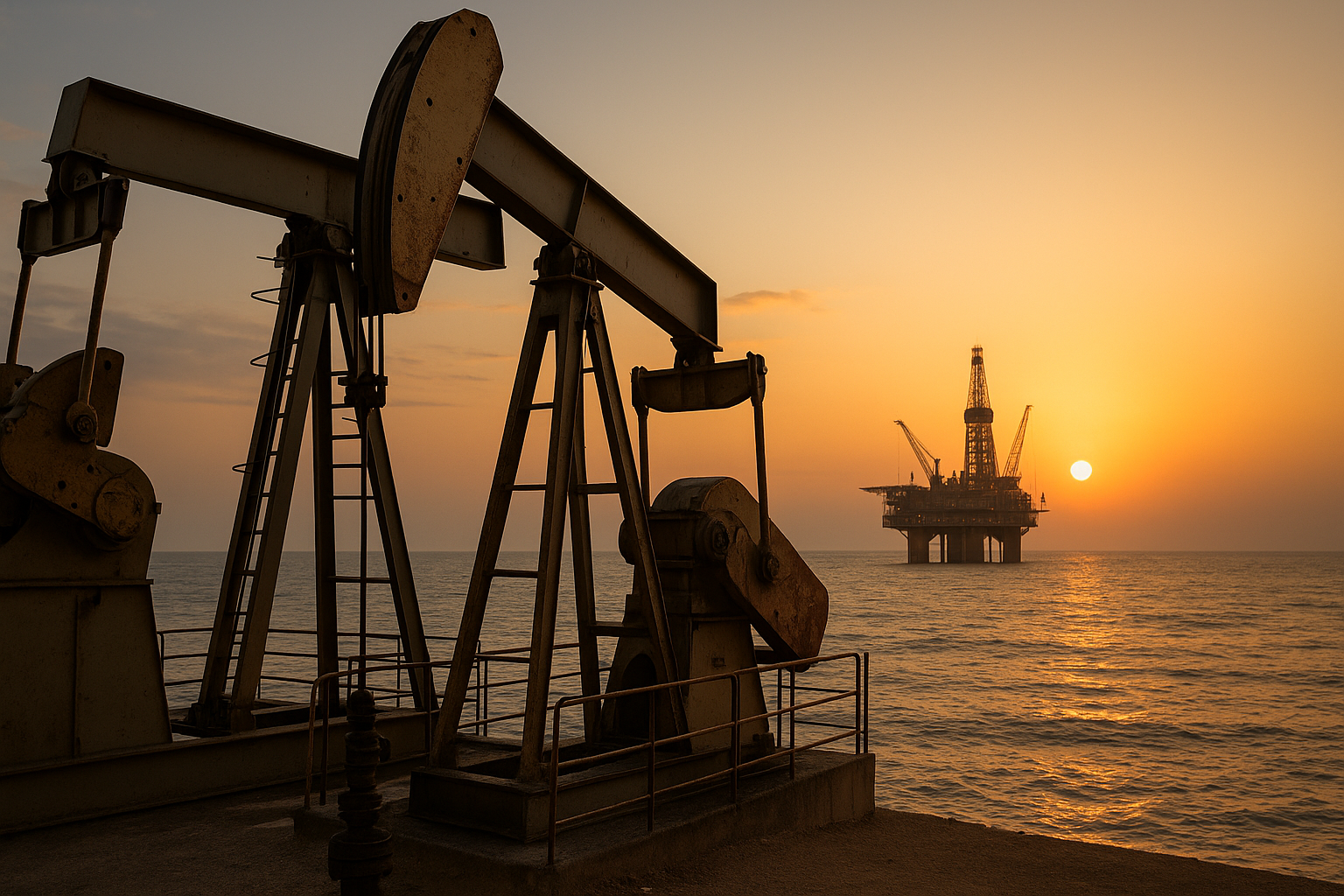
Understand What Oil and Gas Projects Are, How They Came About, Their Importance to the Global Economy, and the Challenges They Face in Transitioning to More Sustainable Energy Sources.
Since the beginning of modern history in the energy industry, oil and gas projects have played a central and fundamental role.
In fact, they directly influence the global economy and the daily lives of people around the world.
Initially, the commercial exploration of oil began in 1859, when Edwin Drake drilled the first well in the United States, specifically in Pennsylvania, as reported by the U.S. National Oil Museum.
-
A major turn in the Justice system suspends tax increases and directly impacts oil and gas companies in Brazil by affecting costs, contracts, and financial planning, leaving uncertain what could happen to the sector if these costs had increased.

-
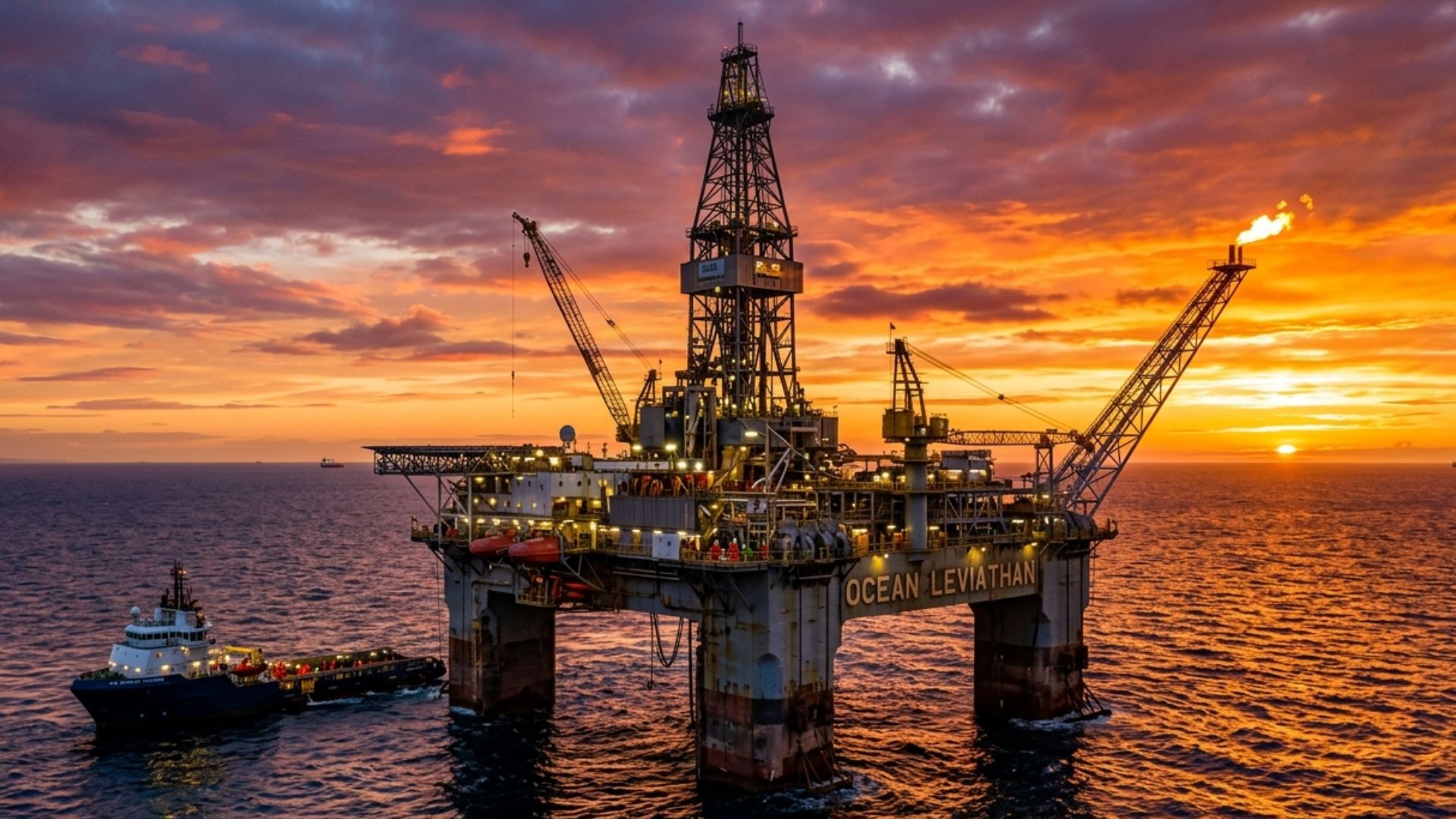
Brava Energia begins drilling in Papa-Terra and Atlanta and could change the game by reducing costs in oil while increasing production and strengthening competitiveness in the offshore market.
-
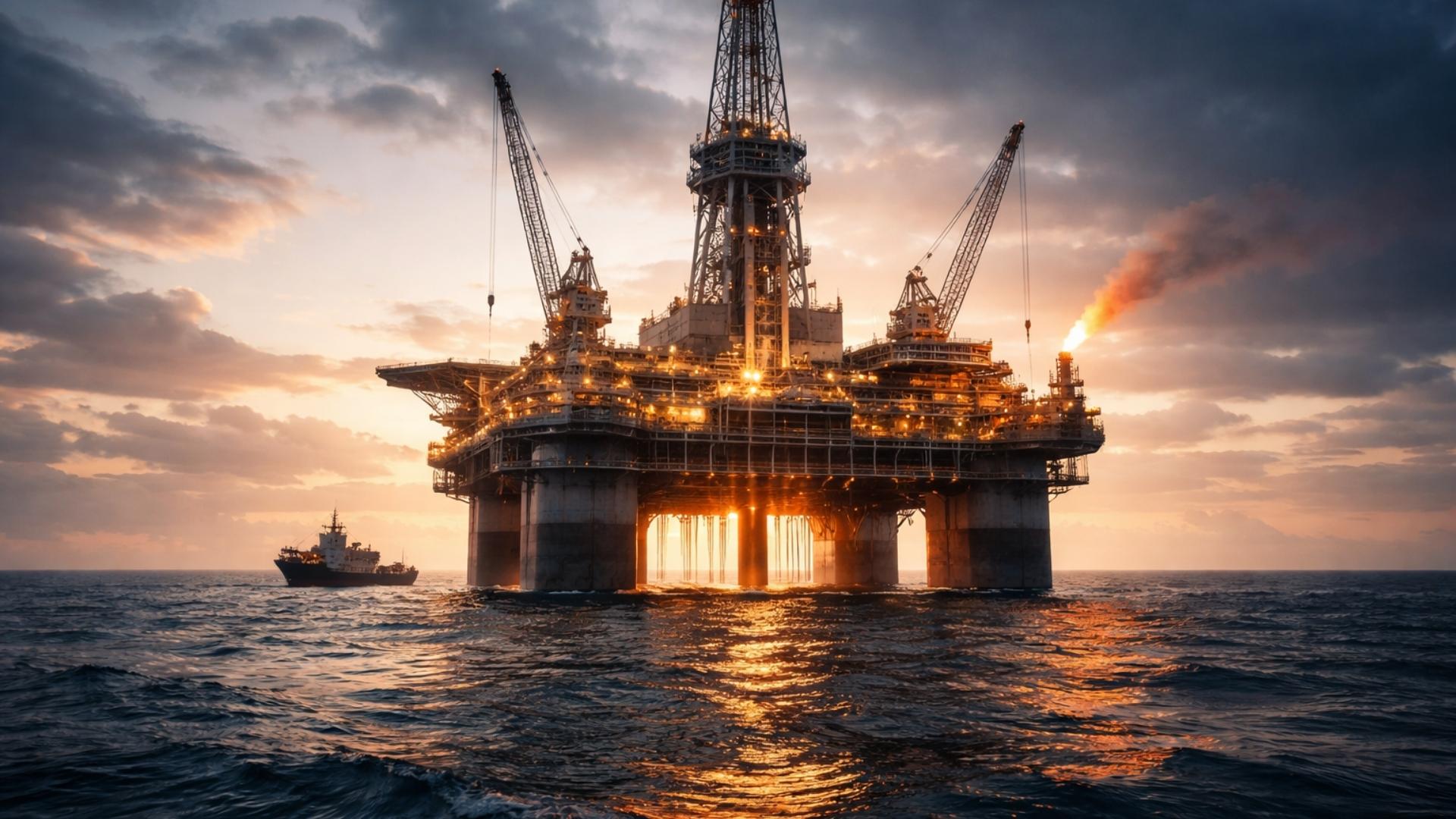
Petrobras surprises the world again by announcing a new discovery in the pre-salt with excellent quality oil.
-
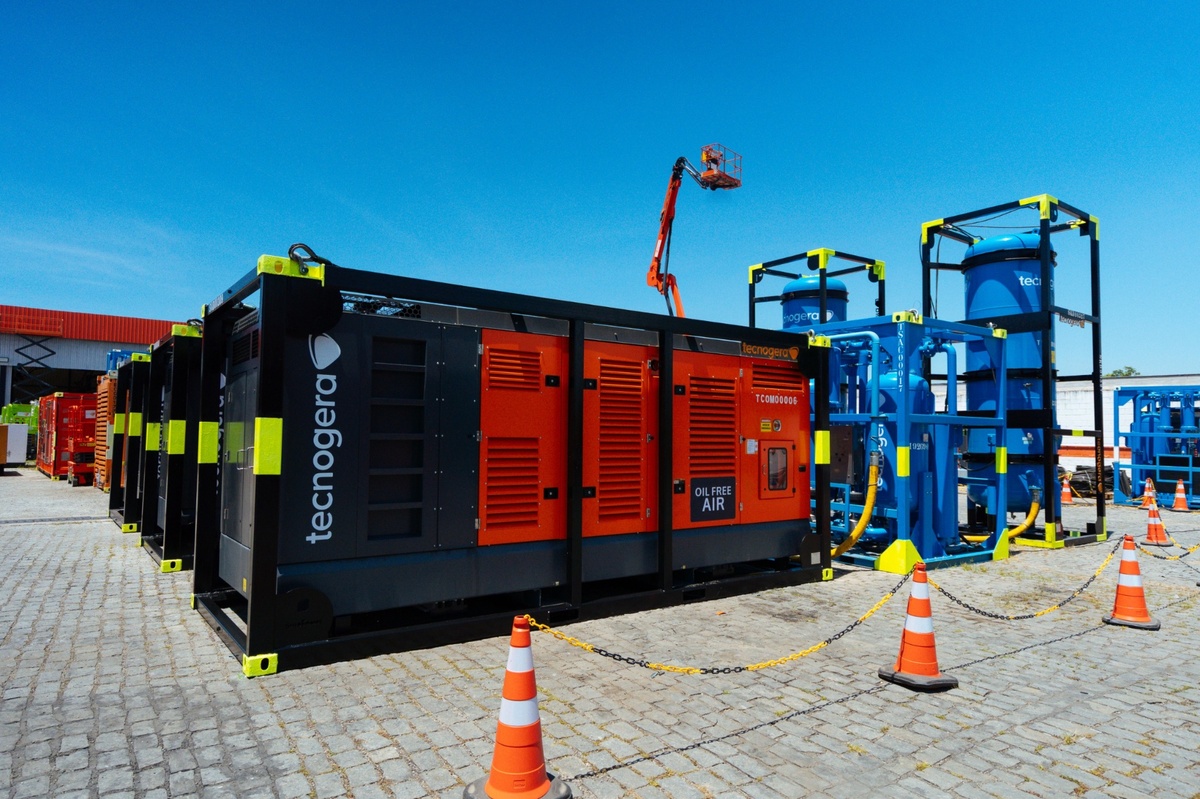
Offshore industrial demand in Macaé skyrockets with the recovery of oil and gas and could grow by up to 396% by 2026 in the Campos Basin.

From this historical milestone, a true global race for oil reserves was triggered.
As a result, countries in the Middle East, South America, Africa, and Asia began to occupy strategic positions on the global energy map.
Moreover, oil quickly became the dominant fuel of the 20th century, not only used in transportation but also as a raw material for chemicals, plastics, and energy generation.
Therefore, oil and gas projects involve various complex stages.
They begin with geological exploration aimed at identifying locations with reserves and progress to the phases of production, transportation, and refining.
Each of these stages demands high financial investments, specialized technical knowledge, and long-term planning.
Furthermore, the sector requires rigorous attention to safety and the environment, especially after serious accidents like the Exxon Valdez spill in 1989 and the BP oil spill in the Gulf of Mexico in 2010, according to data from the U.S. Environmental Protection Agency (EPA).
Even so, these projects often take years to become profitable when considering the entire journey from discovery to the start of production.
As a result, they are subject to fluctuations in oil prices, which directly affect investments and the decisions of the companies involved.
Stages and Challenges of Oil and Gas Projects
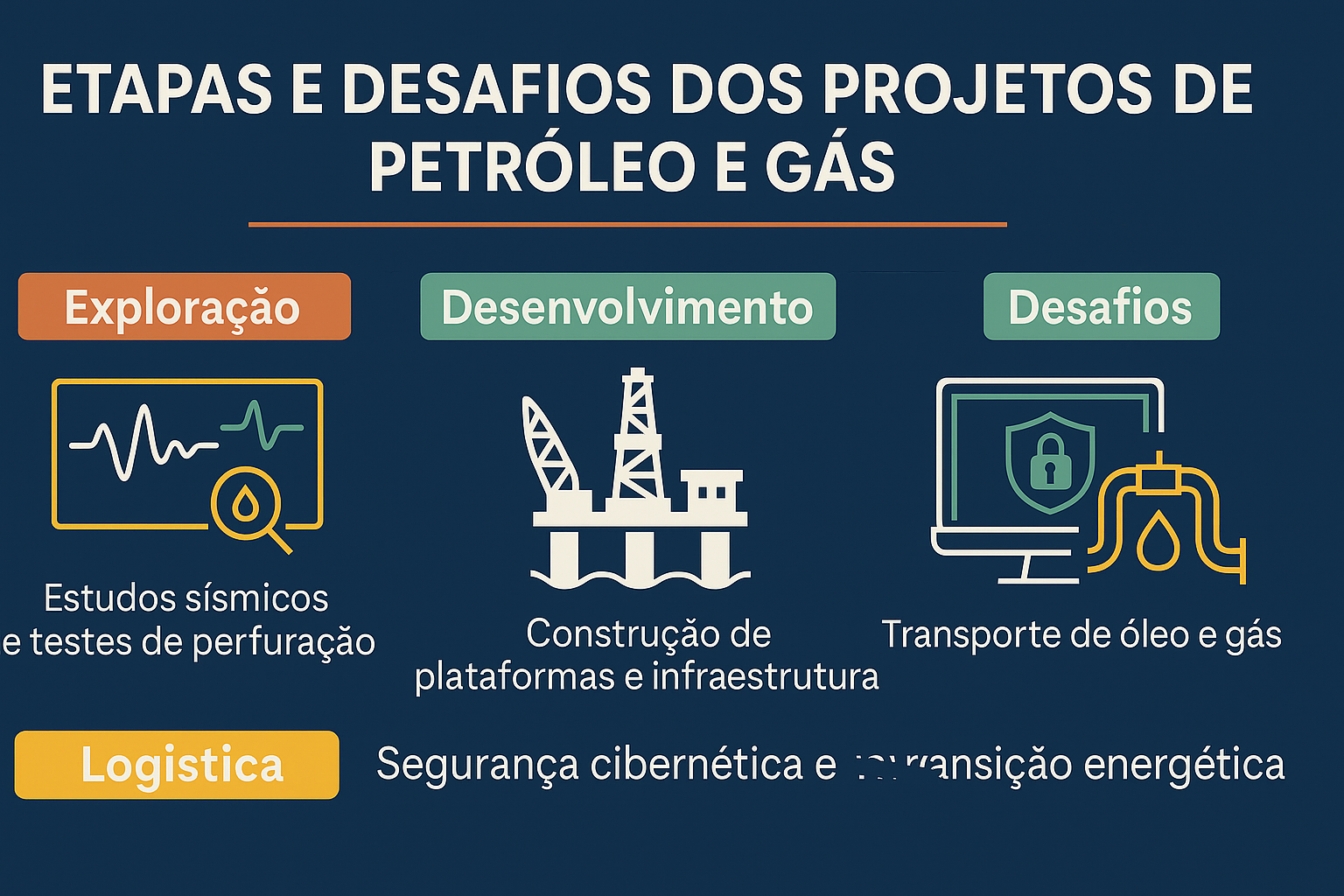
First and foremost, the first major challenge in oil projects is discovering viable reserves in a given region.
To that end, seismic studies, soil analyses, and drilling tests are conducted.
When the analyses indicate potential for extraction, the field development phase begins, involving the construction of offshore platforms or land-based facilities, along with the necessary infrastructure for extraction, storage, and transportation of oil or natural gas.
In recent years, natural gas has gained strategic importance, precisely because it is considered a cleaner energy source than coal and even oil itself, according to a report from the International Energy Agency (IEA) in 2023.
This is because it emits less carbon dioxide (CO₂) when burned, making it an alternative for the transition to a more sustainable energy matrix.
Consequently, natural gas projects involve liquefaction and regasification terminals, transportation pipelines, and thermal power plants.
Moreover, logistics play a crucial role in these projects.
Large-scale projects demonstrate how the transportation of oil and gas involves not only technical issues but also political, economic, and international security considerations.
It’s worth noting that many countries depend on imports of these resources, creating diplomatic relationships based on energy supply.
Additionally, cybersecurity has become an increasing challenge, as operations rely on advanced digital systems for monitoring and control.
Thus, virtual attacks can disrupt oil and gas production and transportation, with serious consequences.
Technology and Innovation in Oil and Gas Projects
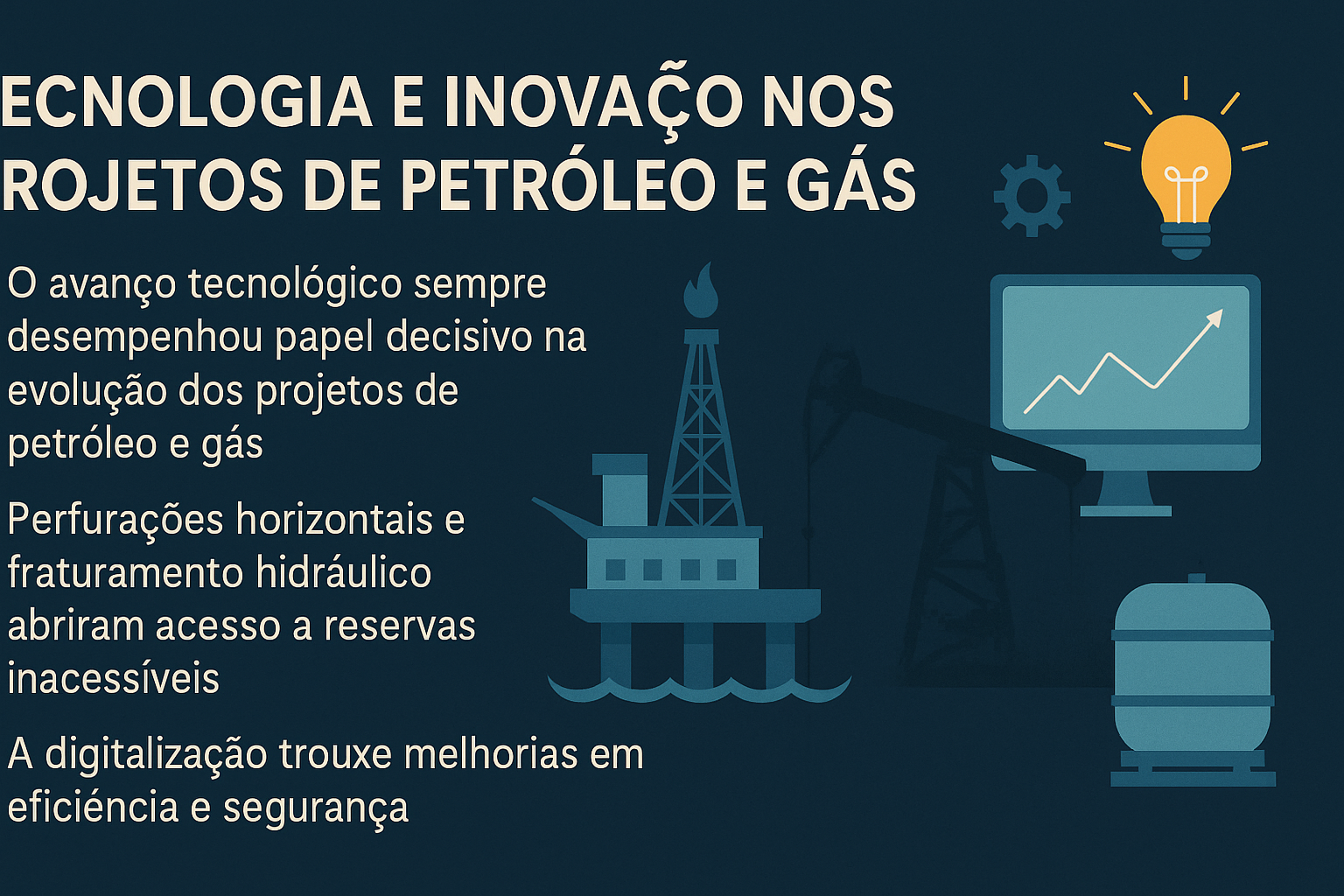
Technological advancement has always played a decisive role in the evolution of oil and gas projects.
For example, horizontal drilling and hydraulic fracturing (fracking), which became popular in the early 2000s, opened access to previously inaccessible reserves.
Additionally, deep-water platforms represent cutting-edge engineering, enabling extraction in remote locations under extreme conditions.
With the rise of environmental awareness and international agreements to reduce carbon emissions, such as the Paris Agreement of 2015, companies have started to adopt more sustainable practices.
As an emission offset, the use of carbon capture and storage (CCS) technologies and investments in renewable energies to diversify their operations.
Brazil, in turn, has particularly stood out with the discovery of the pre-salt, a layer of oil located over 7,000 meters deep beneath the ocean, officially announced in 2007 by Petrobras.
Developing these fields required innovation and large investments, making the country a global reference in offshore exploration.
Companies such as Petrobras have led these efforts, demonstrating how oil and gas projects can drive the economy and generate jobs.
Furthermore, the digitization of processes has brought significant improvements in efficiency and safety.
Through the use of artificial intelligence, advanced sensors, and real-time data analysis, it has become possible to predict failures, optimize production, and reduce environmental impacts, according to a report by the International Association of Oil & Gas Producers (IOGP) in 2022.
The Future of Projects
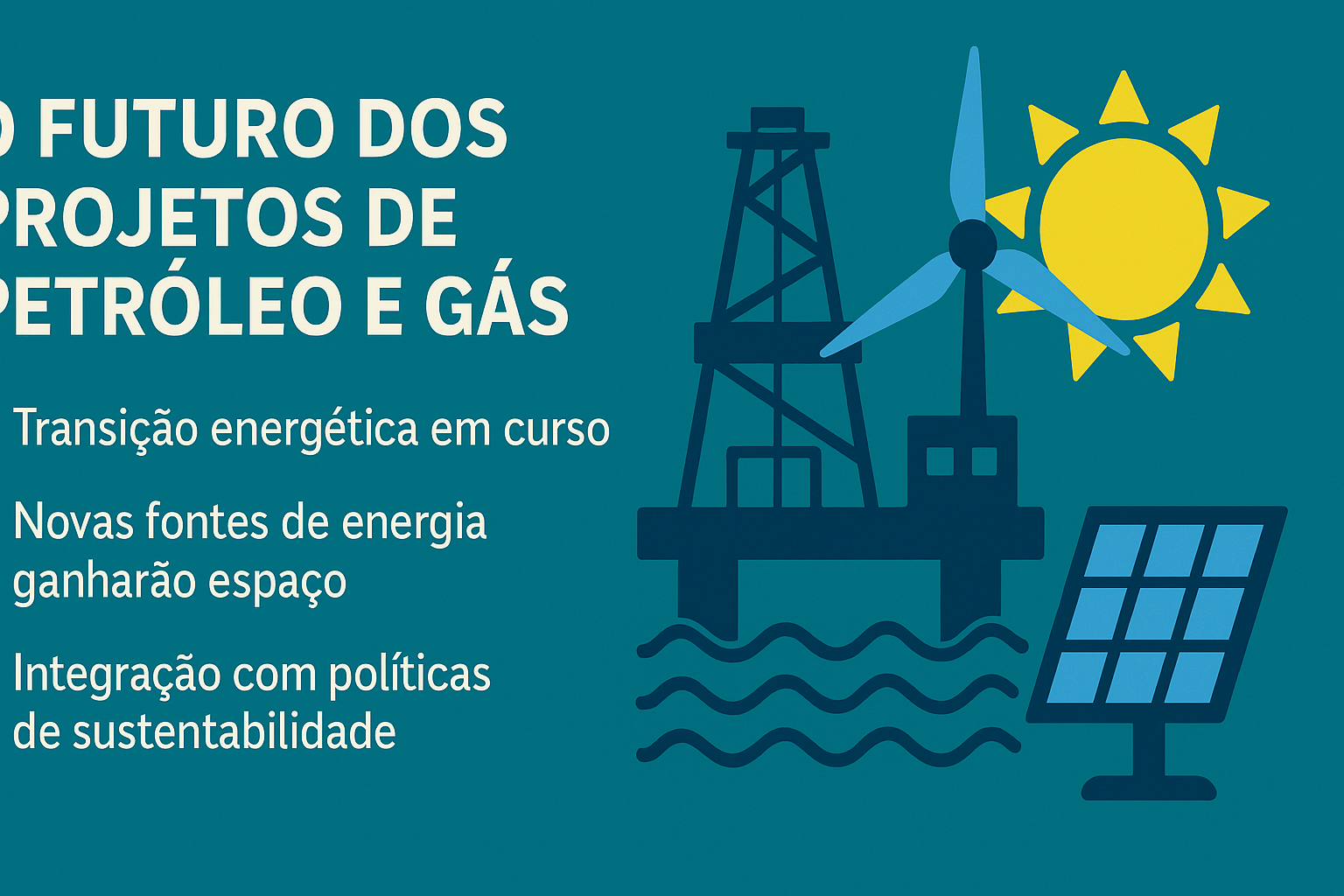
However, the future of oil and gas projects presents significant challenges.
After all, the energy transition is underway, and many countries are setting targets to neutralize their carbon emissions in the coming decades, like the European Union, which aims to achieve neutrality by 2050.
This means that, while oil and gas remain important, new energy sources — such as solar, wind, and green hydrogen — must gain traction.
Even in light of these changes, oil and gas projects will remain necessary to ensure global energy supply and support essential sectors such as transportation, industry, and agriculture.
What should occur, therefore, is a transformation in the way these projects are planned, executed, and integrated into sustainability and innovation policies.
Indeed, the sector remains promising for engineers, geologists, economists, and technicians.
Thus, understanding the stages of a project, from exploration to distribution, is essential for anyone looking to work in this market or comprehend how it impacts society.
Moreover, the sector faces the ongoing challenge of maintaining safety for workers and communities near exploration and production areas.
Strict standards and ongoing training help minimize the risk of accidents.
Therefore, understanding oil and gas projects is to understand an essential part of the history of energy in the world.
After all, they have shaped economies, created empires, and now need to reinvent themselves to face the demand for environmental responsibility and solutions that ensure the planet’s energy future.









Seja o primeiro a reagir!