





 Portuguese
  English
  Spanish
 4 min of reading
  0 comments


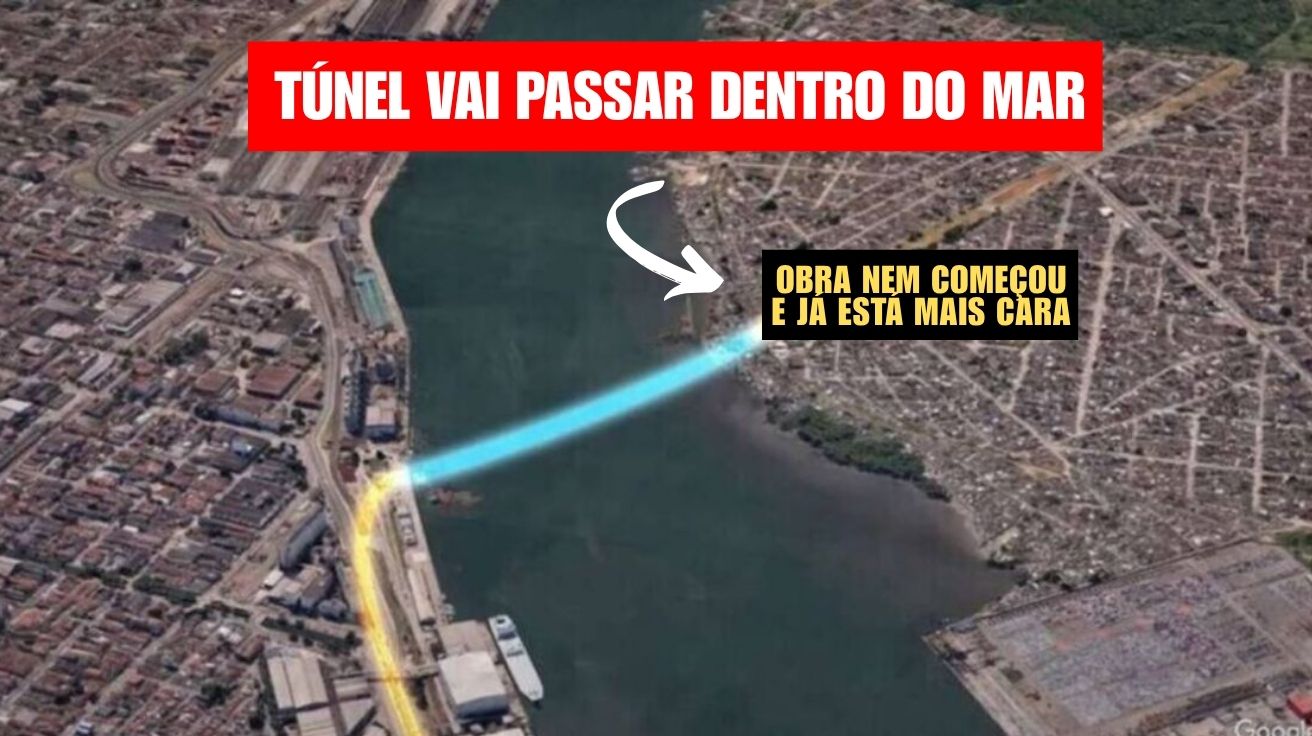
Billion-Dollar Infrastructure Project Promises to Transform Transportation with Brazil’s First Submerged Tunnel, but the Project Is Already More Expensive Even Before It Begins.
The State Government of São Paulo republished on Monday (9) the bidding notice for the Santos-Guarujá Immersed Tunnel, on the coast of São Paulo.
The new version of the document, in addition to operational adjustments, brings a significant increase in the projected investment: from R$ 5.96 billion to R$ 6.8 billion — an increase of R$ 840 million even before the start of the work.
The budget revision was driven by international feedback obtained during roadshows held in Europe in April — including Denmark, the Netherlands, and Norway — and aims to adjust essential supplies, dredging practices, freight costs, and contractual reinforcements.
-
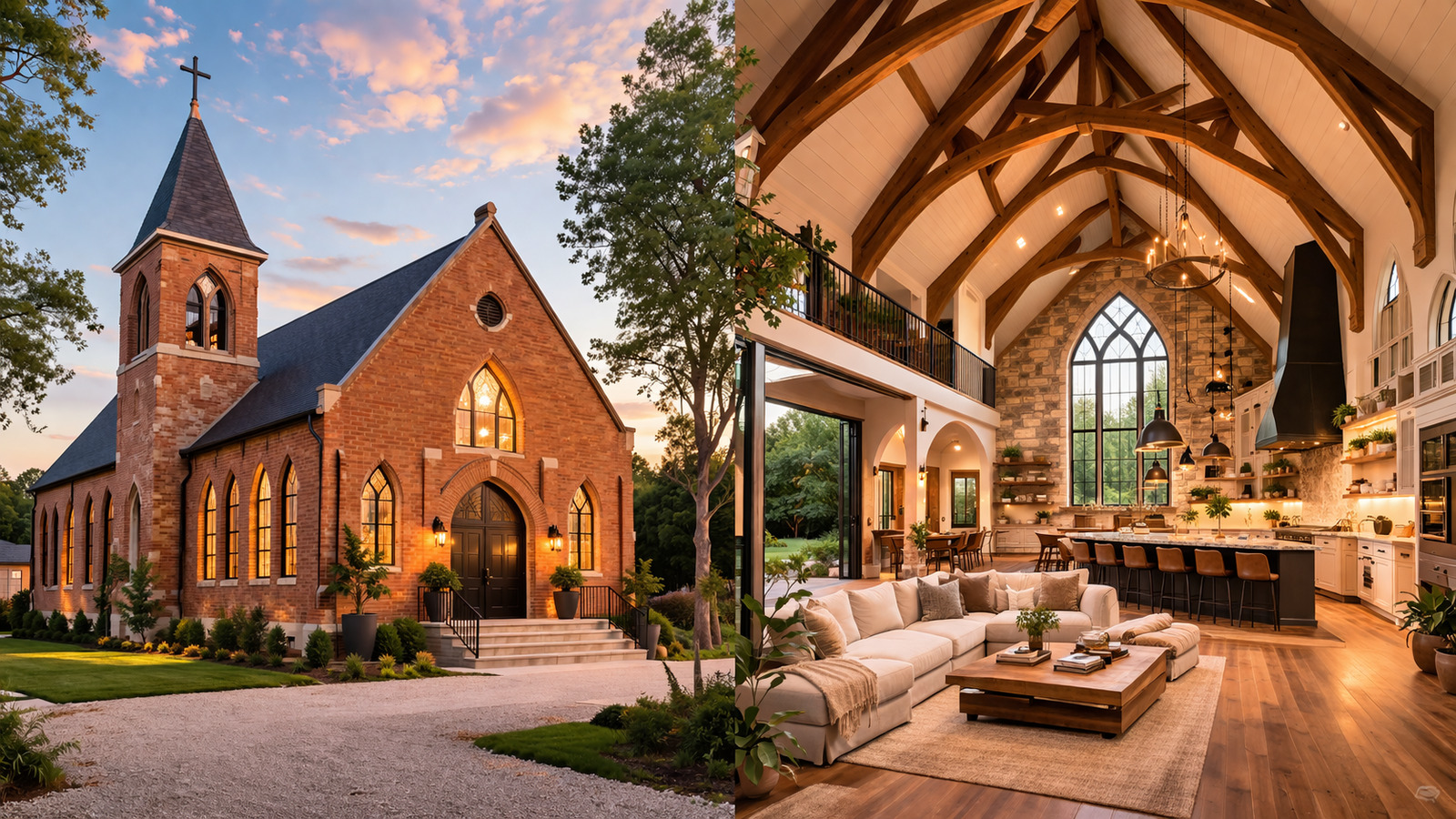
Church from 1888 becomes a mansion of over 330 m² in Canada after a renovation of R$ 3.4 million and is eventually sold for nearly R$ 4.3 million.
-
How an innovative city combines high technology, well-being, and sustainability to become the largest reference in clean energy on the planet.
-
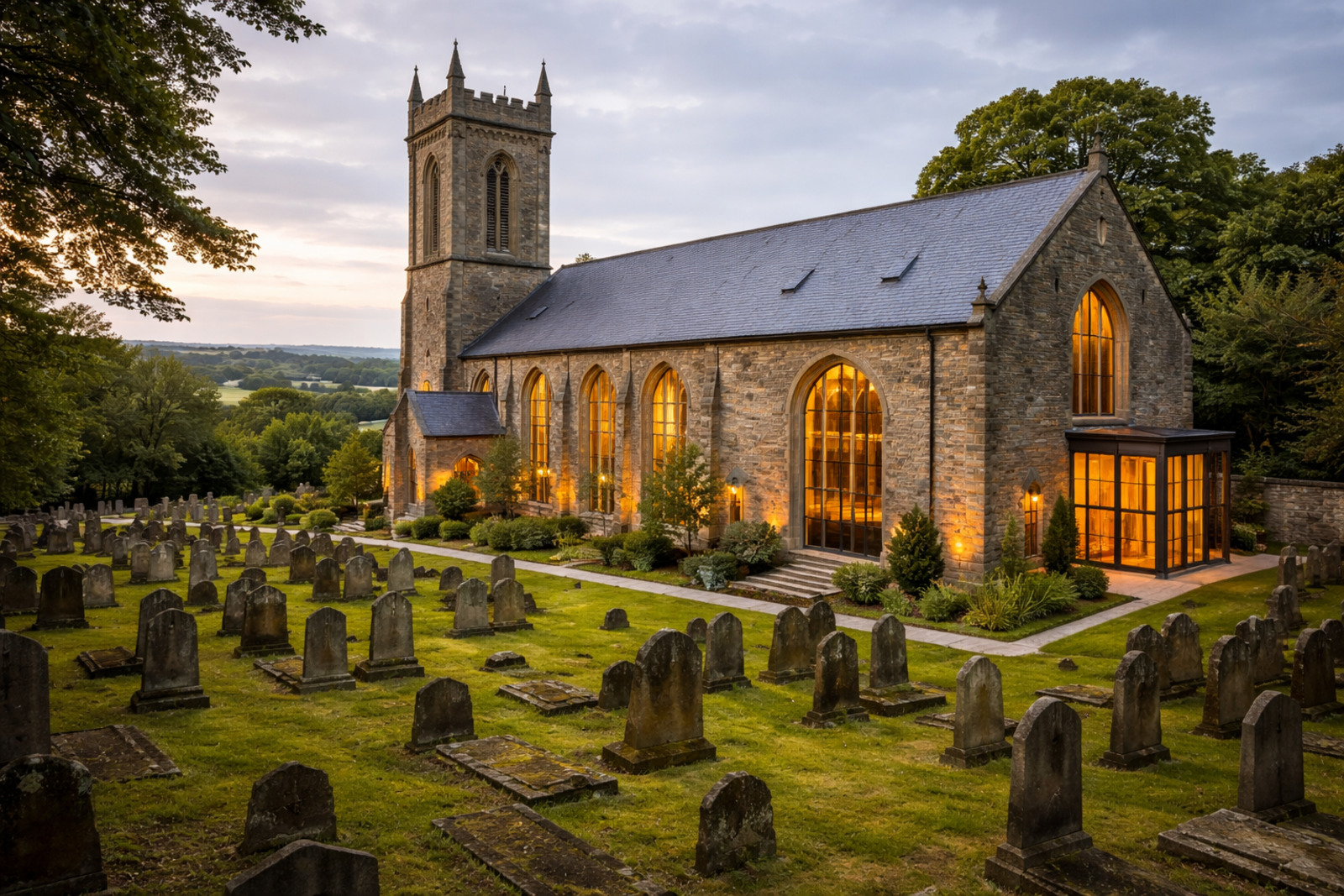
Couple buys 1846 church in ruins for R$ 660,000, invests R$ 3.2 million in renovations, transforms it into a millionaire mansion, and even preserved a historic cemetery with over 300 graves.
-
“No one will make us change the Pix,” says Lula after the US report.


Changes in the Santos-Guarujá Tunnel Bidding Notice
Update of the base date to January 2025, aligning values with the current economic scenario.
Revision of the costs of concrete, dredging, and diaphragm walls.
Redefinition of the average transportation distance for materials, now set at 85 km.
Inclusion of reinforced legal security clauses, mechanisms for protecting the concessionaire, and the creation of an Expropriation Account to expedite compensations.
Adjustments in the distribution of risks — geological and interferences with existing structures — and temporary solutions to keep the Outeirinhos Wharf and the Guarujá railway yard active during execution.
Permission for remote and live-bid submissions during the auction, aiming to attract more participants and favor the public authority with more advantageous conditions.
Auction and Construction Schedule
The envelopes with the proposals will be opened on September 1st, at 10 AM.
The auction is scheduled for September 5th, at 4 PM, at the headquarters of B3 in São Paulo.
The concession will last 30 years, covering the phases of construction, operation, and maintenance.
Tunnel Structure and Impact on Mobility
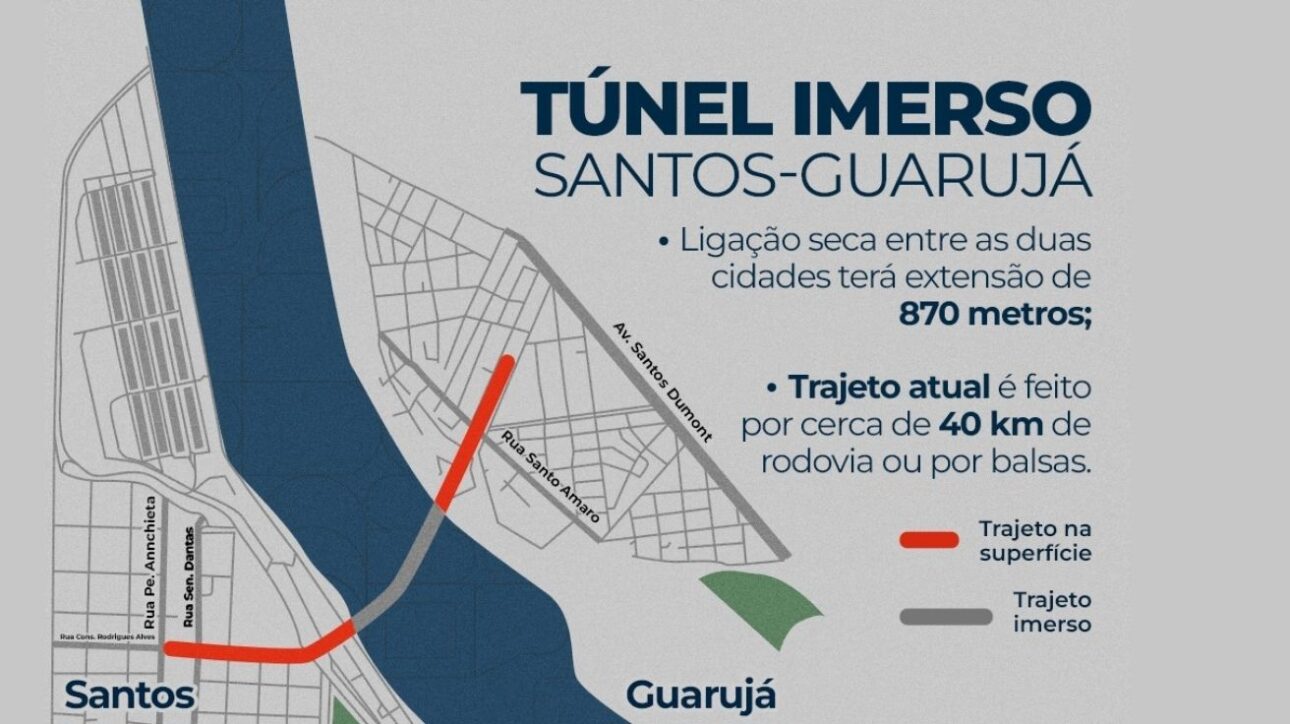
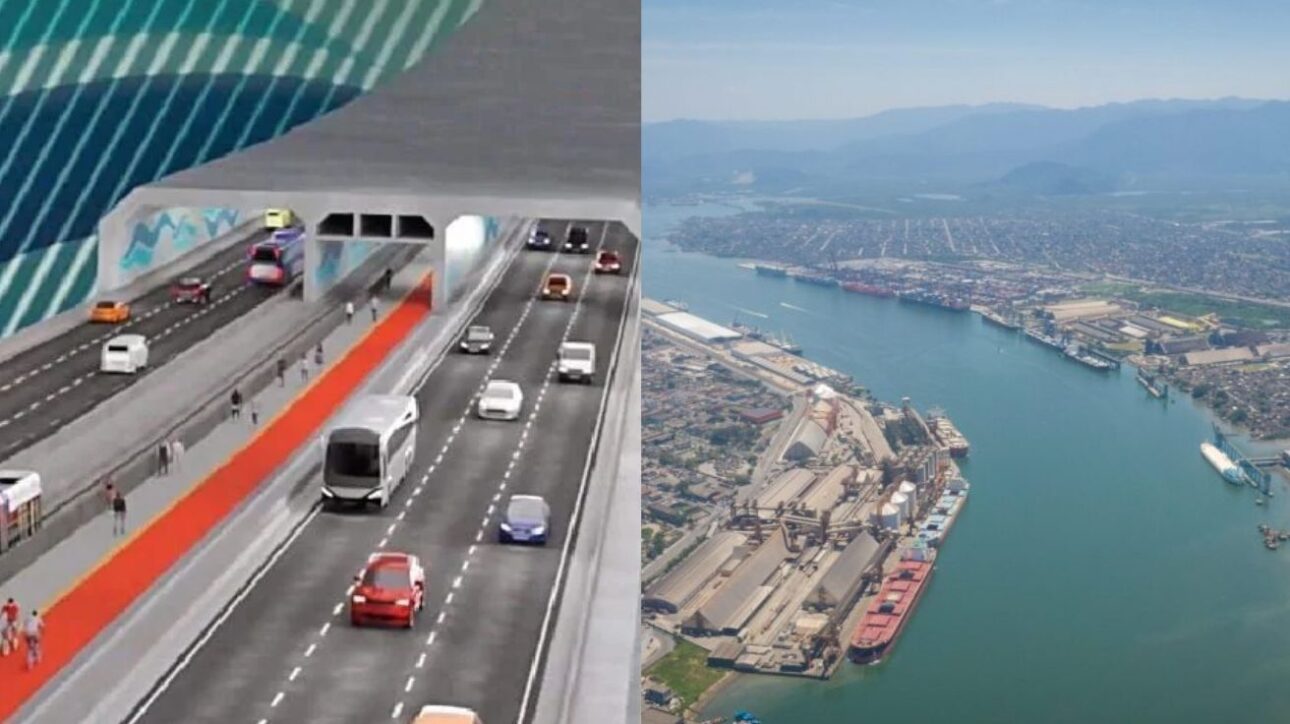
The immersed tunnel will be the first of its kind in Brazil, with 1.5 km in length, being 870 meters under the estuary channel, at approximately 21 meters deep.
The project includes:
- Six lanes of traffic (three per lane), with one exclusive for the Light Rail Vehicle (VLT), in addition to a gallery for pedestrians and cyclists.
- A drastic reduction in crossing time, which currently varies from 20 minutes to up to two hours during peak times — and should drop to less than five minutes.
- Complement to the Cônego Domenico Rangoni Highway and the ferry and catraia system, which daily transport over 21,000 vehicles, 7,700 cyclists, and 7,600 pedestrians.
Jobs and Partnerships in the Tunnel Project
According to the São Paulo government, the project is expected to generate around 9,000 direct and indirect jobs.
It is estimated that the concession will be covered by a partnership between the State, the Ministry of Ports and Airports, ARTESP, ANTAQ, and the Port Authority of Santos.
The project is framed within São Paulo’s Partnership Investment Program (PPI-SP) and the New PAC of the Federal Government.
International Interest and Investors in the Submerged Tunnel
From the European roadshows, the São Paulo government sought to attract investments from large international construction companies.
Among the groups that expressed interest are Acciona (Spain), Mota-Engil (Portugal), WeBuild (Italy), and the Chinese CCCC (China Communications Construction Company).
History and Environmental Impacts of the Project
The tunnel is an old project: the proposal dates back to the 1970s, but only gained concrete momentum in 2012, when the Environmental Impact Study (RIMA) was initiated.
In 2025, the first Public Hearing on the impacts of the work was held by the Guarujá City Council on May 19, to discuss urban, environmental, and logistical aspects.
Why Is the Santos-Guarujá Tunnel Strategic?
The current crossing, by transfer, is considered the largest ferry crossing in the world, with an average daily flow of 23,000 vehicles and long waiting times.
The tunnel will reduce bottlenecks, lessen environmental impacts on the wetlands, meet the demand of the Port of Santos — the largest in Latin America — and improve the quality of life of the local population.
With investments exceeding R$ 6.8 billion, private sector support, and public partnerships, the Santos-Guarujá Immersed Tunnel represents one of Brazil’s most ambitious infrastructure projects.
In the event of success, it could become a reference for integrated mobility, logistics, and innovation for other regions.
Do you believe this mega project will fulfill the promises of mobility, job creation, and efficiency in the Baixada Santista — even with the increase of R$ 840 million in costs before the bidding?




Seja o primeiro a reagir!