






 Portuguese
  Spanish
  2 min of reading


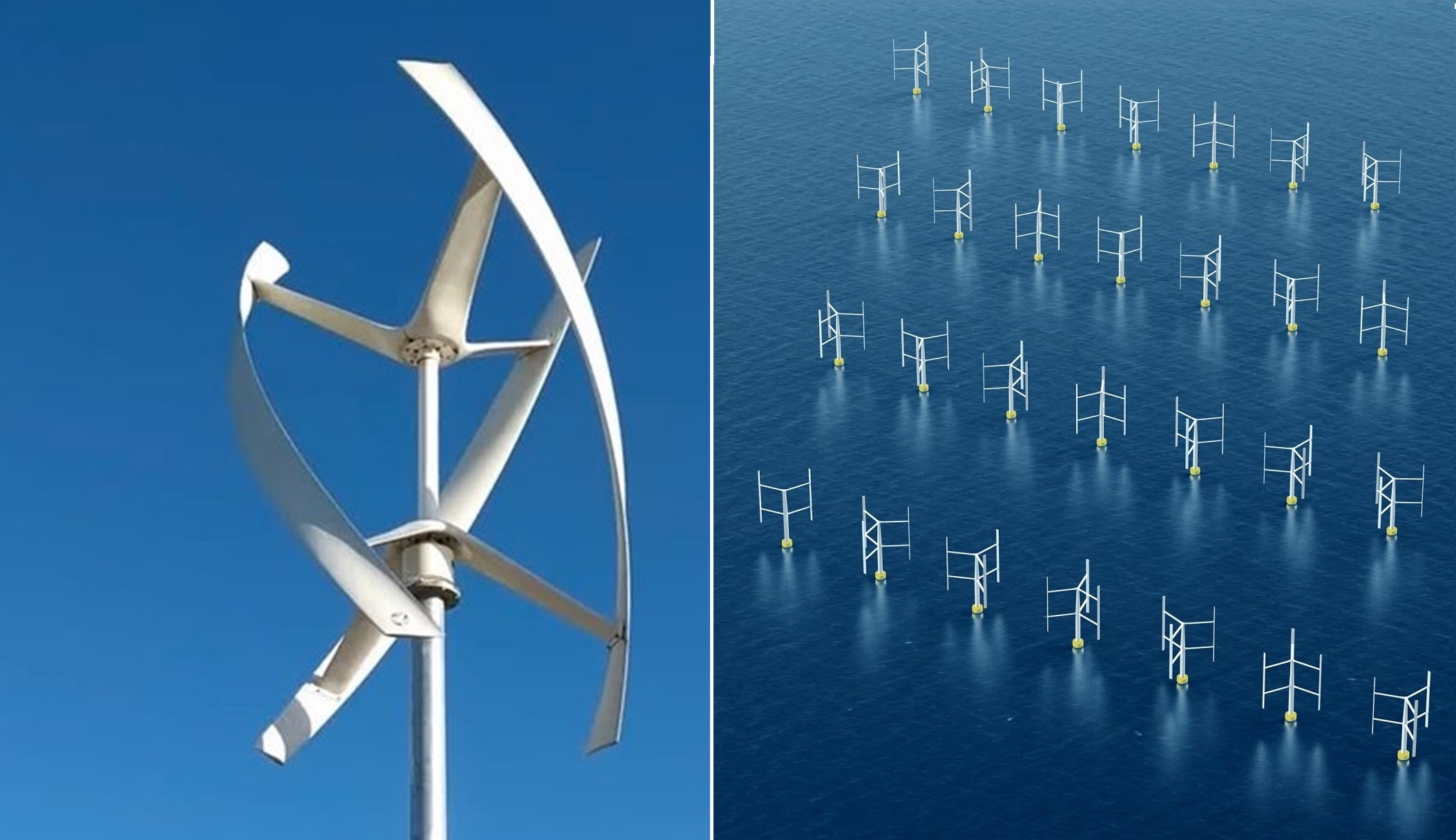
Oxford Study Indicates That The Use Of Vertical Turbines May Improve The Performance Of Wind Farms
The global search for carbon neutrality by 2050 continues to drive the growth of wind energy. In 2024, global installed capacity reached a record 117 GW, slightly surpassing the 116.6 GW of 2023.
However, this advance is still short of the target of 320 GW annually needed to triple renewable capacity by 2030, as set by the UN.
China led installations in 2024, with 79.8 GW added, followed by the United States at about 4.1 GW.
-
Brazilian scientists are simultaneously advancing two research projects on clean hydrogen and driving solutions that could transform the energy matrix, enhance industrial competitiveness, and accelerate large-scale emission reduction targets.

-
Advancement in renewable energy: A R$ 150 million project launched by Petrobras and Finep aims to create state-of-the-art electrolyzers for green hydrogen, strengthening national research and preparing Brazil to compete in a billion-dollar energy market.
-
Illiterate or semi-literate grandmothers were trained to repair solar systems, open rural workshops, and light up homes that still depended on kerosene.
-
The world has bet on green hydrogen as the fuel of the future, but now faces the side effect: producing 1 kilogram requires about 9 liters of ultrapure water, and the largest projects on the planet are precisely in the driest regions of the Earth, where water is already scarce for people.





Despite the growth, challenges such as political instability, licensing difficulties, and transmission infrastructure limitations continue to hinder global progress.
In Brazil, wind energy represents a significant share of the energy matrix. In 2024, the country reached an installed capacity of approximately 30.45 GW, establishing itself as one of the leaders in wind energy in Latin America.
More than 11,500 hours were simulated on a computer to demonstrate that wind power plants can significantly improve their performance if they shift from traditional traditional wind turbines to vertical axis turbines, known as VAWTs.
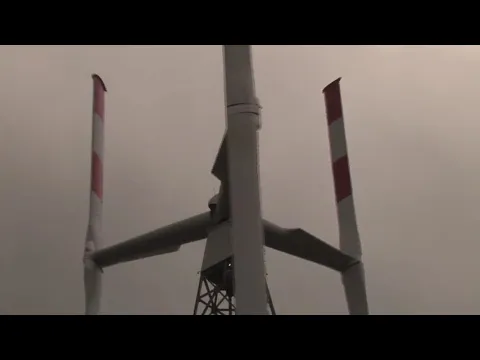

The study proved, for the first time, the superiority of vertical turbines over traditional designs. The study found that using vertical turbines in a line maximizes their performance.
The More Efficiency In Wind Energy, The Better For The Environment
“This study highlights that the future of wind farms should be vertical. Vertical axis wind farm turbines can be designed to be much closer to each other, increasing their efficiency and ultimately reducing electricity prices. In the long run, VAWTs can help accelerate the green transition of our energy systems, so that more clean and sustainable energy comes from renewable sources“, said Tzanakis.
A study from the Global Wind Report indicated that countries must install wind farms three times faster in the next decade. Only then will it be possible to stick to the timeline for zeroing carbon emissions.






Be the first to react!