





 Portuguese
  English
  Spanish
  5 min of reading
  0 comments


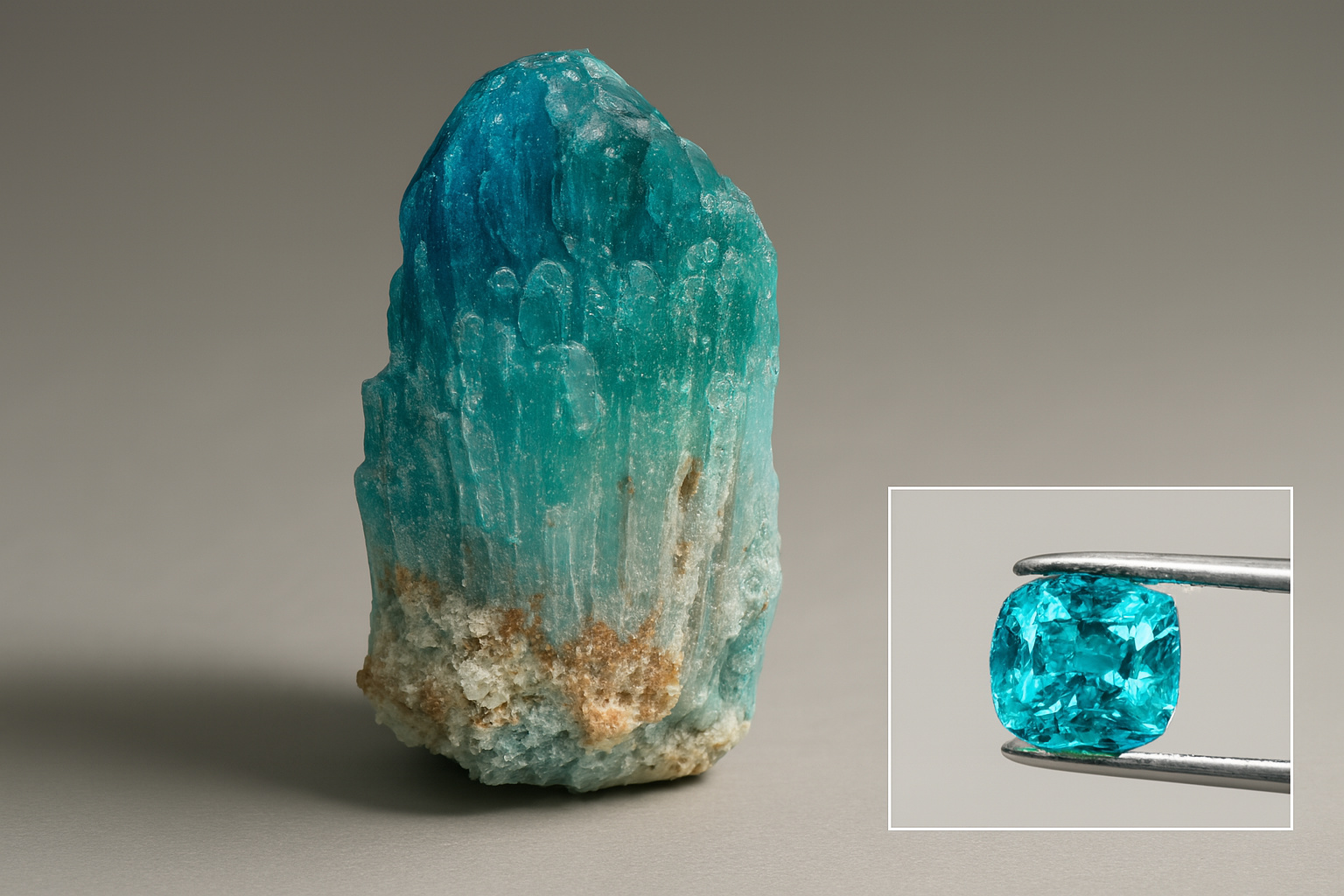
Discovery By Heitor Dimas Barbosa In The 1980s, The Intense Neon Blue Paraíba Tourmaline Transformed Global Jewelry And Put Brazil On The Map Of The Rarest Gems On The Planet.
In the arid hinterlands of Paraíba, a stubborn miner dug for almost a decade driven only by the intuition that there was something different beneath those rocks. His name was Heitor Dimas Barbosa, and his persistence would forever change the history of global jewelry. What he found in the depths of the Serra da Borborema in the mid-1980s was not an ordinary stone: it was the Paraíba tourmaline, a crystal of intense and luminous neon blue that scientists are still amazed by today.
This gem — unique in the world — transformed Brazil into a global reference for gemology and made the name “Paraíba” worth more than that of any diamond mine. Today, the value of a single carat of Paraíba tourmaline can reach US$ 20,000, surpassing the prices of the purest diamonds.
The Miner Who Defied The Impossible
For years, Heitor Barbosa dug improvised tunnels with his own resources, facing heat, collapses, and disbelief. He said he felt that “there was something shining different” in the pegmatite rocks of the region of São José da Batalha, in the interior of Paraíba.
-
USA and China compete for Brazil over resources that could be worth trillions — rare earths put the country at the center of a global dispute

-
After China, it’s now the turn of the USA to ‘secure’ a share of Brazil’s natural resources: the country buys critical rare earths for R$ 3 billion and enters the center of the global technology dispute.
-
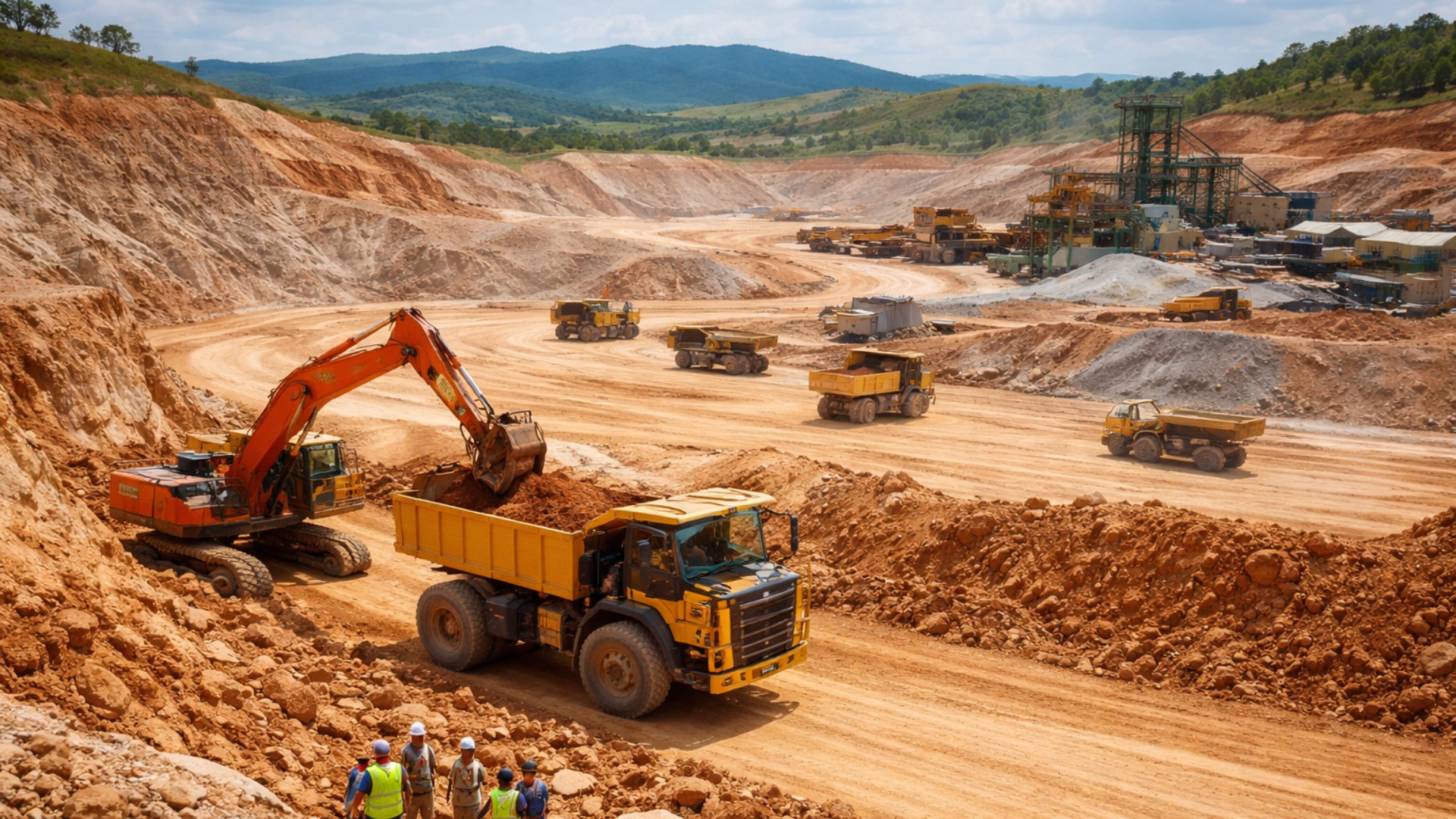
Rare earths are in everything, from cell phones to bullet trains, and what almost no one realizes is why they have become the target of such a delicate global war.
-
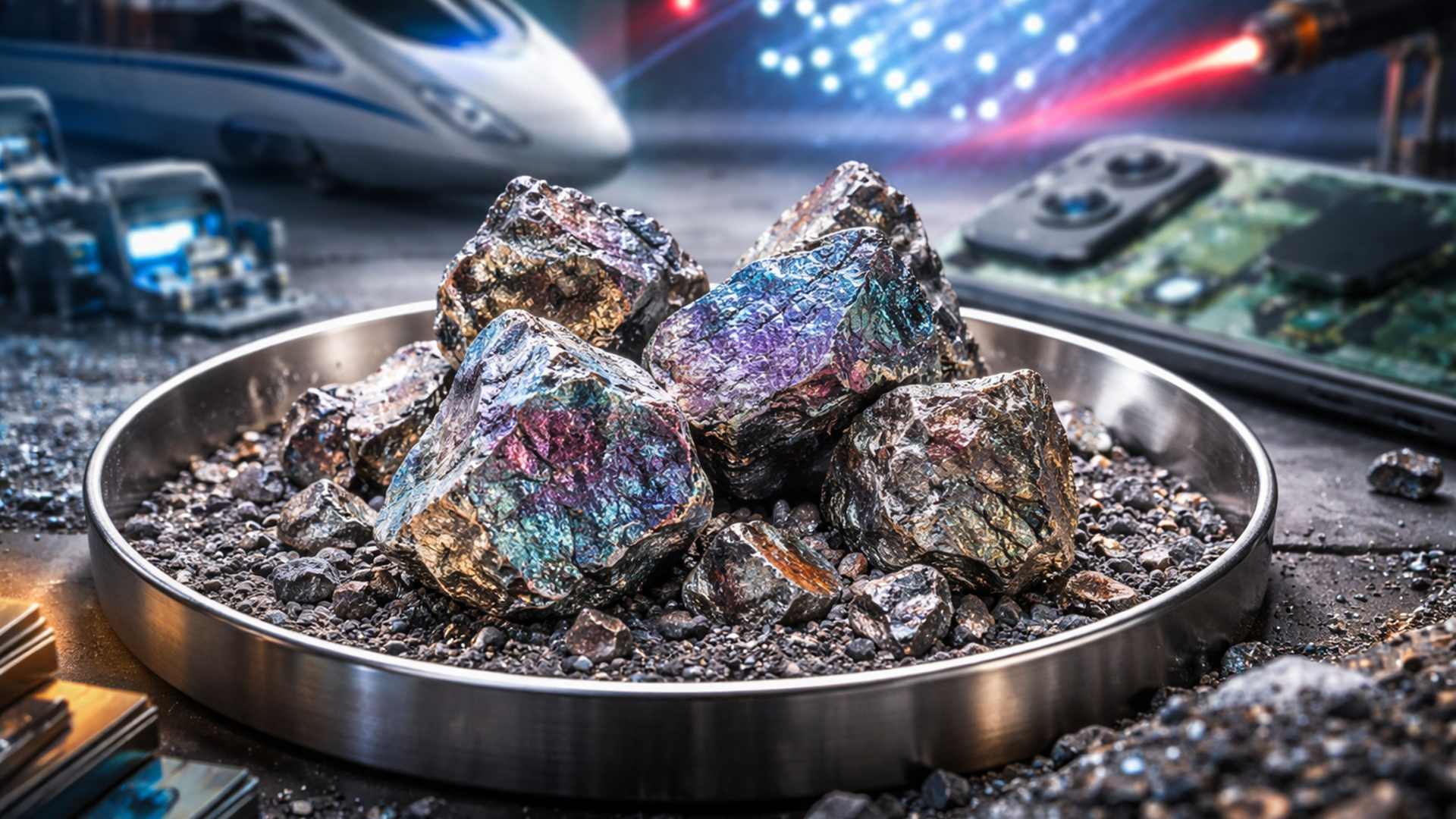
Brazil extracts 26.3 million tons of ore from what was previously treated as waste, transforming residues into wealth, producing over 3 million tons of sand, and demonstrating how national mining is relearning to generate value.

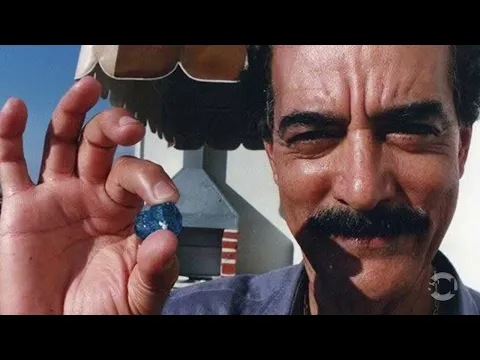

In 1989, his faith was confirmed. A small electric blue fragment emerged from the rubble of the mine. No known mineral exhibited that almost fluorescent hue — a color that seemed to emit its own light. When the stone was sent for analysis, gemologists found something unprecedented: it was a tourmaline containing copper and manganese, a combination never observed before and responsible for the unique shade that would make it famous as “Paraíba tourmaline”.
The discovery soon attracted buyers from Japan, the United States, and Europe. In international auctions, prices soared. While high-purity diamonds were sold for around US$ 5,000 per carat, Paraíba tourmalines fetched double that — and, in some cases, ten times more.
A Brightness The World Had Never Seen
What makes the Paraíba tourmaline so special is its internal luminosity, resulting from the presence of copper ions. Under natural light, it exhibits a neon blue glow that seems to emanate from within the stone. The color can vary from turquoise blue to aquamarine green, but always with a vivid and electric effect.
This uniqueness caused luxury jewelers — such as Cartier, Tiffany, and Bvlgari — to compete for Brazilian specimens. Today, nearly all tourmalines used in high-end pieces are traced back to Paraíba, and those few cut over five carats are treated as absolute rarities.
According to the GIA (Gemological Institute of America), it is the only tourmaline in the world capable of emitting perceptible fluorescence even in low light. For this reason, it is considered “the stone that shines on its own,” a physical and aesthetic phenomenon that has captivated the world’s greatest collectors and celebrities.
The Blue Gold Of The Northeast
With international success, the Paraíba tourmaline transformed the local economy. The small town of Batalha, once dependent on agriculture, saw dozens of small mining companies, cutting workshops, and cooperatives emerge. The gem became known as “the blue gold of the Northeast,” responsible for generating jobs and placing the region on the map of the world’s largest gem exporters.
However, fame came at a price. The original reserves were practically exhausted in less than 10 years. The mines became targets of intensive exploitation and legal disputes. The discoverer himself, Heitor Barbosa, died in 1993 without receiving due commercial recognition. Yet, his discovery remains as one of the most valuable individual contributions in Brazilian mineral history.
From The Hinterland To The World
Even with the depletion of the original Paraíba mines, the neon blue tourmaline continues to be a global symbol of excellence. In 2003, similar deposits were discovered in Nigeria and shortly after in Mozambique. Analyses by the Gemological Institute of America (GIA) confirmed that although these African gems also contain copper and manganese, the Brazilian stones exhibit an electric brightness and an unmatched color saturation, a result of the unique geological conditions of Serra da Borborema.
For this reason, the name “Paraíba tourmaline” has become a recognized designation of origin in the international market, used only when Brazilian provenance is confirmed by a gemological certificate.
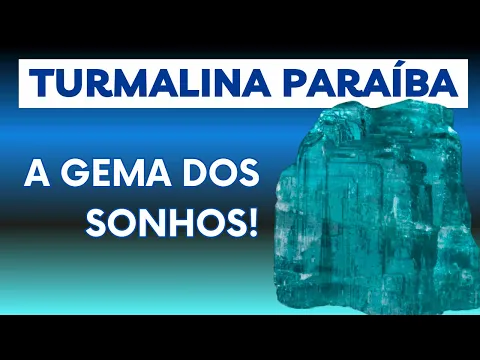
Currently, high-quality specimens of Paraíba tourmaline fetch between US$ 15,000 and US$ 50,000 per carat, and may exceed US$ 100,000 in auctions of exceptional jewelry. Pieces adorned with the Brazilian gem have already been seen in collections of celebrities like Beyoncé, Taylor Swift, and Naomi Campbell, reinforcing the status of Paraíba tourmaline as one of the most sought after and valuable gemstones on the planet.
A Legacy Of Science, Beauty And Persistence
The Paraíba tourmaline is not just a gemstone. It is a testament to human ingenuity and faith. Heitor Barbosa, who began digging with his own hands, ended up revealing a mineral that intrigued scientists and redefined the global gem market.
Researchers from the Institute of Geosciences at USP and the Federal University of Pernambuco continue to study the structure of the gem to understand how copper and manganese combined in such a unique way. It is believed to have formed around 500 million years ago during the regional metamorphism process that shaped northeastern Brazil.
An Invaluable Brazilian Heritage
Today, authentic specimens of Paraíba tourmaline are among the most coveted items in private collections and museums. Each stone extracted from those hinterland mines carries a piece of the story of a man who believed in the impossible — and of Brazil that shone alongside him.
The discovery by Heitor Dimas Barbosa transformed one of the country’s poorest regions into a name revered by the global jewelry community.
The Paraíba tourmaline is more than just a mineral: it is proof that the most intense brilliance can arise from the most unlikely places. A small blue fragment that emerged from the northeastern soil — and today illuminates showcases, laboratories, and museums around the planet.








-

Uma pessoa reagiu a isso.