





 English
  Francês
  Alemão
  Italiano
  Japonês
  Norueguês
  Portuguese
  Spanish
  3 min of reading


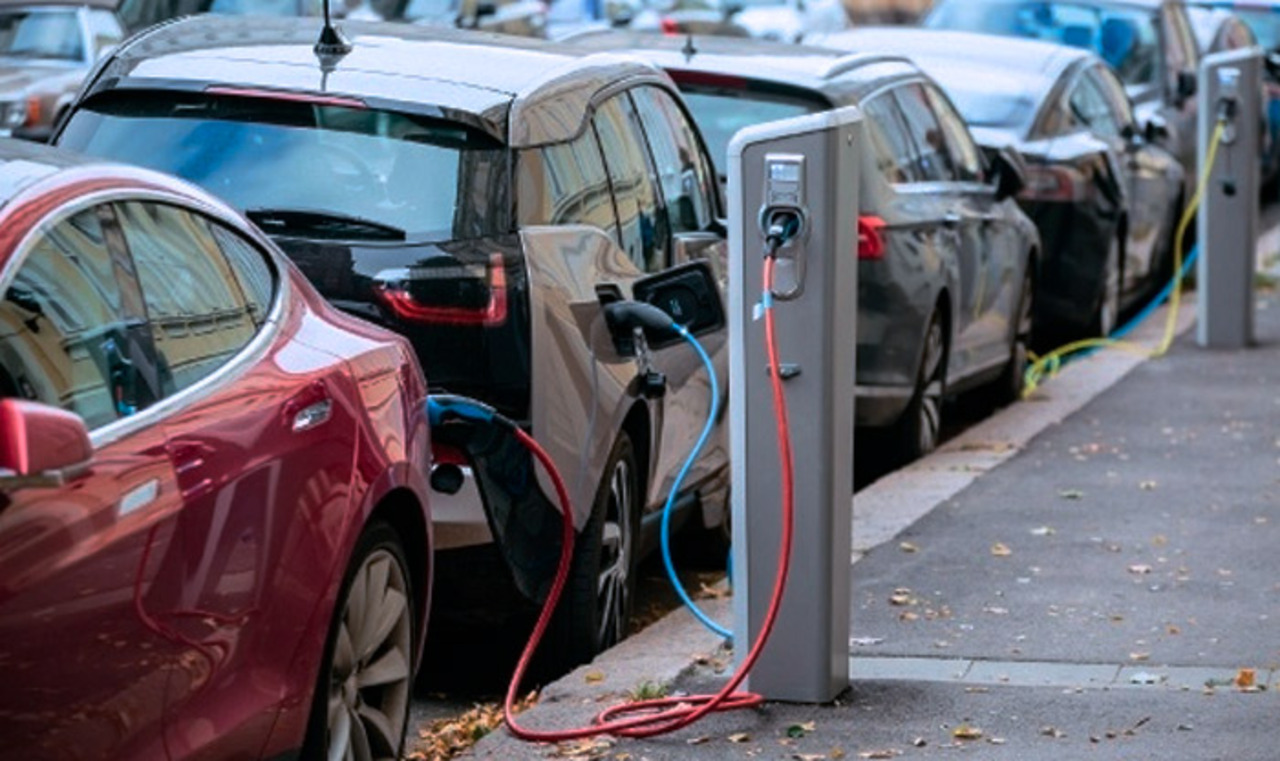
California Proposes Electric Vehicle Standard for Rideshare Companies Like Uber and Lyft
California’s pursuit of a cleaner, greener environment is reaching rideshare services like Uber and Lyft. The California Air Resources Board (CARB) issued a preliminary proposal on Wednesday that would require nearly all rides in transportation network companies (TNCs), commonly known as rideshare services, to be in electric vehicles by 2030.
Read Also
Use of Electric Vehicles – The Future of Ridesharing
CARB found that in 2018, rideshare vehicles like Uber and Lyft accounted for 1% of the state’s total passenger vehicle emissions that year. This may not seem like much, but cars are a subject of much debate in California. Passenger vehicles account for one-third of the state’s total emissions, ahead of other major emitting sectors like agriculture and power plants.
The move to regulate emissions from rideshare trips is just part of a larger effort by the state to control pollution from vehicles. In September, Governor Gavin Newsom issued an executive order requiring that all vehicles sold in the state be electric by 2035, which could reduce the state’s overall emissions by 35%.
-
São Paulo surprises the world with a colossal railway network project that promises over 1,000 km of tracks, R$ 194 billion in investments, and 40 projects connecting the capital to the interior with fast and sustainable trains.

-
The world’s largest escalator, measuring 905 meters in China, reduces urban travel time from 1 hour to about 20 minutes and transforms mobility in mountainous regions with an engineering solution adapted to the terrain.

-
A R$ 300 million logistics giant is taking shape in Serra with over 100,000 m² and raises a question: how can this transform e-commerce and distribution in the state?

-
Could Uber Rides Lose Minimum Fare? Understand What’s Happening!


While companies have previously promoted rideshare options like Uber Pool as an eco-friendly choice, a study conducted last year by the Union of Concerned Scientists found that Uber and Lyft trips generated nearly 70% more emissions than the private trips they replaced. The study calculated that a solo trip in a rideshare vehicle averaged 50% more emissions than if the person had used their own car, primarily due to the fact that the rideshare vehicle drives back and forth without passengers between trips.
Uber and Lyft Have a Driver Shortage Problem, and It’s Costing Them a Lot of Money
Uber and Lyft have a driver shortage problem. With the number of drivers for both apps falling by about 40%, the two companies are committing to spend hundreds of millions of dollars to attract people back to the driver’s seat.
Uber announced on Wednesday that it was launching a $250 million “incentive” for drivers in hopes of accelerating their return to the platform.
“In 2020, many drivers stopped driving because they couldn’t count on enough rides to make their time worthwhile,” wrote Dennis Cinelli, Uber’s Vice President of Mobility in the U.S. and Canada, in a blog. “In 2021, there will be more passengers requesting rides than available drivers to provide them – making it a great time to be a driver.”
Electric Vehicles in Brazil
For a long time, thinking about electric vehicles in Brazil was imagining something very far from the reality of the country, due to it being a very new technology and, primarily, the high acquisition cost.
Slowly this scenario is changing, and it is now possible to find some electric models circulating in the streets of some Brazilian cities. The price is still significantly higher than that of gasoline and ethanol-powered cars, but the idea of sustainability attracts some drivers.










Seja o primeiro a reagir!