





 Portuguese
  English
  Spanish
  3 min of reading
  0 comments


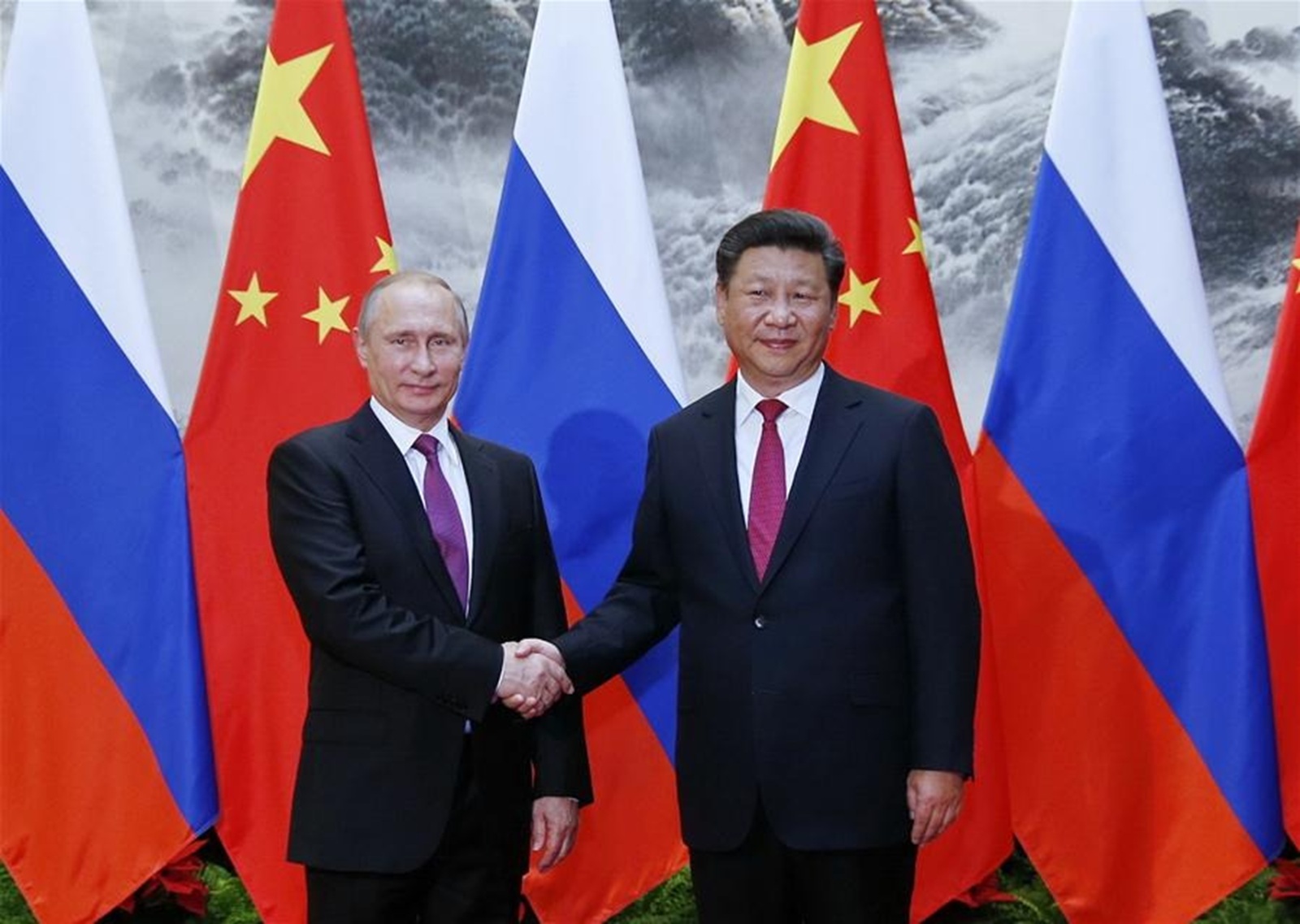
Ukrainian Intelligence Service Claims to Have Evidence of Cooperation Between Moscow and Beijing in Reconnaissance Operations That Allegedly Guided Attacks on Strategic Targets.
Ukraine has accused the Chinese regime of providing satellite data to Russia, which was used to direct missile strikes against its territory. Oleg Alexandrov, from the Ukrainian Foreign Intelligence Service, told the Ukrinform agency that there is evidence of intense cooperation between Moscow and Beijing in this type of reconnaissance operation.
According to him, “there are facts that demonstrate a high level of interaction between Russia and China in conducting satellite reconnaissance of Ukrainian territory to identify and better exploit strategic targets for destruction.”
Alexandrov also highlighted that some of these targets belong to foreign investors, which increases the gravity of the joint actions.
-
USA and China compete for Brazil over resources that could be worth trillions — rare earths put the country at the center of a global dispute

-
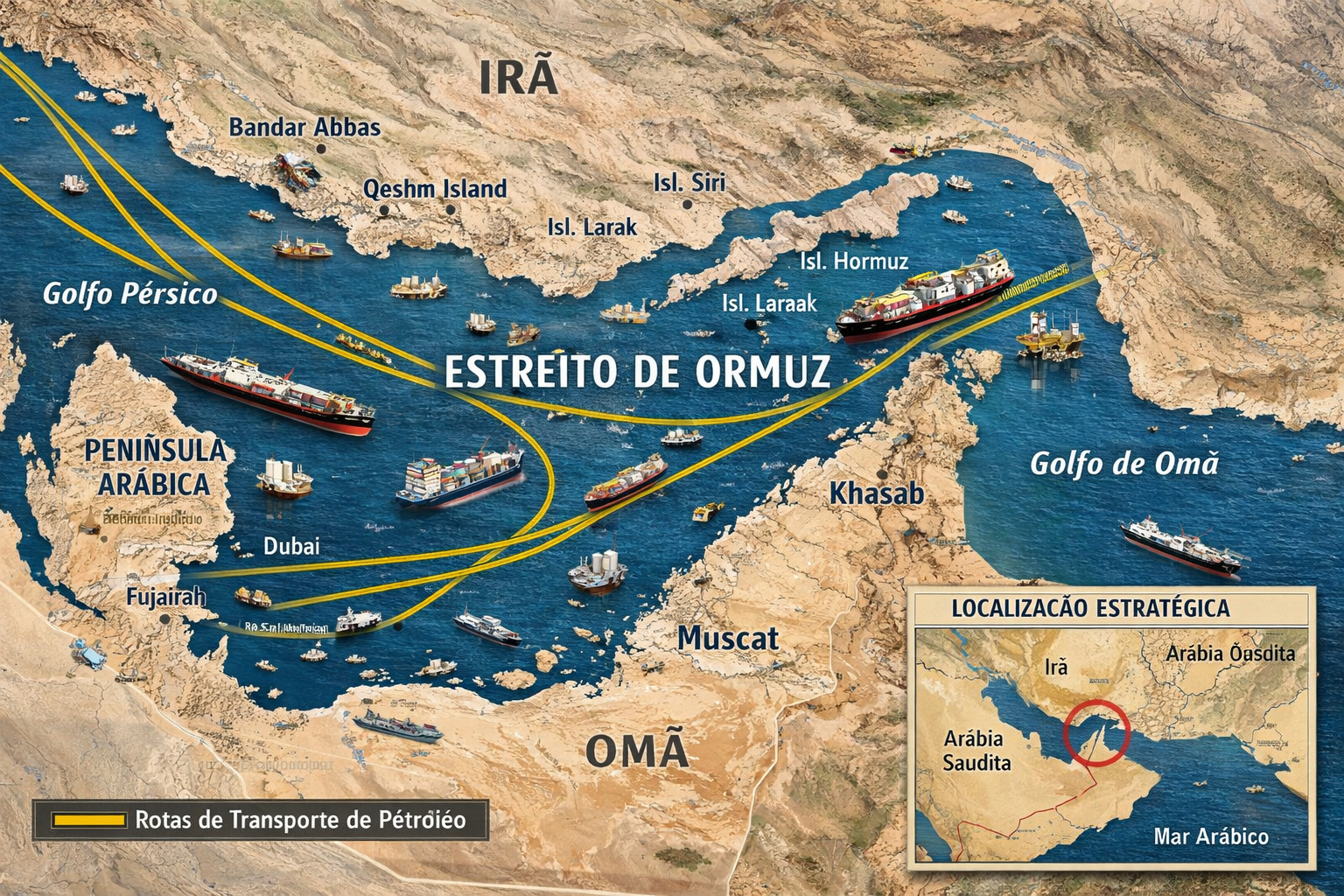
Global summit with over 40 countries pressures Iran for a blockade in the Strait of Hormuz and warns of direct impact on oil, food, and the global economy.
-
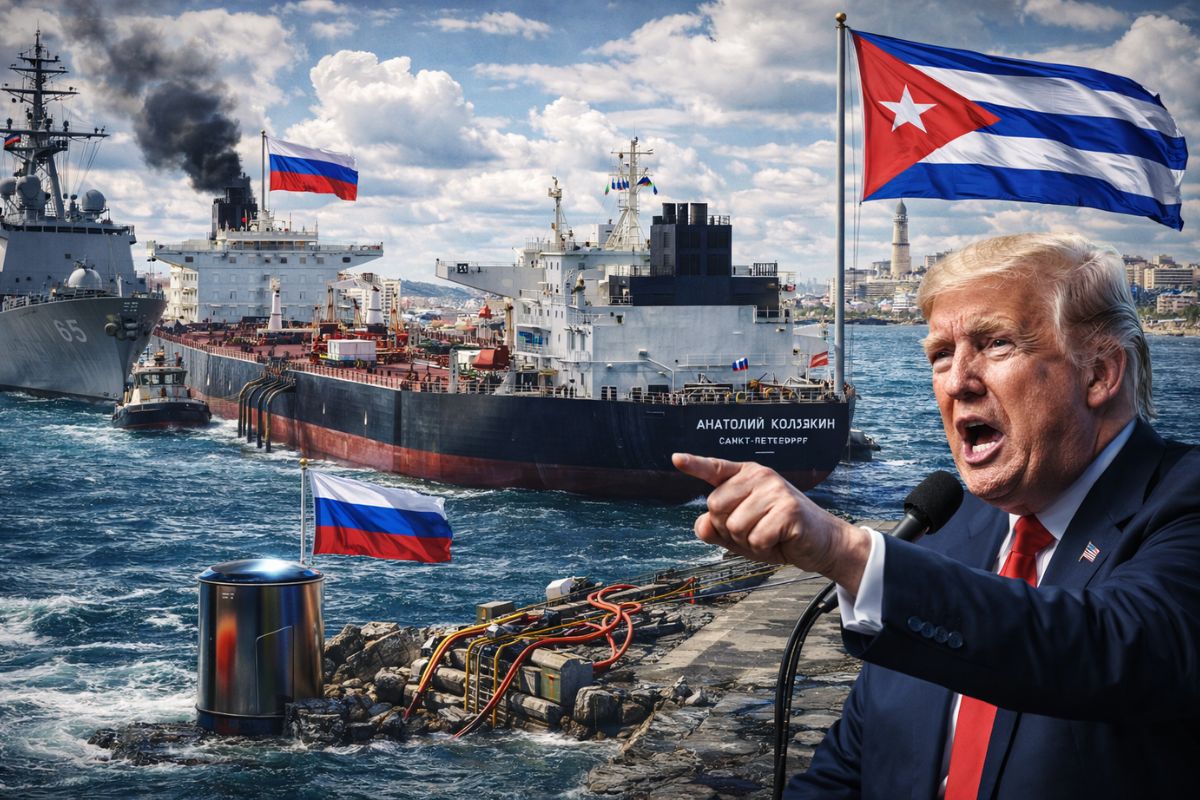
Russia has broken the U.S. maritime blockade to send oil to Cuba and is now loading a second ship while Trump says that “Cuba is next” in a possible military action against the island.
-
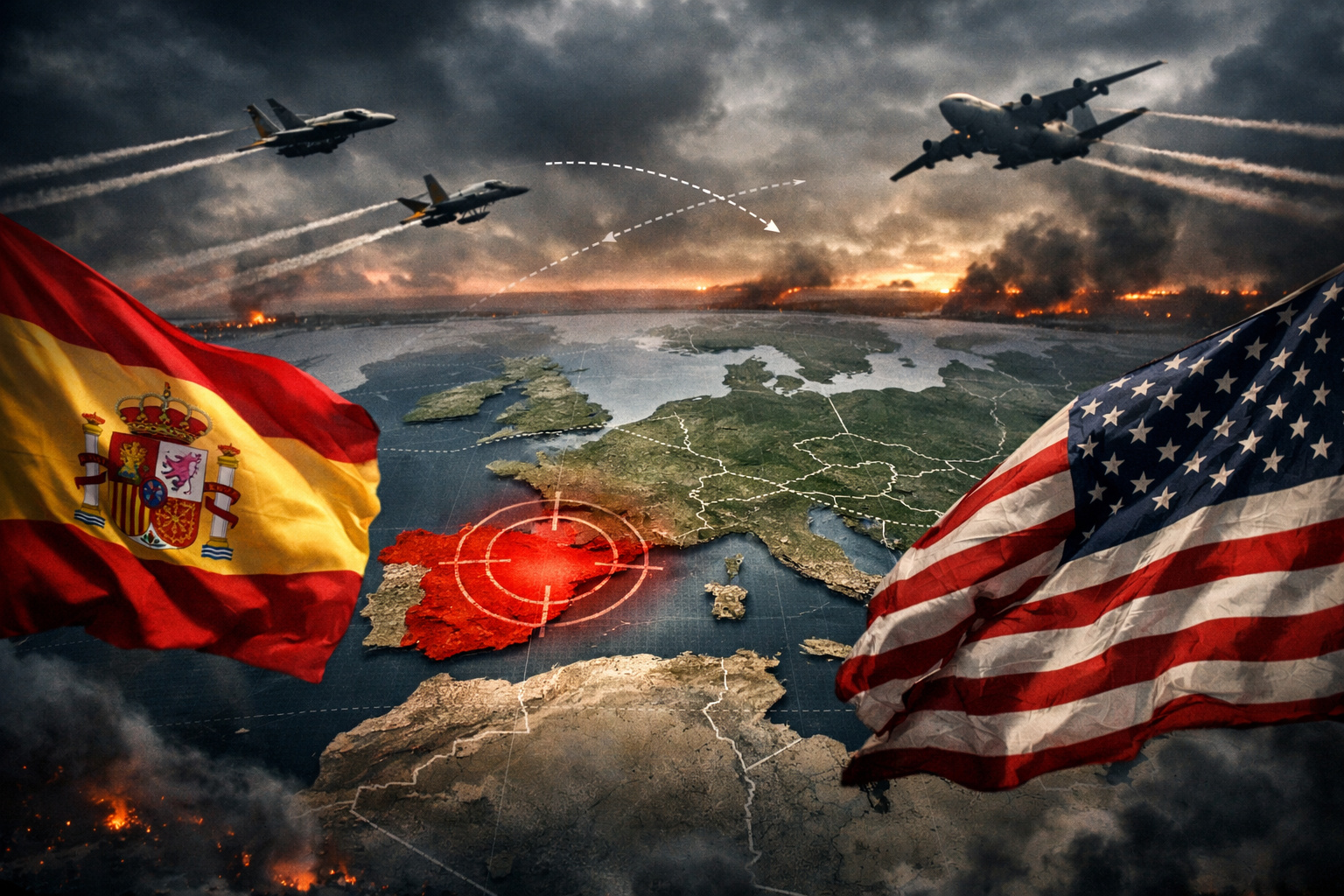
Spain challenges the USA and closes its airspace for operations against Iran, raising global tension and provoking the threat of a trade rupture.

The accusation came after a Russian missile strike on August 21 that destroyed the American factory of Flex Electronics in Mukachevo, in the Transcarpathia region of southwestern Ukraine.
Technological Cooperation and Sanctions
So far, Ukrainian intelligence services have not disclosed additional details regarding other facilities that may have been attacked based on Chinese data.
However, Kyiv has denounced on several occasions China’s provision of special chemicals, gunpowder, and machinery to Russian military factories.
The head of the Russian Foreign Intelligence Service, Oleg Ivashchenko, previously stated to Ukrinform that, by early 2025, approximately 80% of the electronic components used in Russian drones would have Chinese origins.
This statement reinforces the perception of Russia’s technological dependence on China in the context of the war.
In light of these accusations, Ukrainian President Volodymyr Zelensky imposed sanctions on several Chinese companies. He also accused Beijing of supplying weapons to Moscow and harboring Chinese citizens fighting alongside Kremlin troops. China, for its part, denies all these allegations and claims to maintain a neutral position in the conflict.
Ukrainian Advance in Donetsk
Meanwhile, the Ukrainian Army has registered significant advances on the eastern front. Recent operations in the Donetsk region, especially in the vicinity of Dobropilia, represent one of the most significant achievements in the past two years.
Kiev’s forces managed to liberate about 180 square kilometers of territory and expel Russian sabotage units from more than 200 square kilometers, as reported by Oleksandr Sirsky, the head of the Ukrainian Army, who visited the area this week.
These gains have strengthened Ukraine’s position in peace negotiations with Washington, although Russia continues to try to regain the initiative.
Strategic cities such as Pokrovsk, Kramatorsk, and other areas of Donetsk remain critical points of contention.
Counteroffensive Under Direct Command
The Ukrainian operation was launched after Russian infantry groups, supported by armored vehicles, opened a gap of about 15 kilometers north of Pokrovsk in August. This maneuver had increased the threat to Kramatorsk. However, the Russian attempt to expand beyond its capacity weakened its lines and opened space for the Ukrainian counteroffensive, directly coordinated by Sirsky.
According to military expert and retired lieutenant colonel Oleksi Melnik from the Razumkov Center, Kiev’s action surrounded hundreds of Russian soldiers and cut off their supply lines.
He told the EFE agency that this may have been Russia’s clearest opportunity to break Ukrainian defenses in two years — but it ended in failure.
Melnik also highlighted that the counteroffensive exposed structural flaws in Moscow’s attack planning, consolidating a tactical and symbolic victory for Ukraine amid an ongoing and unpredictable conflict.








Seja o primeiro a reagir!