





 English
  Francês
  Alemão
  Italiano
  Japonês
  Norueguês
  Portuguese
  Spanish
  3 min of reading


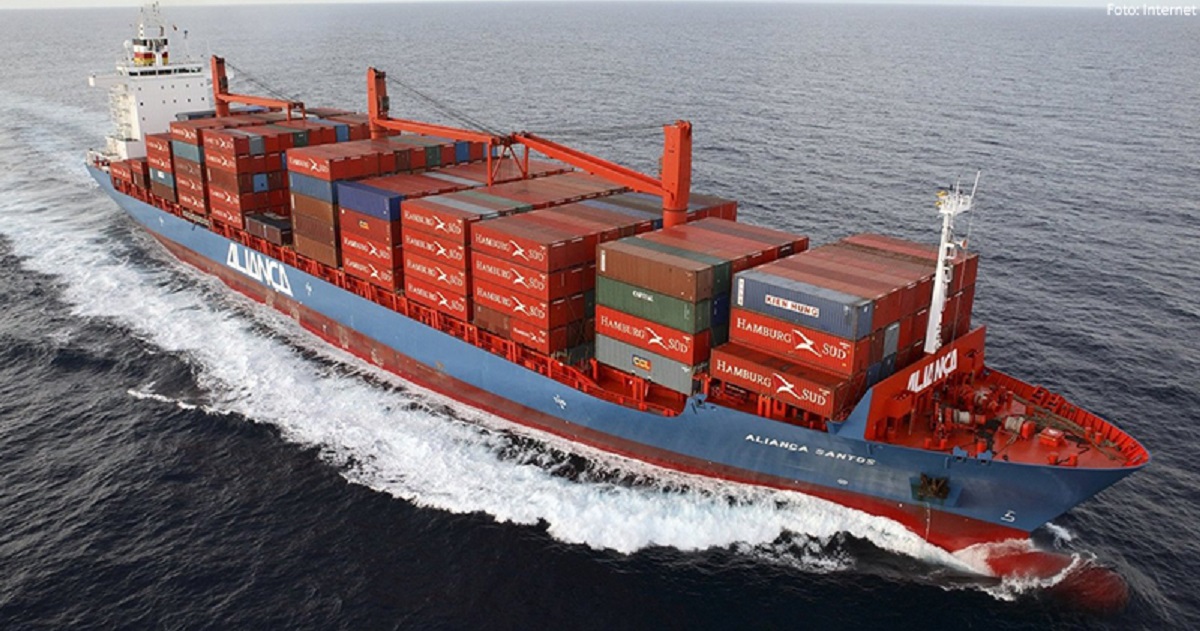
Navigation Along the Brazilian Coast Sees Increase in Activities One Year After Truckers’ Strike, Whose Freight Pricing Regulation Was the Main Villain
The recent trauma, which occurred last year when a truckers’ strike triggered by disagreement over diesel price hikes brought the country to a standstill, led logistics executives from major companies in Brazil to consider other transportation options more seriously.
Cabotage, the term used for navigation between the country’s ports, saw its activities grow due to companies’ attempts to ship their products through other transport modalities in an effort to avoid reliance on truckers.
Containerized cargo transport along the Brazilian coast grew by 18% after the truckers’ strike, and each day this cheaper and more reliable modality attracts clients from agribusiness to industry. It is worth noting that rail transport also saw a 15% increase.
The freight pricing regulation imposed by the government proved disadvantageous, as it raised freight costs even further, forcing companies to seek cheaper alternatives.
-
Government unlocks R$ 554 million for a highway that has been requested for decades and accelerates the duplication of BR.
-
Without bricks, without cement, and without endless construction: the cardboard house that is assembled in modules and can be moved.

-
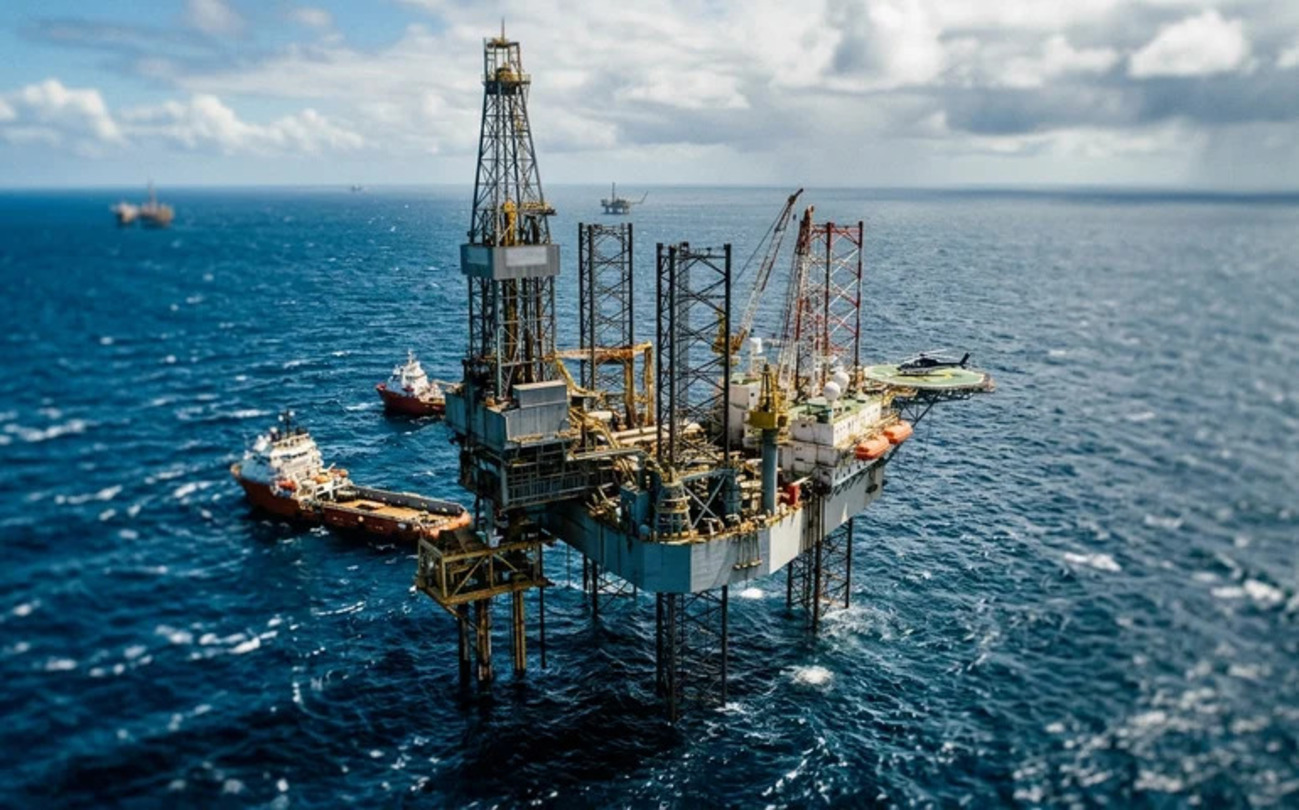
Billions of barrels on the equatorial margin could lead Amapá to double its oil production in Brazil — the state aims to enter the route of companies in the Campos Basin, attract investments, and boost jobs and businesses in the oil and gas sector.

-
Without bricks, without cement, and without endless construction: the cardboard house that is assembled in modules and can be moved.

According to a survey by the Logistics and Supply Chain Institute (ILOS), since the end of the truckers’ strike until February of this year, there has been a 17.5% increase in the volume of cargo transported by cabotage. In some areas, such as the northeast-southeast route, the growth was 20%.
Marcos Voloch, Mercosur Director at Aliança Navegação, stated that the company’s demand has grown by 16% since last year’s shutdown, and that 192 of the current 1,400 clients were acquired during this period.
According to the executive, cabotage was not competitive in several stretches in the country, such as Bahia-São Paulo or Ceará-Bahia, but the adoption of a minimum price for truck transport has given a new breath to shipping by vessels.
Systematics of Road Transport
In national road transport, it is common to have more supply on the upward routes, that is, south-southeast, southeast-northeast, and in the downward direction, truckers without cargo to transport (or with lower volumes) end up charging less for freight rates.
With the adoption of minimum freight, negotiation was eliminated, and prices for downward routes saw an incredible 180% increase, as was the case with the northeast-southeast stretch.
The Ceará-based home appliance industry Mallory, for example, began to ship 30% of its production via ships, as according to its operations director, the freight from its factory in Maranguape to the São Paulo bus station, which used to cost 7 thousand reais, rose to 18 thousand.
The executive also noted that even with road freight being 15% higher than maritime freight, the bureaucracies of road transport are much simpler, but with increases exceeding 150%, it is better to opt for cabotage, despite the delays that may occur in the release at Brazilian ports.
While the STF has not ruled on the illegality of the minimum freight table, companies are caught between a rock and a hard place and are forced to bear extra expenses in transporting their products.







Seja o primeiro a reagir!