





 Portuguese
  English
  Spanish
  4 min of reading
  0 comments


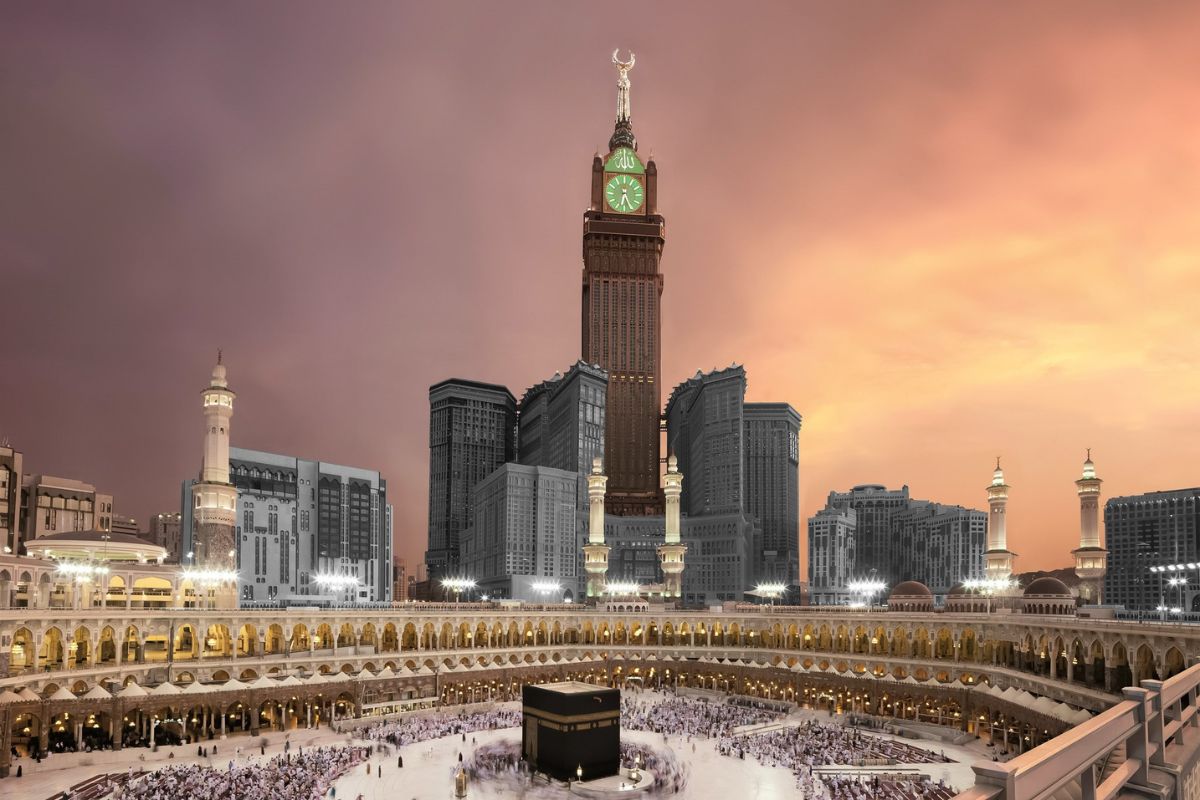
The $15 Billion Complex in Mecca, with 1.5 Million Square Meters of Usable Area and a 601-Meter Tower, is the Fourth Tallest Building on the Planet and the Largest Architectural Symbol of the Modern Islamic World
The Abraj Al-Bait, located in the holy city of Mecca, Saudi Arabia, is a $15 billion complex that redefines the concept of urban and religious megaprojects. Completed in 2012, it consists of seven interconnected towers, luxury hotels, and shopping centers, totaling 1,500,000 square meters of usable area, the largest volume of interior space ever constructed in a single architectural ensemble.
Dominating the city’s skyline, the Makkah Royal Clock Tower, central tower of the complex, reaches a height of 601 meters and displays the largest clock in the world, with a diameter of 43 meters on each of its four faces. In addition to its technical grandeur, the Abraj Al-Bait was conceived with a functional and spiritual purpose: to accommodate millions of Muslim pilgrims who visit the Great Mosque of Mecca, the holiest site in Islam.
The Birth of a Monumental Landmark in Saudi Arabia
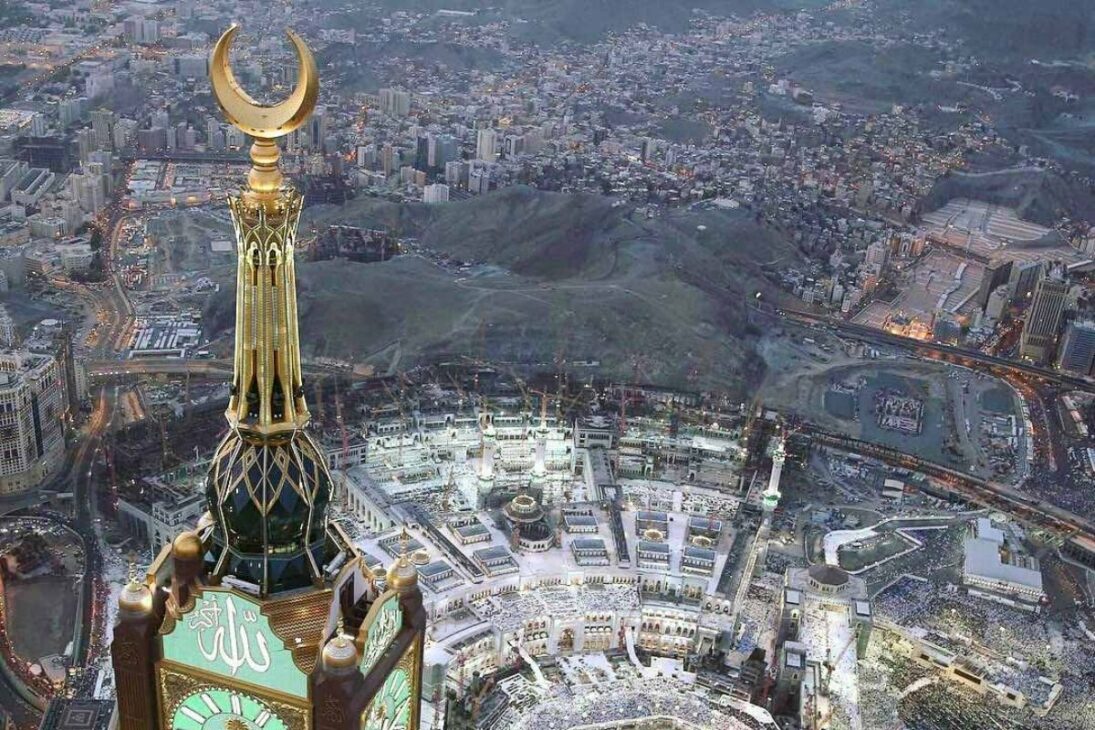
The $15 billion complex was envisioned by the Saudi government as part of an ambitious plan to modernize the infrastructure around the Great Mosque.
-
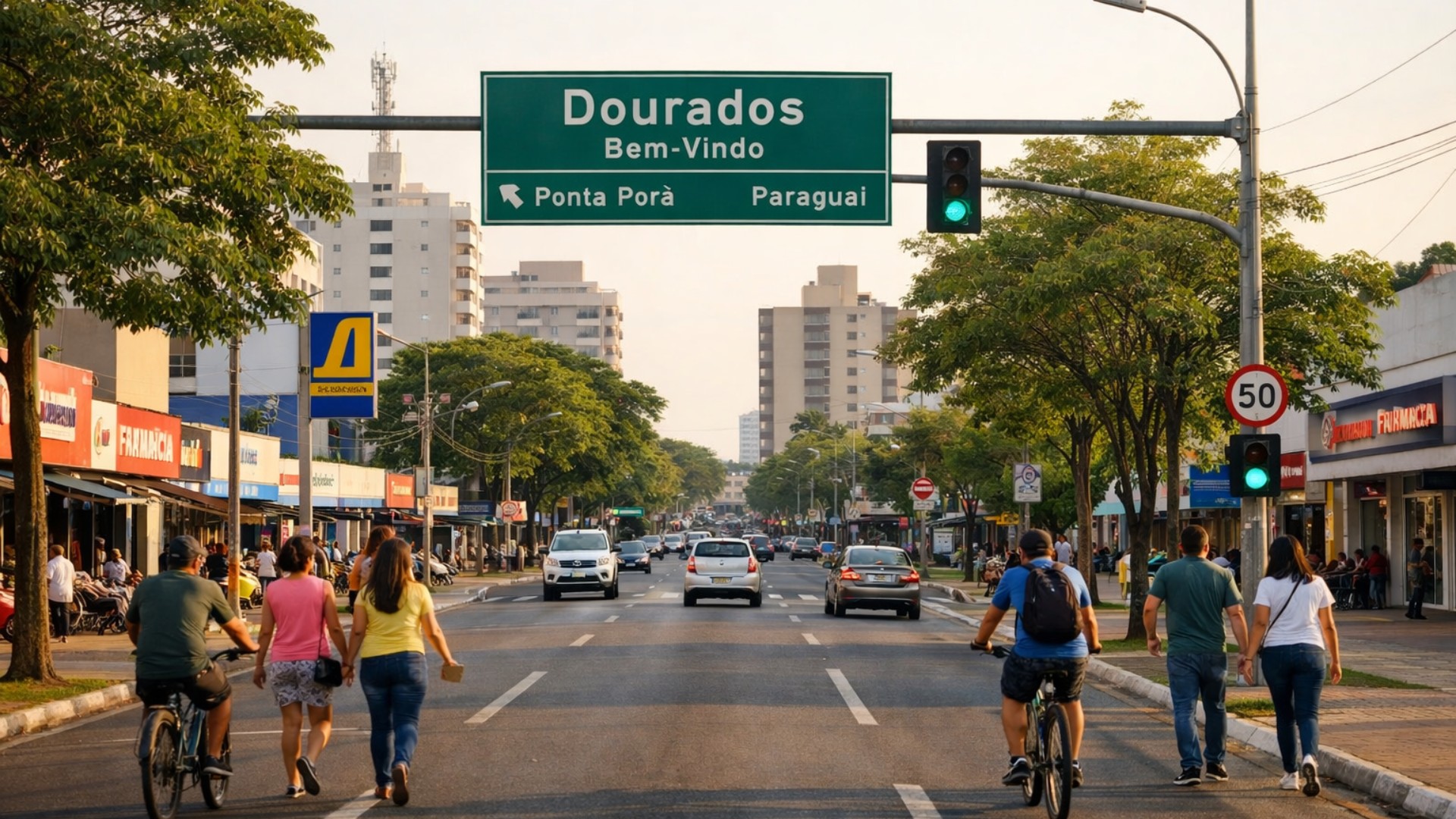
Brazilian city neighboring Paraguay becomes a ‘magnet’ for people seeking quality of life and high standards with exceptional growth and commutes of up to 15 minutes.
-
A rare storm transformed part of the Gulf into an unlikely scene of hail, extreme rain, and tornado risk in the middle of the desert, with volumes that exceeded the annual average in a single day.

-
Brazil catches the world’s attention with ships powered by ethanol and biodiesel that have lower emissions, an unprecedented certification with advantages in chartering, and a revolution in cabotage.

-
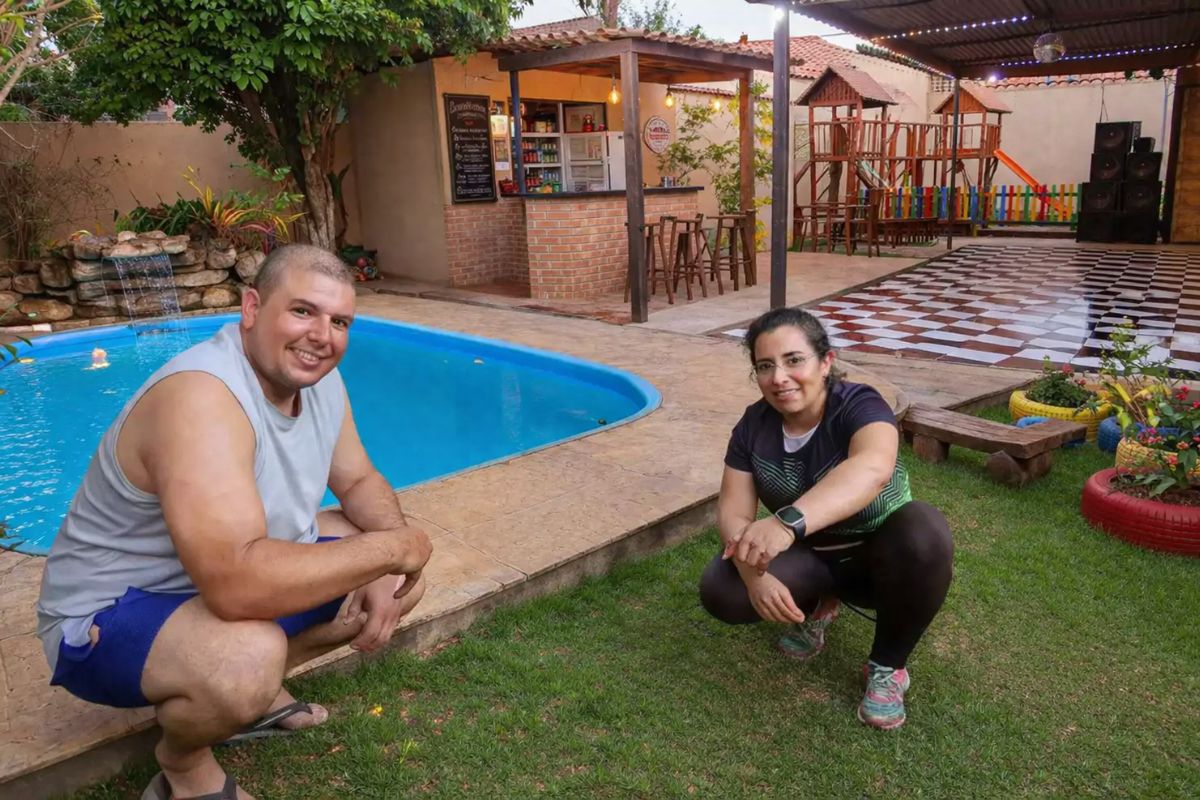
A couple who only has Sundays free has built a hand-dug pool, a hamburger joint, a dance hall, and a playground in their own home without hiring a mason, and even with breaks due to accidents and the pandemic, the work has never truly stopped.

Its construction involved multinational engineering companies, thousands of workers, and a timeline that lasted nearly a decade.
Comprising seven hotel and residential towers, the Abraj Al-Bait offers everything from luxury accommodations to religious facilities to support worshippers.
Its location, just a few meters from the Kaaba, makes the complex a strategic point during the Hajj, the annual pilgrimage that gathers over two million people in Mecca.
The Engineering Behind the Largest Clock in the World
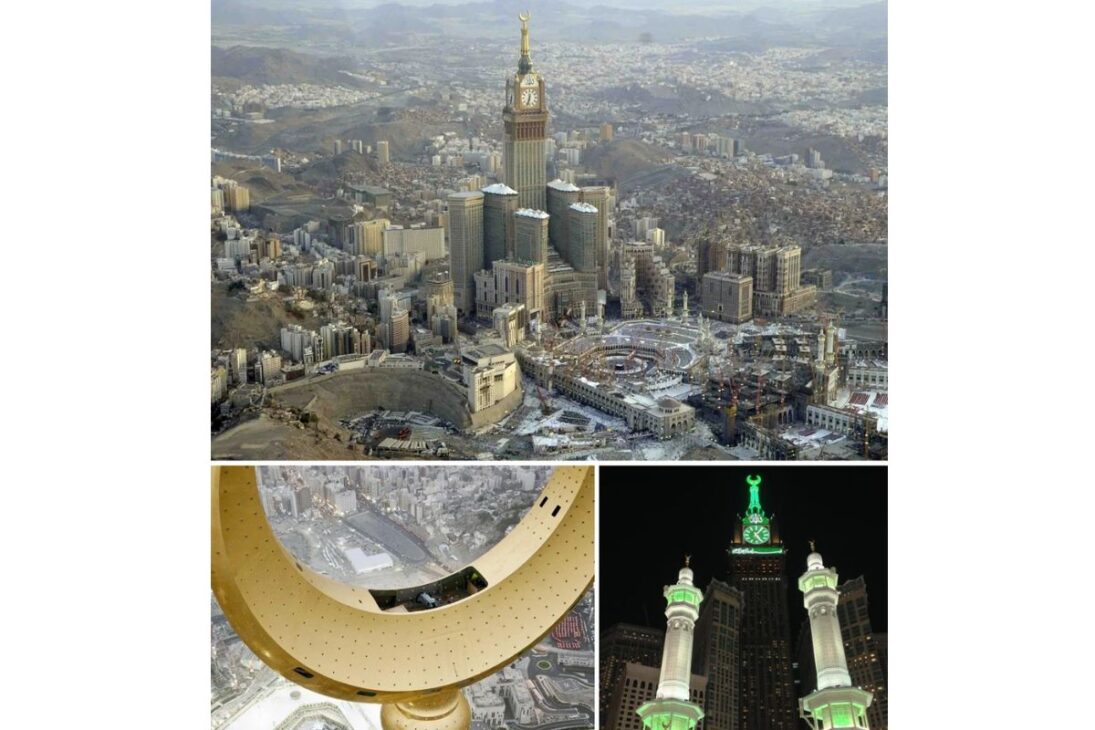
At the top of the main tower, the monumental clock is visible from over 30 kilometers away.
Each of its four faces measures 43 meters in diameter, and the hands are coated with carbon fiber and golden mosaics, weighing tons.
The structure also houses a lunar and astronomical observation center, aiding in the calculation of the beginning and end of the months in the Islamic calendar.
The night lighting of the clock, comprised of two million LED lights, transforms the building into a beacon visible throughout the valley of Mecca.
The technical complexity involved in installing and synchronizing the system makes it one of the greatest challenges ever overcome by modern engineering.
The Largest Building in Usable Area Ever Built
The Abraj Al-Bait holds the world record for largest usable area on the planet, totaling 1.5 million square meters of habitable space.
The complex includes hotels, shopping centers, conference halls, residential apartments, and a massive prayer space with a capacity for over 4,000 people.
This model of mega-infrastructure aims to optimize visitor flow in one of the busiest cities on the planet.
Every detail of the project was designed to balance scale, functionality, and religiosity, without compromising the comfort of pilgrims and guests.
The Symbolism and Controversies of the Complex
The $15 billion complex occupies the former site of the Ajyad Fortress, an Ottoman structure from the 18th century that was demolished to make way for the project.
The decision generated controversy among historians and conservationists, who criticized the loss of an important cultural heritage.
On the other hand, supporters of the project emphasize that the Abraj Al-Bait met the need to expand the city’s hotel and logistical capacity.
Its design combines elements of traditional Islamic architecture, such as arches and geometric patterns, with contemporary technology, creating a symbolic fusion of tradition and modernity.
The Spiritual and Logistical Function of a Megaproject
More than a landmark of luxury and engineering, the Abraj Al-Bait was designed to serve.
Its central role is to host and facilitate the religious experience of millions of pilgrims, providing accommodation, food, and essential services during the Hajj and Umrah.
The building also hosts study spaces, astronomical observation centers, and prayer rooms facing the Kaaba, reinforcing the spiritual character of the construction.
This combination of religious purpose and functional efficiency makes the complex one of the greatest examples of utilitarian architecture of the 21st century.
A Symbol of Saudi Ambition in the 21st Century
The Abraj Al-Bait represents the intersection of faith, technology, and economic power.
Its construction symbolizes the transformation of Saudi Arabia into a hub of mega-investments, projecting an image of progress without abandoning its Islamic heritage.
In a global landscape dominated by skyscrapers like the Burj Khalifa and Merdeka 118, the Saudi complex occupies a unique place: it seeks not only height but meaning.
It is a monument that combines spirituality and architectural supremacy, reaffirming Mecca as the epicenter of the Muslim world.
The $15 billion complex in Mecca is, above all, a work that transcends engineering and enters the realms of faith and national identity.
Its visual and functional impact shapes the experience of millions of people every year, establishing itself as one of the greatest architectural feats ever erected in the name of religion and modernity.
And you, do you believe that religious megaprojects like the Abraj Al-Bait are legitimate expressions of contemporary faith or examples of economic power transforming the sacred landscape?









-

Uma pessoa reagiu a isso.