





 Portuguese
  English
  Spanish
  6 min of reading
  0 comments


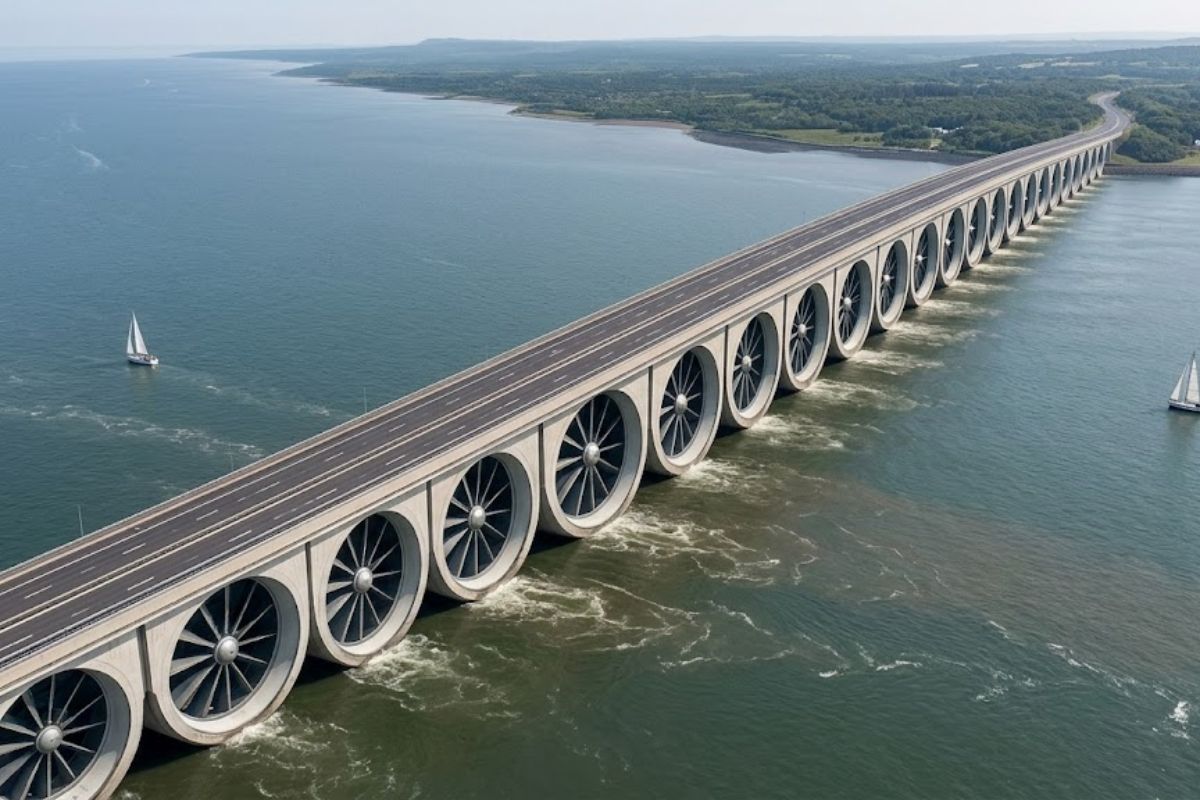
The 17 Kilometer Wall Crossing the Bristol Channel Seemed to Offer Clean, Stable, Predictable, and Lasting Energy for the United Kingdom with Scale Sufficient to Power Millions of Homes and Reduce Emissions, but the Cost of £30 Billion and the Risk to the Ecosystem Pushed the Plan into Limbo
The 17-kilometer wall proposed for the Bristol Channel seemed like the perfect answer to an energy crisis that demanded clean, predictable, and lasting energy. The idea was simple in appearance and brutal in scale: closing off part of the estuary, harnessing one of the largest tidal ranges in the world, and turning that into electricity for millions of homes.
But the same project that promised to reduce emissions for over a century carried a political, financial, and environmental price that was hard to sustain. Between the cost jump to £30 billion and the chance of damaging a delicate ecosystem, the megaproject became a classic example of when a grand solution looks right on the map but problematic in reality.
Why the Bristol Channel Seemed Like the Right Place for Such an Extreme Project
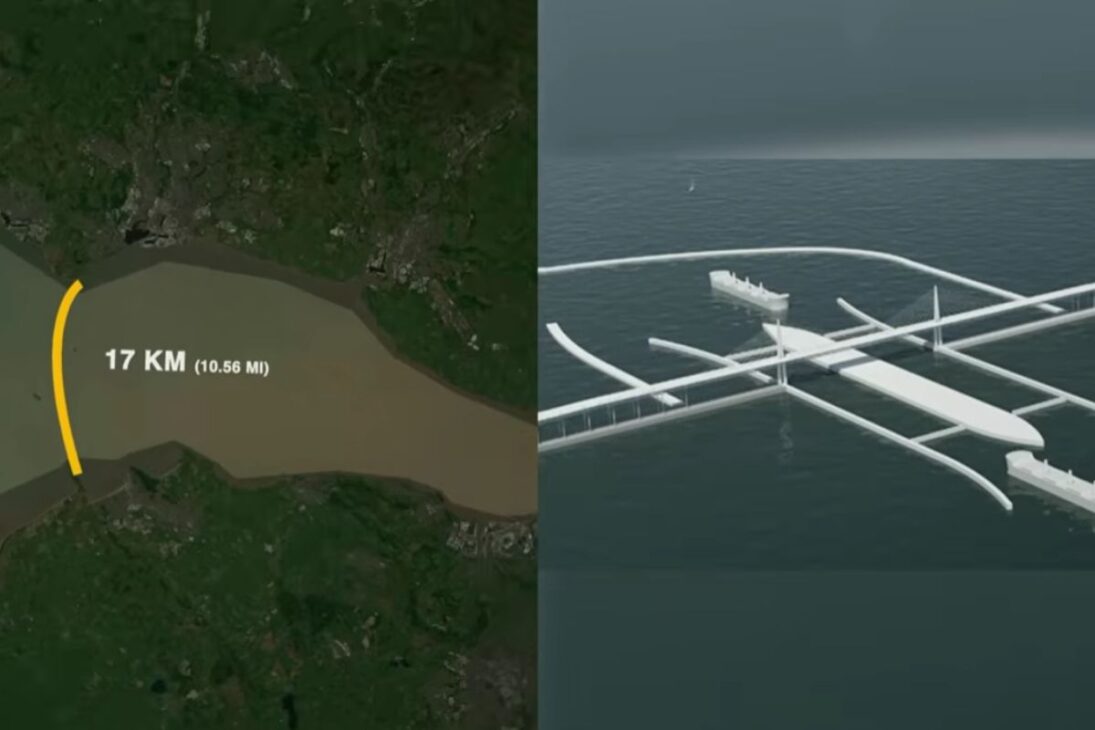
The Bristol Channel has always attracted attention for one rare physical reason: it concentrates some of the largest tidal ranges in the world. It is here that the River Severn creates the famous tidal wave that advances upstream, making a phenomenon so powerful that it has even become a surfing spot. This daily and predictable force made the estuary seem like a natural reservoir of energy yet to be harnessed.
-
The coldest seawater ever recorded in Earth’s history was hidden under extreme ice 717 million years ago and reached an impressive -15°C.

-
China has launched the world’s first floating artificial island, a scientific structure designed to face open seas, test equipment weighing hundreds of tons, and reach depths of 10,000 meters.
-
China accelerates global science and may surpass the United States in 2 years with increased public investment, continuous growth, and direct impact on the global technological competition.

-
Scientific studies indicate that drought may be strengthening a much greater silent threat: more resistant superbugs.


Since the 19th century, engineers and planners have come to see the Bristol Channel as a place where the tide could do more than just push water. In 1849, Thomas Fulljames was already talking about a dam for flood protection and the creation of a port. Later, the logic changed in scale: if the tide was predictable and powerful, it could generate clean energy on a national level, without depending on wind or sun.
The potential was impressive precisely because it combined regularity and volume. Unlike other renewables, the tide does not fluctuate due to weather conditions. It follows the gravity of the Moon, with almost mechanical predictability. For a country pressed by climate goals and energy security, this made the Bristol Channel an almost irresistible candidate.
This fascination grew even more when international comparisons entered the debate. France has operated the Rance tidal power plant since 1966, and the United Kingdom began to see the Bristol Channel as the chance to build something much larger. It would not be a local project. It would be a repositioning energy piece for all of Britain.
How the 17 Kilometer Wall Promised to Transform Tide into Clean Energy
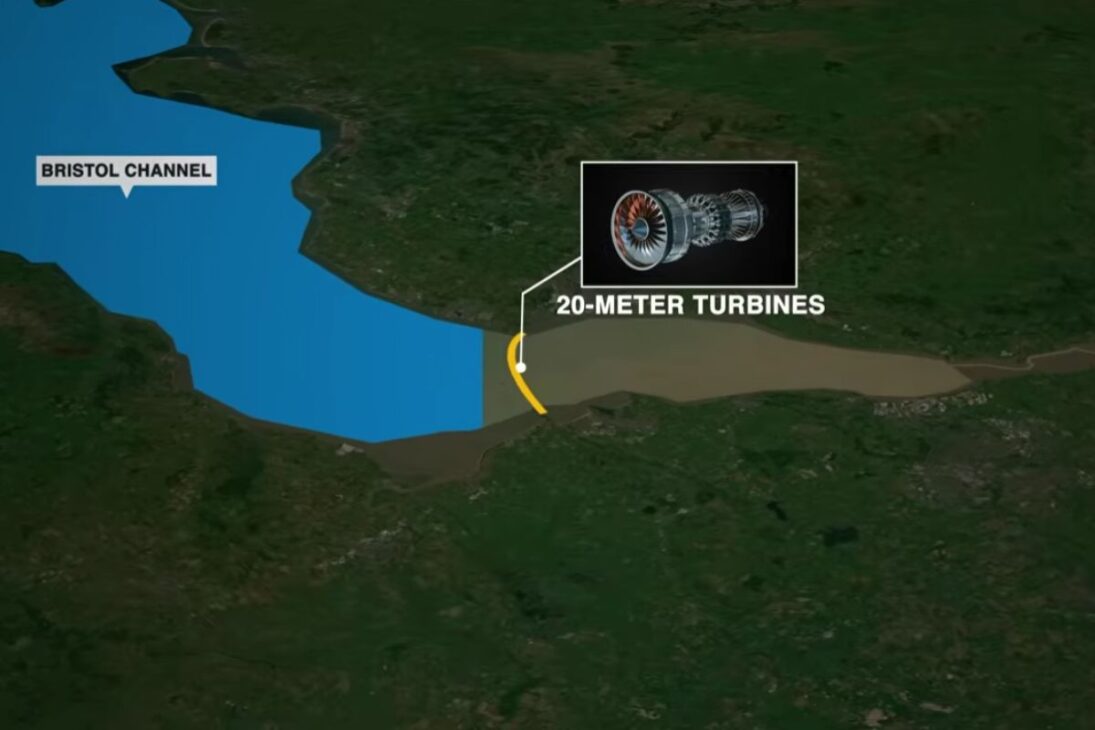
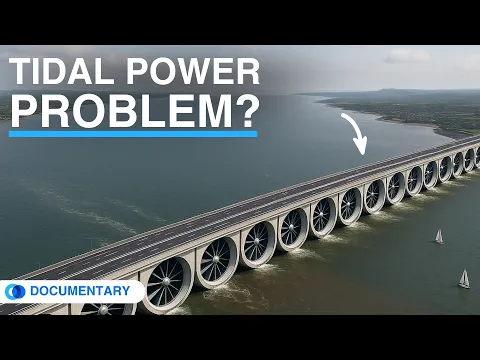
The main design called for a 17-kilometer wall between near Cardiff and Weston-super-Mare. In practice, it would be a monumental-scale barrier equipped with 216 turbines, locks for ships, and a capacity of 8,640 megawatts. This is equivalent, according to the data you provided, to something close to three nuclear power plants, with the potential to supply about 5% of Britain’s electricity.
The promise grew even bigger when looking at the timeline. The 17-kilometer wall could operate for over 120 years, reduce 18 million tons of greenhouse gases per year, and also serve as a road or railway bridge. It was the kind of project that sold not only electricity but a vision of the future based on monumental infrastructure and long-lasting energy.
This package explained the political enthusiasm the proposal gained in 2008. At that moment, the UK wanted to rapidly increase the share of renewables, which then only represented 4.5% of electricity. A project of this scale would help push the energy matrix toward a cleaner and safer direction, and the Bristol Channel seemed to offer the right resource, in the right place, with a physical asset that would last longer than several generations.
At the same time, the very argument of clean energy helped shield the project for a time. In an energy transition scenario, the dam seemed more than justifiable. The problem is that the larger the scale of the project, the greater the potential damage when engineering encroaches on a living estuary.
The Ecosystem Turned Clean Energy into a Hard Environmental Dilemma
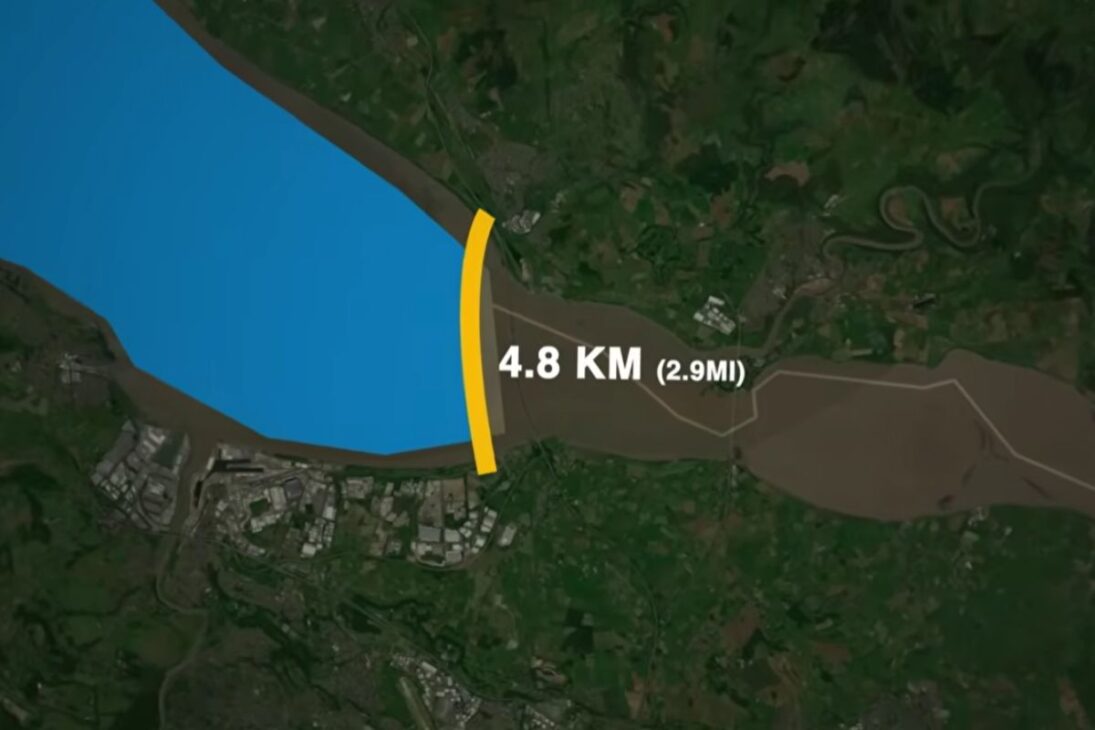
The strongest resistance to the project did not come from climate deniers or fossil fuel advocates. It came from environmentalists. One of the critics compared building the barrier to scribbling on the Mona Lisa. The image was not exaggerated in their context: the Severn estuary houses a delicate ecosystem, where tides, sediment, fish, and migratory birds depend on a balance that is difficult to reproduce artificially.
The data presented was heavy. The project could impact the habitat of 68,000 birds and tens of thousands of salmon, shad, lampreys, and sea trout. Critics argued that the ecosystem would lose up to 60% of its intertidal habitat, precisely the most important area for feeding, breeding, and movement of species. Clean energy, in this case, did not come without brutal ecological sacrifice.
The Royal Society for the Protection of Birds rejected the idea of compensating for the damage by creating sanctuaries elsewhere. The organization argued that it would be necessary to produce at least three times the lost area to try to preserve the birds’ adherence to the new arrangement, something that was already born with low confidence. And there was bad precedent: at the Rance power plant in France, several species that were once abundant virtually disappeared after construction.
Even the climate argument did not sufficiently resolve the impasse. The construction itself would emit about 10 million tons of carbon during the build, according to the data. This created an uncomfortable paradox: how to defend clean energy when the immediate cost would be to harm a protected ecosystem and generate an initial mountain of emissions? The project came to symbolize the classic conflict between broad climate benefits and local environmental destruction.
£30 Billion, Financial Crisis, and the Time When the Project Lost Support

The cost had always been a problem, but it became less abstract when the bill rose. The feasibility study commissioned in 2008 estimated around £15 billion. Soon after, the heaviest estimate was nearing £30 billion, a figure that became politically toxic at a time of global crisis. After the financial collapse of 2008, seeking public investment at this scale became much harder to sustain.
Private financing also did not take off. The logic of the problem is simple: tidal energy can pay off in the long run, but it requires rare patience. A 2019 study cited in the data placed the cost of tidal electricity between 130 and 280 per megawatt-hour, compared to 20 for wind, 22 to 50 for solar, and 120 to 190 for nuclear. The 17-kilometer wall had historical and symbolic appeal, but from a financial viewpoint, it seemed too heavy and too slow for the expected return.
When the feasibility report was closed in 2010, the government concluded there was not enough strategic justification to proceed. Instead of spending the equivalent of £30 billion on a barrier that would deliver something close to three nuclear plants in output, it preferred to aim for eight nuclear plants. The main project died, and even smaller options or tidal lagoons collided with doubts about cost, public value, and environmental benefit.
Even so, the topic never completely disappeared. In 2022, amid the war in Ukraine, energy crisis, and the growing need for electrical independence, the discussion returned. In 2025, after hearing from over 500 experts, the Severn Estuary Commission concluded that the government should act but recommended a lagoon instead of the complete dam. In other words, the UK did not abandon the tide; it abandoned, at least for now, the 17-kilometer wall as a central solution.
The 17-kilometer wall in the Bristol Channel promised clean energy for millions, a lifespan of over a century, and a historically scaled response to the UK’s energy transition. But the weight of £30 billion and the threat to the ecosystem turned the idea into a dilemma too difficult even for a country that urgently needs new sources of electricity.
In your reading, did the UK make a mistake by abandoning the project or did it avoid trading a grand climate solution for irreversible local destruction?









-

-

-

6 pessoas reagiram a isso.