





 Portuguese
  English
  Spanish
  3 min of reading
  2 comments


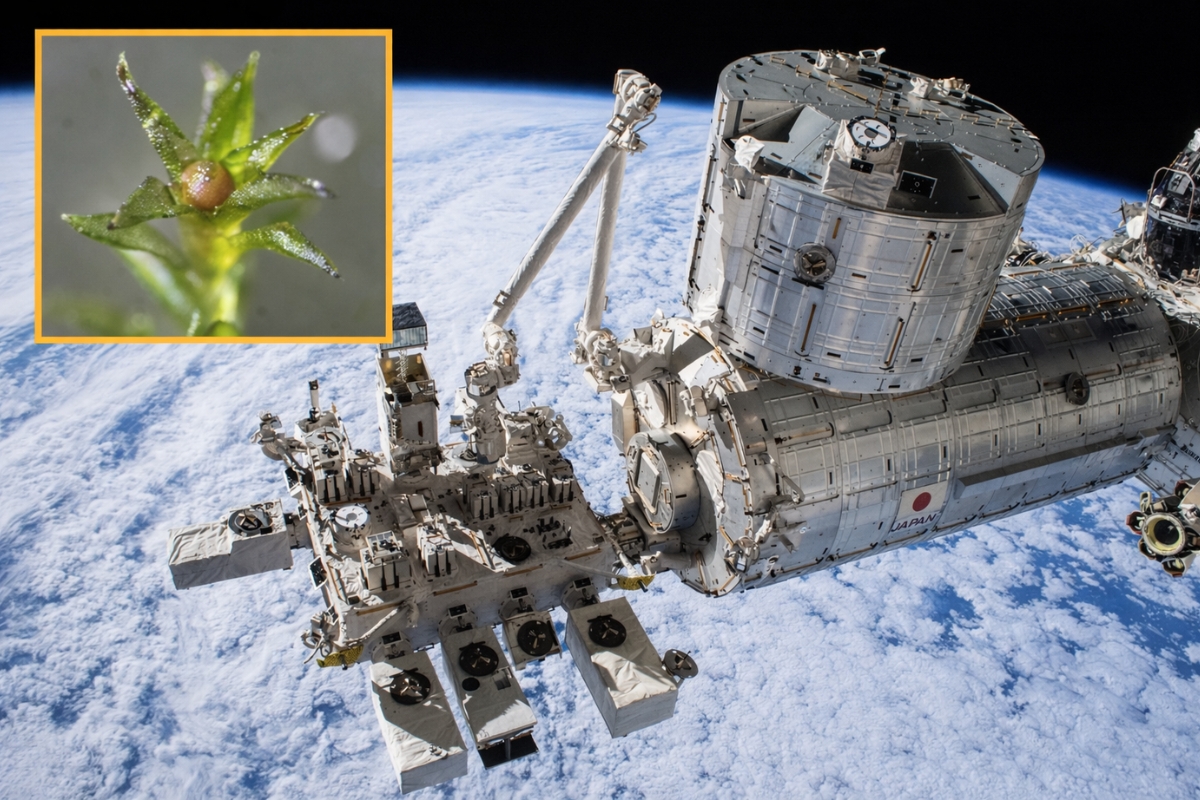


The Moss P. patens Survived Nine Months Outside the ISS and Over 80% of the Spores Germinated on Earth, Revealing Extreme Resistance That Could Help Create Ecosystems Beyond Our Planet
An international group of biologists achieved something unexpected by placing moss samples on the exterior of the International Space Station for nearly a year. The spores were exposed to the vacuum of space, ultraviolet radiation, and extreme temperature variations, conditions that typically destroy most forms of terrestrial life quickly.
Even so, when they returned to Earth, more than 80 percent of them continued to reproduce normally, a result that opens new doors to understanding how simple organisms withstand extreme environments beyond our planet.
The discovery, published in the journal iScience, reinforces the idea that certain primitive plants possess surprisingly robust defense mechanisms, capable of resisting physical and chemical assaults similar to those in deep space.
-
Technology developed to protect military communications in the 1940s scrambled voices and today gives rise to the robotic sound that dominates current music.

-
If you look at the sky this Wednesday, you will see the Pink Moon shining at its peak at 10:11 PM, but before you get disappointed, know that the name has nothing to do with the color and instead refers to flowers that bloom at this time in the United States.

-
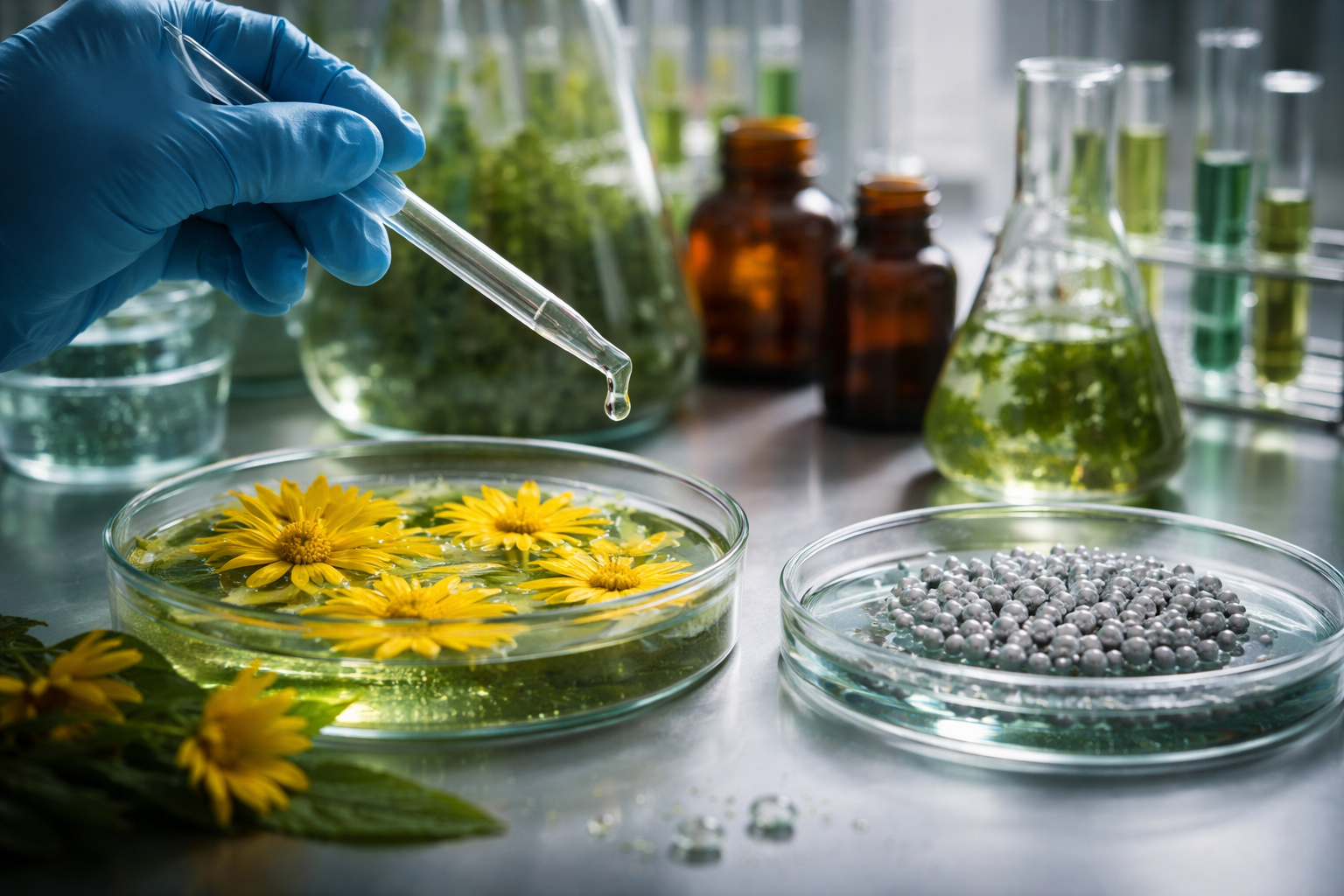
Discovery at USP reveals how Brazilian arnica can revolutionize the production of silver nanoparticles with less environmental impact.
-
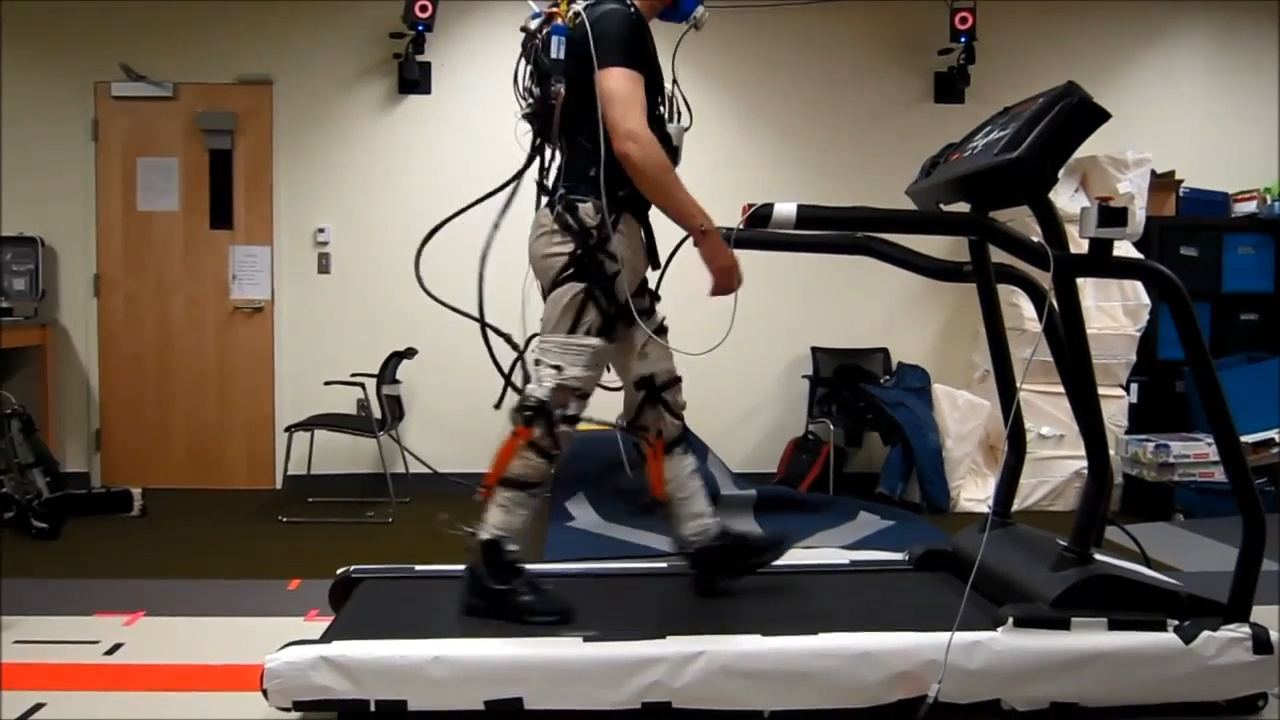
Harvard scientists have created a tissue exoskeleton that does not look like an exoskeleton, with no rigid parts and reduced weight, using flexible cables and miniaturized motors to assist the ankle and hip, reducing the effort of walking by up to 23% in controlled tests.

According to the researchers, this resistance may have been decisive in the first millions of years of terrestrial life, when plants began to occupy arid, cold environments fully exposed to solar radiation.
Why This Moss Is So Resistant

The experiment used Physcomitrium patens, a moss species known for thriving where other plants cannot survive, from the frozen peaks of the Himalayas to extremely hot and dry areas like Death Valley in California.
To understand how it behaves under extreme conditions, scientists analyzed different types of moss cells before sending it into space, focusing especially on the sporophytes, structures that house the reproductive spores.
Initial tests in the lab had already shown that sporophytes better withstand ultraviolet radiation, intense cold, and extreme heat. Therefore, the group decided to place them on an external platform installed in the Japanese Kibo module of the ISS. There, the samples remained for nine months directly exposed to the space environment, without any additional protection.
When they returned to Earth, the results surprised even the most experienced researchers. According to Tomomichi Fujita, a plant biology professor at Hokkaido University and the lead author of the study, most of the spores germinated normally.
Based on this data, his team developed a model suggesting that these spores could survive in space for up to 5600 days, equivalent to about 15 years.
What the Results Mean for Space Biology
After analyzing the samples, the scientists concluded that factors such as microgravity, lack of atmospheric pressure, and violent temperature changes had a limited impact on the moss.
The only truly harmful element was direct exposure to certain ranges of ultraviolet light, which significantly reduced the amount of essential pigments for photosynthesis, such as chlorophyll a. Even so, even the samples affected by radiation managed to recover and grow again under controlled conditions.
This level of resistance surpasses that observed in other plants subjected to space testing. For Fujita, the secret lies in the thick and spongy layer that surrounds the spores, acting as a natural shield against dehydration and radiation. According to him, this feature likely emerged very early in the evolution of terrestrial plants and may have been essential for the first mosses to occupy extreme environments.
Although the experiment focused on a single species, the results pave the way for even broader studies. If such simple organisms can withstand extreme conditions beyond Earth, it is possible to imagine more ambitious biological projects in space stations, lunar bases, or even future missions to Mars.
For the study authors, the performance of the moss represents a concrete first step toward creating resilient small ecosystems capable of functioning beyond our planet.





Creio que houve algum equívoco de digitação.. esporas é o objeto metálico, creio que o autor tentou dizer esporo
Proponho a seguinte analogia. Sem pesquisas de carapaça de besouros, foi possivel rever a forma construtiva de blindagens de tanques, talvez este revestimento dos esporos, possa servir para construção de revestimentos externos de trajes e módulos especiais.