





 Portuguese
  English
  Spanish
  6 min of reading
  0 comments


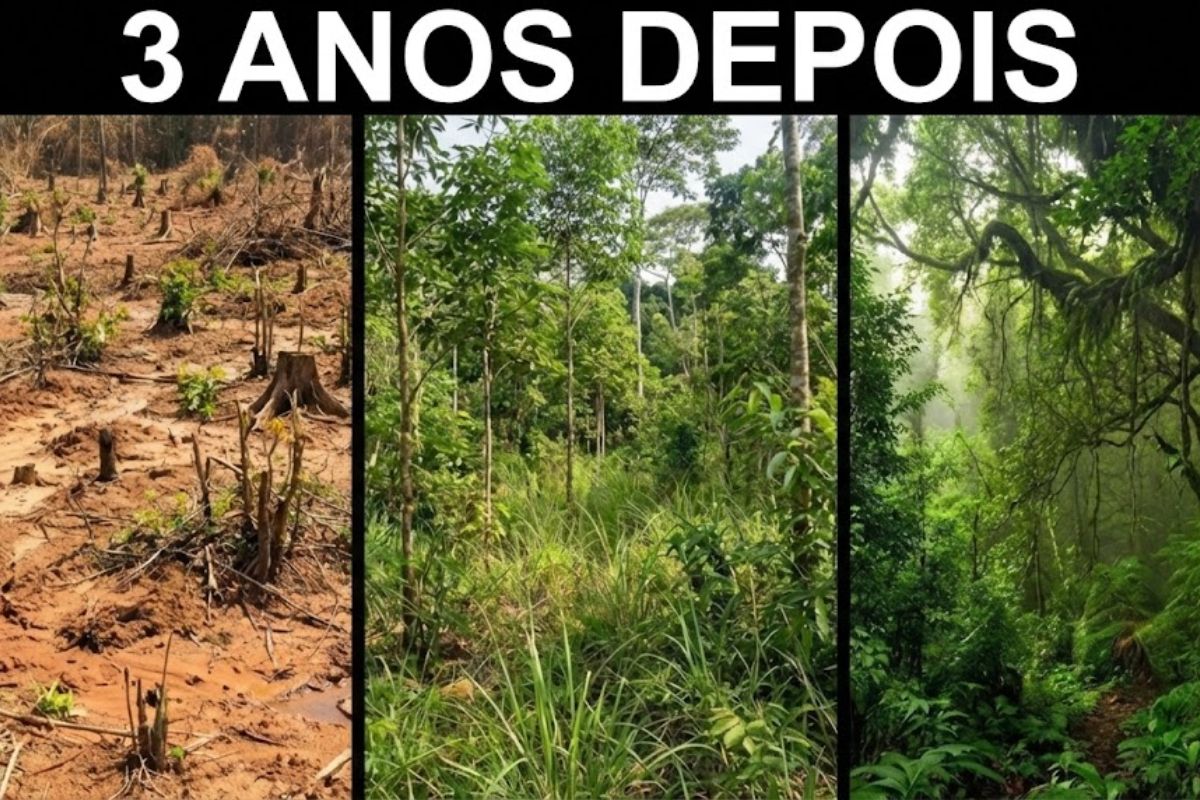
When Taking Control From Corporations And Returning The Forest To Those Who Live In It, Gabon Triggered A Rare Turn In The Congo Basin. Concessions Fragmented Habitats And Accelerated Tree Loss. With Community Autonomy, Deforestation Falls, Biodiversity Is Maintained, Carbon Is Trapped And Donors Redirect Billions With Verified Data Now.
In Gabon, the forest has ceased to be managed as an industrial asset and has come to be treated as a living territory, with indigenous and local communities in charge of decision-making. The result has become a shock to traditional conservation: deforestation plummeting, wildlife responding, and carbon remaining trapped in trees.
What seemed “radical” began to sound logical when the numbers came into play. Where communities have autonomy and rights over the land, biodiversity is sustained, regeneration happens more strongly, and short-term extraction gives way to decisions made for children and grandchildren.
The Forest That Shapes The Heart Of Central Africa

The Congo Basin extends over more than 200 million hectares and occupies the center of six countries: the Democratic Republic of Congo, the Republic of Congo, Gabon, Cameroon, the Central African Republic, and Equatorial Guinea. It is the second largest tropical forest on Earth, surpassed only by the Amazon, and is vital for the planet’s climate.
-
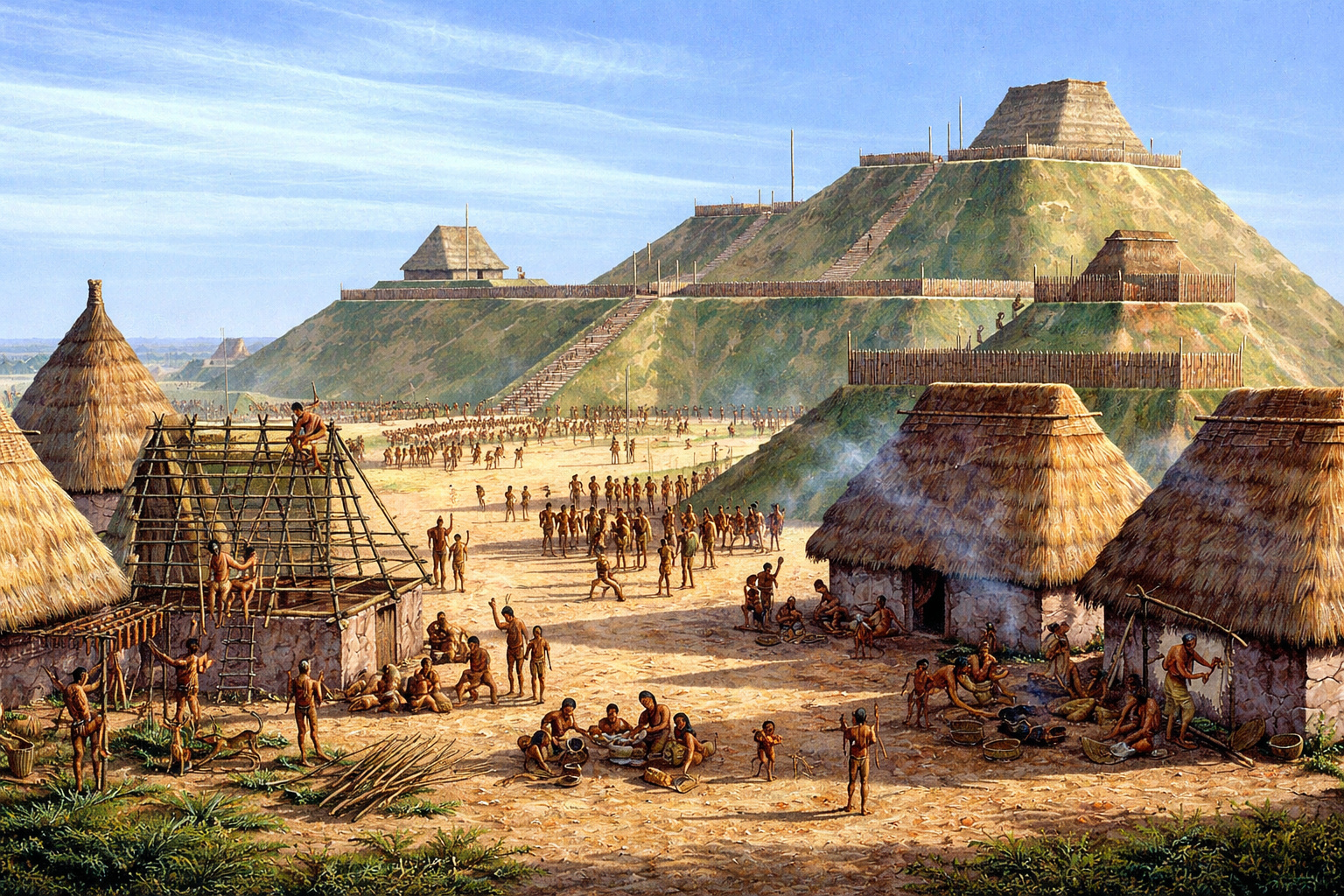
With over 14 million baskets of earth moved, an ancient North American metropolis built a monumental pyramid of 30 meters and established a city with 20,000 inhabitants nearly a thousand years ago.
-
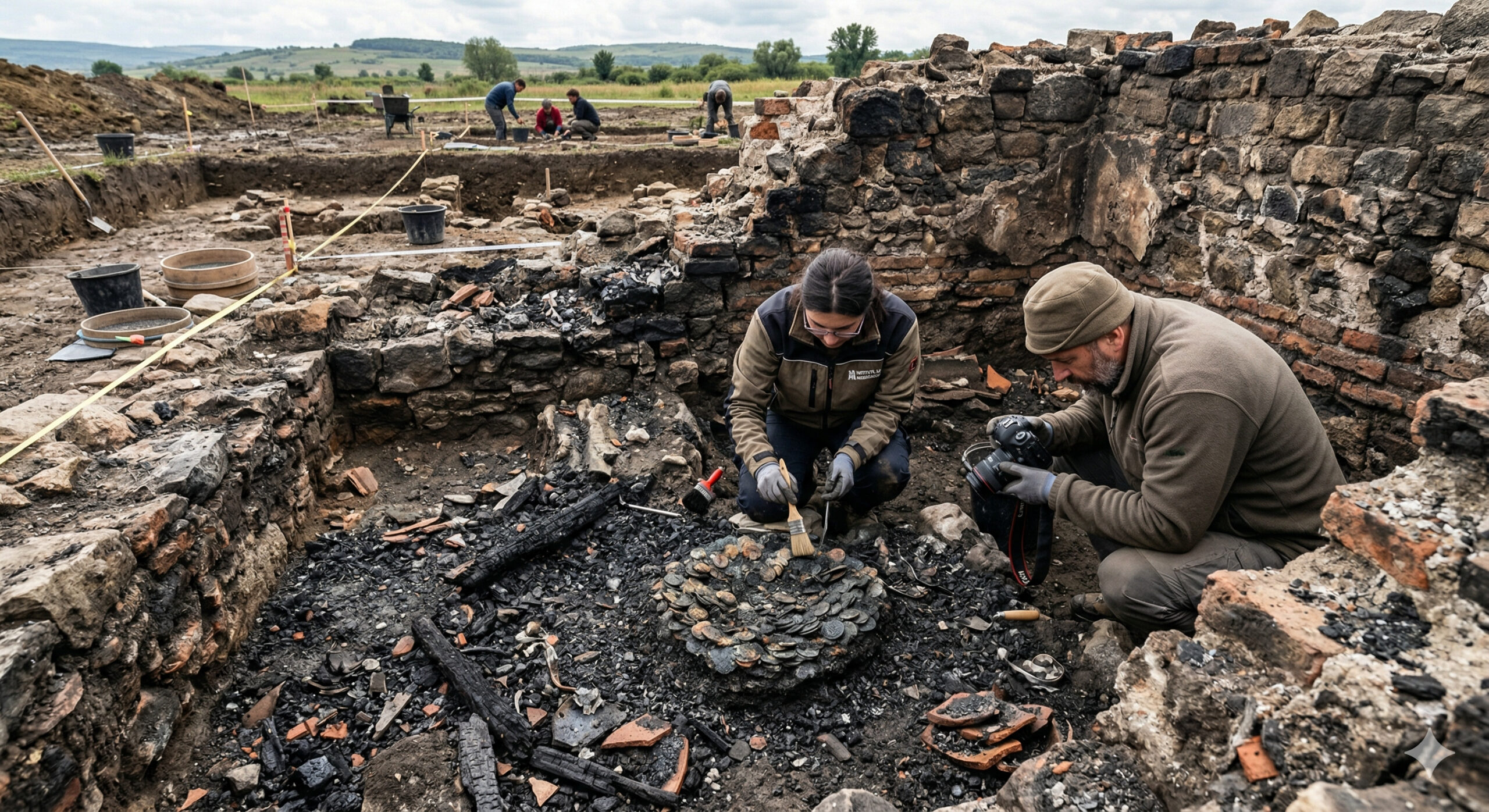
A 1,900-year-old treasure emerges from a Roman house destroyed by fire and sealed since antiquity in Romania, with coins and metals fused among the ashes.
-
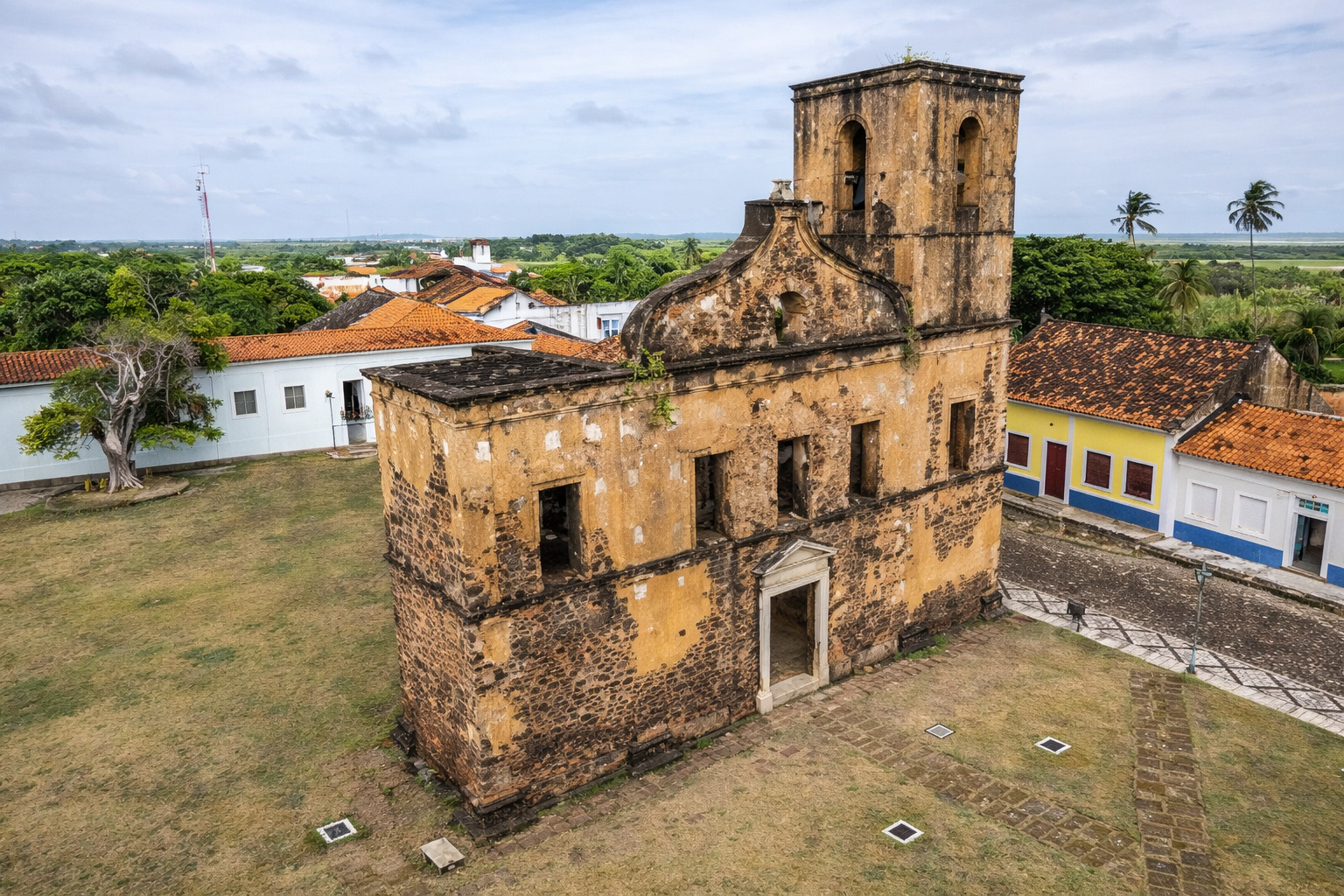
The Brazilian colonial city that stopped in time and shares territory with a rocket launch base.
-
79-year-old woman challenges limits, visits 193 countries in the world after 56 years of planning and reveals the behind-the-scenes of a global journey that few have managed to accomplish.


Within this forest, the scale of life is impressive. Botanists have cataloged more than 10,000 plant species, many of which are unique to the region.
Giant trees, lianas, and palms form a layered canopy that blocks light on the ground, where rare orchids and medicinal herbs thrive.
In terms of avifauna, more than 1,000 species have been recorded, from striking birds like the African grey parrot to elusive species whose confirmation took decades.
And wildlife is not a footnote. The region is home to more than 100,000 western lowland gorillas, in addition to forest elephants and bonobos, with most of the global total of these bonobos concentrated in the basin. Each hectare functions as a web, with ecological relationships that sustain cycles of regeneration year after year.
When The Forest Becomes A Concession, The Damage Comes In Network
For decades, the dominant model bet that corporations and “industrial experience” would protect the forest better than those who live in it. In practice, the system operated on concessions leased by contracts that usually last from 5 to 25 years, with the logic of extracting, maximizing return, and moving on when valuable wood is depleted.
This mechanism creates cascading effects. Companies open roads that cut through the rainforest, fragmenting previously continuous habitats and increasing access for heavy machinery, illegal hunting, and irregular settlement. Satellite images over two decades show a pattern: concession granted, road network grows, and the loss of tree cover accelerates. The scars are visible from space, in grids and strips of deforested land radiating from central camps. For the forest, 20 years of contract is a blink of an eye.
The described balance is a patchwork of degraded forest, with profits flowing to distant shareholders and the costs left for those who live nearby: ecosystem decline, reduced wildlife, and loss of traditional means of livelihood.
The Data That Destroys The Myth Of Corporate Management
A global pattern emerges strongly: although indigenous peoples and local communities control only a quarter of the Earth’s surface, it is estimated that their territories harbor about 80% of the planet’s remaining biodiversity. That is, biodiversity thrives where the land is in the right hands.
And it is not just rhetoric. A meta-analysis from 2019 is cited as evidence that forests under community control have deforestation rates two to three times lower than comparable areas managed by governments or corporations. Satellite data also reinforces slower forest loss and greater natural regeneration in community territories.
Carbon Trapped In The Forest: The Piece That Affects The Climate

The impact goes beyond “having more animals and plants.” Forests managed by indigenous and local communities store 36% more carbon per hectare than other forests, according to research cited in Nature Climate Change. Globally, these forests hold nearly 300 billion tons of carbon, approximately a quarter of all carbon stored in the world’s forests.
This is where Gabon becomes a symbol. By delivering the forest to the indigenous Massaha and local communities, the country keeps carbon trapped in trees on a massive scale, affecting the pillars of the traditional conservation model. This is not green marketing, it is climate accounting.

Gabon And The Community Turnaround That Began To Materialize
The case of Gabon appears as a recent experiment showing what happens when autonomy stops being a promise and becomes practice. In 2023, the Masaha community, with support from local NGOs and ministries, established the country’s first experimental area managed directly by residents. The process began with participatory mapping and data collection, went through ministerial review, and resulted in a management plan prioritizing biodiversity and local livelihoods.
Initial monitoring indicates high carbon storage. Biomass measurements in Masaha are cited as 170 metric tons of carbon per hectare, at a level comparable to formally protected areas. The forest did not remain “loose”. It has rules, measurement, and oversight by those who depend on it.
Community Versus Industry: Numbers That Expose Cost And Result
When comparing performance, community management appears competitive and often superior to the industrial model.
In the Democratic Republic of Congo, community forests recorded a loss of 6.12% in tree cover from 2015 to 2024, while corporate concessions lost 6.64% in the same period. Protected areas had the best performance, but the difference between community and industry is presented as significant, especially considering the size of investment in each model.
The cost reveals the turnaround. A cited analysis from the World Bank indicates that community-led models can protect one hectare of tropical forest for just US$ 1 to US$ 3 per year. Corporate and government programs often spend 5 to 10 times more and still have higher deforestation rates. The point is not to spend less, but to align incentives.
The Forest At The Center Of The New Route For Money
International funding has begun to follow the results. In 2020, less than one-fifth of donor money supported community-led projects. By 2024, this share rose to nearly one-third of an annual budget of US$ 3 billion for conservation in the Congo Basin, driven by monitored and verified data from the field and space.
Commitments such as the Central African Forest Initiative and donations from the Bezos Earth Fund are cited as prioritizing models where communities enter as decision-makers. Audits require that every dollar generates measurable impact, and community forests have been meeting these parameters.
Legal Recognition And Technology: The Forest Under Daily Defense
The transformation is not limited to climate rhetoric. Legal recognition for community management is gaining ground in the Congo Basin. In Gabon, policies have begun to recognize ancestral claims and pave the way for long-term rights over traditional territories. By 2024, almost a quarter of the basin’s forests had some form of community recognition, up from 10% less than a decade earlier.
The process involves participatory mapping with GPS, creating digital records capable of resisting judicial scrutiny and reducing overlap with concessions and illegal logging. The youth are at the forefront, with brigades using smartphones and satellite connectivity to monitor large tracts of forest, document illegal activities, and send real-time alerts to local authorities. Tradition and technology have become a warfare duo for the forest.
What Is At Stake If The Forest Loses The Dispute
The Congo Basin concentrates 70% of the remaining forests in Africa and sustains species that depend on intact habitats, such as forest elephants and bonobos, in addition to vast populations of gorillas. A choice between evidence and tradition disguised as progress, with a phrase that summarizes the tension: forests are watching, and the question is whether we are listening.
If community management expands across half of the basin, about 100 million hectares, the region could secure an additional 2.5 billion tons of carbon, based on satellite data and economic modeling anchored in the real performance of community forests. The forest ceases to be just a landscape and becomes climate infrastructure.
Do you believe that Gabon's model, with the forest in the hands of indigenous communities, should become the rule in the world or will it still be treated as an exception?








-

-

-

4 pessoas reagiram a isso.