





 Portuguese
  English
  Spanish
  3 min of reading
  0 comments


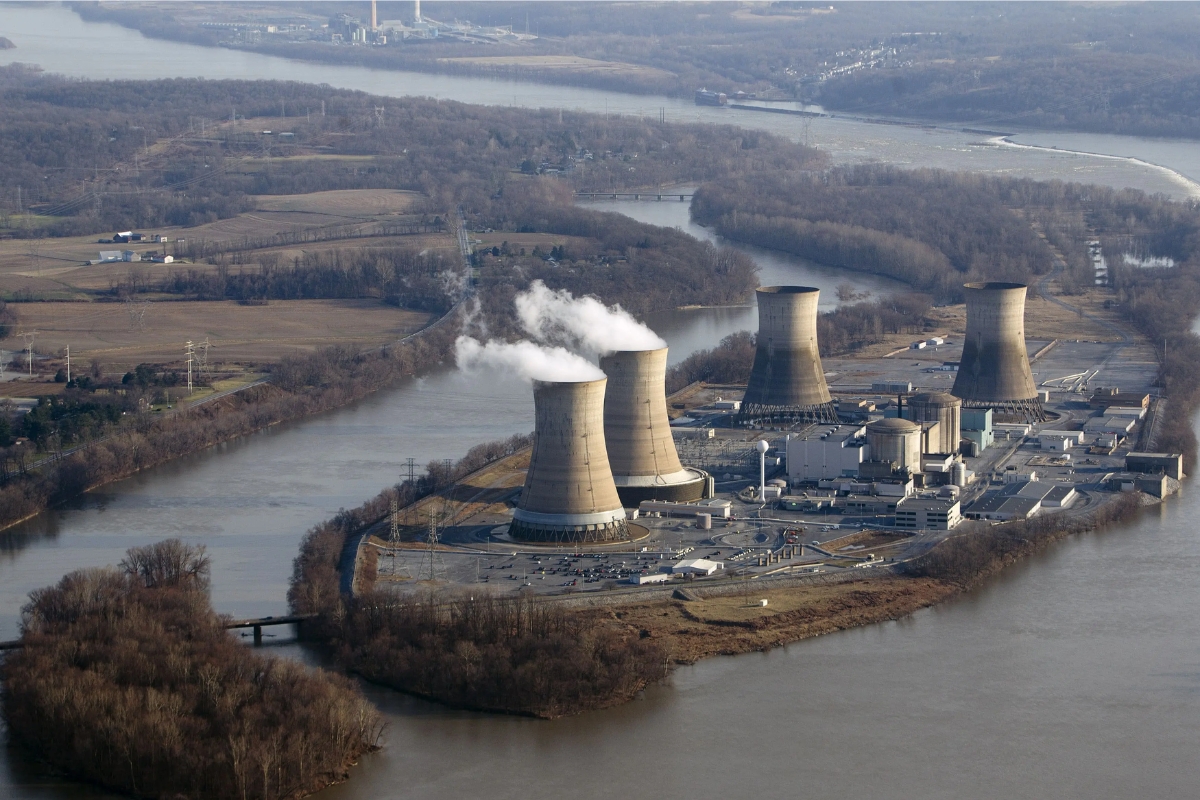
Movement Involves Nuclear Plant and May Strengthen the Argentine Electric System in a Context of Competition for Influence and Strategic Infrastructure in South America
Russia has put Argentina on the radar to advance with a high-tech nuclear plant aimed at the country’s electric system.
The proposal arises amid a context where energy has become a central piece of power, dependence, and long-term planning, directly impacting supply stability.
In practice, the project was presented as a way to reduce blackouts and strengthen the grid, with a cooperation model that involves technology, financing, and ongoing support.
-
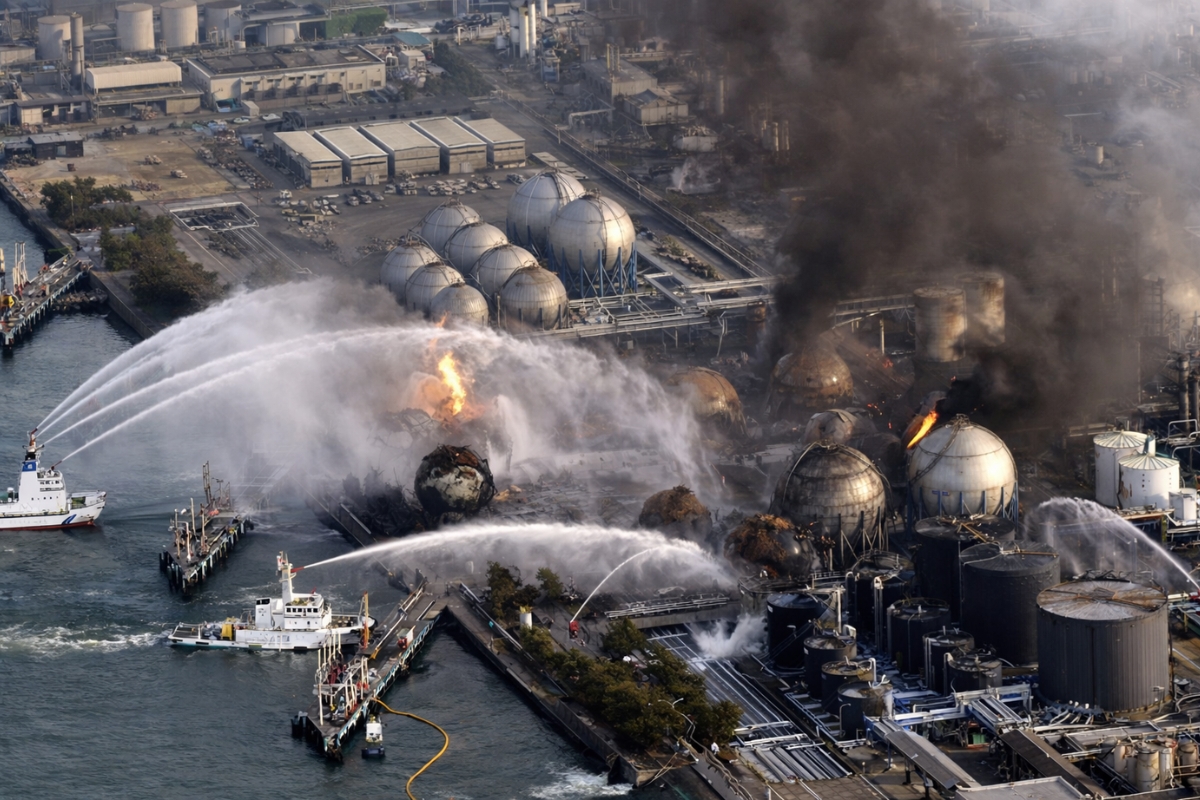
Fukushima Marks A Turning Point In Japan’s Energy Policy: After The Disaster, The Country Shut Down Its 54 Nuclear Reactors And, 15 Years Later, Only A Small Portion Have Returned To Operation
-
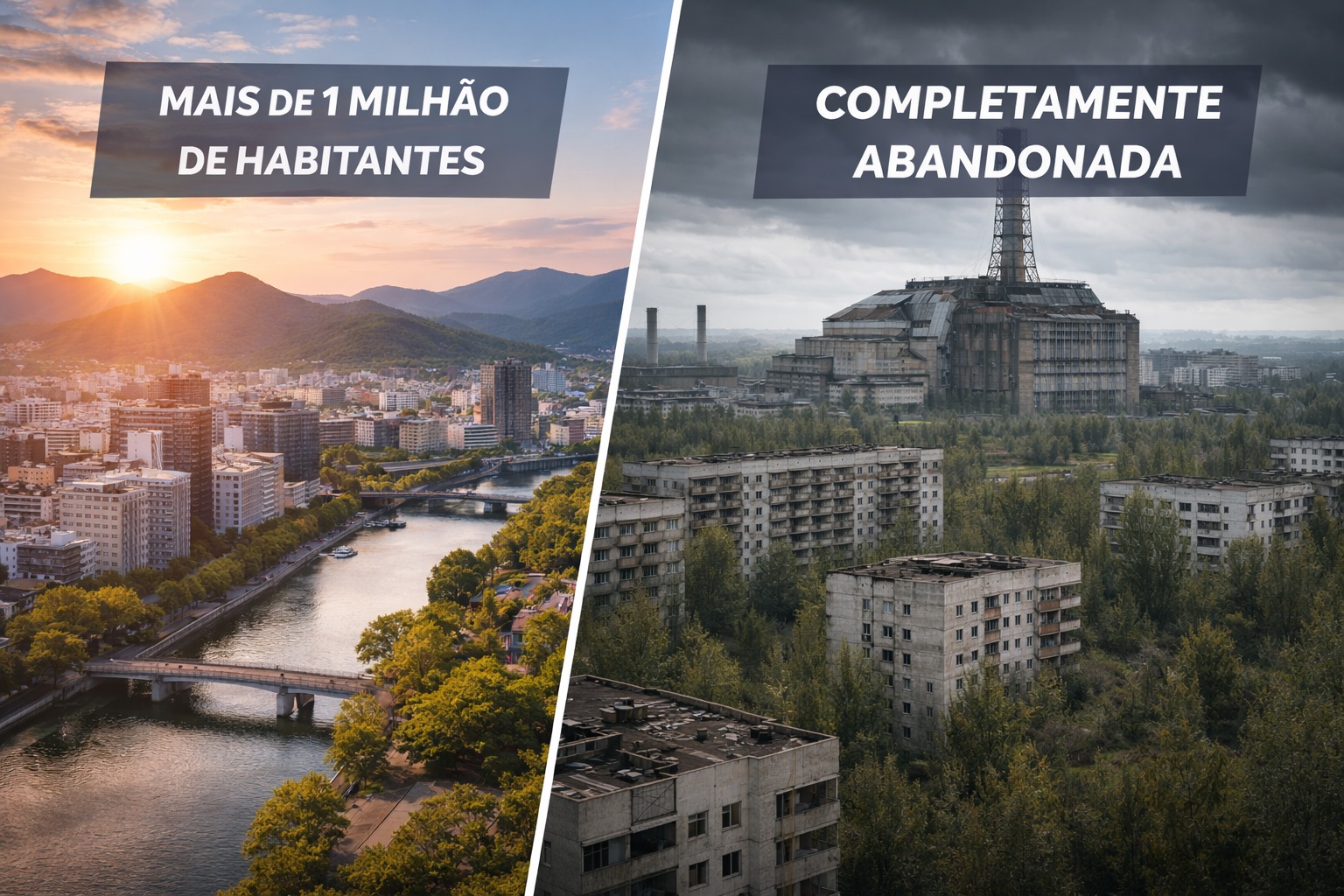
How Japan Overcame The Nuclear Bomb And Now Houses Millions In Hiroshima, While Ukraine Lost Chernobyl?
-
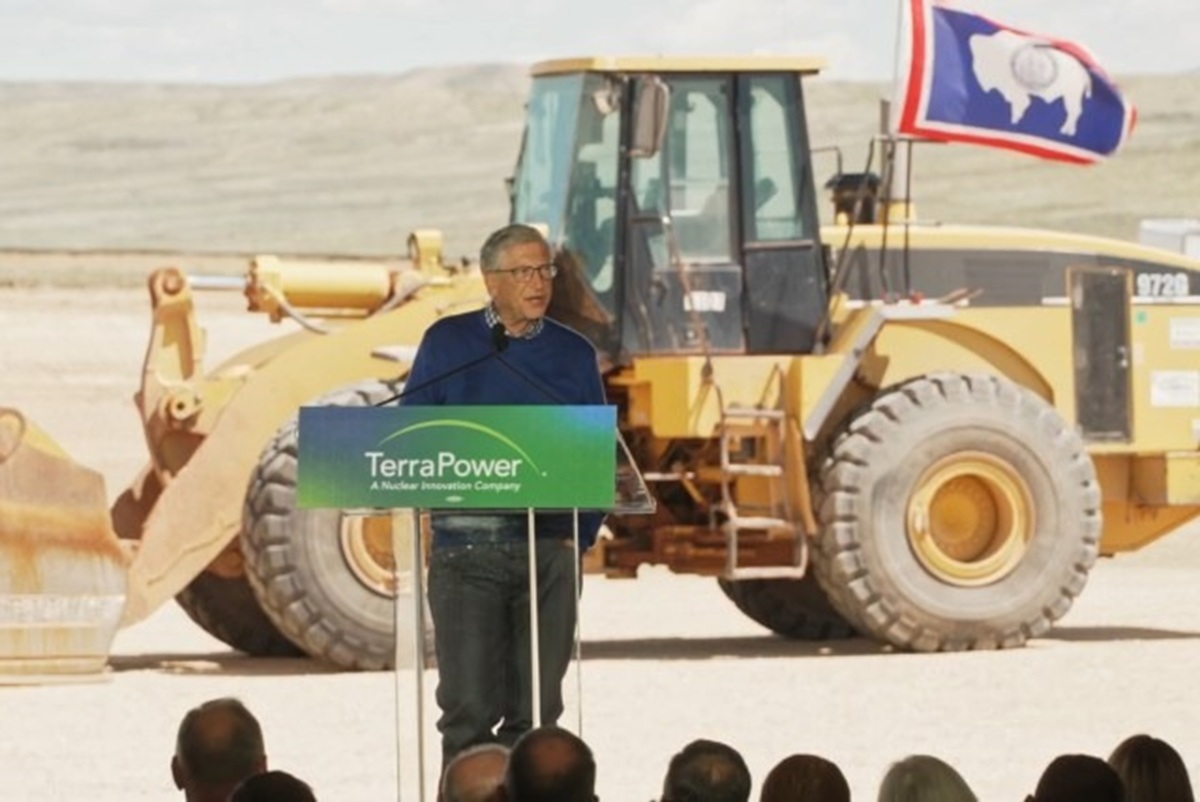
Bill Gates Receives Historic Approval to Build Giant 345 MW Nuclear Plant in the U.S. and Promises to Generate Up to 500 MW of Energy with Innovative Technology
-
India Opens Nuclear Energy to Private Capital to Accelerate Projects and Attract Billions, While Brazil Remains Stalled at Angra 3 and Discusses Who Will Foot the Bill for Completion
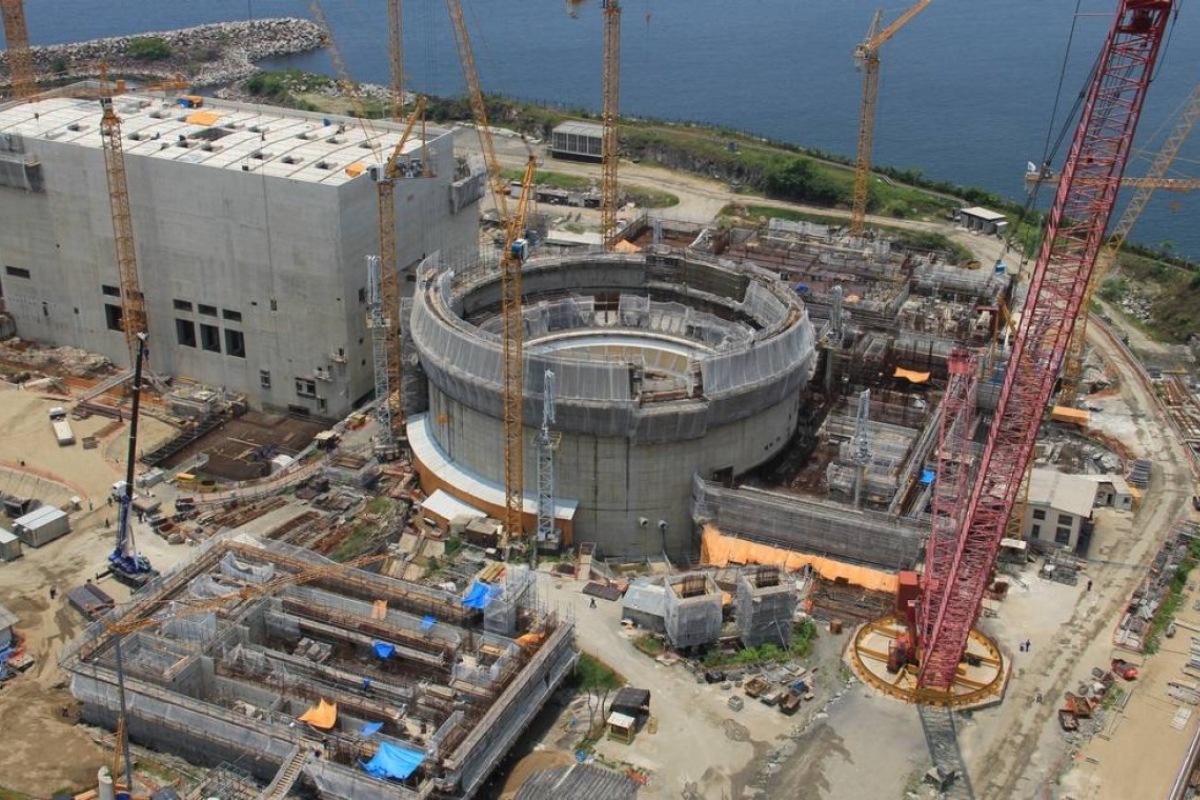

What Happened and Why It Caught Attention
The report Global Reach, titled The Kremlin’s Playbook in Latin America, cites Argentina as one of the points of greatest Russian strategic interest in the region.
Attention focused on the possibility of financing and building a nuclear power plant aimed at strengthening the electric system and addressing interruptions affecting large areas of the country.
The topic gained traction for involving critical infrastructure and long-term decisions, with direct effects on energy security.
The Nuclear Plant Proposal and Its Impact on Energy
The idea put on the table was the construction of a reactor with approximately 1,200 megawatts, designed to increase generation capacity and sustain the electric grid.
The project was associated with a VVER 1200 model, presented as an alternative to diversify the energy matrix and strengthen the autonomy of the Argentine electric sector.
In addition to generation, this type of structure typically requires ongoing technical support, which enhances the strategic weight of the agreement.
How This Negotiation Began in April 2015
The beginning of the story dates back to April 2015, during a visit by Cristina Fernández de Kirchner to Moscow.
At the time, Vladimir Putin proposed advancing with the state-owned Rosatom in the design of the reactor and the format of cooperation.
The plan placed energy at the center of the bilateral agenda, connecting infrastructure and political influence.
Why South America Became a Focus for Russia
Even without full realization of the project, the signal was clear: Russia sought to position itself as a structural partner in a sensitive sector.
The interest in nuclear energy involves long-term dependencies such as fuel, maintenance, parts, training, and financing arrangements.
The scenario of sanctions following the war in Ukraine also increased the significance of South America as a space for economic and diplomatic relations.
What May Happen From Now On
Talks between Rosatom and Argentina continue in the realm of cooperation in the nuclear cycle, with special attention to the issue of fuel.
There is an expectation of possible agreements by the end of 2025, keeping the topic active on the agenda.
From there, the unfolding depends on political evolution and the technical terms that support a project of this magnitude.
Other Points in the Region Where Russia Seeks Space
Activity is not limited to Argentina. In Venezuela, Russia maintains energy alliances in the oil sector, even under sanctions.
In Bolivia, Rosatom is progressing with a nuclear research center in El Alto, focusing on medicine and technology.
In Brazil, the cited interest involves fertilizers, while Panama appears as a sensitive point due to financial issues.
The potential construction of a nuclear power plant in Argentina, with a 1,200-megawatt reactor, demonstrates how energy and geopolitics go hand in hand in South America.
If there is progress, the most direct impact is likely to fall on the generation capacity and the goal of reducing energy cuts, while the strategic importance of long-term partnerships in the sector grows.







-

-

-

4 pessoas reagiram a isso.