





 Portuguese
  English
  Spanish
  4 min of reading
  1 comment


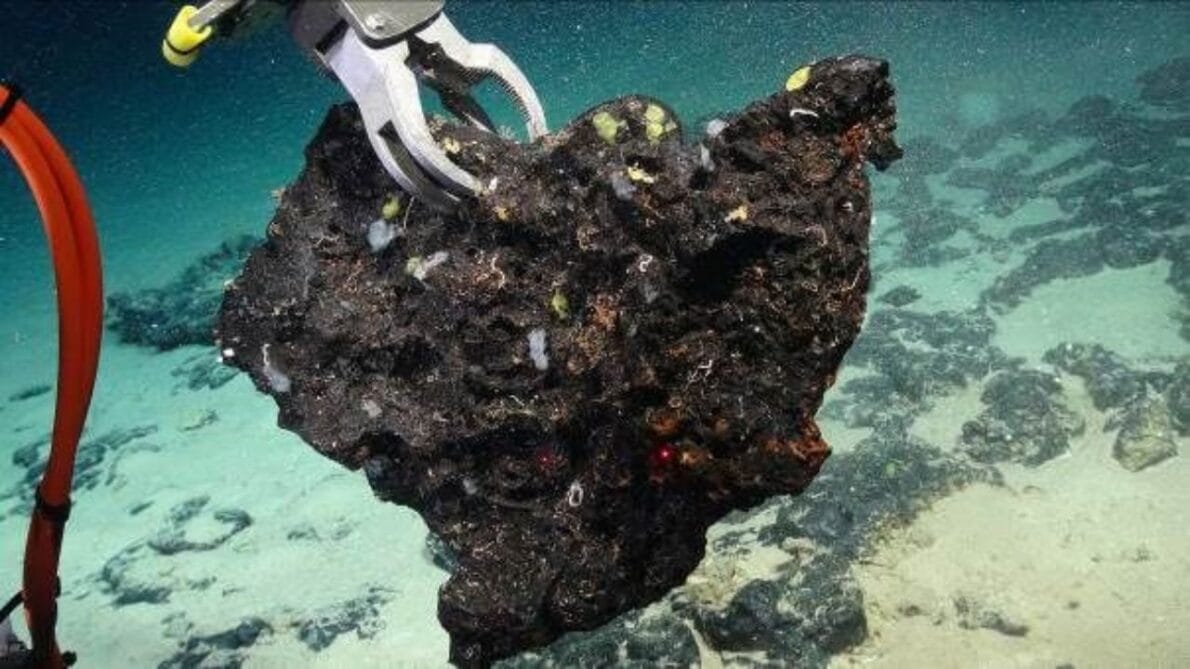


Researchers From The University Of Tokyo And The Nippon Foundation Found 610,000 Tons Of Cobalt And 740,000 Tons Of Nickel, Ensuring Their Supply Of These Metals For The Rest Of The Century And Part Of The Next
Japan has discovered thousands of tons of cobalt and nickel, ensuring its supply of these metals for the rest of the century and part of the next. These metals are strategic raw materials, essential for the manufacture of electric car batteries, cell phones, and other electronic devices. Therefore, having reserves is crucial to participating in the mining market. The Japanese discovery challenges China, the dominant country in this sector.
Researchers From The University Of Tokyo And The Nippon Foundation Found 610,000 Tons Of Cobalt And 740,000 Tons Of Nickel, Enough To Meet Their Needs For The Next 90 Years, Respectively, as they announced a few weeks ago. The task force explored the seabed of the Pacific, specifically an island located about 2,000 kilometers from Tokyo, belonging to the country’s exclusive economic zone.
Deep-Sea Mineral Exploration
The counted tons are those that are estimated to be economically exploitable, the reserves. However, the amount of polymetallic nodules is larger, about 230 million tons, from which cobalt and nickel are extracted.
-
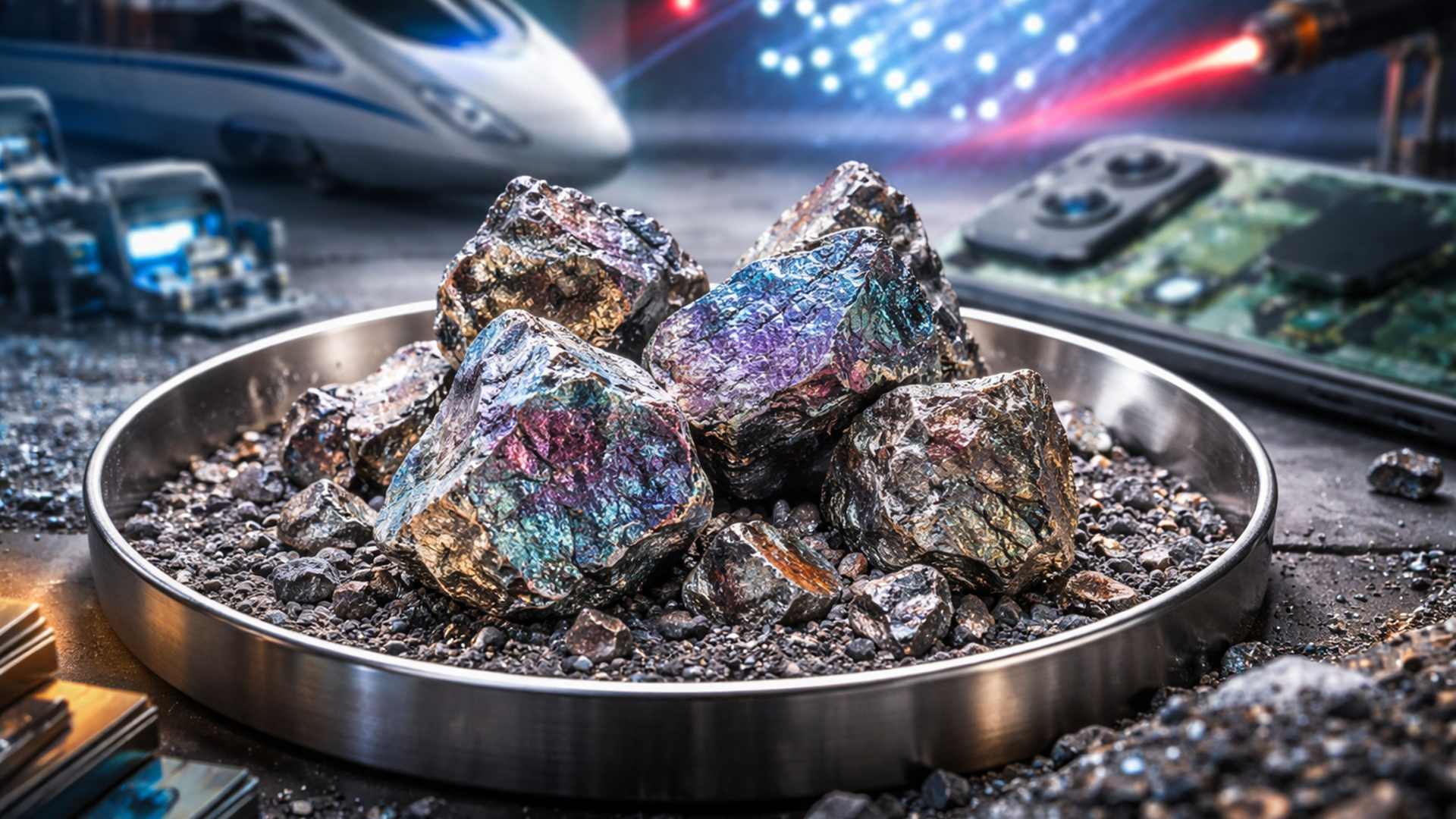
Rare earths are in everything, from cell phones to bullet trains, and what almost no one realizes is why they have become the target of such a delicate global war.
-
Historic bankruptcy of Centauro shocks the market, and the century-old company puts more than 500,000 products, machines, and complete infrastructure up for online auction.

-
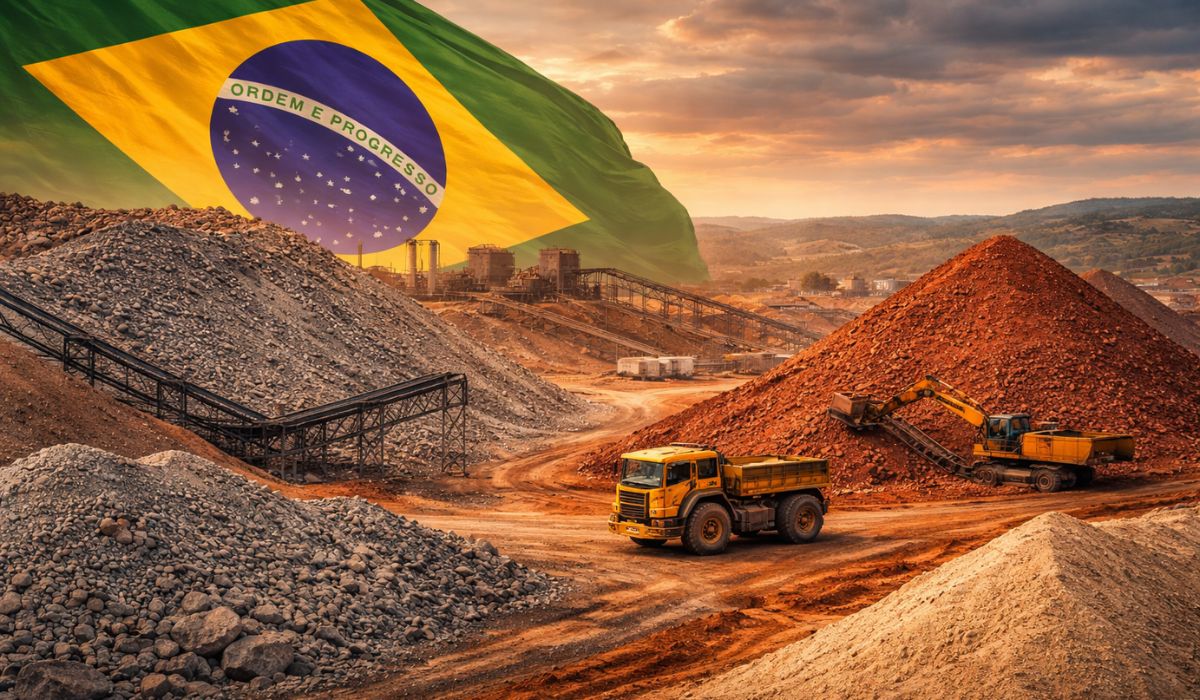
Brazil extracts 26.3 million tons of ore from what was previously treated as waste, transforming residues into wealth, producing over 3 million tons of sand, and demonstrating how national mining is relearning to generate value.
-
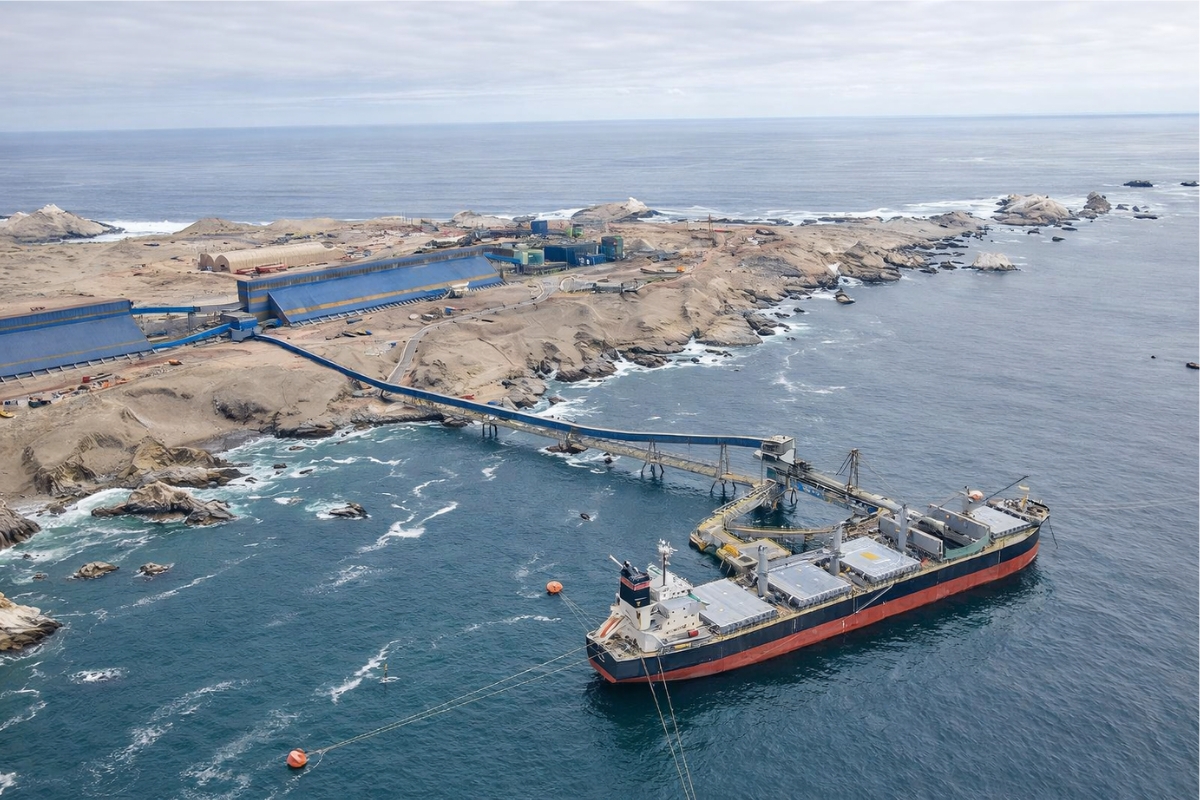
A $3.5 billion megaproject in Latin America pumps desalinated seawater at 1,050 liters per second over 194 km to keep a copper supermine in the Andes operational for another 20 years.

Globally, there are about 8.3 million tons of cobalt reserves, according to the 2023 annual report from the Cobalt Institute. This means that Japan’s discovery represents just over 7% of the reserves identified so far. Until now, the Asian country had almost no weight in this market, where the Democratic Republic of the Congo stands out, with nearly half of the world’s reserves, and Australia, with about 20% of the reserves.
Indeed, cobalt mining accounts for 90% of the Democratic Republic of the Congo’s exports, a crucial activity for the country’s economy, according to the same report. However, this is where China comes in, as it is the leader in refining this metal, the crucial step for the raw material to be used in its various applications. Cobalt is extracted in Africa, but Beijing dominates 72% of the processing industry, giving it a significant advantage in the market.
This element is used for electric car batteries, superalloys – used in gas turbine engines – and also in the petrochemical industry.
Following the Japanese exploration, the country plans to begin extracting the nodules in March 2026, the task force details. “The production and refining of these metals are currently dominated by China and African countries, and Japan is almost entirely dependent on importing these resources. The discovery of large deposits of cobalt and nickel brings hopes that this may change soon,” Japanese organizations state.
Economic And Geopolitical Impact Of The New Reserves
Indeed, Japan’s idea is to create a joint venture with national companies to work both metals and market them as their own products, without them needing to leave the country to be processed. The intention is to create an industry that allows them to supply themselves and control part of the supply. In other words, to cut ties with China.
The European Union considers nickel and cobalt as strategic raw materials, a way to recognize them as key elements for the economy. This is because their demand will increase exponentially in the coming years, and also because these resources are highly concentrated, making supply disruptions easy. These raw materials have no accessible substitutes, so if there are problems in the value chain, trade may slow down or come to a halt. mining
For its part, nickel reserves are mainly in Australia, the United States, Brazil, Canada, and China. But once again, China has the largest number of nickel refineries in the world, with a total of 10, tied with Brazil’s 10, according to data from the Nickel Institute. The Asian country has 22 smelters of this metal, while the Latin American country has 10, so China still holds a certain advantage in the nickel processing industry. Nickel is used for batteries, alloys, and stainless steel. mining
“These resources are critical to economic security. Demand for both will soar in the coming decades between 400% and 600% as battery-powered technology replaces oil and gas,” point out Japanese researchers, who do not want their country to fall behind in this opportunity or depend on China. mining









Nas praias de São Luís só o que tem é minério principalmente em blocos grandes espalhados tanto pela areia da praia, feito muro e na costa litorânea