





 Portuguese
  English
  Spanish
  5 min of reading
  0 comments


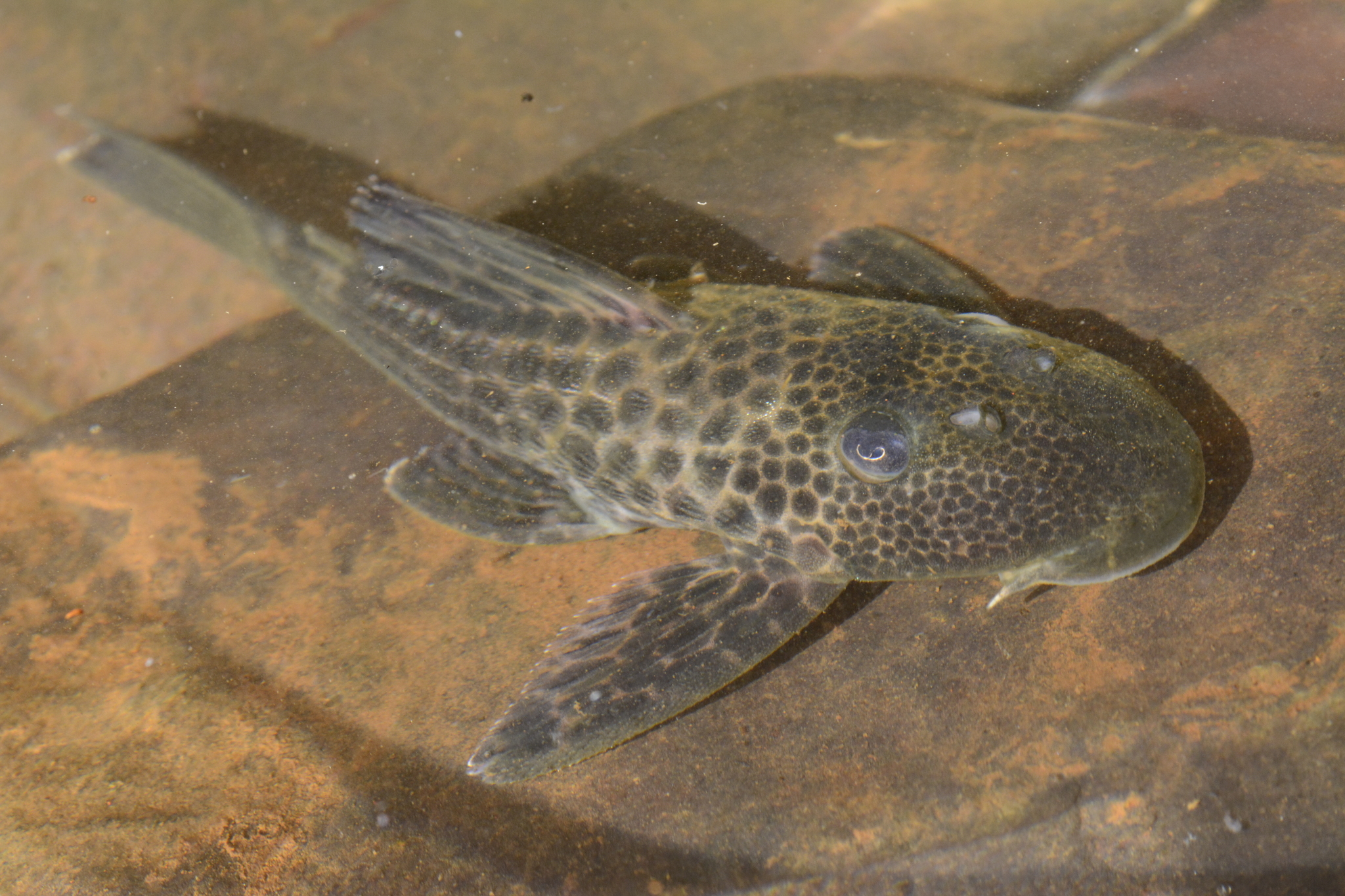
After Dams, The Cascudo Became an Underground Engineer Rearranging Sediments and Transforming Reservoirs Silently.
When large dams are built, the impact is often measured in terms of energy generated, flooded areas, and displaced communities. What is almost never accounted for is how common species already present in the river completely change their behavior in response to the new environment created by the damming. In many rivers in South America, this unexpected role has fallen to an apparently harmless and well-known fish: the Hypostomus, popularly known as the cascudo.
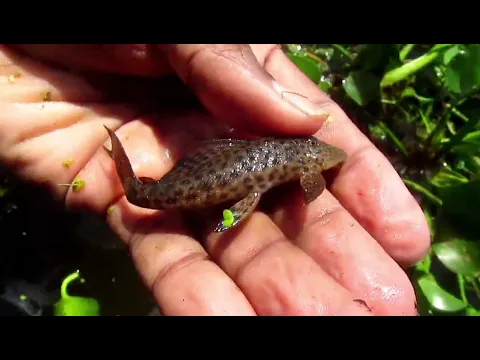
Before the dams, the cascudo was just another component of the riverbed, living among stones, logs, and rapids. After damming, it began to act as an involuntary ecological engineer, digging into the banks, stirring sediments, and silently altering the physical dynamics of rivers transformed into reservoirs. What seemed like mere adaptation became a geomorphological force.
The Cascudo Before Dams: A Discreet Bottom-Dwelling Fish
In free-flowing rivers, with natural currents, the cascudo occupies well-defined niches. Its flattened body, sucker-shaped mouth, and bony plates are adaptations to withstand the force of the water and cling to the substrate. It primarily feeds on algae, biofilm, and organic matter attached to stones and logs.
-
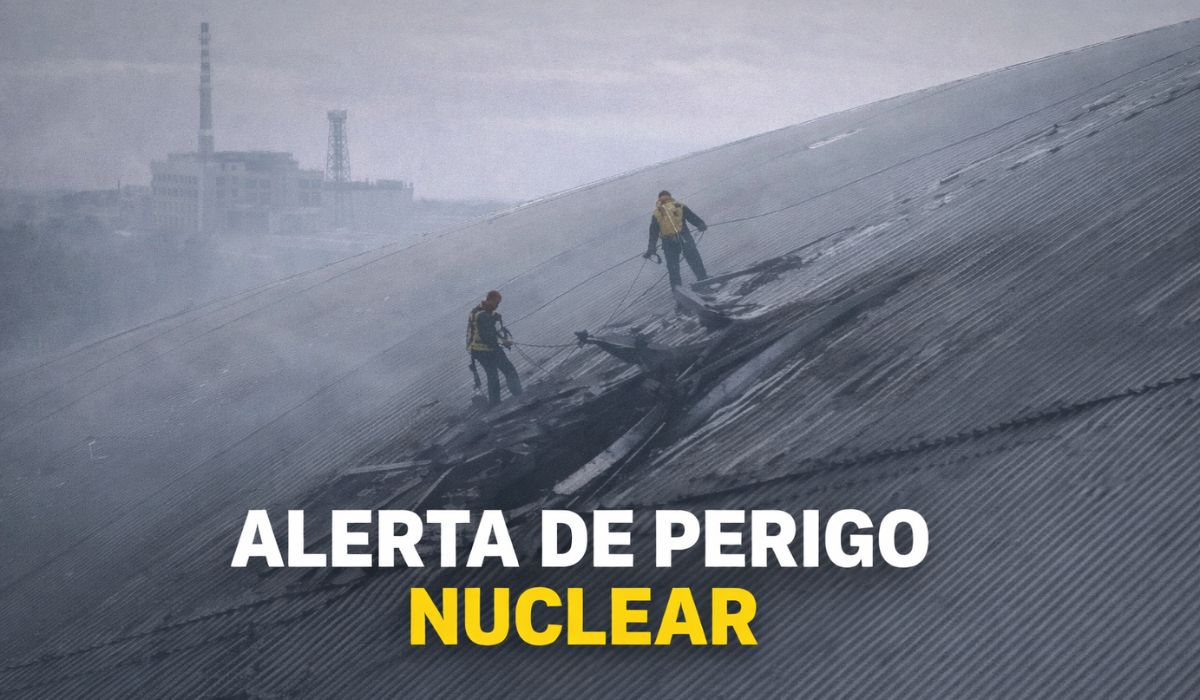
The gigantic steel shell built to contain Chernobyl for a century has been pierced by a drone, exposing a critical system and creating a hole that could cost over 500 million euros to repair.
-
Brazilian Navy reaches a new level by taking over an airport with a 1,600-meter runway used by 1,800 military personnel and autonomous attack drone testing.

-
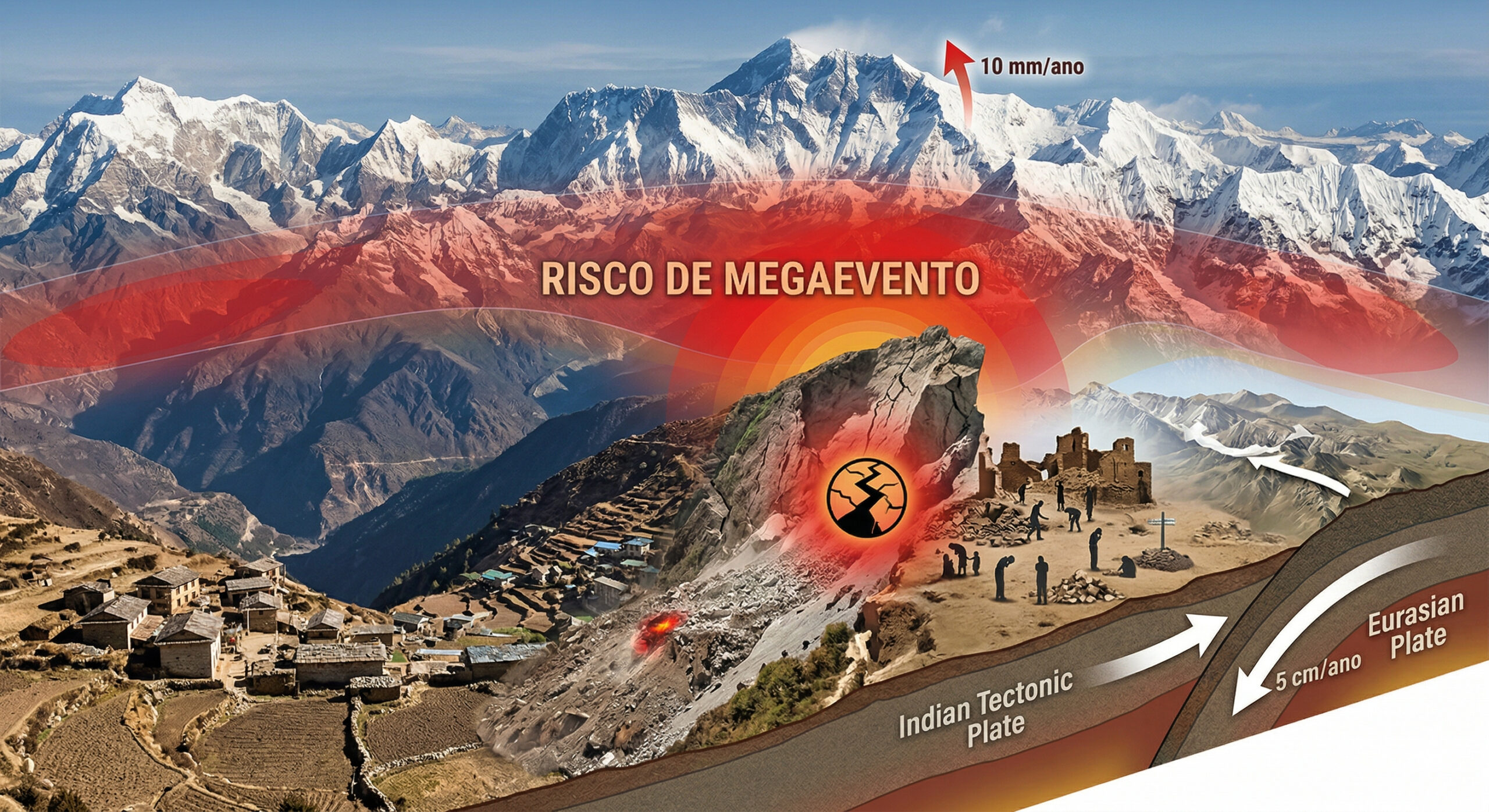
The Himalayas continue to grow to this day, with tectonic plates advancing 5 cm per year, mountains rising up to 10 mm annually, and the 2015 earthquake that killed 9,000 people may have increased the risk of an even larger seismic mega-event.
-
At an altitude of 400 km by astronauts from the International Space Station, Paris transforms at night into a golden mesh so precise that it reveals the outline of the Seine River, avenues, and entire neighborhoods like a luminous map drawn over the Earth.


In this scenario, its digging ability is limited. The banks are more stable, the bottom is rocky, and the current prevents the excessive formation of fine sediments. The cascudo participates in the system, but does not transform it. Everything changes when the river ceases to be a river.
Damming Creates an Entirely New Environment
Dams convert dynamic rivers into slow, deep water bodies rich in fine sediments. The energy of the current disappears, particles that were once carried away accumulate, and the banks become softer and more unstable.
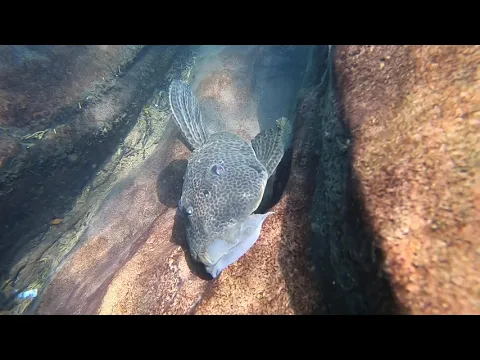

This new environment is perfect for the cascudo. The abundance of sediments, the reduction of predators, and the great availability of algae promote population explosions. The fish then begins to do something that was previously secondary: digging.
Constant Digging That Becomes a Force of Transformation
To shelter, reproduce, and feed, the cascudo digs galleries in the banks and bottom of the reservoirs. On a small scale, each hole seems irrelevant. On a large scale, with thousands of individuals doing the same daily, the effect is profound.
These diggings:
- weaken banks
- increase erosion
- release fine sediments into the water
- alter the bottom profile
The fish not only lives in the dammed environment; it begins to physically reshape it.
Suspended Sediments and Permanently Turbid Water
One of the most visible effects of the cascudo’s activity is the increase in turbidity. By digging, the fish resuspends particles that were compacted on the bottom. These particles remain suspended for long periods, especially in shallow reservoirs.
The turbid water reduces light penetration, harms submerged plants, and favors microscopic algae. With fewer plants to stabilize the sediment, the bottom becomes even looser, facilitating new diggings. A feedback cycle is formed that is difficult to break.
Unstable Banks and Silent Collapse
In some reservoirs, the activity of the cascudo is associated with bank collapses. The excavated galleries create internal voids that weaken the soil. During fluctuations in water levels or heavy rains, entire sections may collapse.
This process does not occur spectacularly, like a sudden landslide, but continuously and quietly, altering the shape of the reservoir over the years.
A Native Fish With Amplified Impact
Unlike invasive species, the cascudo is native to many South American river systems. The problem is not its presence, but the radical change of environment caused by dams.
Damming amplifies behaviors that, in free-flowing rivers, were ecologically neutral. The cascudo did not “evolve to cause harm,” but responds to the new conditions, creating unintended side effects not anticipated by engineering projects.
Consequences for Other Aquatic Organisms
The silent transformation caused by the cascudo affects the entire aquatic community. The increase in sediments harms visual fish, complicates the feeding of filter-feeding species, and reduces suitable spawning areas.
Additionally, eggs and larvae of other fish may be buried or displaced. Thus, a single functional group starts to reorganize the entire ecological chain.
Why This Effect Is Rarely Considered In Dams
Environmental impact studies often focus on major factors: interruption of migration, changes in flow, water quality. Bottom-dwelling excavator fish rarely come onto the radar, precisely because they are common and native.
The case of the cascudo highlights a recurring flaw: indirect biological impacts, which arise years after construction, are difficult to predict and even harder to correct.
Climate Change Intensifies The Problem
Warmer reservoirs and more variable water levels create even better conditions for the cascudo. Metabolism speeds up, reproduction intensifies, and digging activity increases.
Thus, effects that were once local begin to gain regional scale, especially in heavily dammed basins.
The cascudo does not build dams like beavers nor does it fell trees. Its engineering is subterranean, continuous, and invisible. Precisely for this reason, it often goes unnoticed until the effects become hard to ignore.
This is a classic example of involuntary ecological engineering: a common species reshaping entire environments without any intention, merely reacting to changes imposed by humans.
A Warning For The Planning Of Future Reservoirs
The behavior of the cascudo raises a central question: damming a river does not just create an artificial lake; it creates a new ecosystem, with its own dynamics and unexpected effects.
Ignoring species like the Hypostomus means underestimating physical processes that, over decades, can compromise water quality, bank stability, and reservoir operation.
When A Common Fish Becomes An Agent Of Geographic Transformation
The story of the cascudo shows that it is not just large works that shape landscapes. After the dam is completed, it is the organisms that begin to determine how that system will evolve.
Small, armored, and silent, the cascudo has become an involuntary engineer of dammed rivers. It does not appear in political speeches or summary reports, but it works every day, digging, moving sediments, and reshaping environments created by humans.
When observing turbid reservoirs, unstable banks, or silted bottoms, it is easy to blame only the dam or land use.
The cascudo reminds us that the deepest impacts often come from the interaction between infrastructure and biology.
Understanding these invisible engineers is essential to manage dammed rivers more intelligently. Otherwise, we will continue to be surprised when “technically stable” systems transform from the inside out, fish by fish, hole by hole.








-

-

3 pessoas reagiram a isso.