





 Portuguese
  English
  Spanish
  6 min of reading
  0 comments


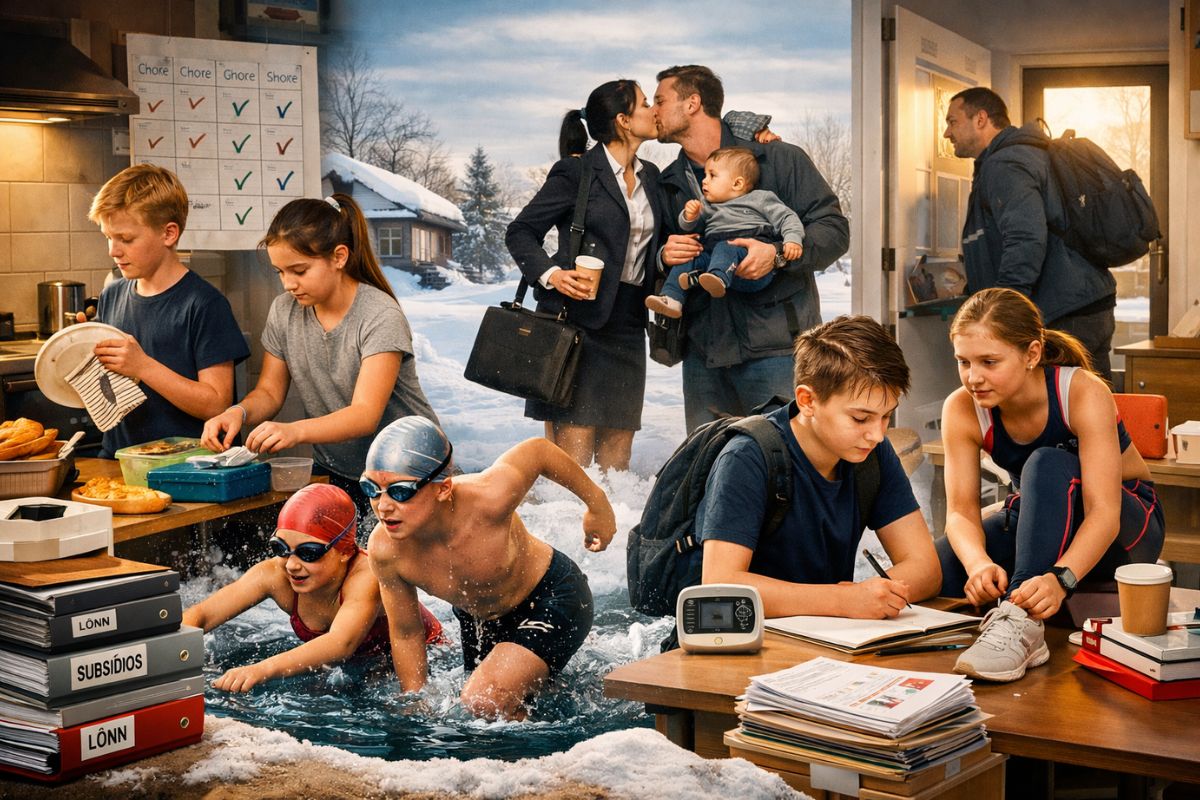
In The Home Of Marc And Riat In Iceland, Their Children’s Schedule Starts Early And Ends At Dinner. Between School, Daycare, And Geothermal Pool, Gender Equality Appears Without Speech. Parental Leave, Subsidies, And Subsidized Preschool Support Full-Time Work And A Routine That Depends On The Weather In Winter Too.
In the portrait of a family in Iceland, the question that lingers in the background is simple and uncomfortable: what changes when children grow up in a place where chores are divided without emergency meetings, and gender equality is treated as routine, not as a slogan.
Marc works as a social worker and Riat as a physiotherapist. They have small children, Sigrum, who is 5 years old, and Steina, who is 3, and they organize the week around school, daycare, full-time work, and mandatory activities, in a country where the climate dictates the clock and public policy fills the gaps.
A Normal Thursday And The Automatic Division Of Household Labor
In the home, there is no formal conversation to decide who does the laundry, who cleans, who cooks, and who picks up the mess.
-
Seen from space, an image taken by an astronaut shows in Argentine Patagonia the exact point where a colossal glacier, a turquoise-blue lake, and a greenish arm of water meet, creating one of the rarest and most impressive landscapes in the region.

-
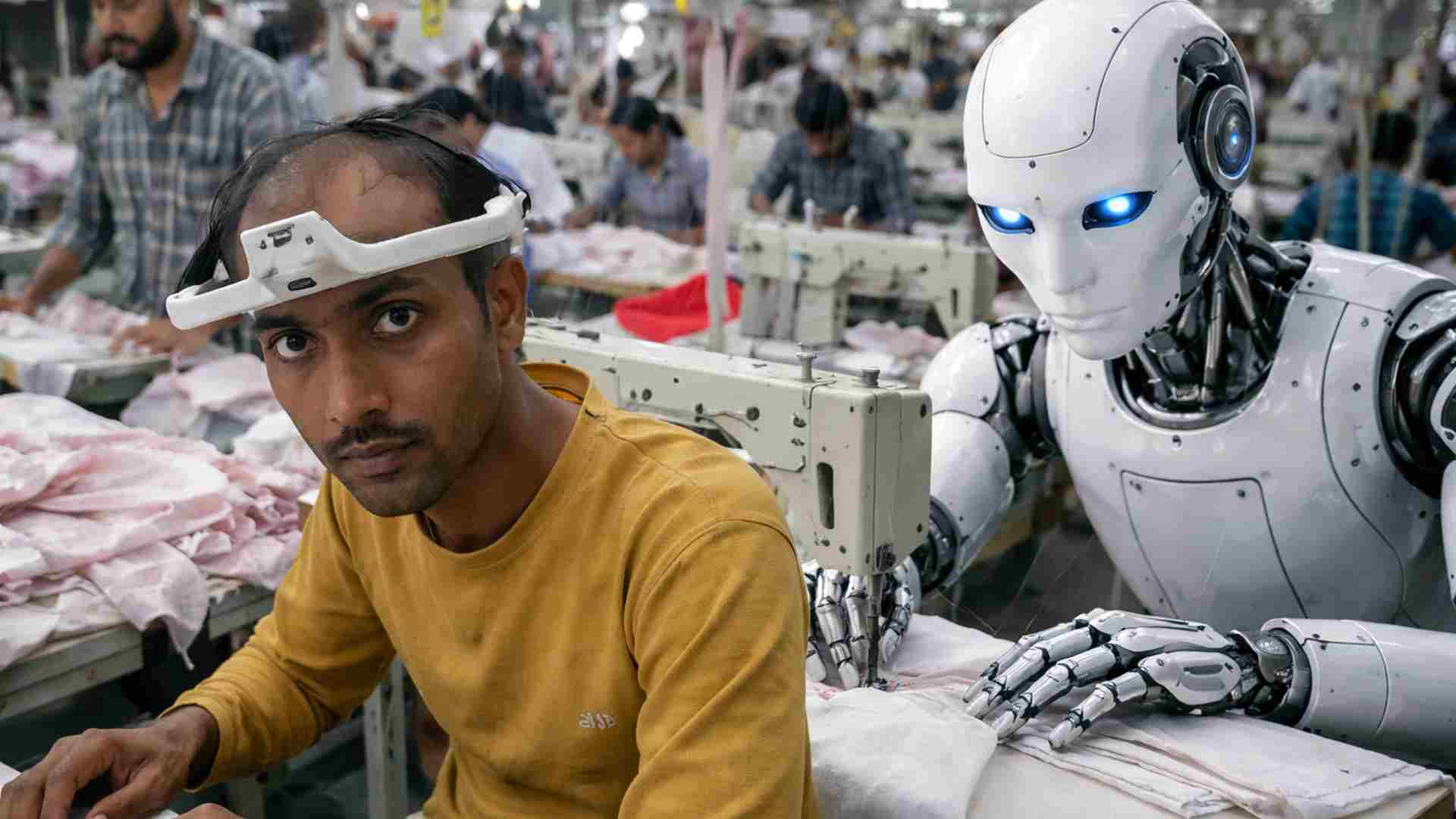
Workers are being forced to train the AI that will replace them in their jobs.
-
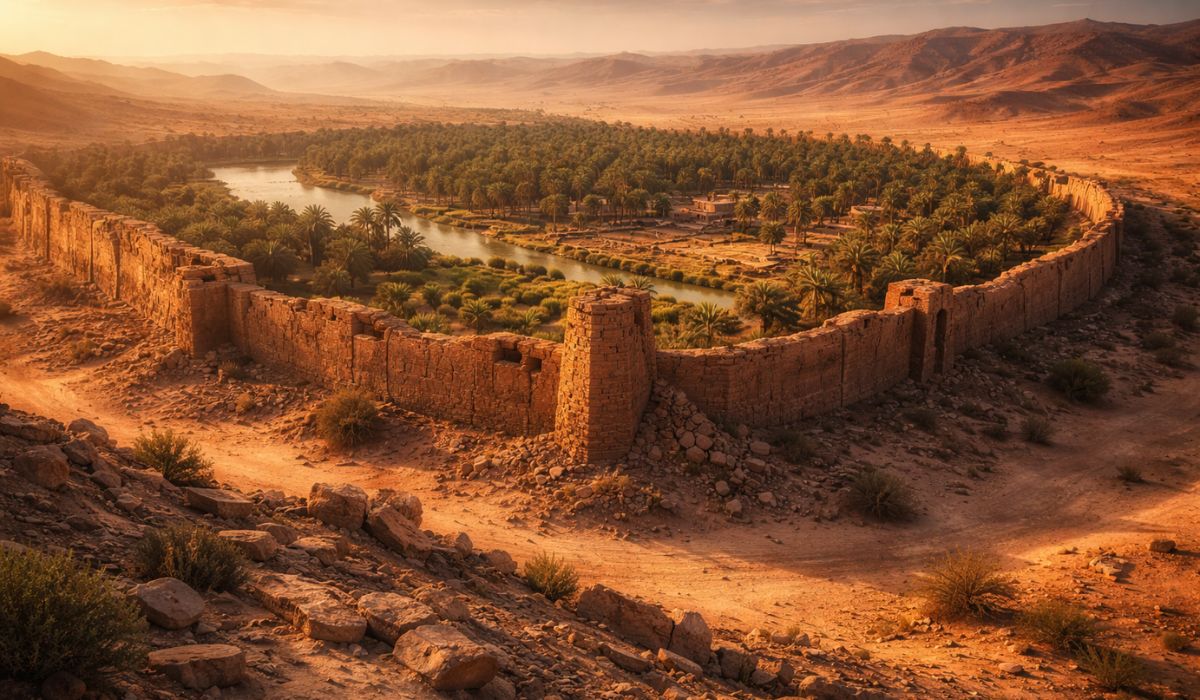
Archaeologists found in the desert an oasis 5,000 years old surrounded by giant walls, in a discovery that reveals a civilization much more complex, powerful, and organized than previously thought.
-
Giving your CPF at the supermarket has become routine, but in 2026 the rule will change: see how your data is used and when it is worth informing.

The logic, according to the family itself, is available time: if he has time, he does it; if she has time, she does it.
For the children, this turns into a silent lesson on what gender equality looks like before any class on the subject.
The division stops being a promise and becomes a repeated behavior.
Here, gender equality appears in the least theatrical way possible, as a series of small choices that do not become agendas, meetings, or disputes.
This arrangement does not eliminate effort or stress. Mornings can be tight for getting the children into the car and arriving on time, especially in winter, with snow and cold.
The difference is that the family structure relies on predictability, and predictability is born from simple and repeated rules.
Early Childhood Education As Infrastructure For Parents To Work Full-Time
The school routine starts early. School begins at 8:30 in the morning, and the family drives there.
Iceland is described as one of the countries with the highest number of cars per capita, and traveling by car becomes a practical solution for parents with young children, especially in winter.
In Iceland, 86% of children under 5 attend preschool, and from the age of 3, almost everyone is in early childhood education.
The picture presented is of long days: many children spend 7 to 8 hours a day in school or daycare and, when they grow up, go straight to sports or music classes. For the children, this builds a rhythm of life where routine is almost a language.
The cost described ranges between 9 and 500 per month, varying by income and where the family lives.
The trade-off is clear: hot meals, social skills, and an environment that allows both parents to work full-time. What seems like an administrative detail becomes a condition for the week not to fall apart.
The Rathle Model And The Practical Training Of Gender Equality In The Classroom
Iceland is also described as a global benchmark for gender equality, leading an international ranking for 15 years that compares countries in power, salaries, education, and health.
However, the most sensitive point is not the ranking; it is the translation of this within schools and homes, in the form of similar expectations for children regardless of whether they were born boys or girls.
In this context, the country presents an education model that tries to put gender equality at the forefront, using the Rathle method.
It is cited as present in 14 kindergartens and three primary schools, with a proposal that directly influences daily socialization.
The idea presented is straightforward: girls are encouraged to be bold and outgoing; boys are encouraged to develop empathy and care.
This is not an abstract discourse; it is a daily training of behavior. Daily repetition is what gives strength to the method, as it is there that the perception of what is expected of each person is built.
Subsidies And Parental Leave As Time Policy, Not Just Money
The family dynamics have an important detail in the afternoon. Riat is usually the one who picks the children up from school, described as self-employed and therefore having more flexibility to balance work and family life. However, individual freedom does not explain everything.
The family also points to state support as part of the daily functioning.
When the conversation shifts from the home to the state, the numbers become part of the narrative. Families receive annual subsidies per child, nearly R$ 15,000 per child, plus another R$ 5,000 for children under 7, with reductions for higher earners.
These subsidies do not buy affection or resolve conflicts, but they alleviate a specific type of pressure that usually arises in the routine.
Parental leave appears as another pillar. It was introduced in 2000 and is described as almost equal, with parents receiving about 80% of their salary.
Both parents are entitled to 6 months. Generally, the one who gave birth takes six weeks that cannot be divided.
The result is less improvisation and more time for care at the beginning of life. For the children, this reduces the chance of care being concentrated in just one person.
Geothermal Pool, Cold, And The Mandatory Discipline That Shapes Children
In the late afternoon, the routine includes swimming, described as typically Icelandic. The geothermal pools are heated naturally by volcanic energy and hot springs, and babies can start lessons between 3 and 6 months.
From first grade onward, swimming is mandatory, every week, until the 10th grade. It is not optional leisure; it is part of the curriculum.
The climate once again plays a role. Classes would only be postponed in extremely cold weather, around -5º. The logic is simple: if the body will live in a place where winter weighs heavily, the body also needs to be trained for it. Discipline here is not punishment; it is adaptation.
Dinner Together, Realistic Expectation, And The Idea Of Happy Children


Even with long days, the family considers dinner together non-negotiable. The declared objective is not to raise perfect children, but rather to create happy children and ensure quality time together as a family.
The strategy is less rigidity and more dialogue, with the notion that being a good person weighs more than a list of impeccable behaviors.
This kind of talk may seem simple, but it gains another dimension when it is crossed by gender equality in daily life, by subsidies that reduce survival anxiety, and by parental leave that organizes the beginning of life.
Iceland, with its summers that almost never darken and its winters with little light, appears as a laboratory of routine, where children grow up under clear rules because the environment demands it.
In the end, there is a question that deserves an answer without slogans: what, in your home, really changes your children’s lives, and what only changes the conversation? What part of subsidies and parental leave do you consider essential for gender equality, and what part do you reject, looking at how your children are growing?




Seja o primeiro a reagir!