





 Portuguese
  English
  Spanish
  4 min of reading
  5 comments


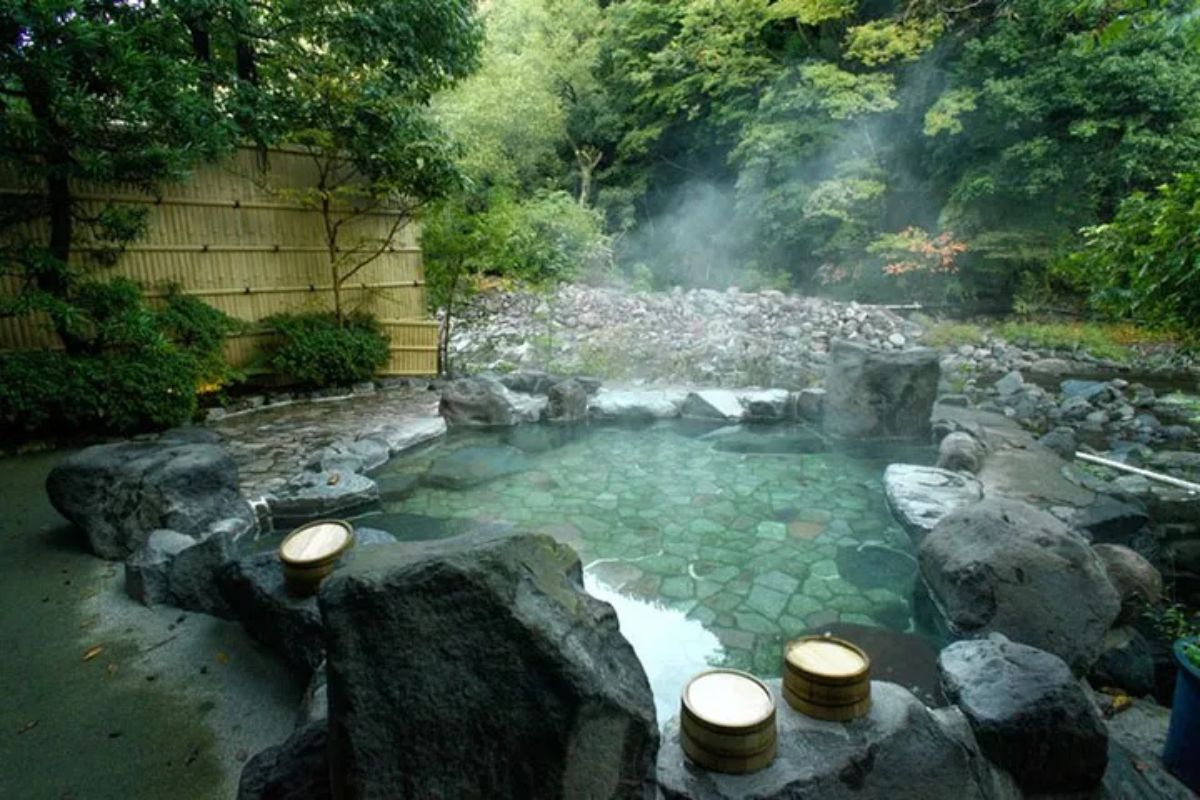

In The Heart Of Goiás, Caldas Novas Stands Out As A Unique Brazilian City, Famous For Being The “Largest Hydrothermal Complex In The World”. Explore The Geology, The Rich History, And The Bubbling Charms Of This Singular Destination.
Nestled in the state of Goiás, Caldas Novas is a Brazilian city whose name is synonymous with hot water and deep relaxation. Known for housing what many claim to be the largest hydrothermal complex on the planet, this resort attracts millions of visitors annually. They come eager for its naturally heated pools and its renowned therapeutic properties.
But what makes Caldas Novas such a unique and sought-after phenomenon? Discover the geology behind its thermal waters, the history of its discovery, and the numerous attractions that make this Brazilian city a true oasis of well-being and fun.
The Discovery Of Caldas Novas: From The Bandeirante Expeditions To The Growth Of The Tourist Hub
The saga of the thermal waters of Caldas Novas began in the 18th century. In 1722, the bandeirante Bartolomeu Bueno da Silva Filho, known as Anhanguera, stumbled upon a stream of steaming water, naming it “Caldas”. Although the gold found in the region initially overshadowed the springs, they were rediscovered in 1777 by Martinho Coelho de Siqueira, who established the Fazenda das Caldas.
-
How 5,000 Indian dabbawalas manage to deliver around 200,000 lunchboxes a day in Mumbai for over 130 years using bicycles, crowded trains, and a manual system that continues to operate with impressive accuracy.

-
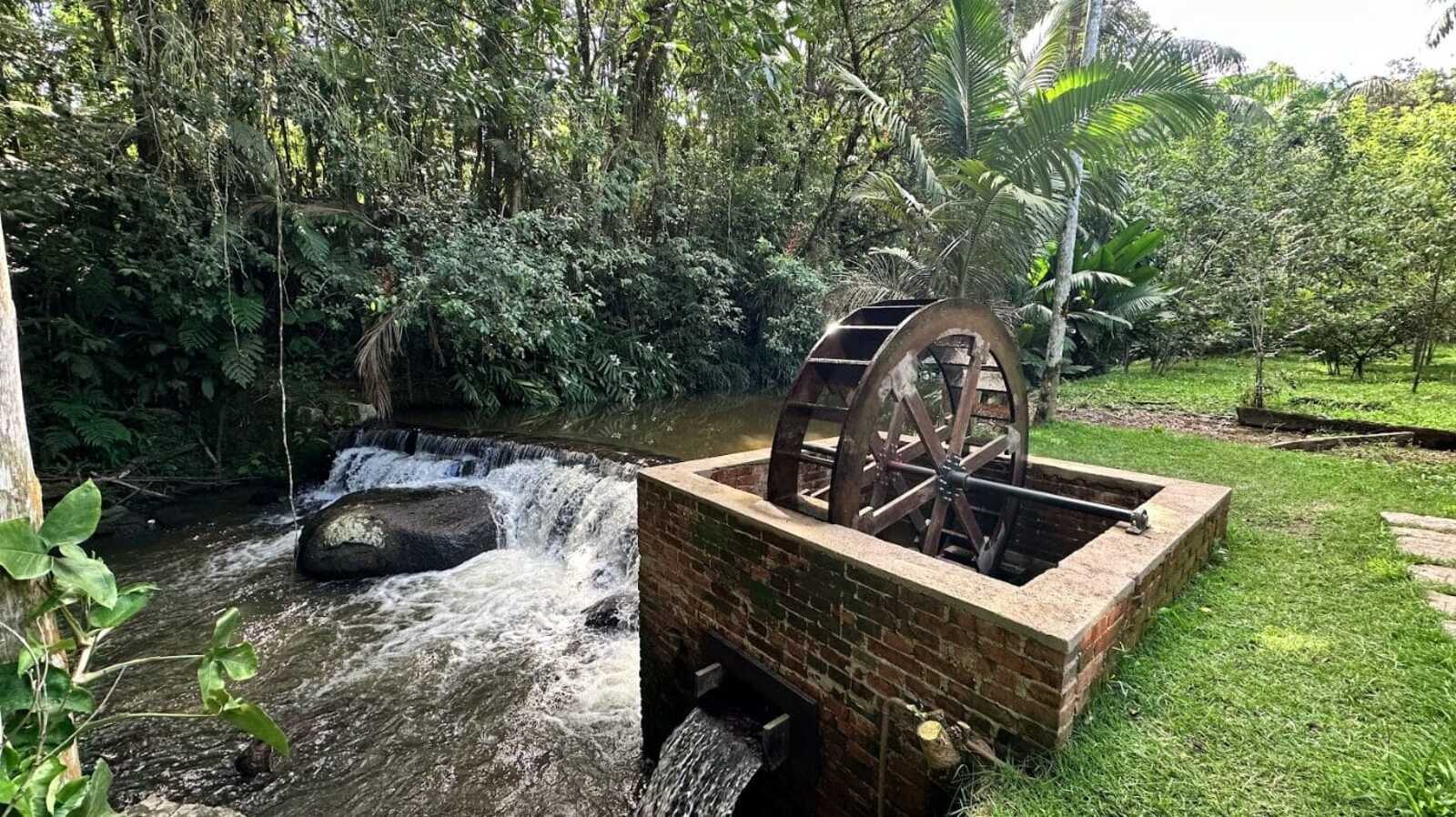
While restoring a historic mansion from 1910, a brick structure with an old turbine that generated energy from the Rio do Testo emerged, along with a hidden door and a rare floor concealed under layers of wax.
-
Italian researchers have detected what appears to be a second Sphinx buried under the sands of Egypt, and satellite scans reveal a gigantic underground megastructure hidden beneath the Giza Plateau for over 3,000 years.

-
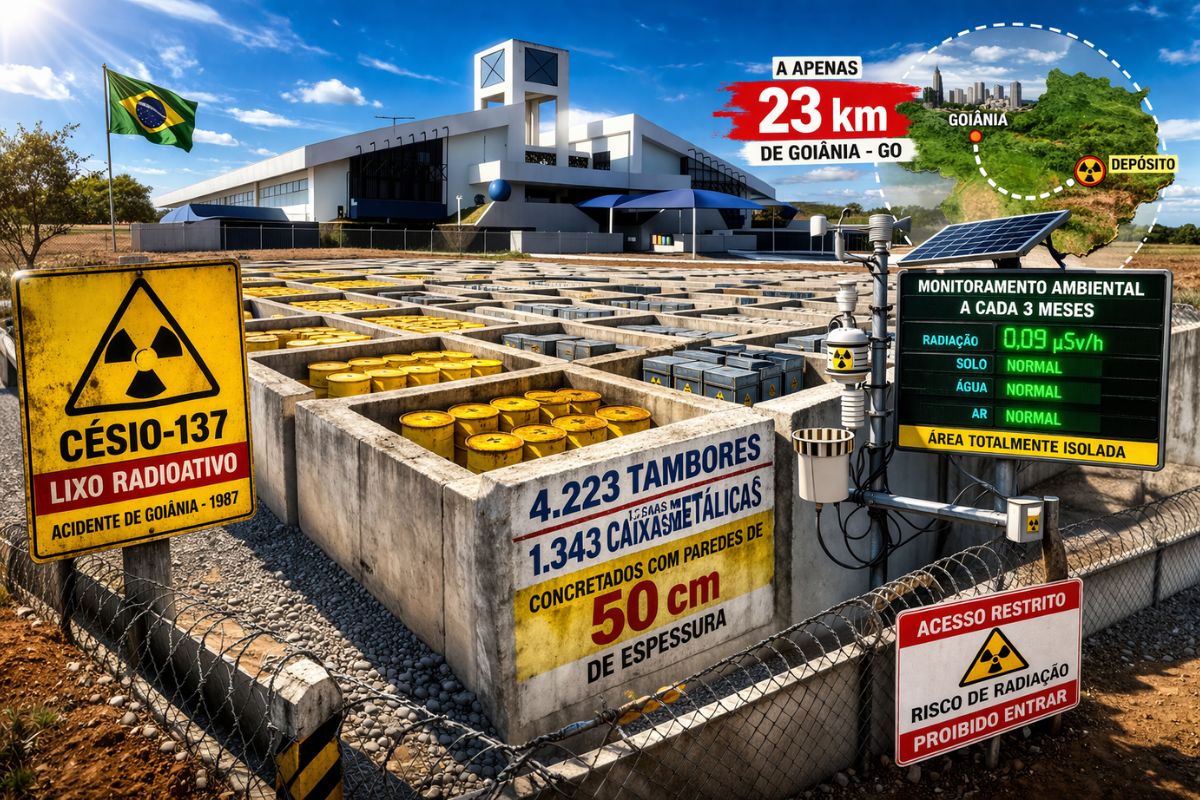
There are 4,223 drums and 1,343 metal boxes concreted with 50-centimeter walls that store the radioactive waste from Cesium-137 in the worst radiological accident in Brazil, just 23 kilometers from Goiânia, with environmental monitoring every three months.

The fame of the healing properties of the “miraculous” waters soon attracted the sick, while prospectors sought gold. This dual appeal fueled the growth of the first settlement. Caldas Novas became a municipality in 1911 and a city in 1923, consolidating its vocation for thermalism.
The Complex Geology That Fuels The “Ocean” Of Thermal Waters
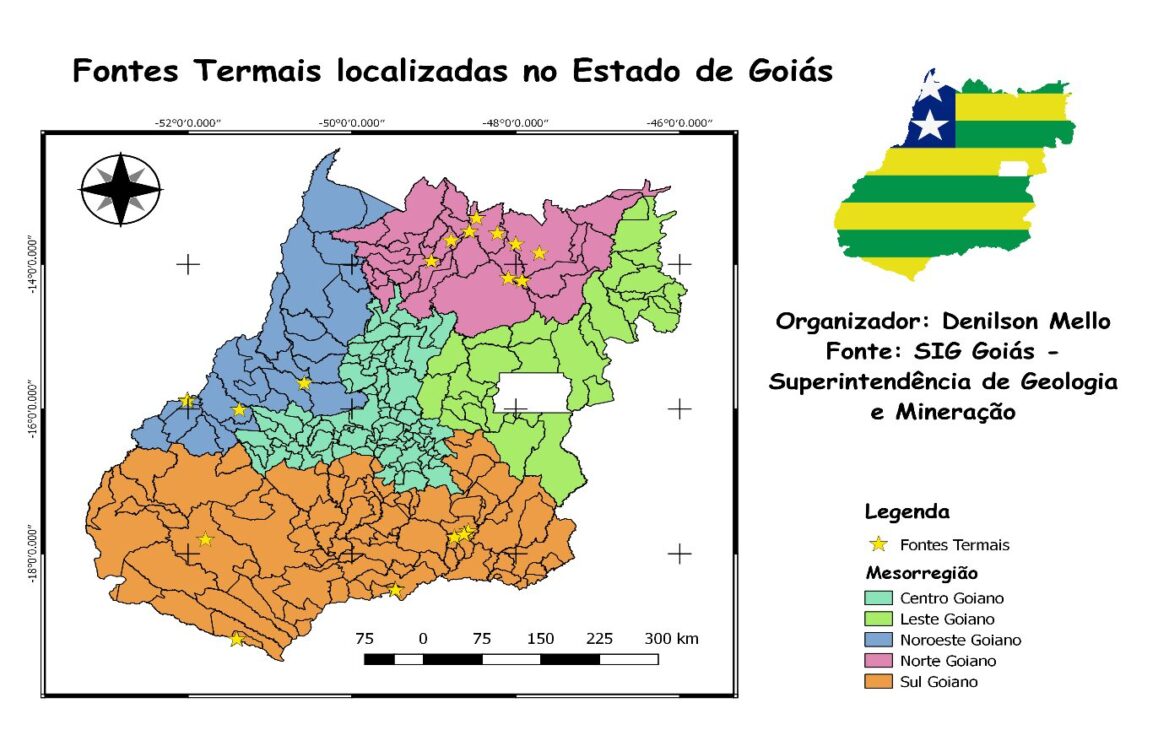
The magic of the hot waters in this Brazilian city lies in the geology of the Serra de Caldas Novas. Its rock layers act as a huge reservoir where rainwater seeps in, potentially taking about a thousand years to traverse depths of up to a thousand meters. Along this journey, the water is heated by the Earth’s internal heat (geothermal), reaching close to 60°C, and mineralized by contact with rocks from the Araxá Group.
As it rises, this thermal water mixes with the colder groundwater, resulting in the pleasant average temperature of 37.5°C found in the springs and pools. The indiscriminate drilling of wells in the 1970s highlighted the vulnerability of the Araxá Aquifer, necessitating control measures and continuous monitoring.
Is Caldas Novas Really The Largest Hydrothermal Complex In The World?
Caldas Novas proudly claims to be the “largest hydrothermal complex in the world”. This assertion is based on the significant volume of hot water from the Araxá Aquifer, the large number of springs and wells, and the vast tourist infrastructure dedicated to thermalism, attracting over two million national tourists annually.
Although it is difficult to objectively validate the title of “largest” without a standardized global ranking, the grandeur of Caldas Novas is undeniable. Compared to destinations like Pamukkale (Turkey) or the Japanese onsens, this Brazilian city stands out as one of the foremost and most impressive hydrothermal centers on the planet for the experience it offers.
A Bath Of Health And Leisure: The Therapeutic Benefits And Vibrant Attractions Of The Hot Waters Of Caldas Novas
The thermal waters of Caldas Novas are rich in minerals such as sulfur, calcium, and magnesium, offering therapeutic benefits for the skin (detoxification, relief from eczema), muscles (relaxation, relief from pain), and the respiratory system. They also promote mental well-being, relieving stress and improving sleep quality.
In addition to health, leisure is a major attraction. Internationally renowned water parks like Hot Park (in Rio Quente) and the complexes of diRoma and Privé in Caldas Novas offer fun for all ages. Other attractions include the State Park of Serra de Caldas Novas (PESCAN), the Japanese Garden, and the historic Casarão dos Gonzaga, enriching the visit to this Brazilian city.
Caldas Novas Today: The Economic Impact Of Thermal Tourism, The Sustainability Challenges, And The Future Of The Brazilian City Of Hot Waters


The thermal tourism is the engine of Caldas Novas’ economy, with a municipal GDP of around R$ 3 billion and about 26.6 thousand formal jobs directly or indirectly linked to the sector. This success, however, depends on the exploitation of a sensitive natural resource.
The history of over-exploitation of the aquifer in the 1970s and the recent tendency of depletion reinforce the urgent need for sustainable management. The future of Caldas Novas as an exceptional destination depends on balancing the use of its natural gifts with a commitment to conservation, ensuring that this treasure of nature continues to warm and rejuvenate visitors for many generations.







Difícil entender mas a maior mentira vem dos dados de vcs que exclui o vulcão em cima da serra
É uma difícil ver Caldas Novas sofrendo com os políticos que vem dominado há décadas. Uma cidade sem sem estruturas , sem saúde sem nada em relação a arrecadação , tenho apartamento aqui e moro em outra cidade de Minas, os empresários dos hotéis não fazem nada, inclusive a Dep Magda Mofato tem o maior complexo turístico de Caldas Novas. Uma população que buscam no Piauí e Maranhão. A cidade não tem outra alternativa de trabalho para a população, o IPTU está sendo um roubo de mais de 100% para a população. Vergonha!
Eu nasci e moro até hoje em Caldas Novas, as águas são realmente medicinais, vi muitas pessoas se curando nestas águas.
Quero muito conhecer esse lugar
Ela cura pessoa que tem bico de papagaio e tem hérnia de disco ela cura de verdade pessoas que tem esses problemas