





 Portuguese
  English
  Spanish
  3 min of reading
  0 comments


Brazil Just Gained Another World Heritage Site: Giant Caves with Prehistoric Art and Unique Biodiversity Capture the World’s Attention
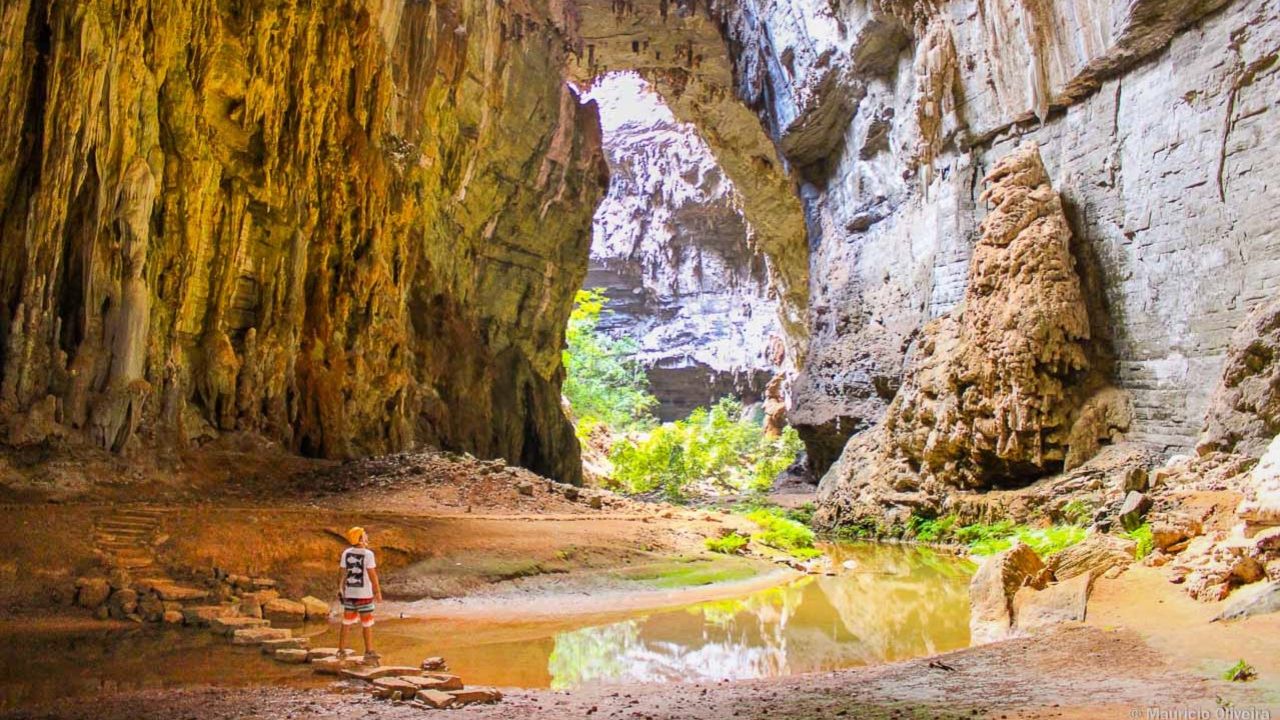
Brazil has just secured another spot on the selective list of World Heritage Sites recognized by UNESCO. This time, the highlight is the Peruaçu Caves, in northern Minas Gerais, a natural and archaeological gem that holds evidence of human occupation over 12,000 years old.
One of the Largest Subterranean Complexes on the Planet
Located between the municipalities of Januária and Itacarambi, the Peruaçu Caves National Park spans approximately 56,500 hectares, right at the transition between the Cerrado, Caatinga, and Atlantic Forest biomes. It is a unique region that combines immense canyons, limestone cliffs, forests, and underground rivers.
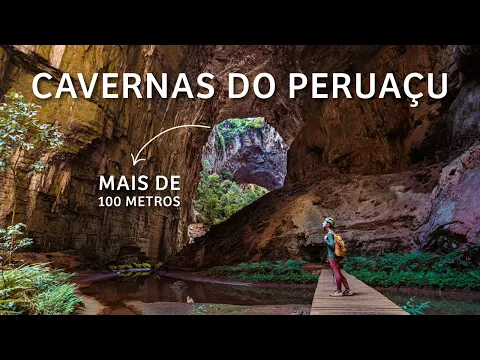
The park is home to over 140 mapped caves, some with more than 6 kilometers in length, placing Peruaçu among the largest cave systems in the world. The cave Janelão, for example, features an entrance over 100 meters high and houses one of the largest rock art panels in the Americas.
-
Few remember, but the submarine that disappeared in 1968 with 52 crew members was found after 51 years at the bottom of the sea at more than 2,000 meters, intriguing the entire world.

-
With 1,200 tons suspended, the Japan mega-structure in a grid shape with a floating sphere from Fuji TV features two 25-story towers connected by elevated walkways, titanium panels, and impresses the world with its ability to reduce wind impact.

-
The village where two rivers run side by side without mixing in Santarém and Alter do Chão reveals some of the most beautiful freshwater beaches on the planet.

-
Brazil’s nuclear submarine with a speed 5 times greater than normal advances after nearly 50 years and R$ 40 billion spent.


According to UNESCO, the site was recognized for its “exceptional natural beauty” and as a “notable example of the major stages of Earth’s history,” combining impressive geology, threatened biodiversity, and a rich archaeological collection.

A True Brazilian Prehistoric Sanctuary
The walls of the caves reveal a living gallery of the history of the region’s first inhabitants. There are over 1,200 cataloged archaeological sites with rock paintings of various styles, depicting hunting scenes, human figures, and symbols that are not yet fully deciphered.
Archaeological studies suggest that the first human groups who lived there were nomadic hunter-gatherers. However, there is also evidence of the beginnings of agricultural practices, such as the cultivation of corn, tobacco, cotton, and grains, signaling a transition to more complex ways of life over the millennia.
According to the Chico Mendes Institute for Biodiversity Conservation (ICMBio), the indigenous Xacriabá people were the first to name the valley “Peruaçu,” which means something like “great emptiness” — a direct reference to the giant underground halls carved into the limestone.
Biodiversity and Breathtaking Landscape
Aside from its archaeological value, the park is a true ecological refuge. It is estimated that there are over 2,000 species of plants and animals present, including endangered species such as the giant anteater, the jaguar, the giant armadillo, and several endemic birds from the region.
This intersection of different biomes fosters an impressive variety of ecosystems, ranging from dense forests to areas of sparse vegetation, in addition to rivers and permanent springs that flow through the valley and support local biodiversity throughout the year.

International Recognition
The inscription of the Peruaçu Caves on the World Heritage List was approved this Sunday (13) during the 46th session of the UNESCO World Heritage Committee, held in Paris. The Brazilian nomination was one of 30 proposals analyzed, which also included the castles of King Ludwig II of Bavaria, cultural landscapes in Malawi, and archaeological sites in Cameroon.
With this new inclusion, Brazil now has 24 properties recognized as World Heritage, including natural and cultural sites, reinforcing the strategic role of the country in preserving the history of humanity and global biodiversity.
A Still Little-Known Destination
Despite its grandeur, the Peruaçu Caves are still a little-explored tourist destination — something that may change following international recognition. The park’s infrastructure is being expanded, with trails, viewpoints, visitor centers, and guided access to some caves open to the public, respecting preservation standards.
The expectation now is for the site to become a sustainable tourism hub, generating income for local communities and strengthening the conservation of Brazil’s natural and cultural heritage.







Seja o primeiro a reagir!